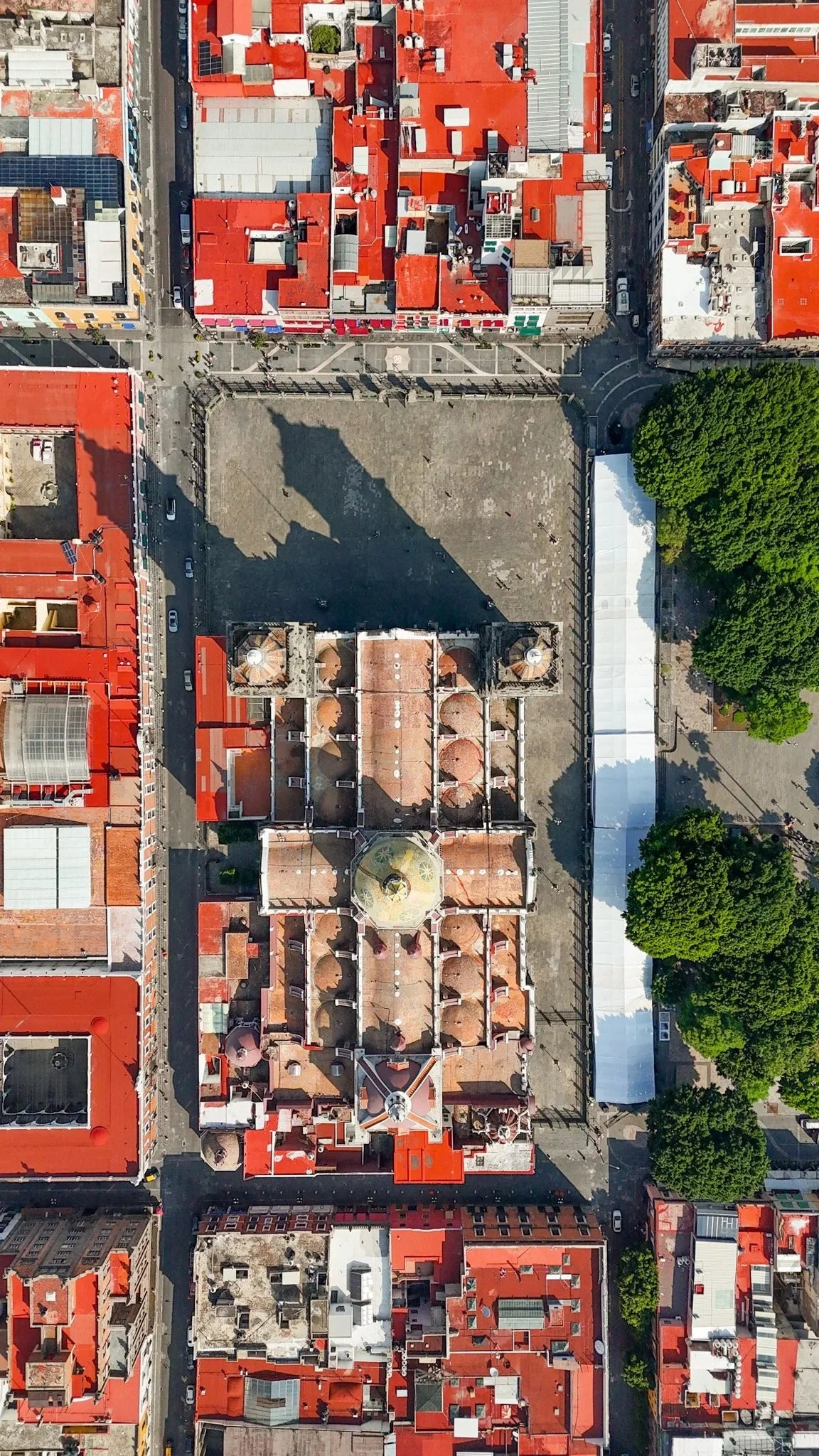
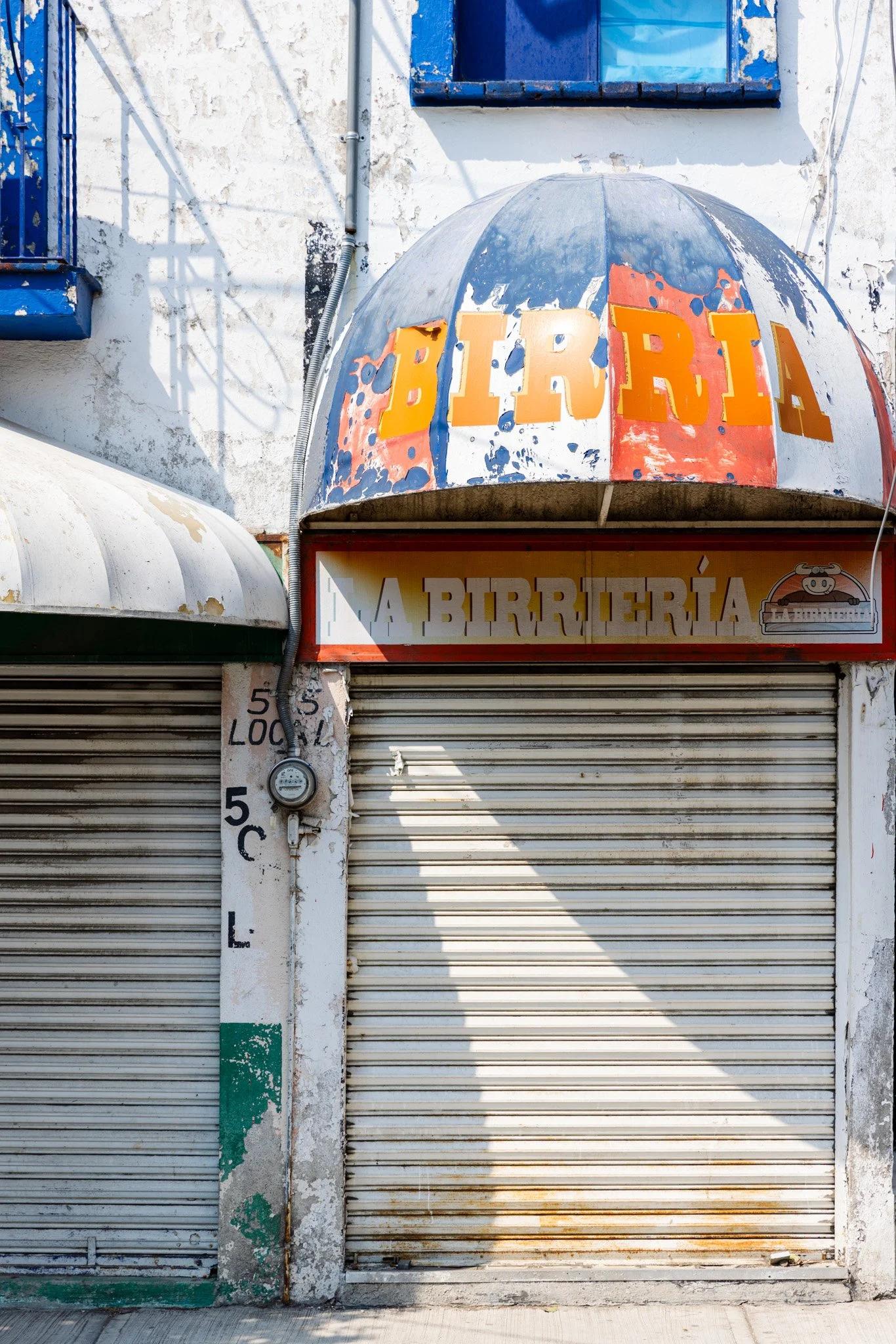
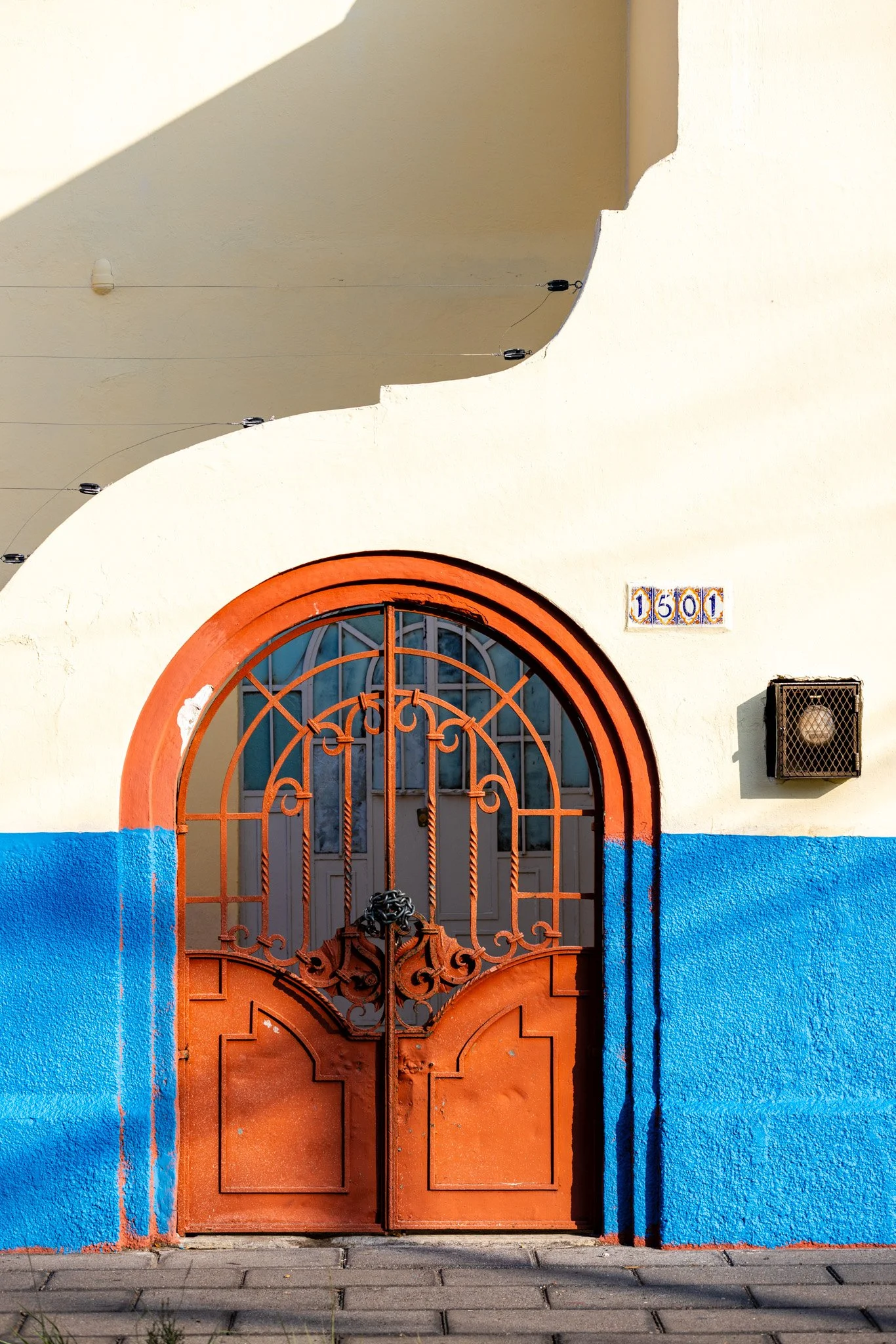
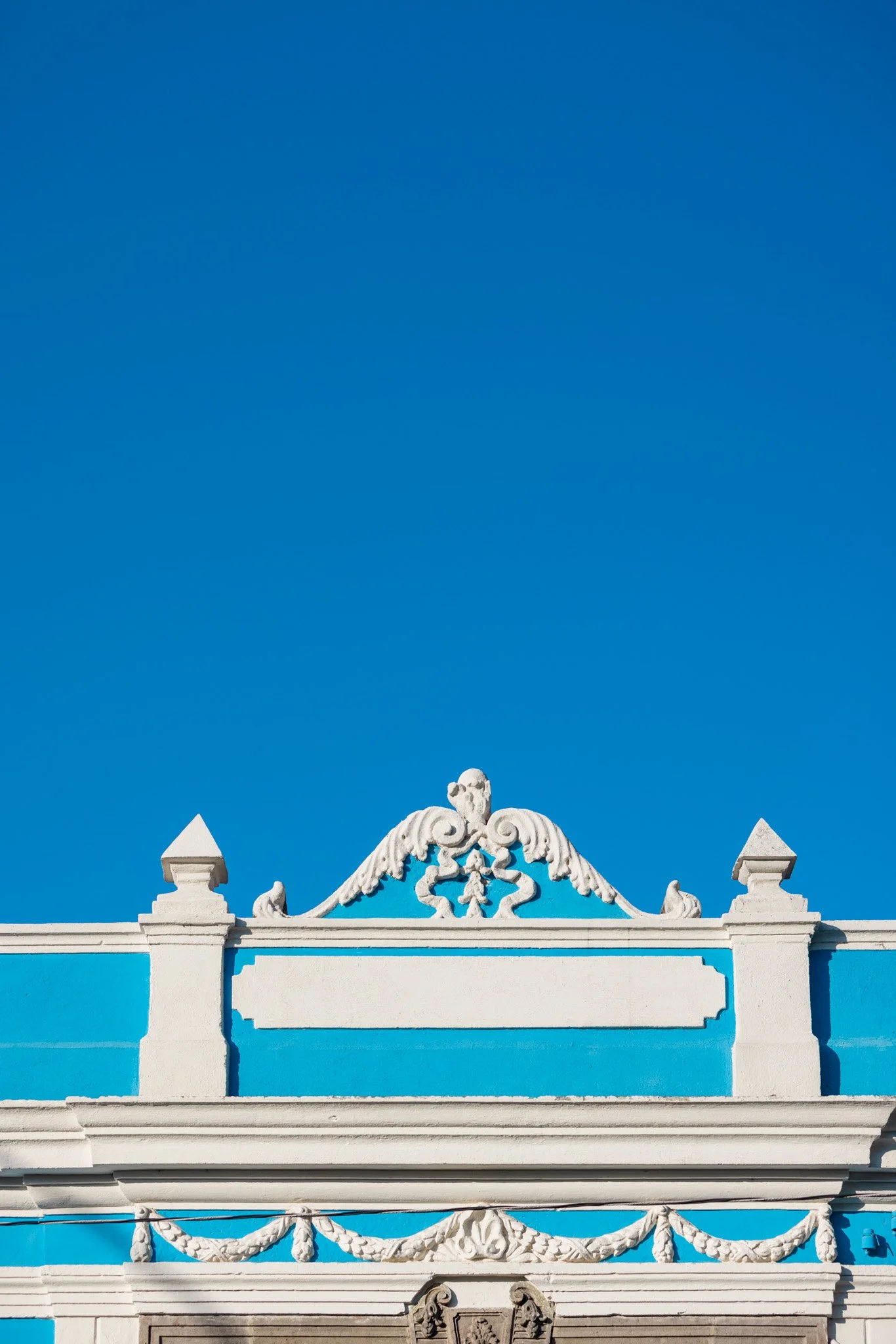
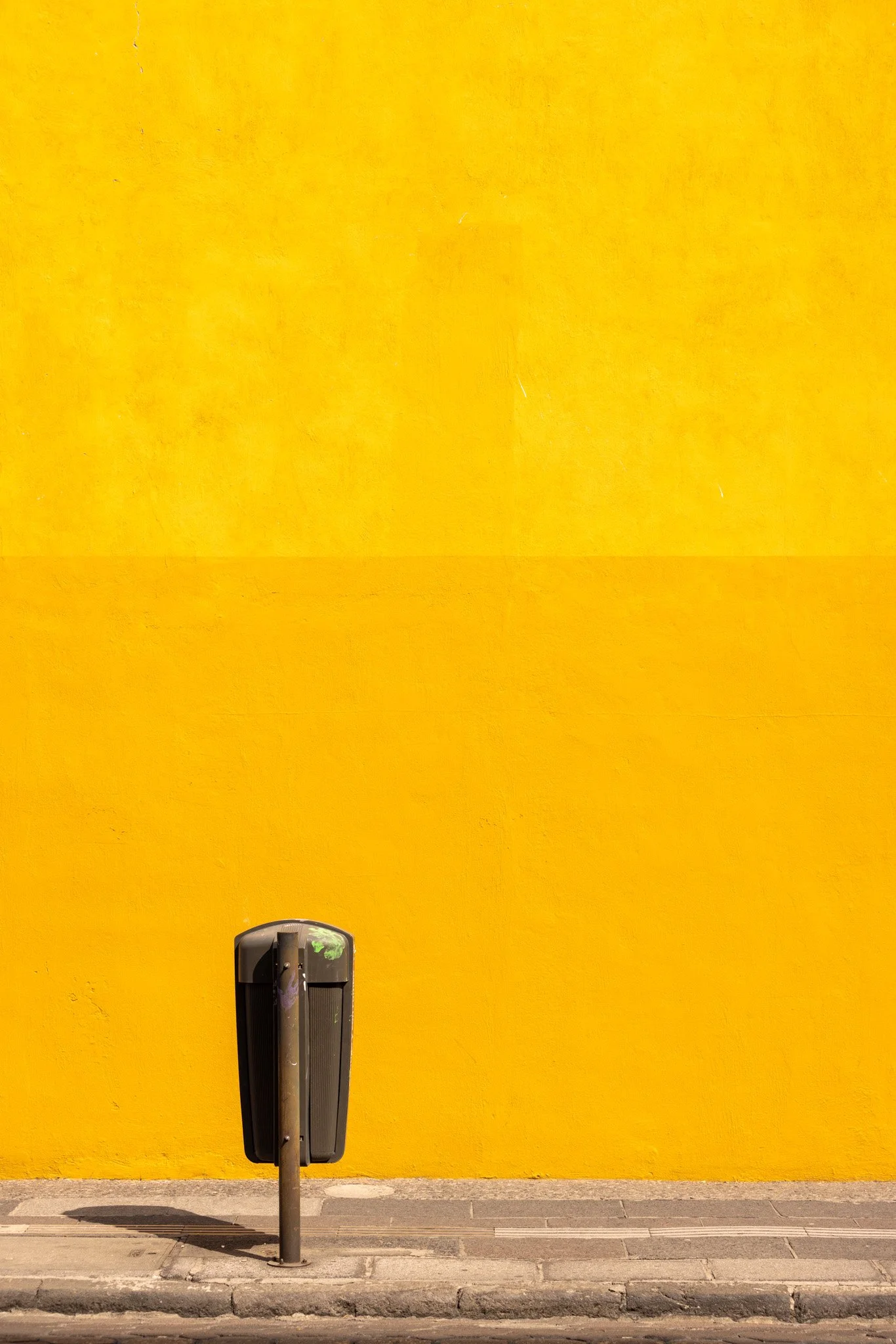
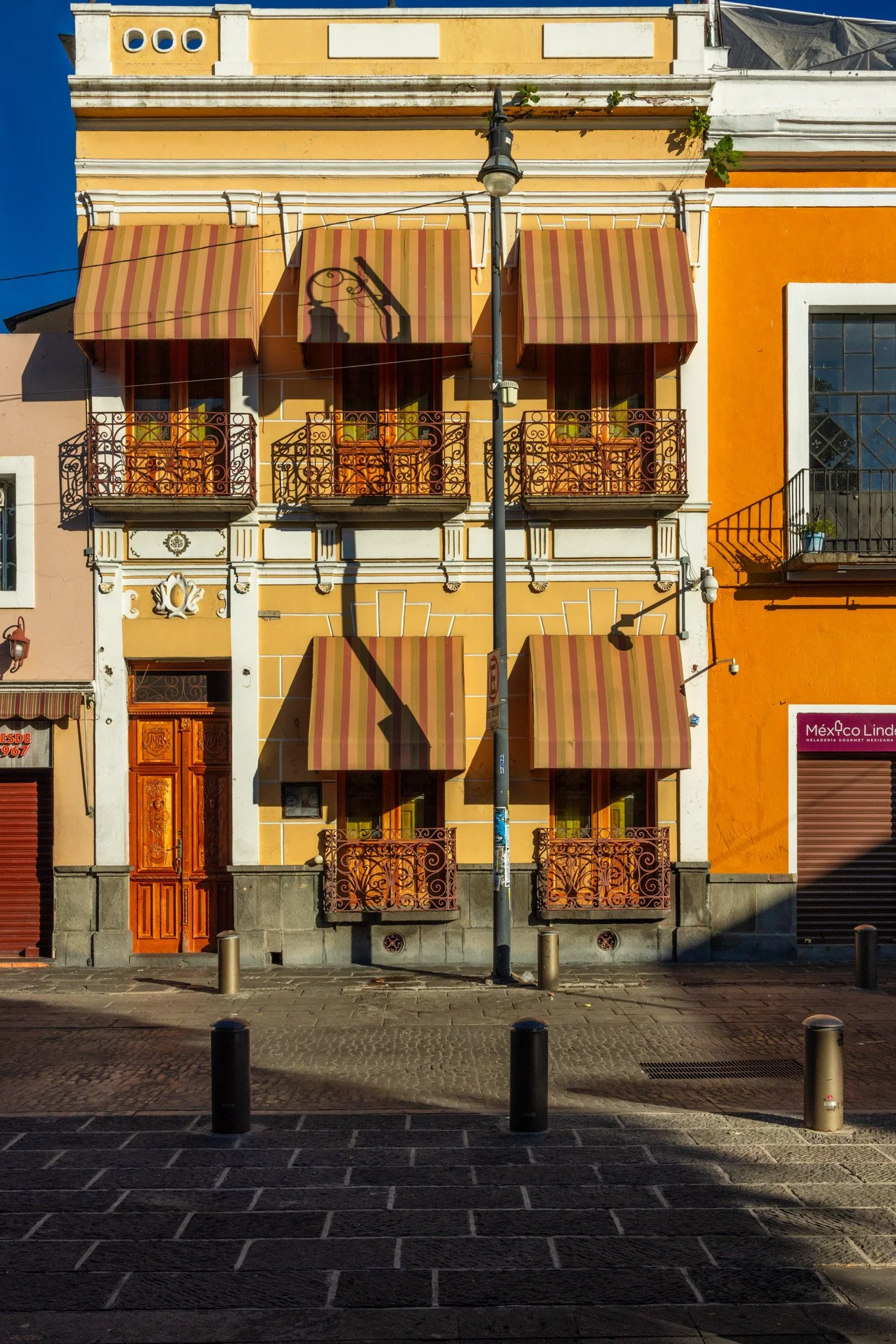
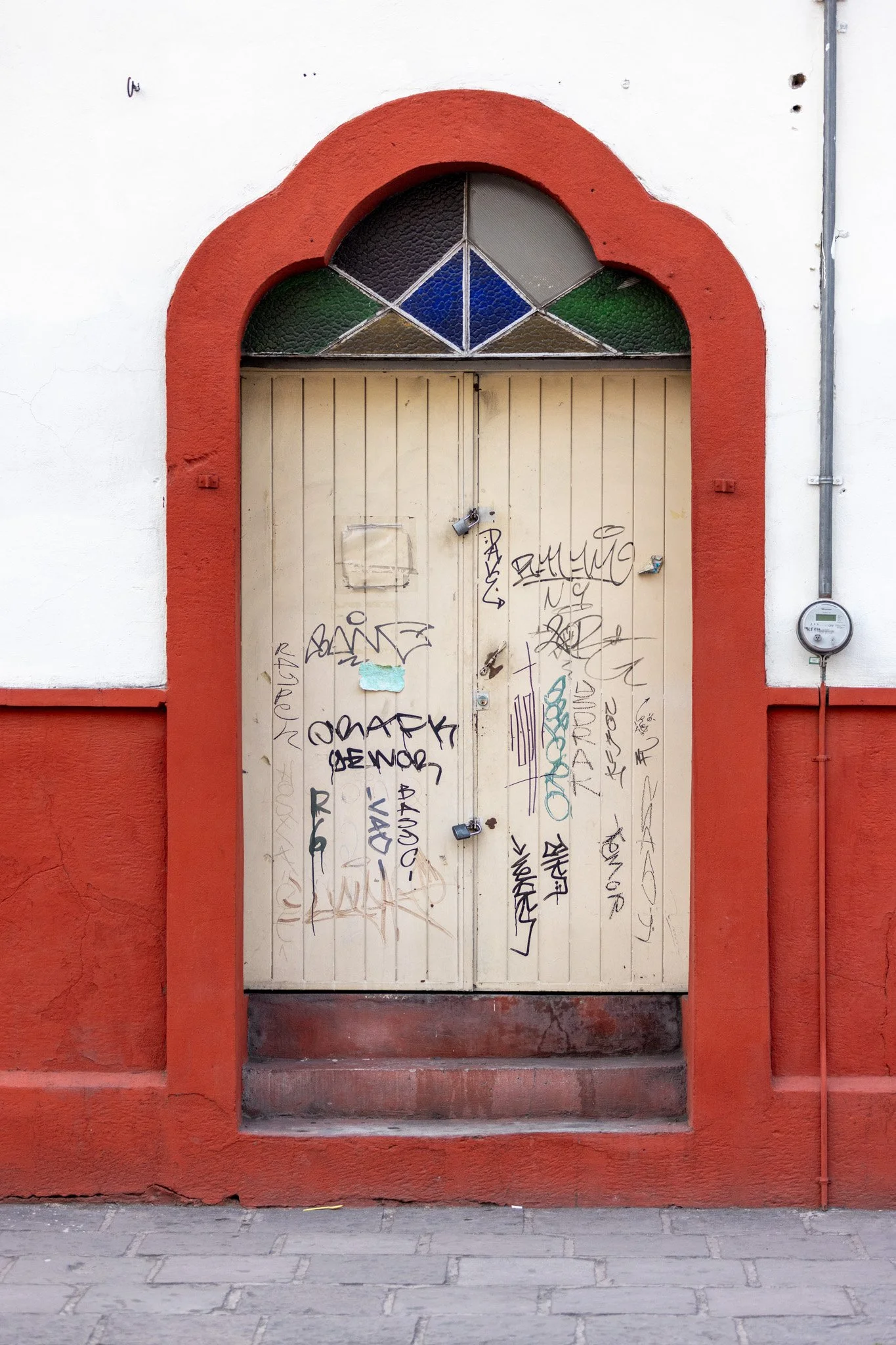
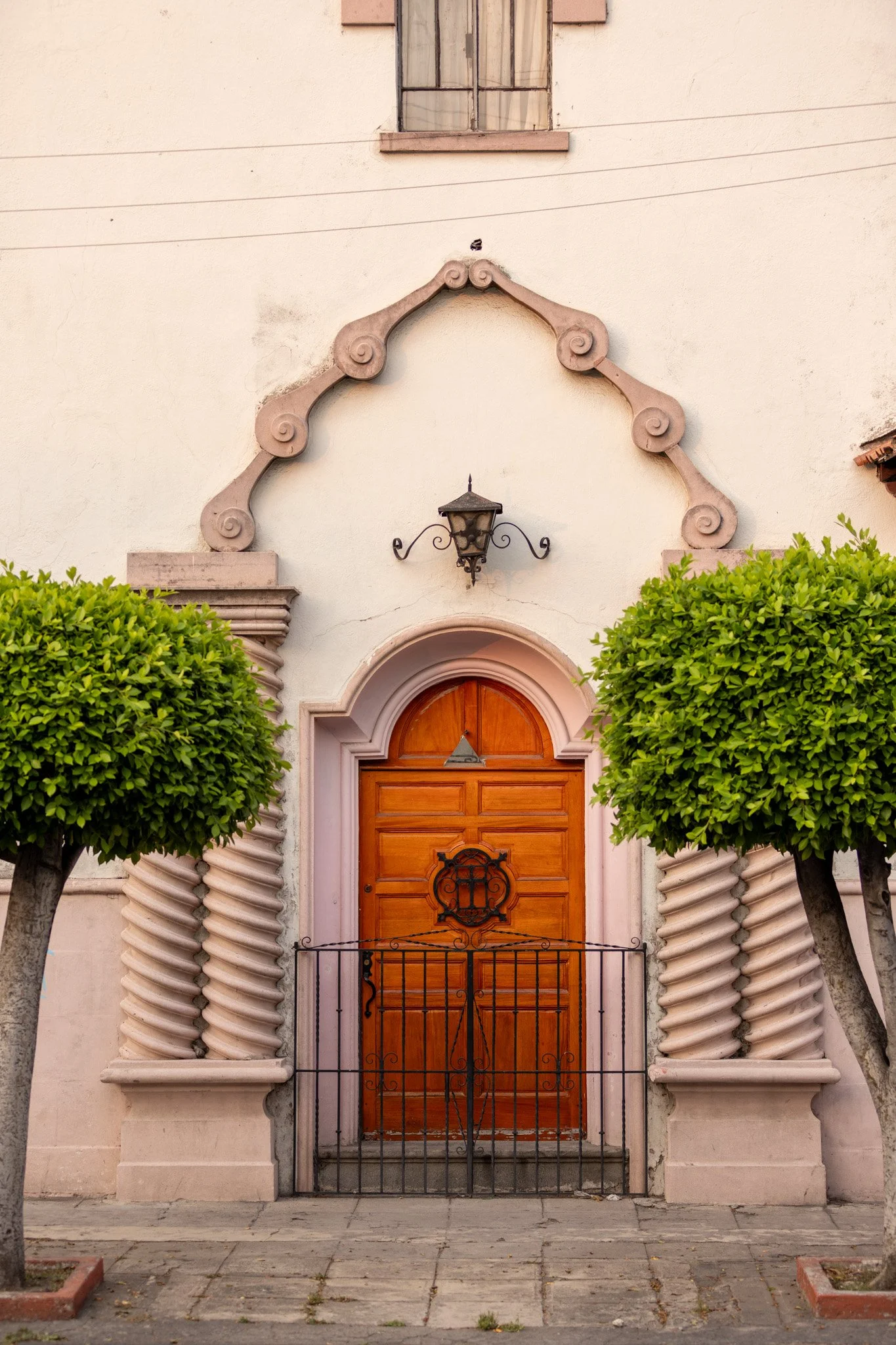
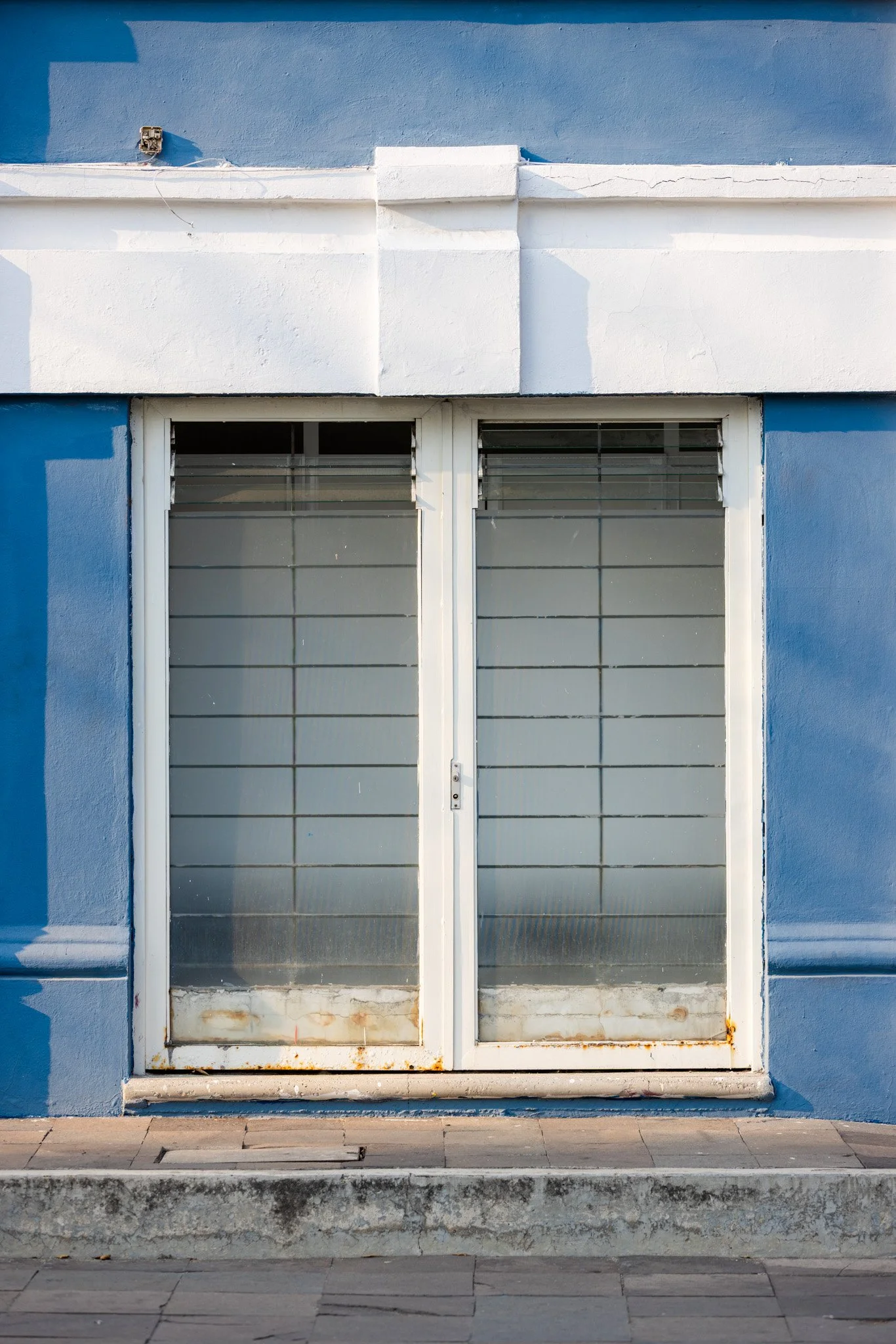
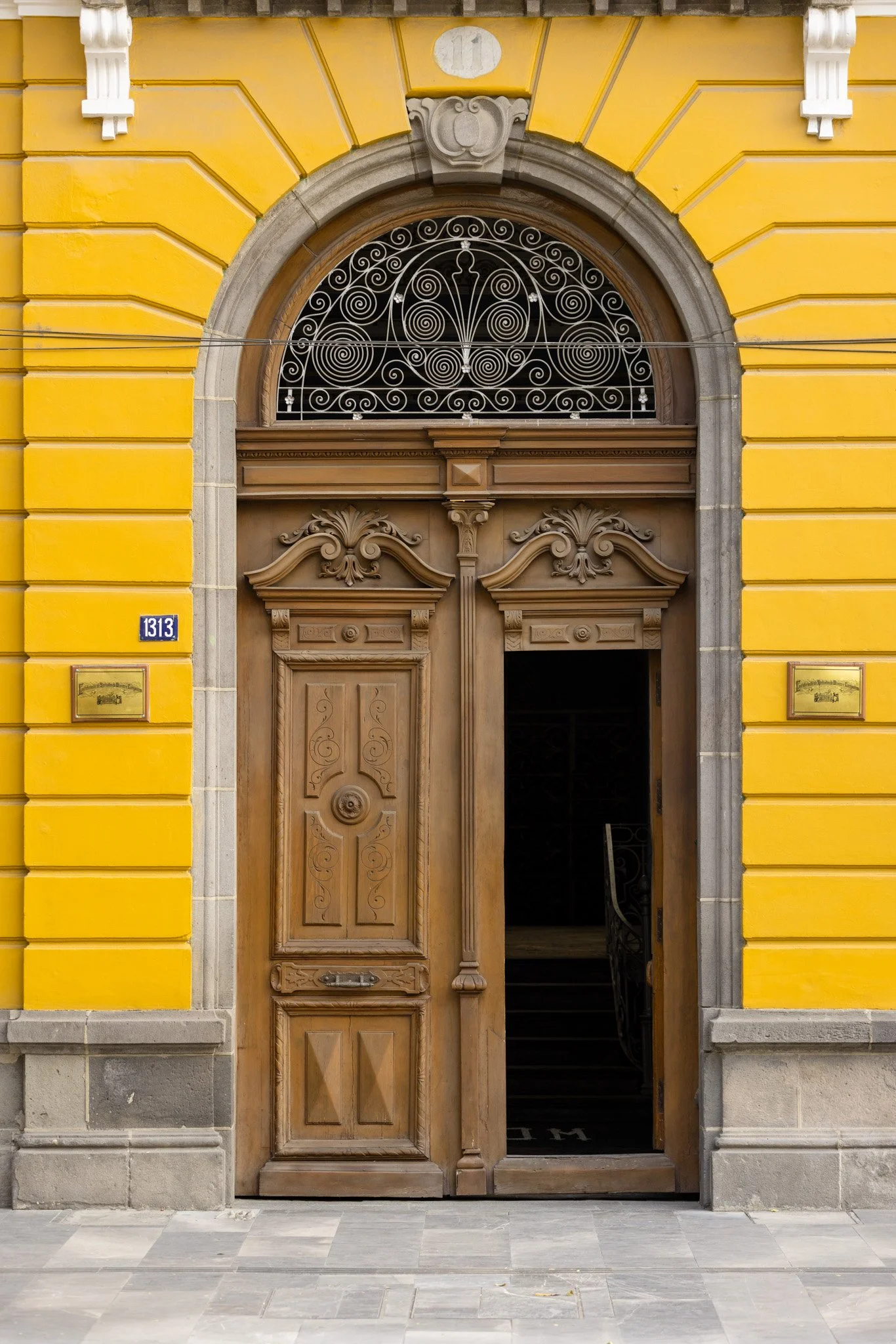
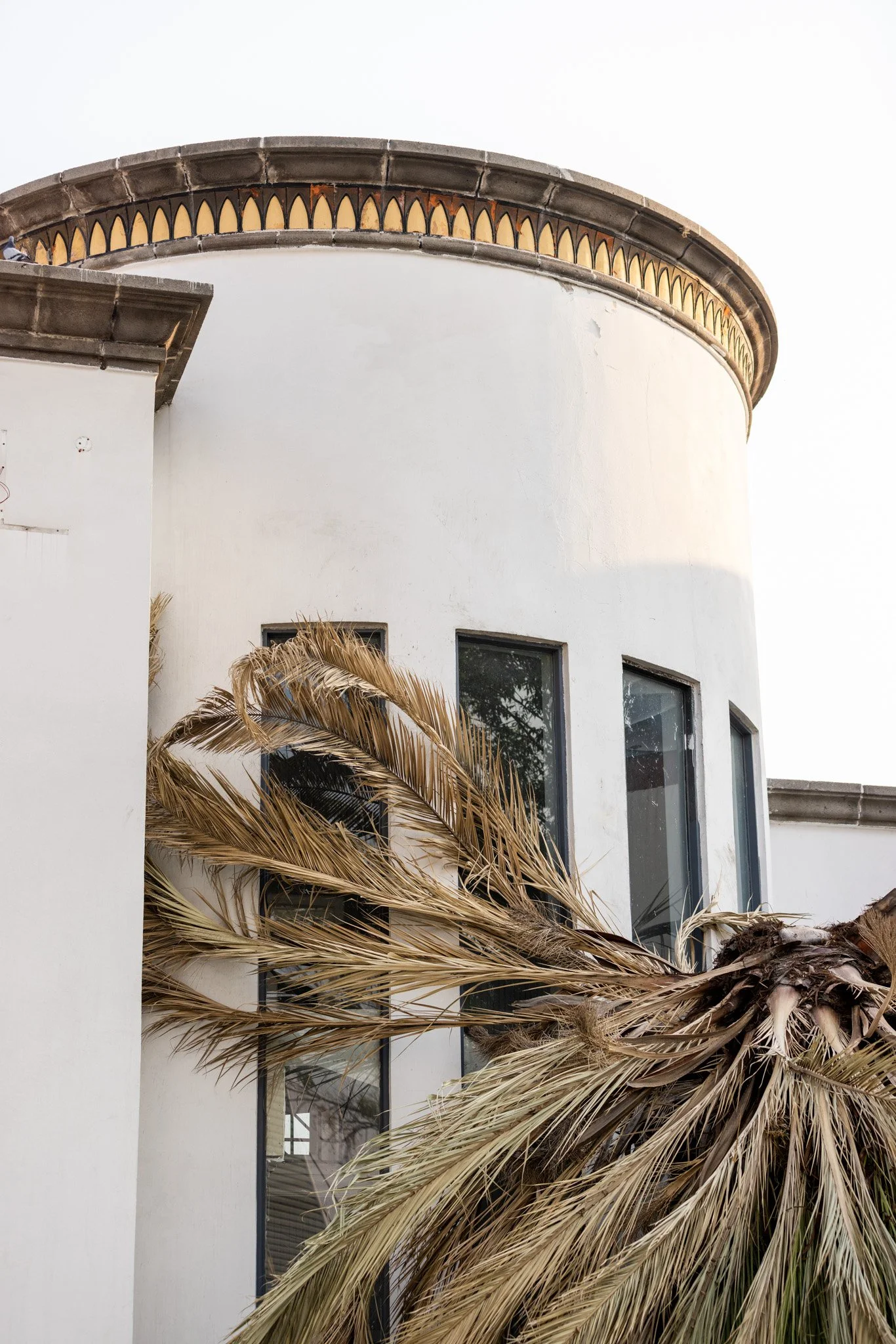
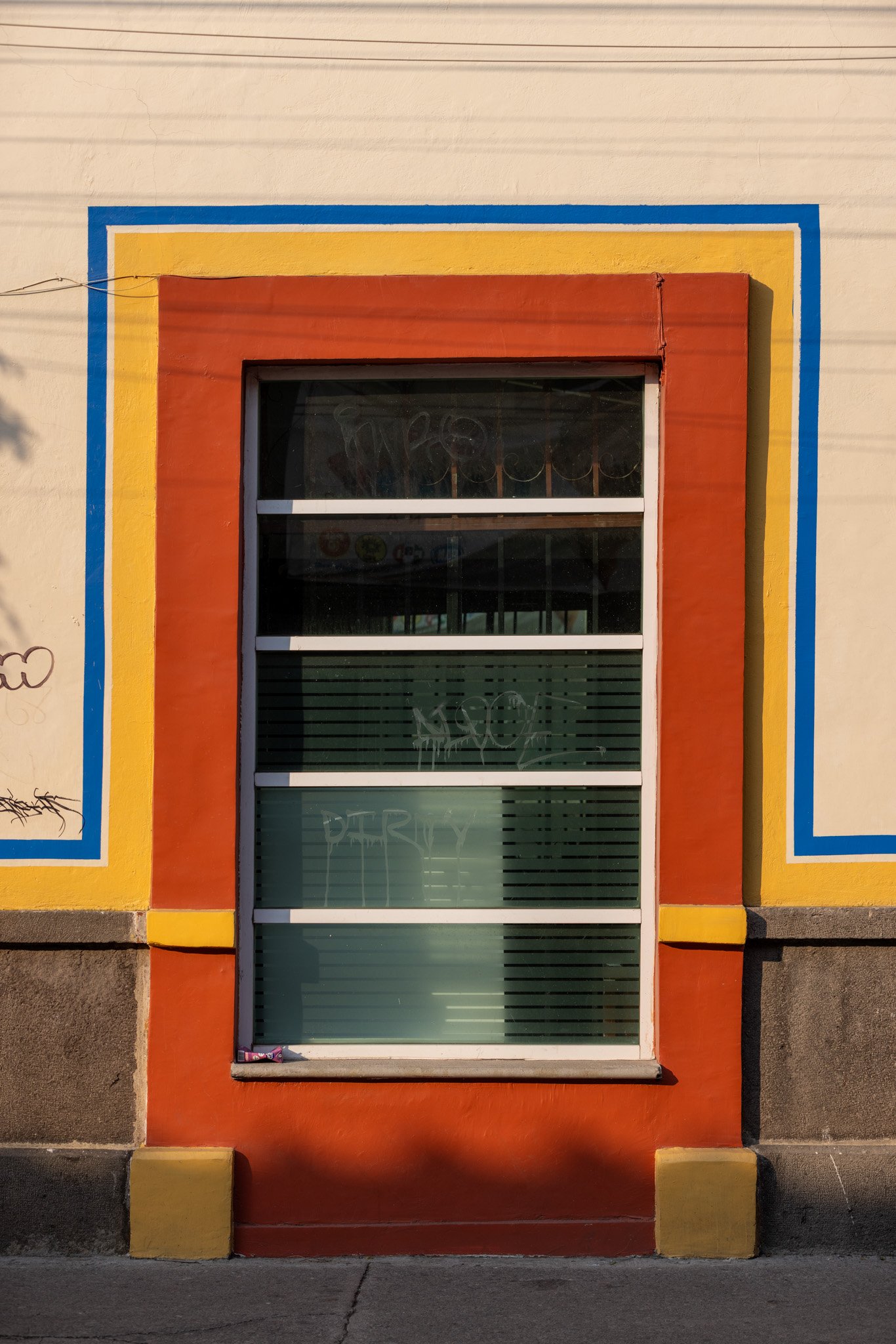
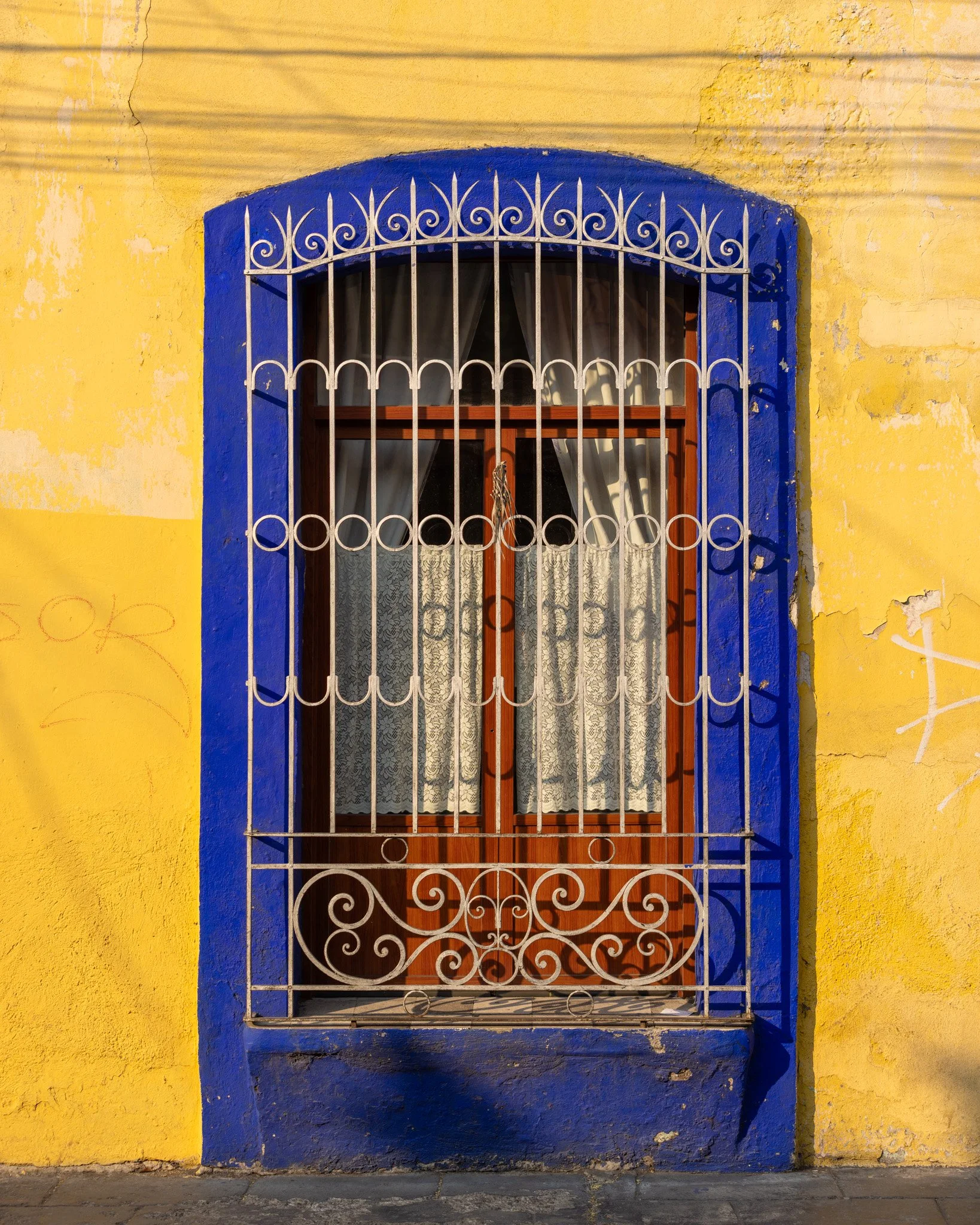
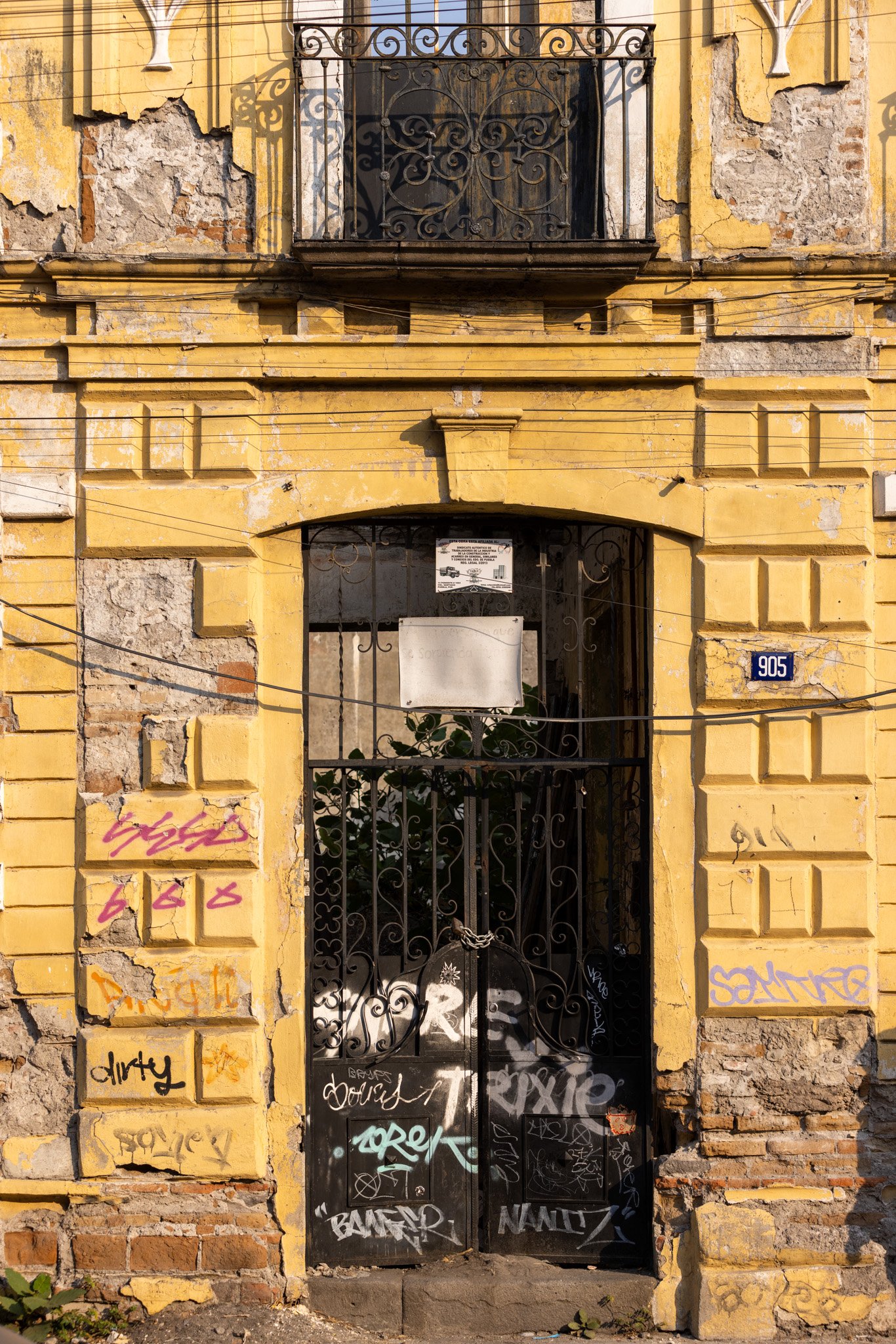
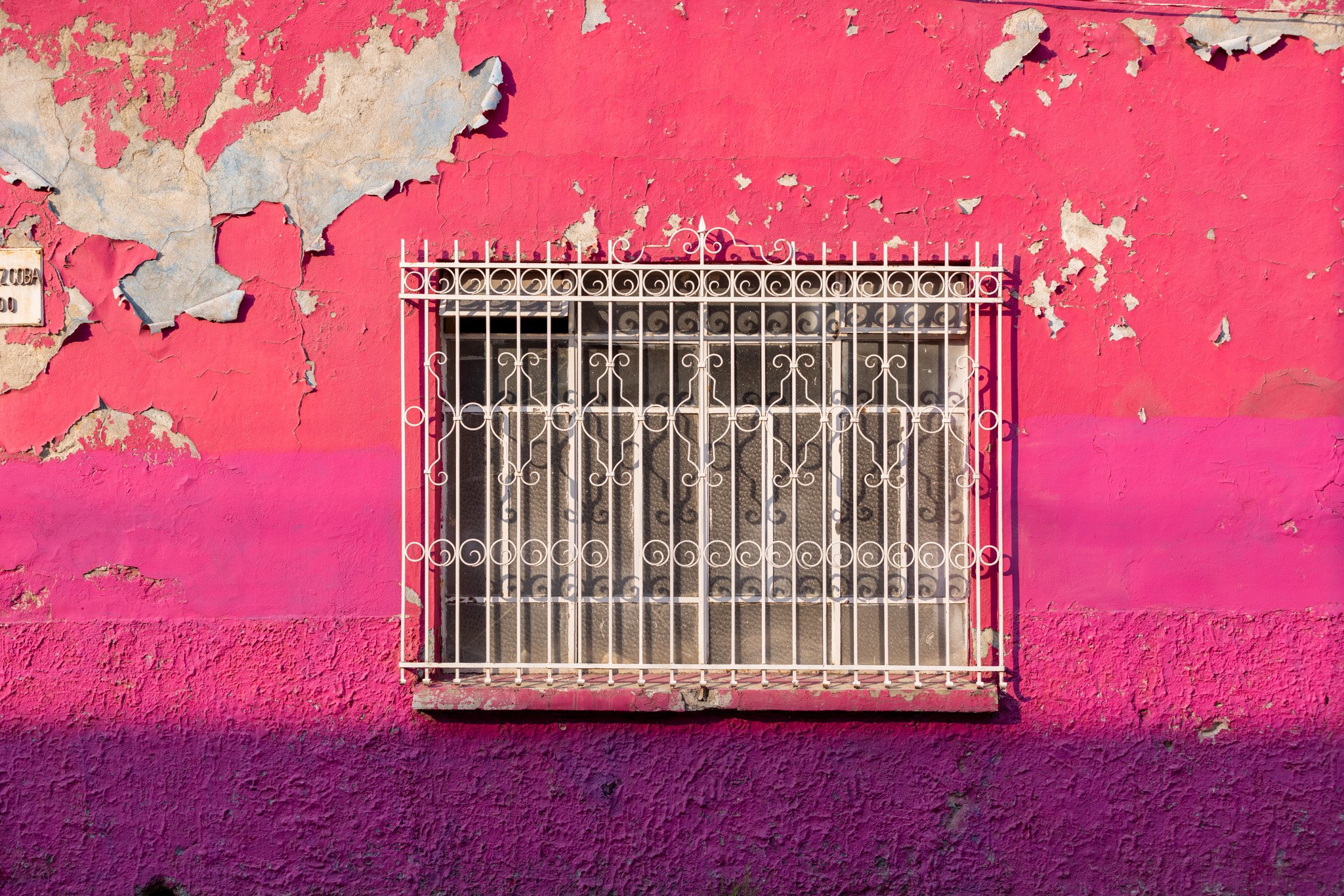
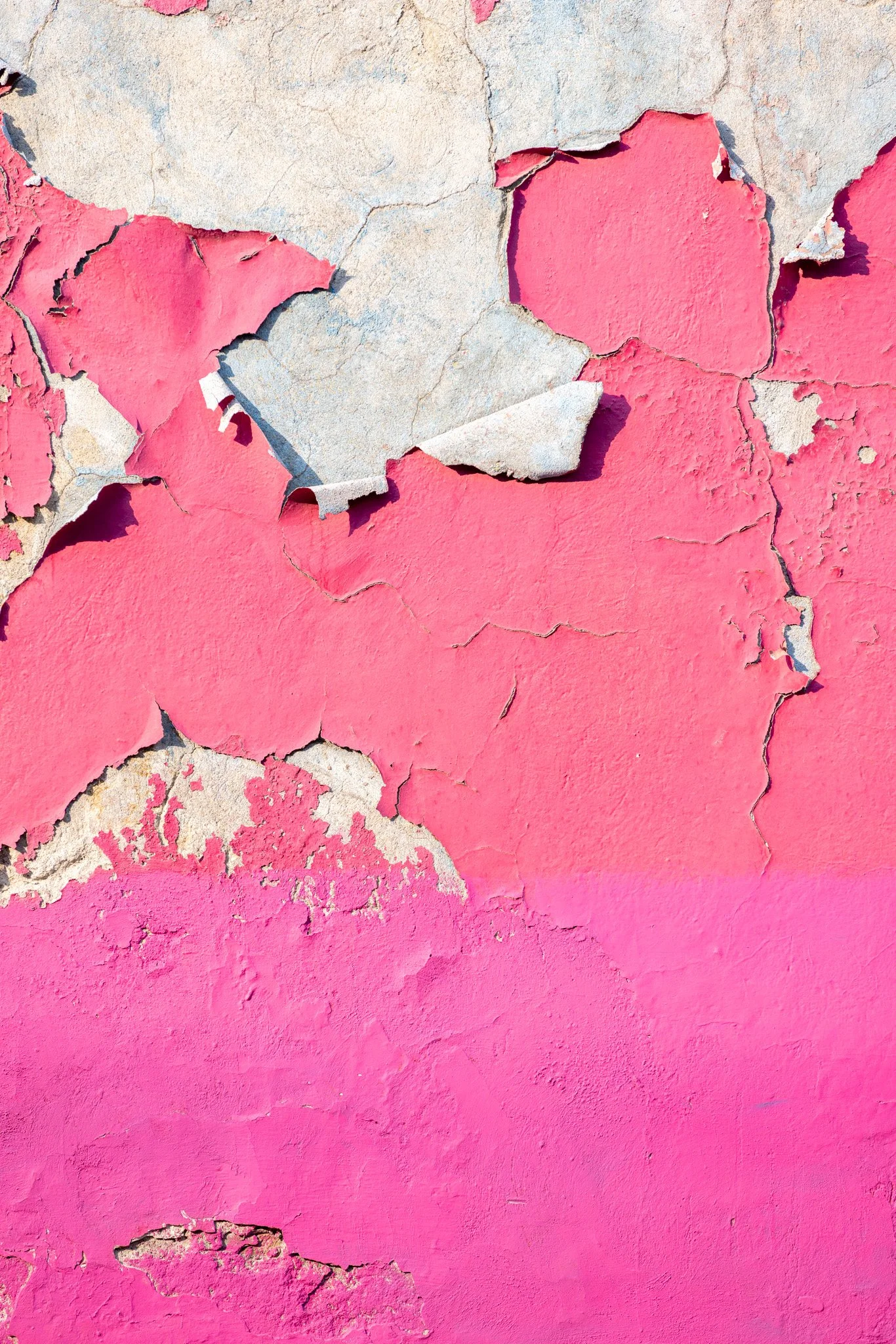
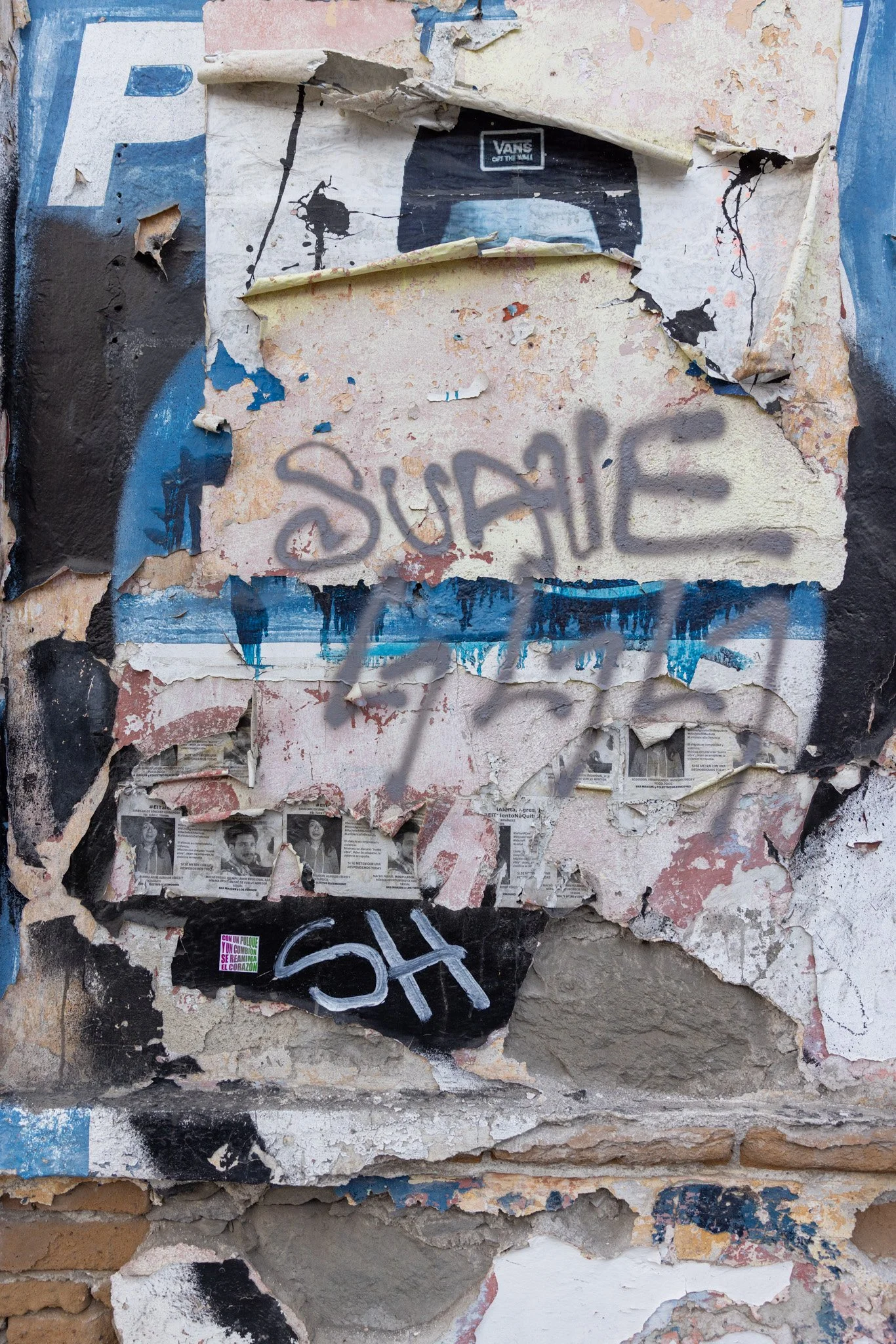
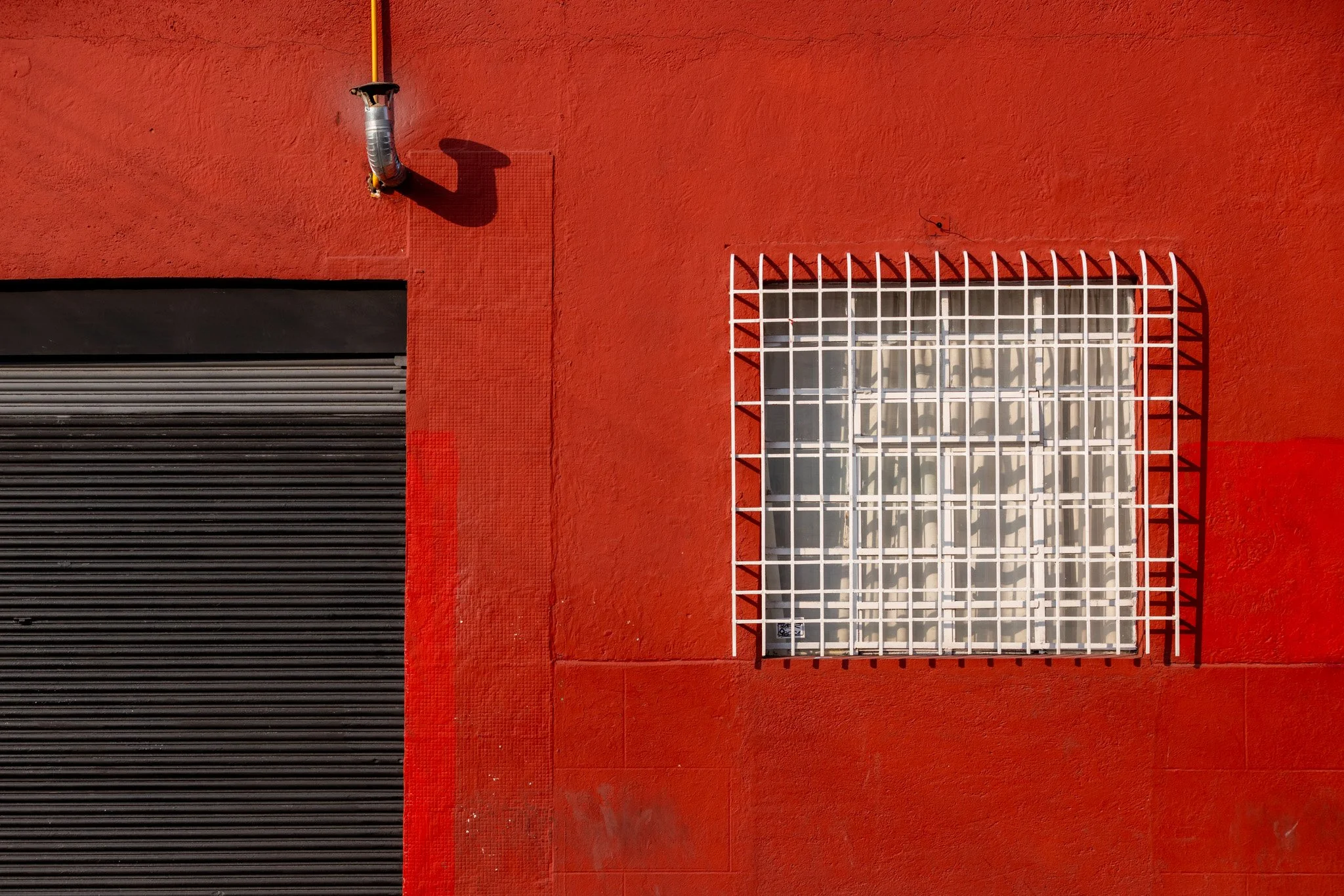
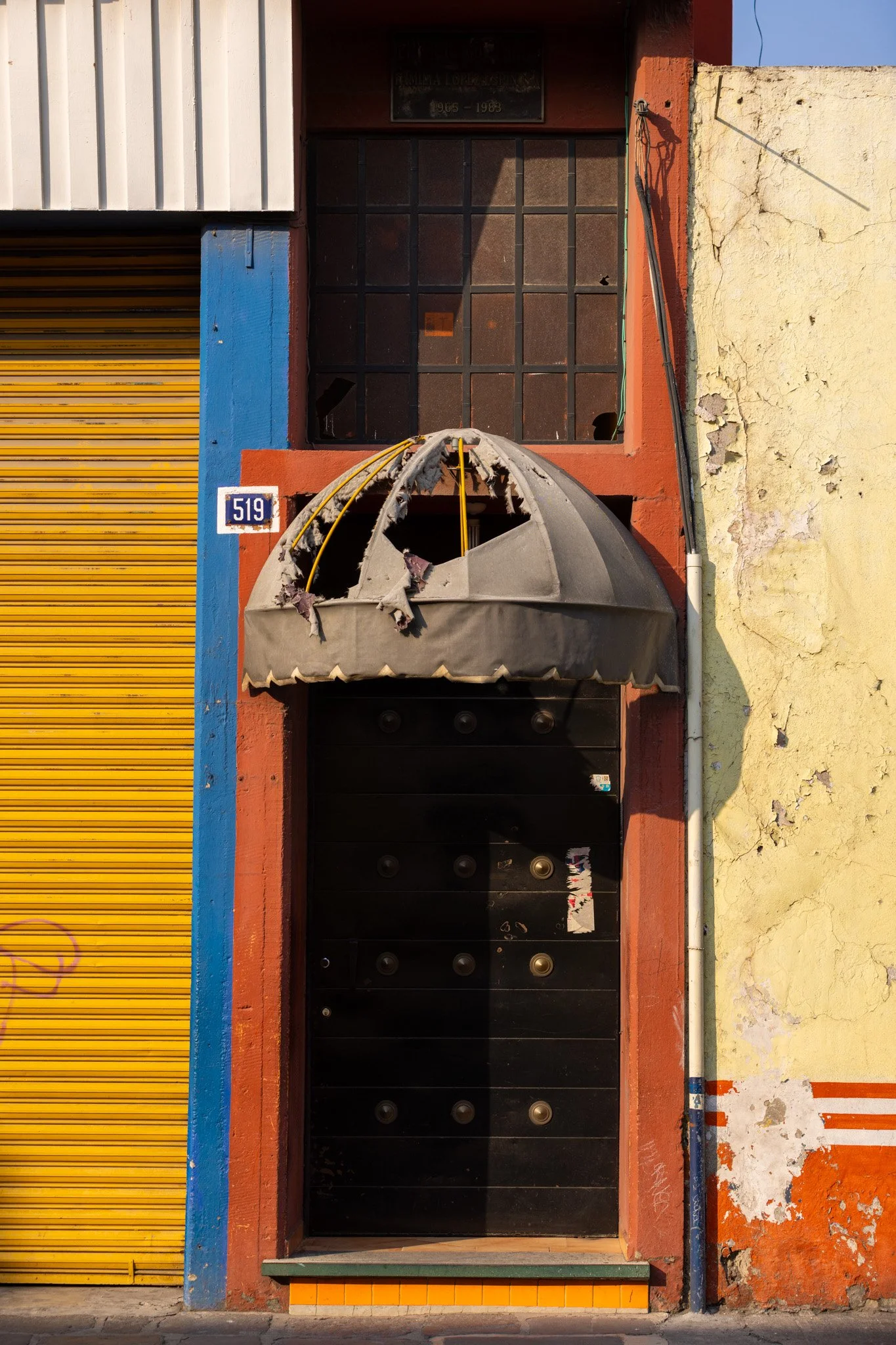
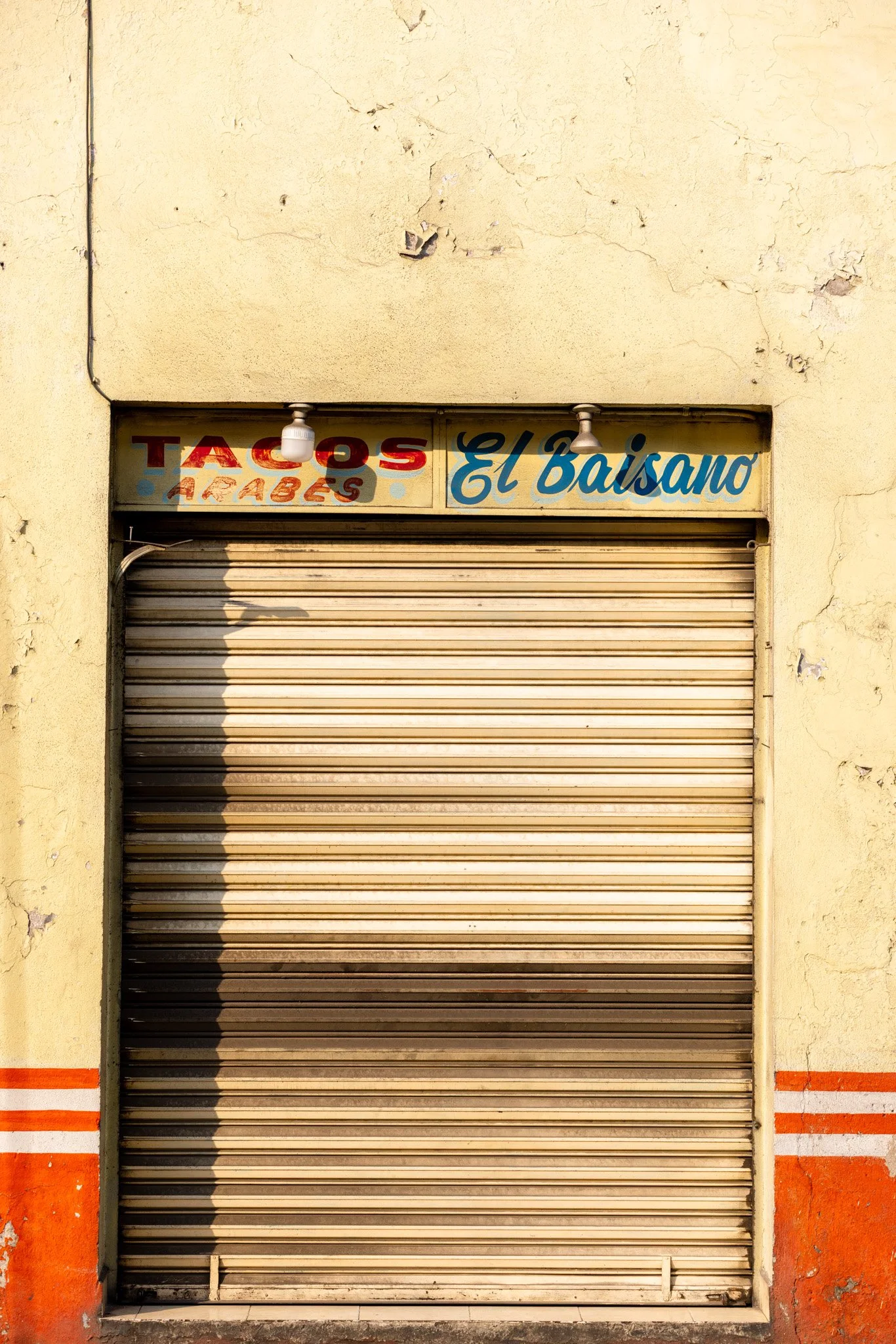
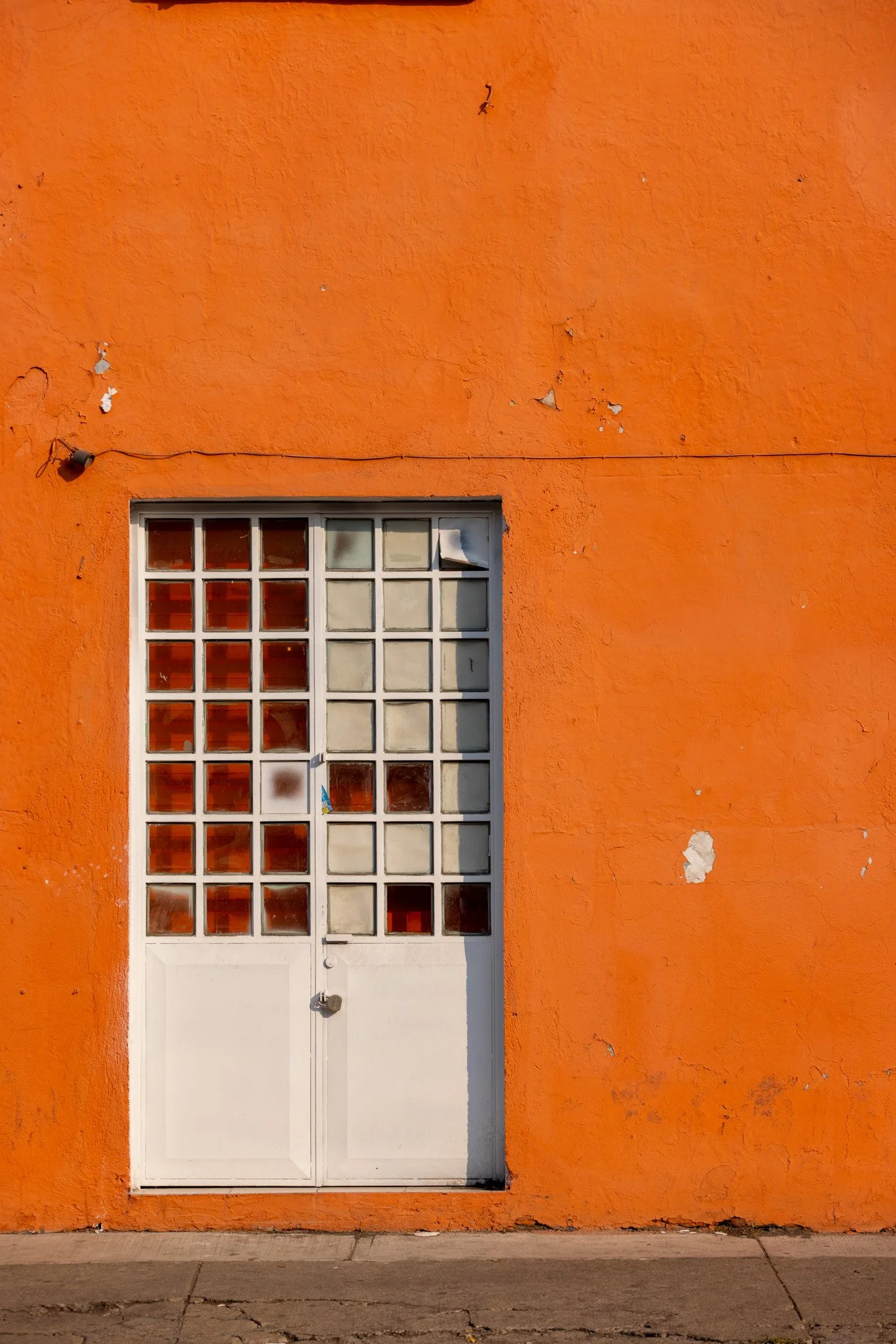
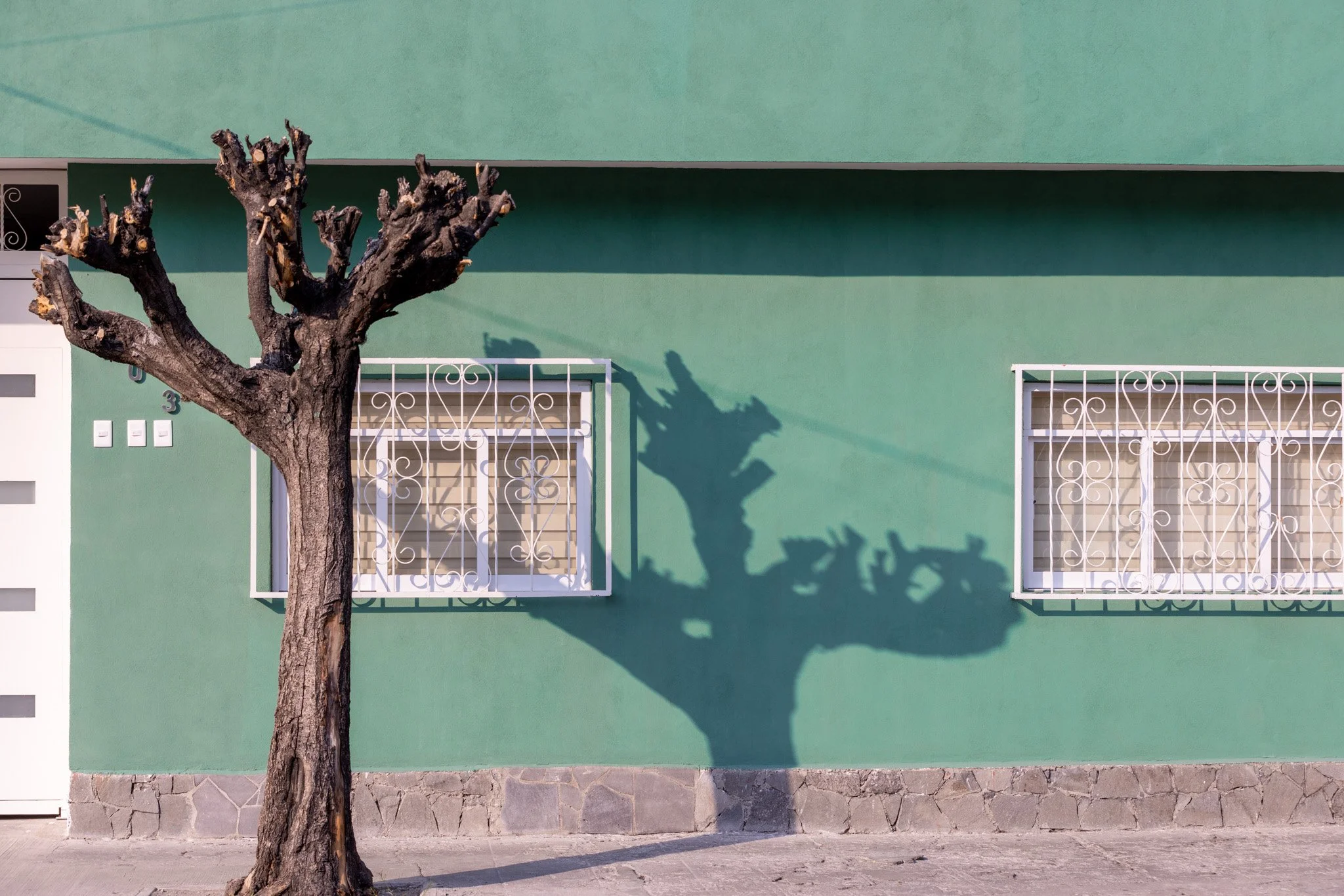
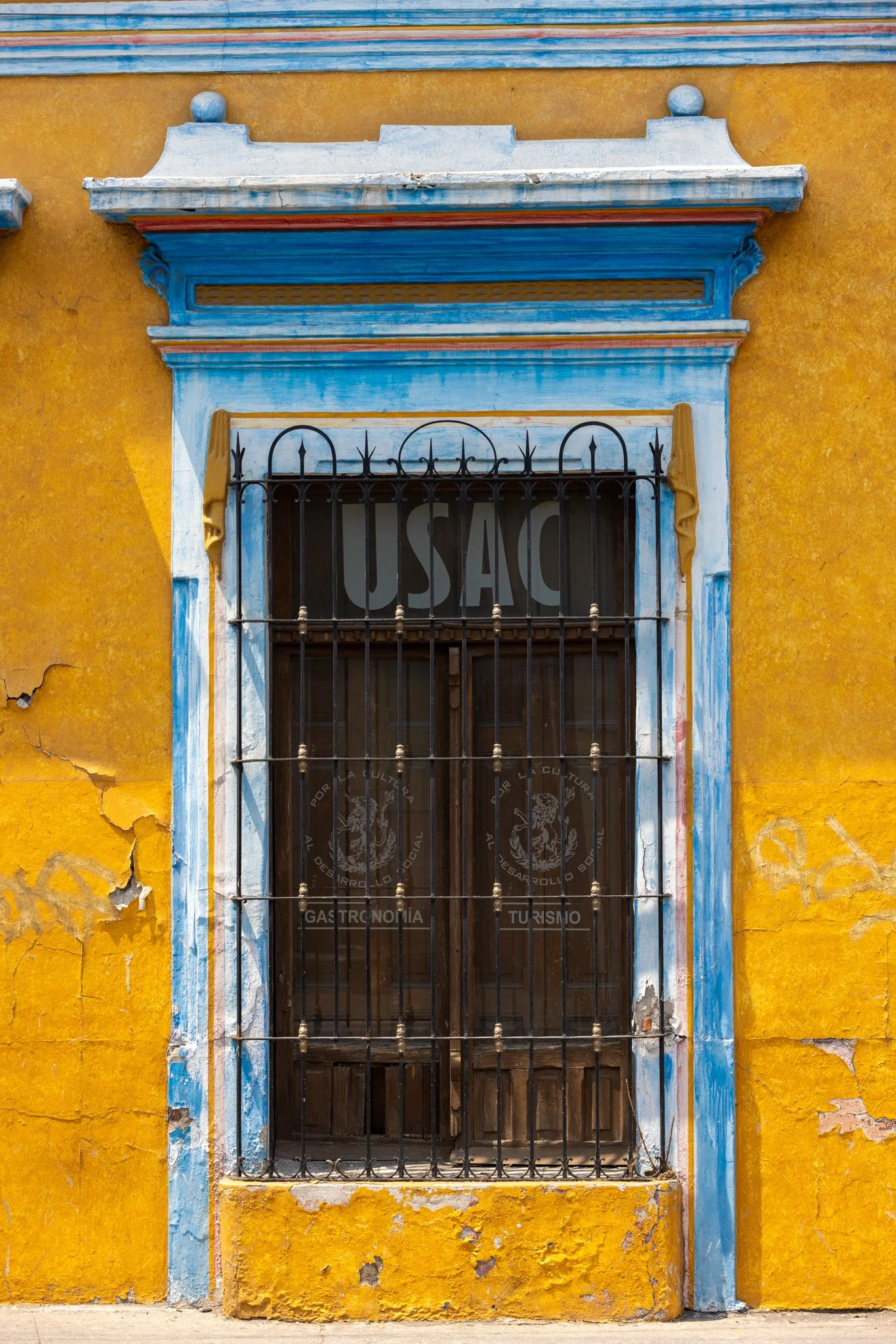
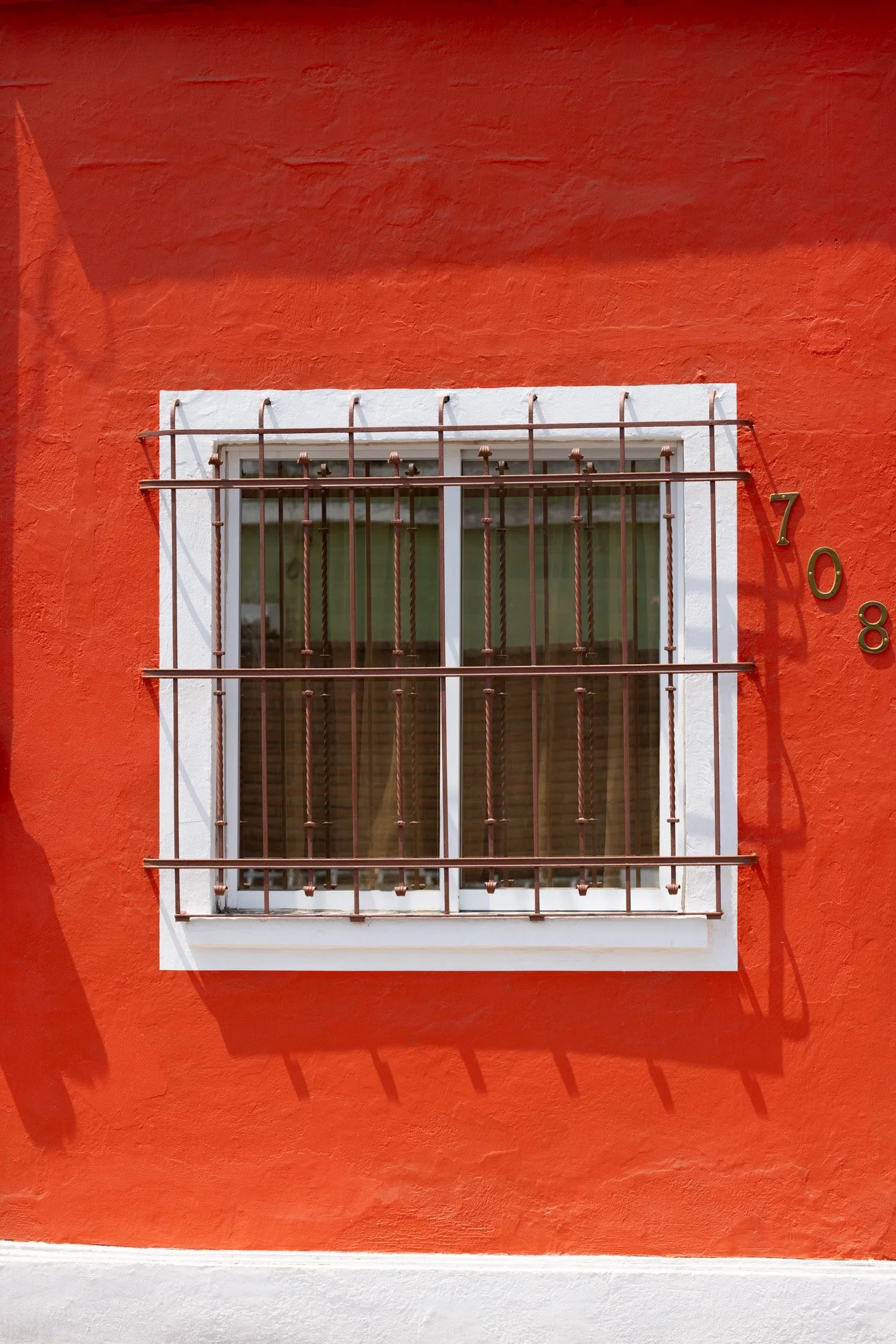
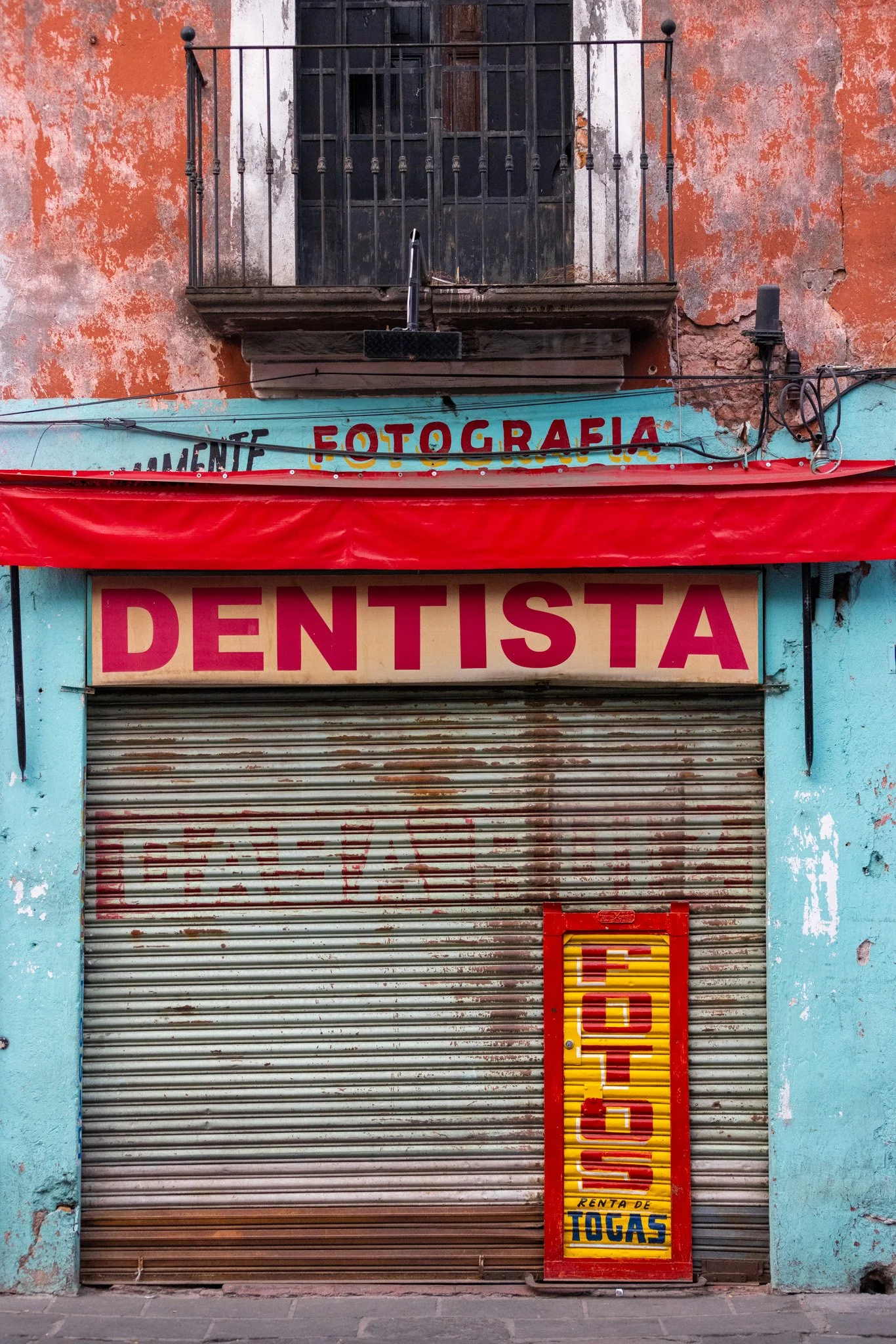
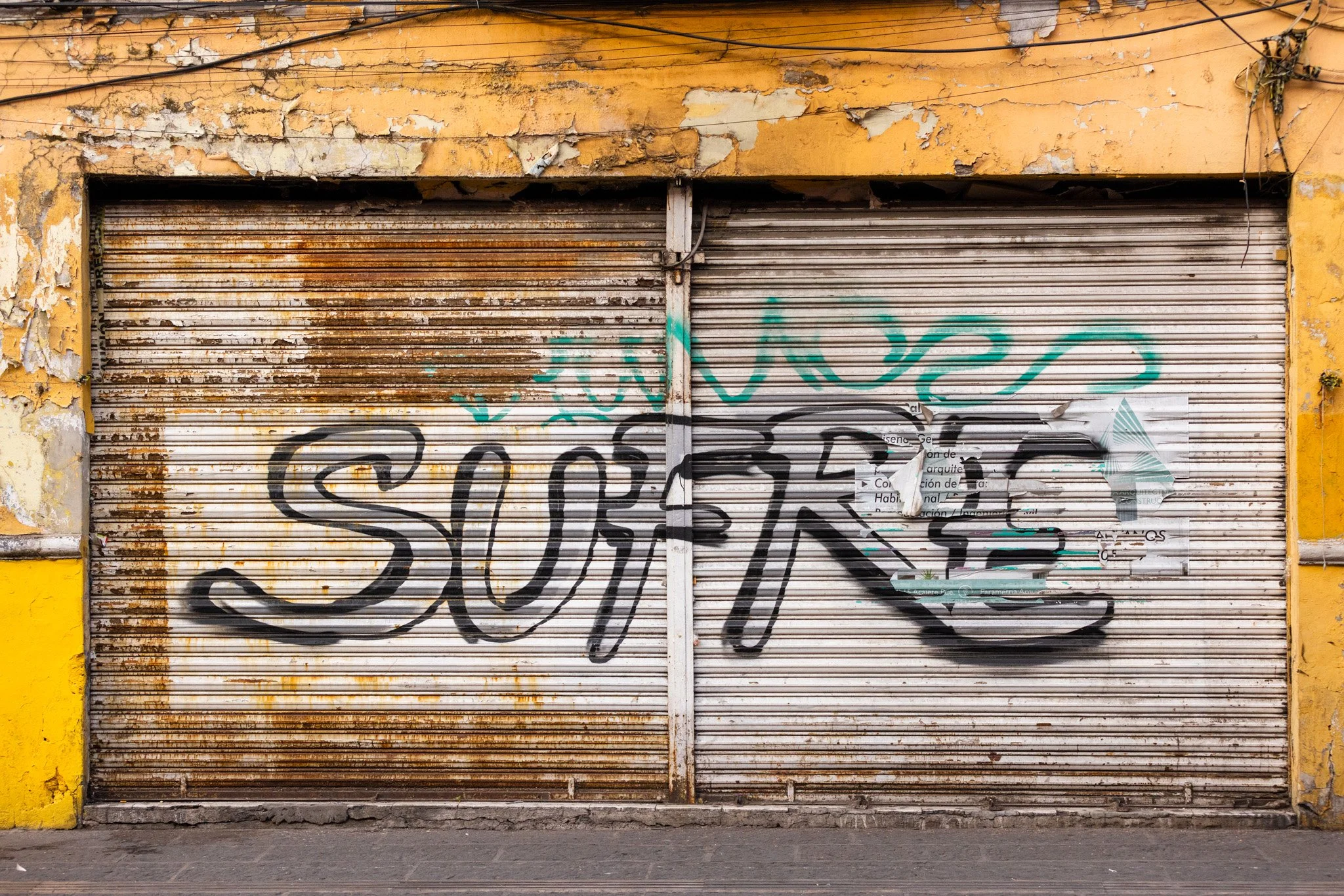
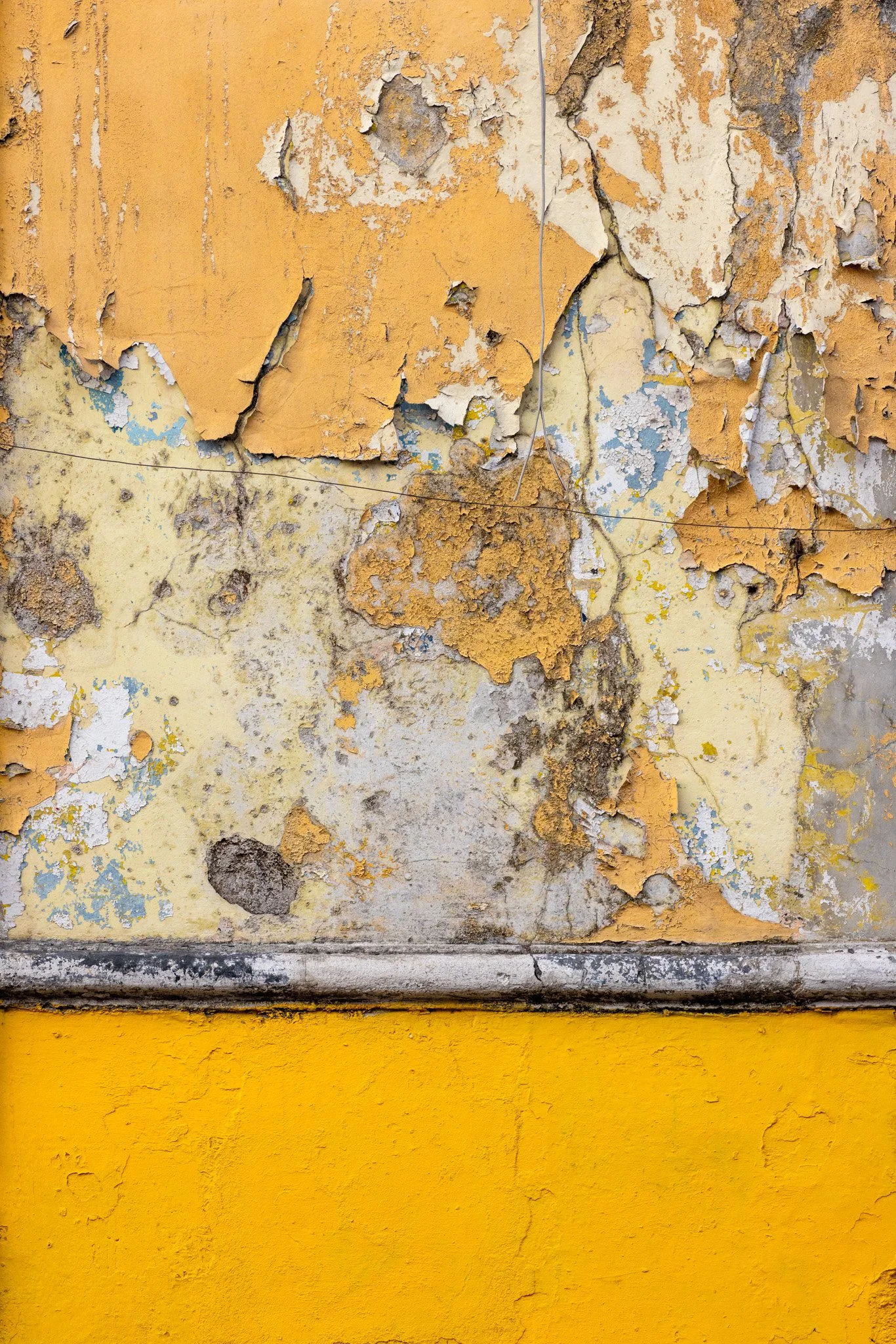
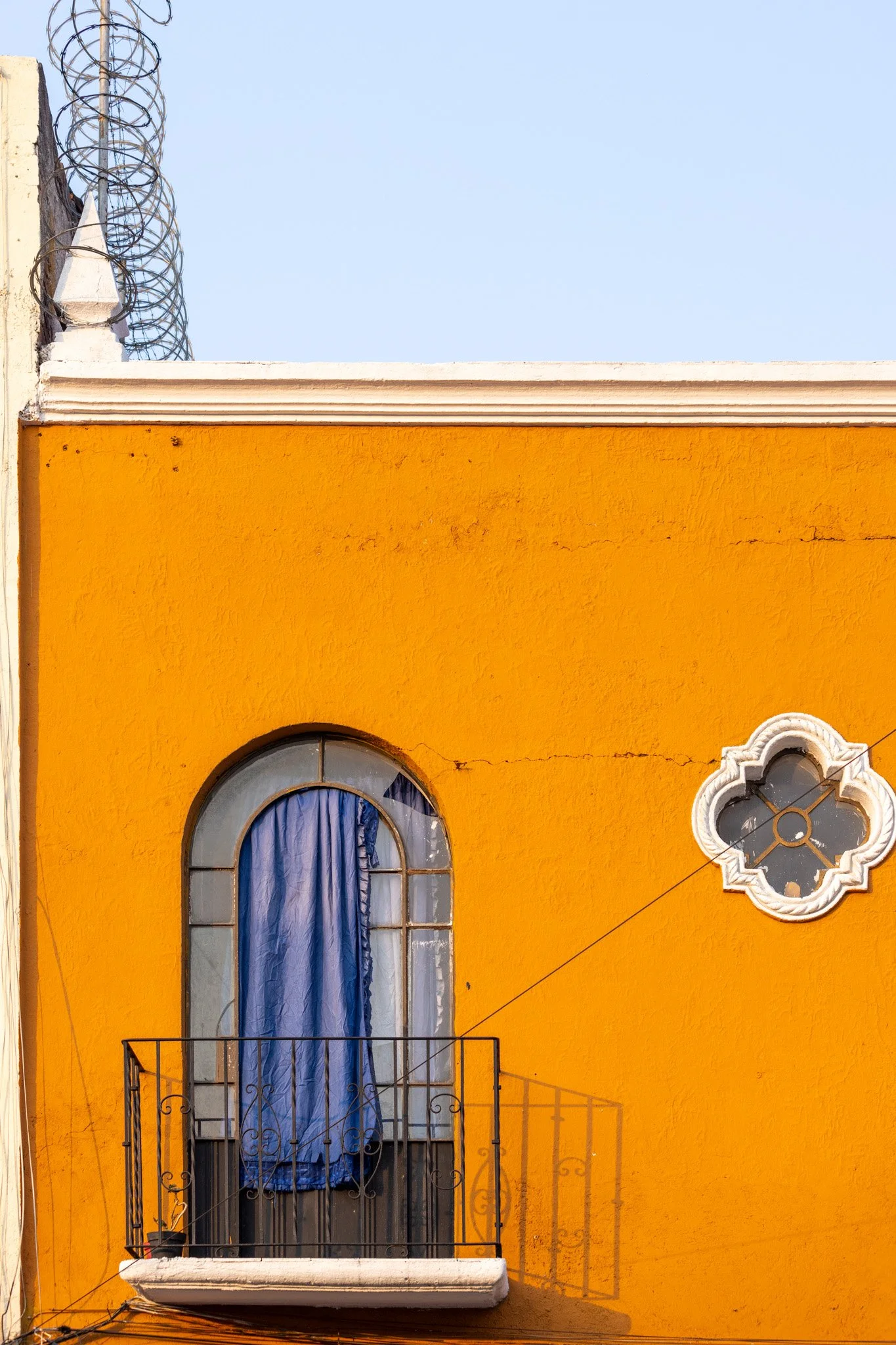
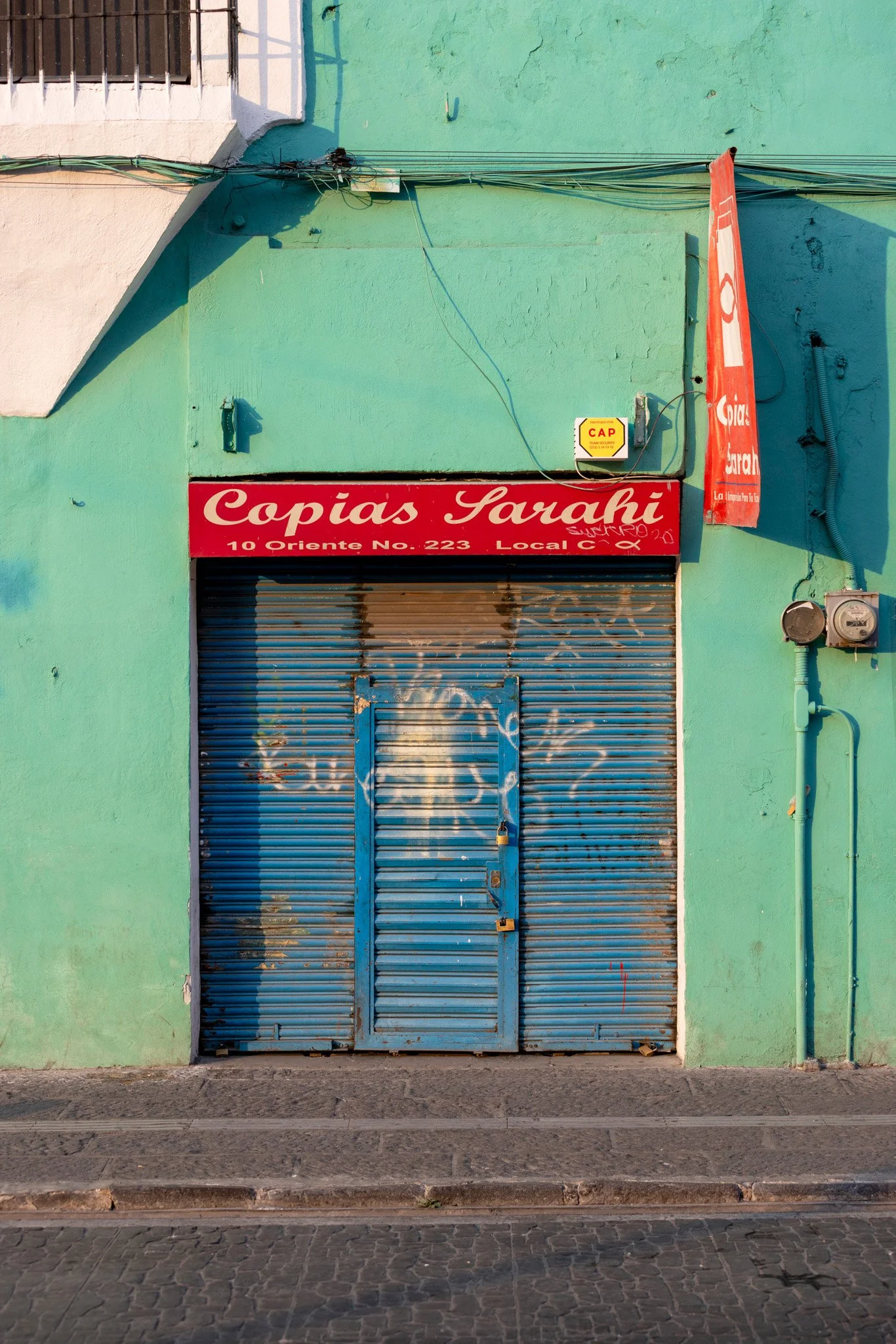
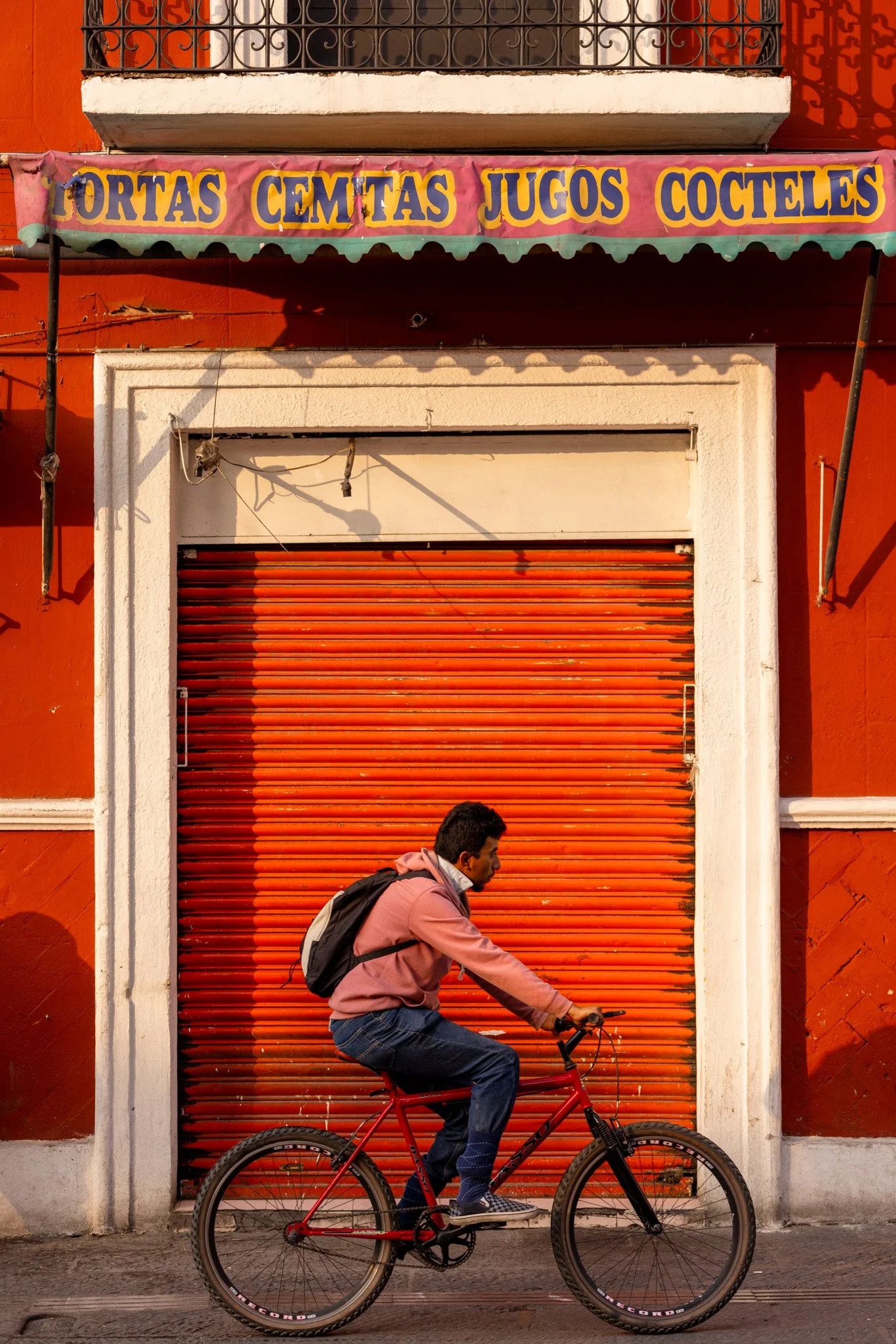
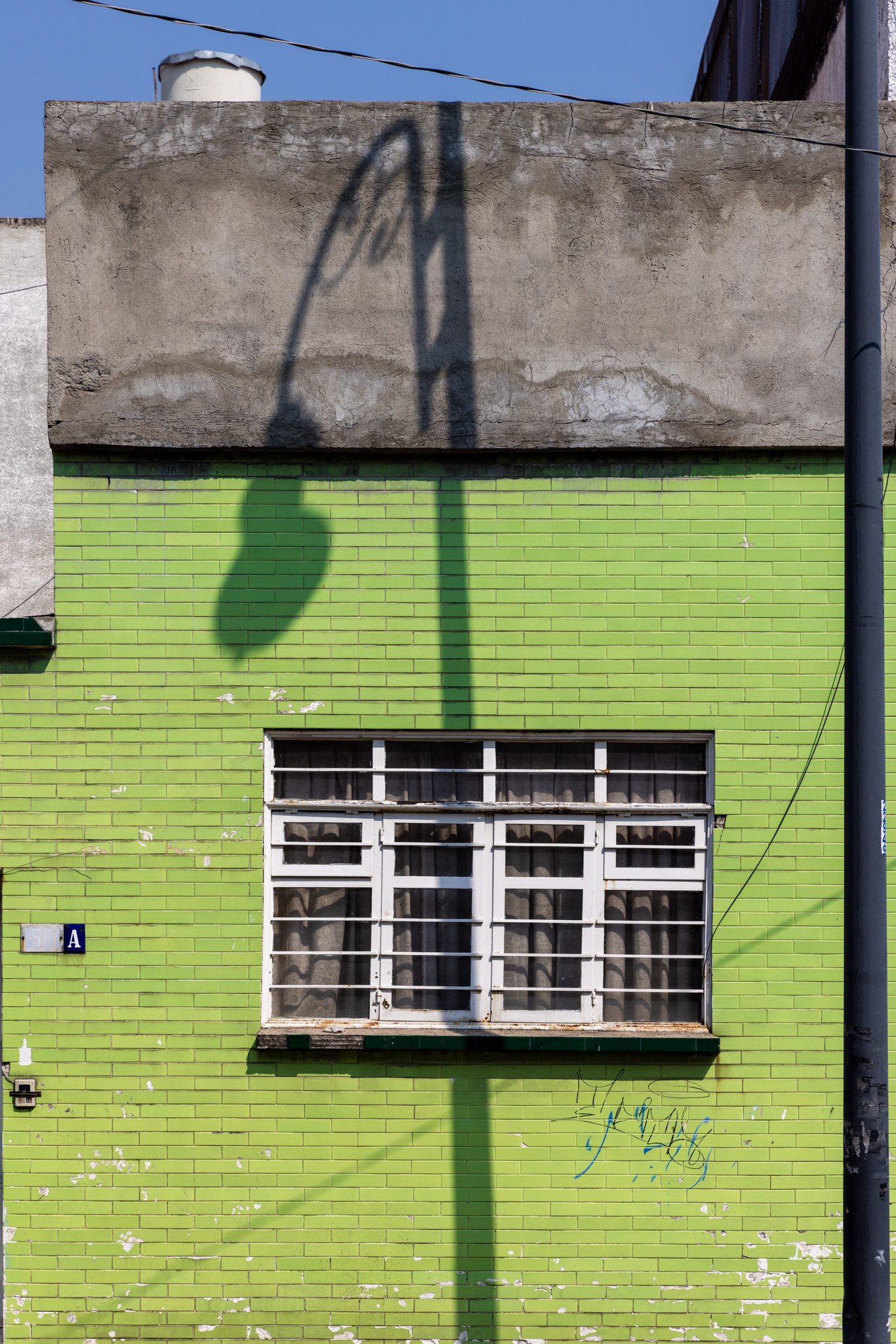
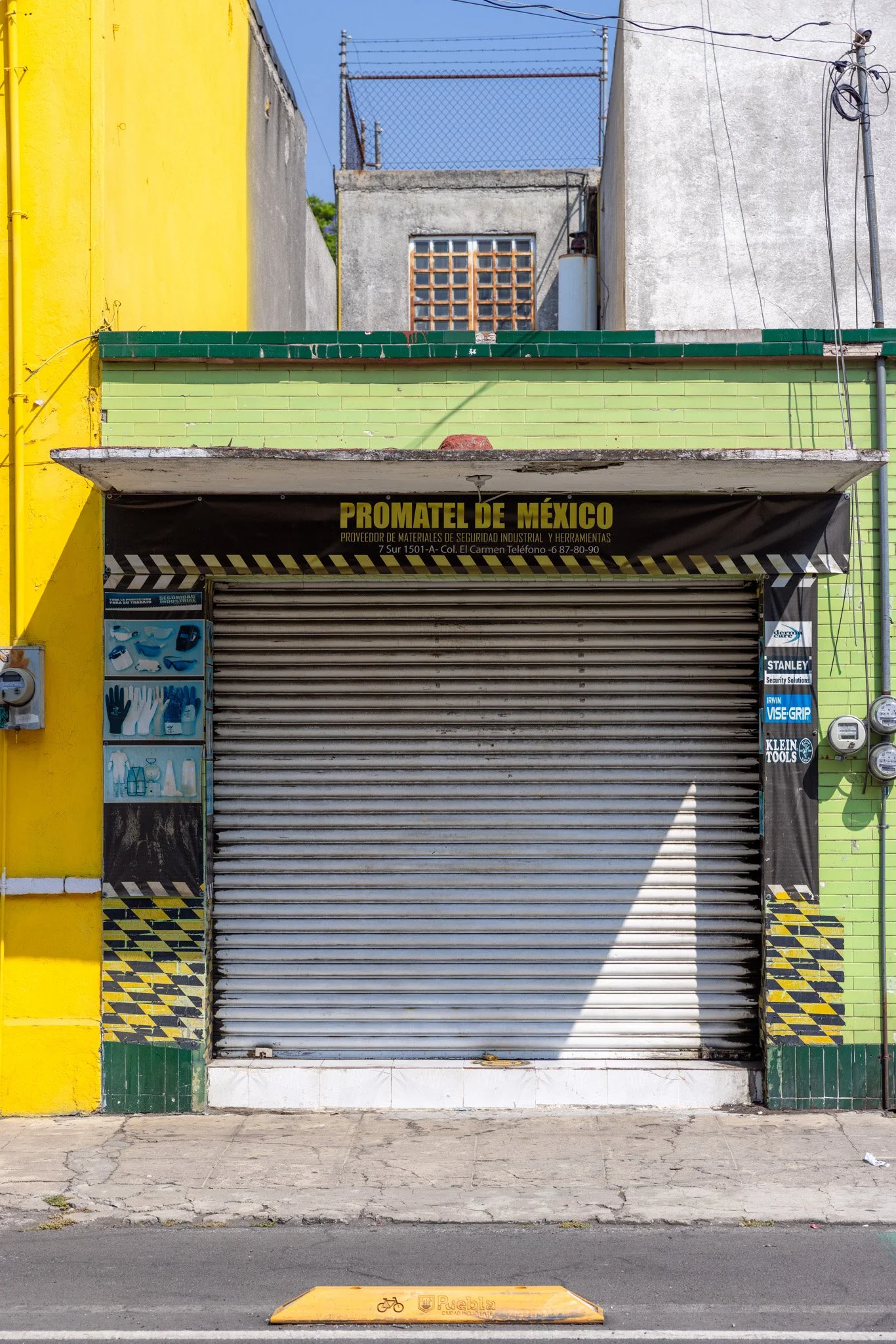
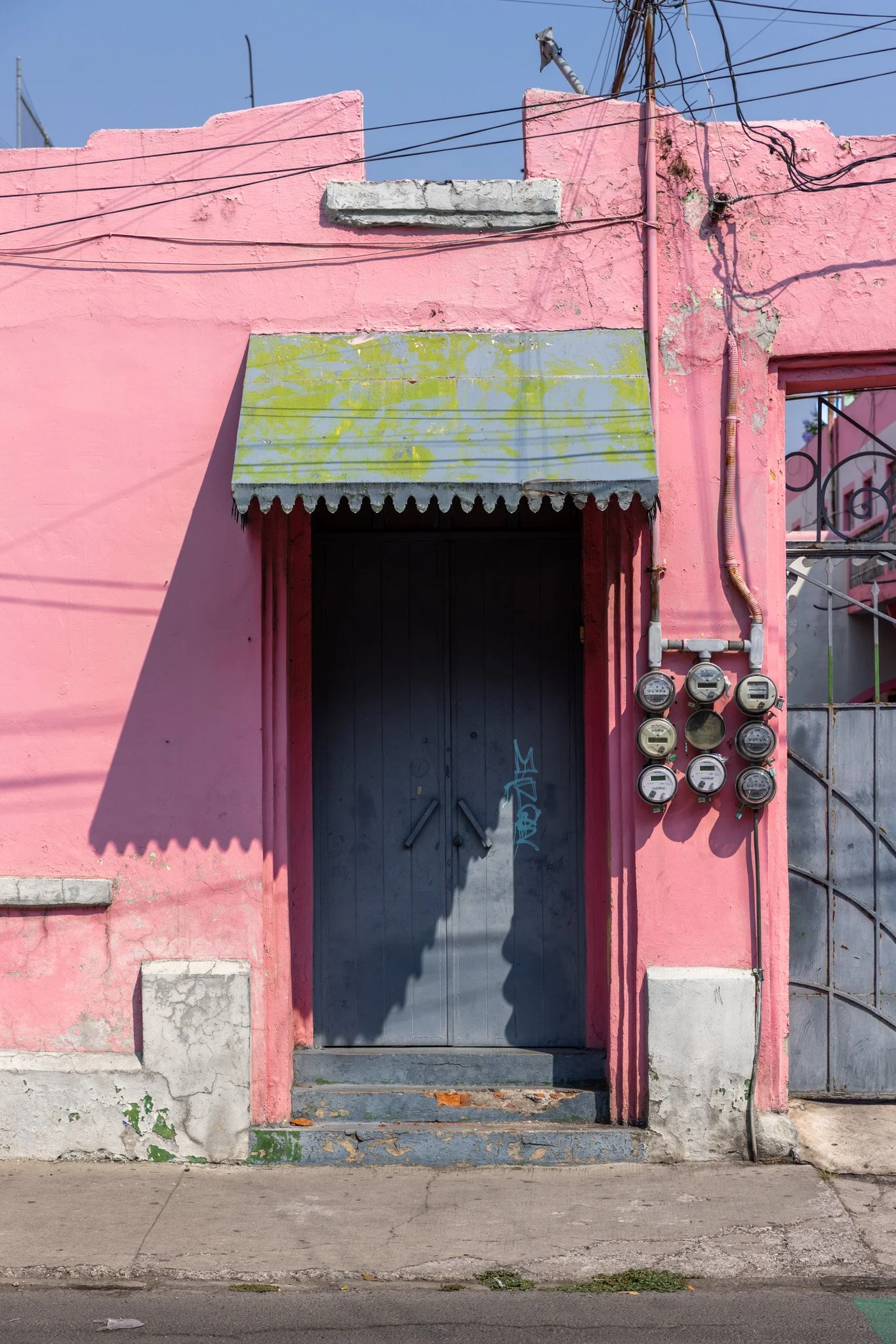
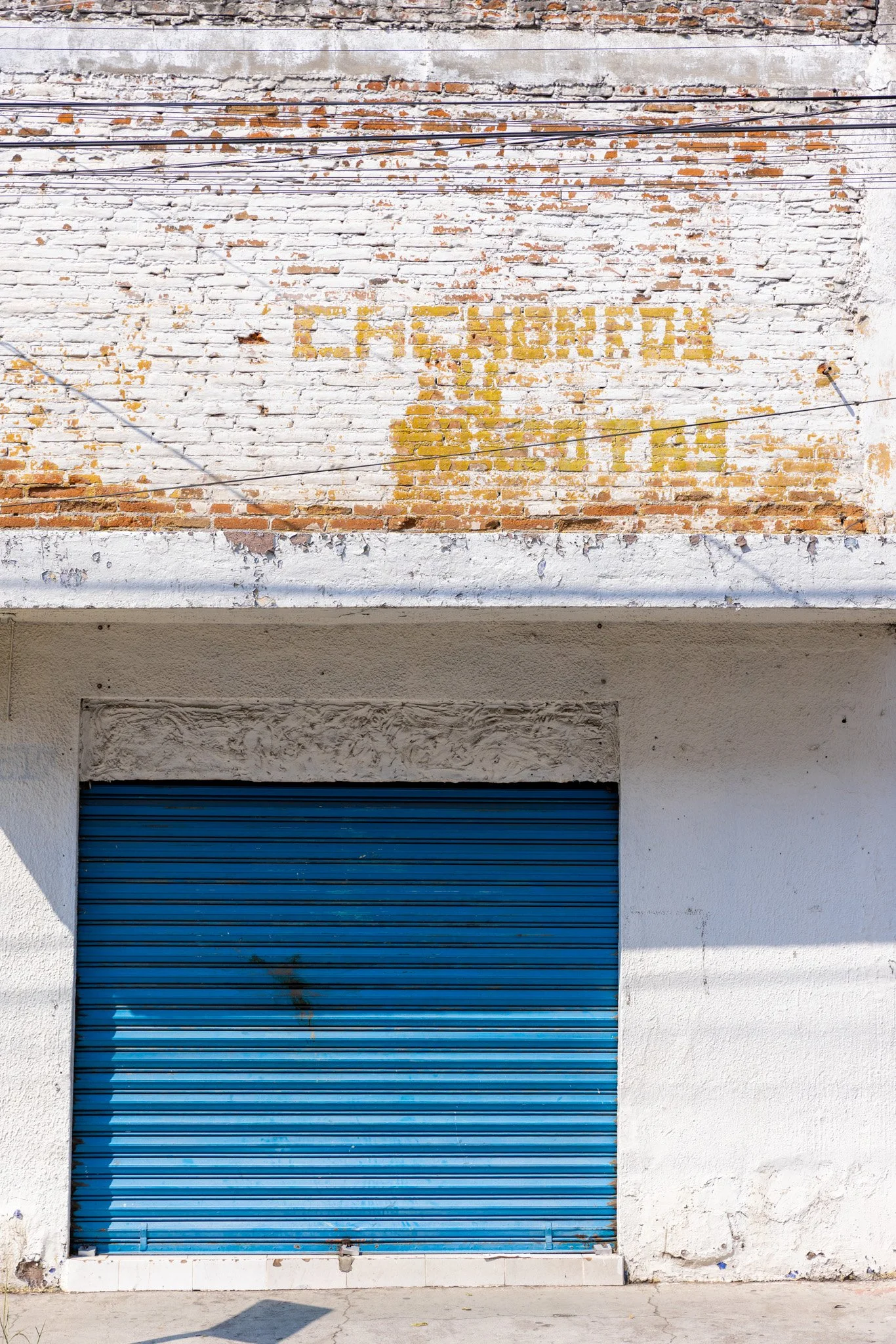
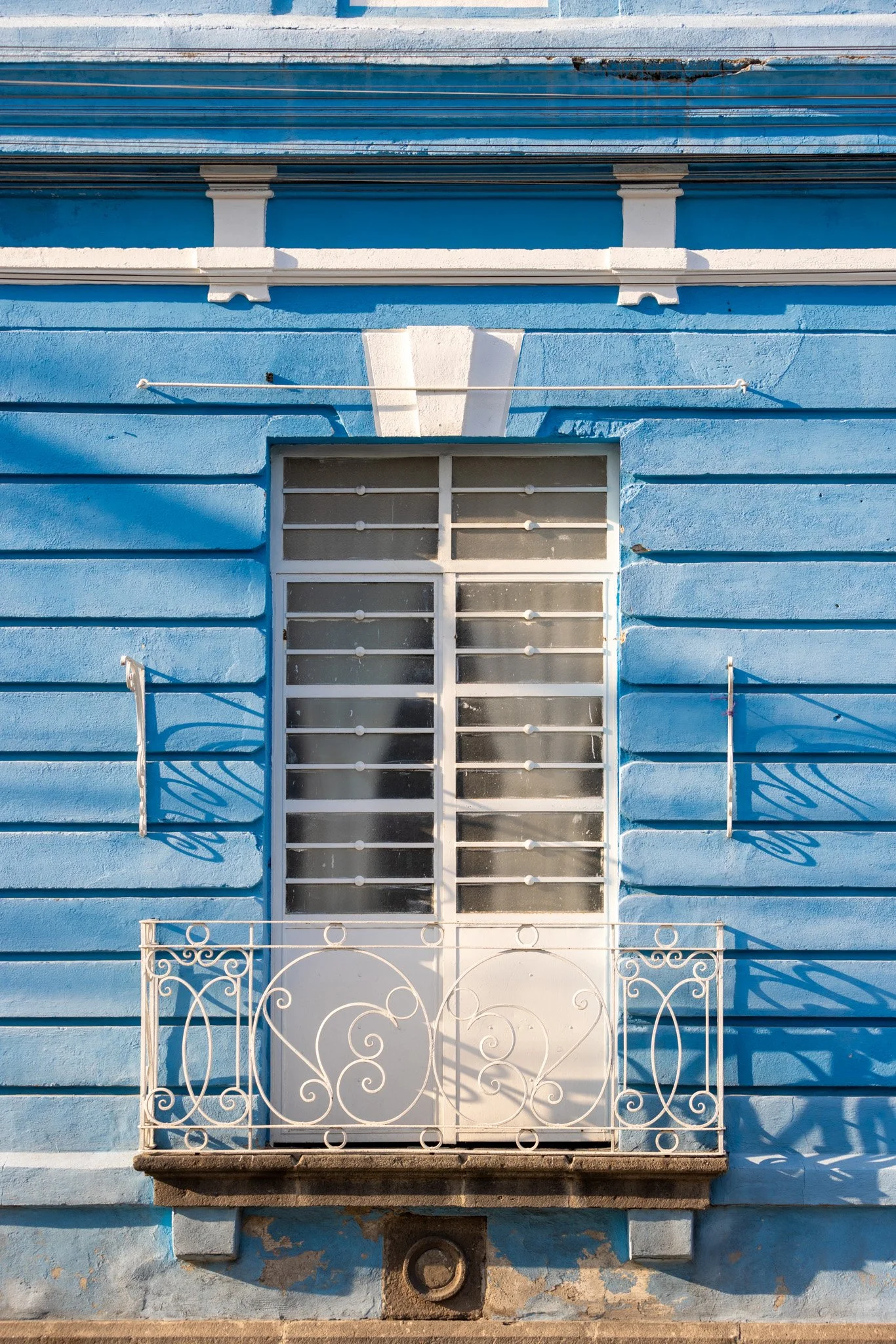
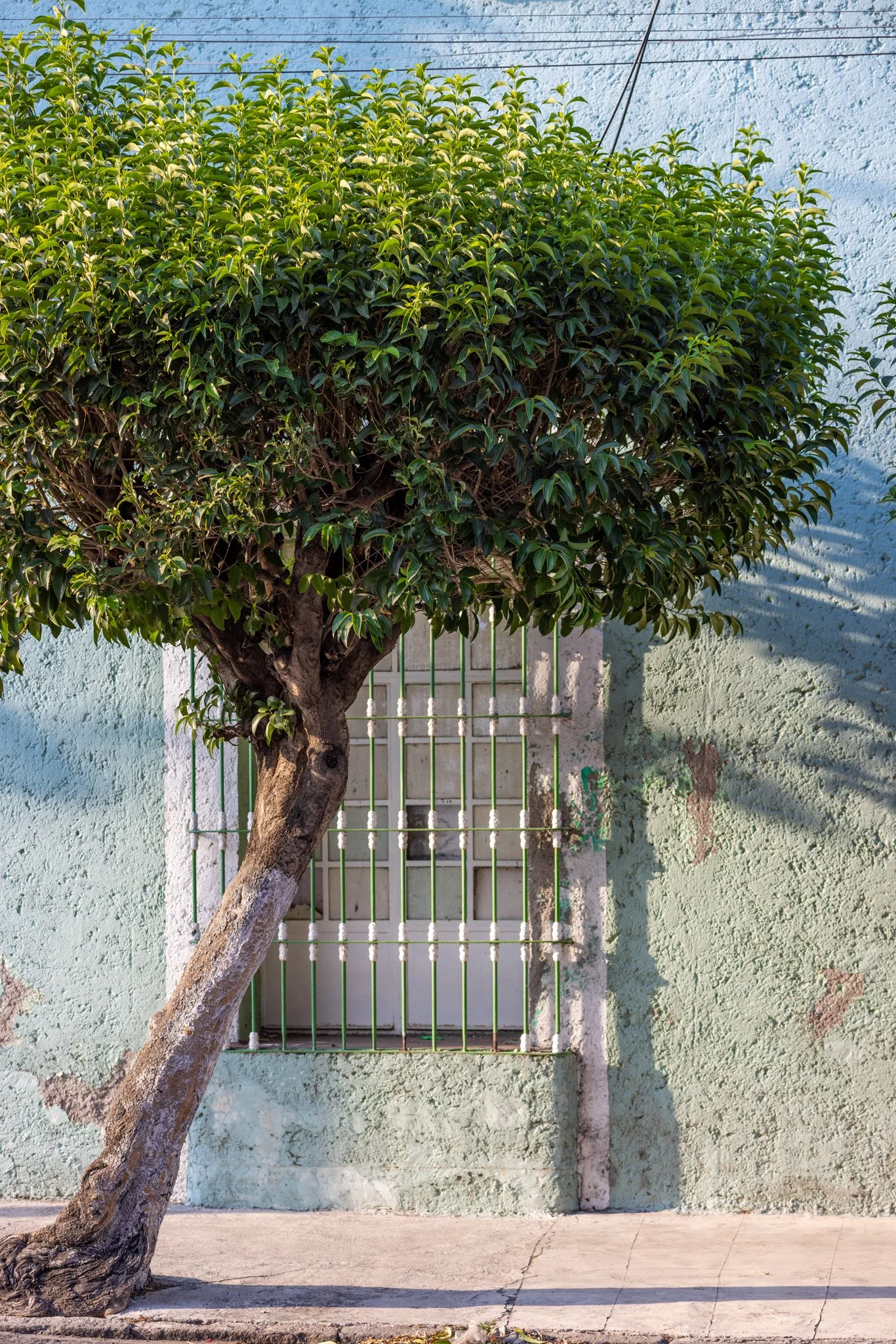
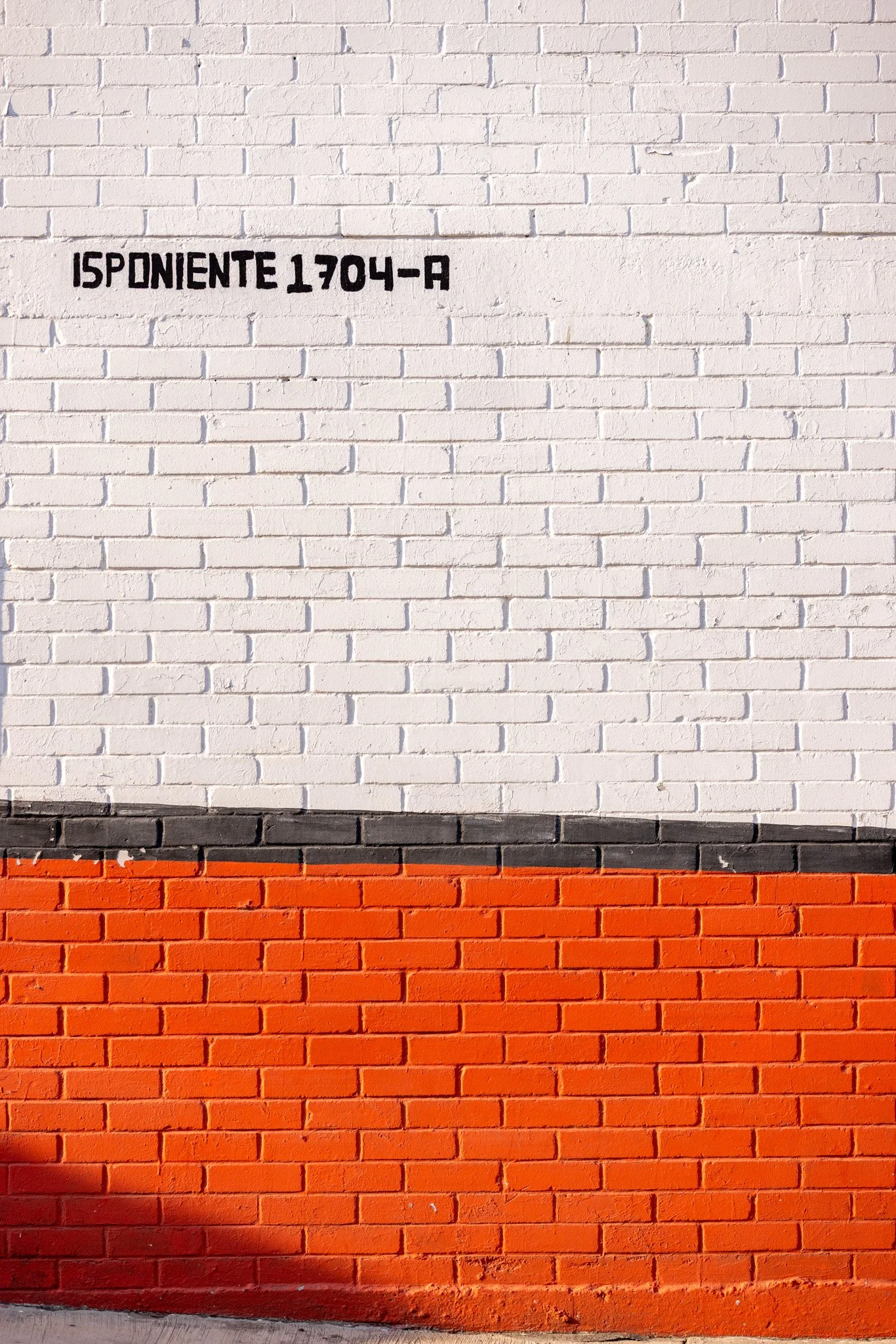
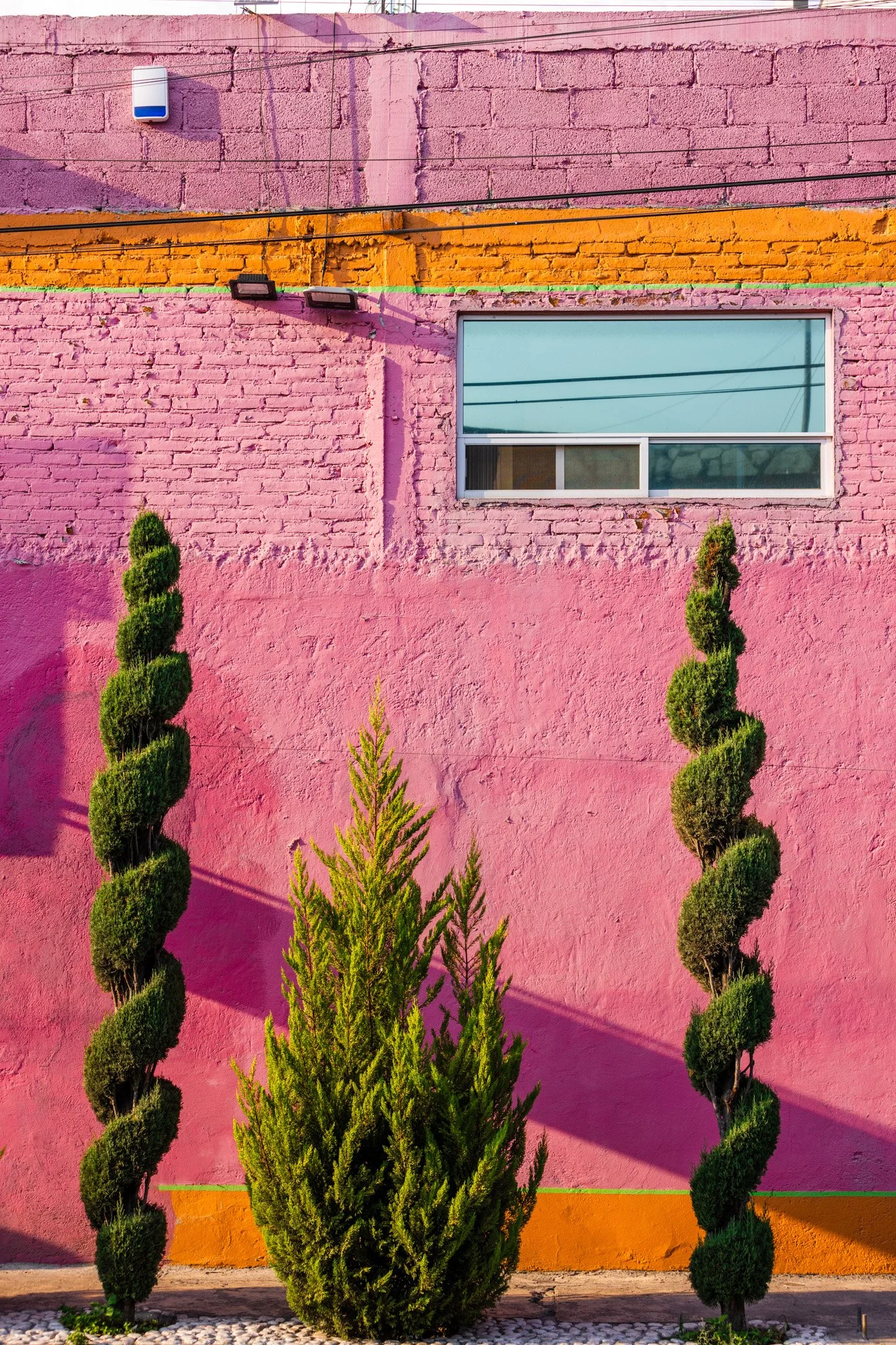
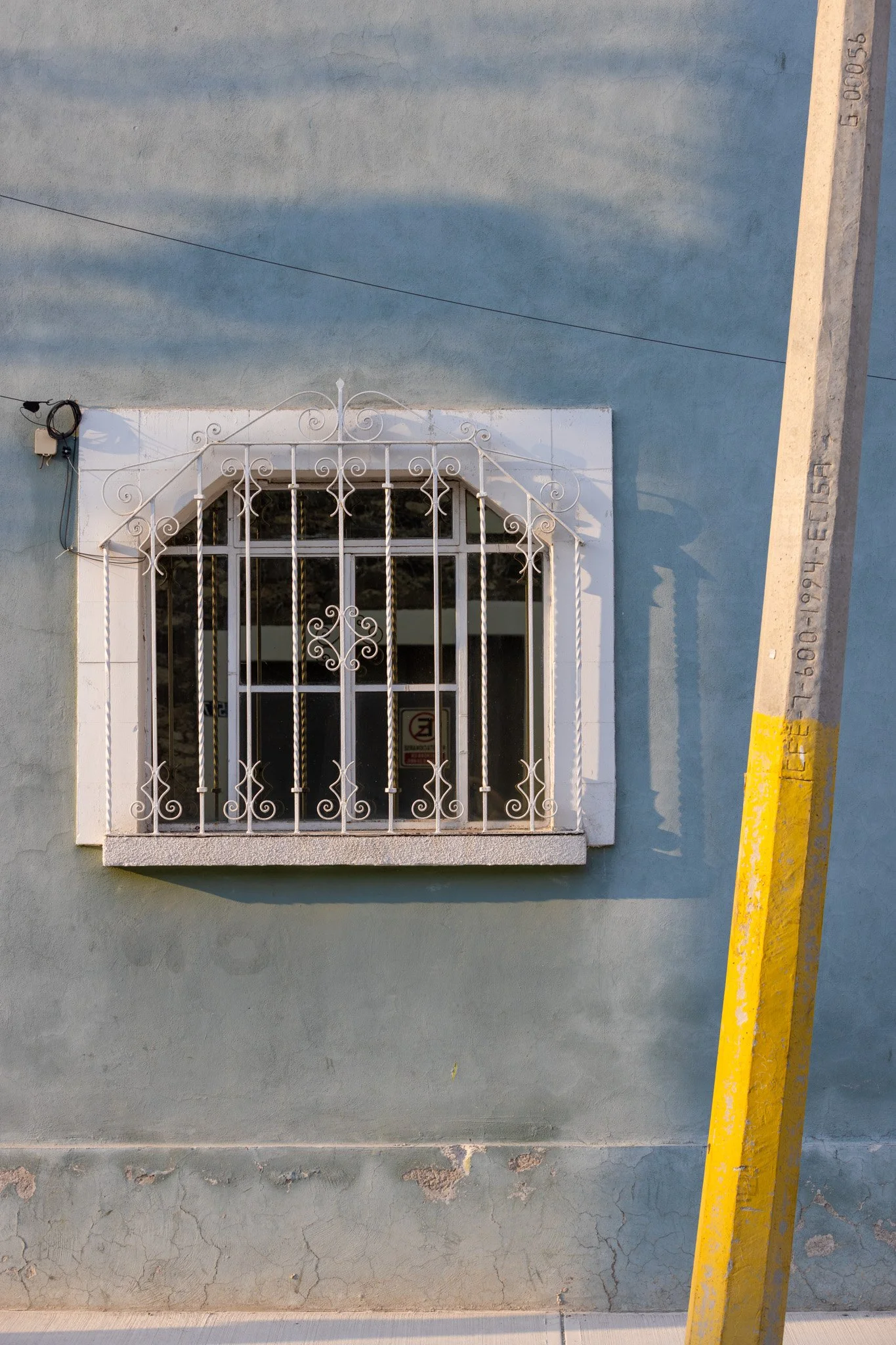
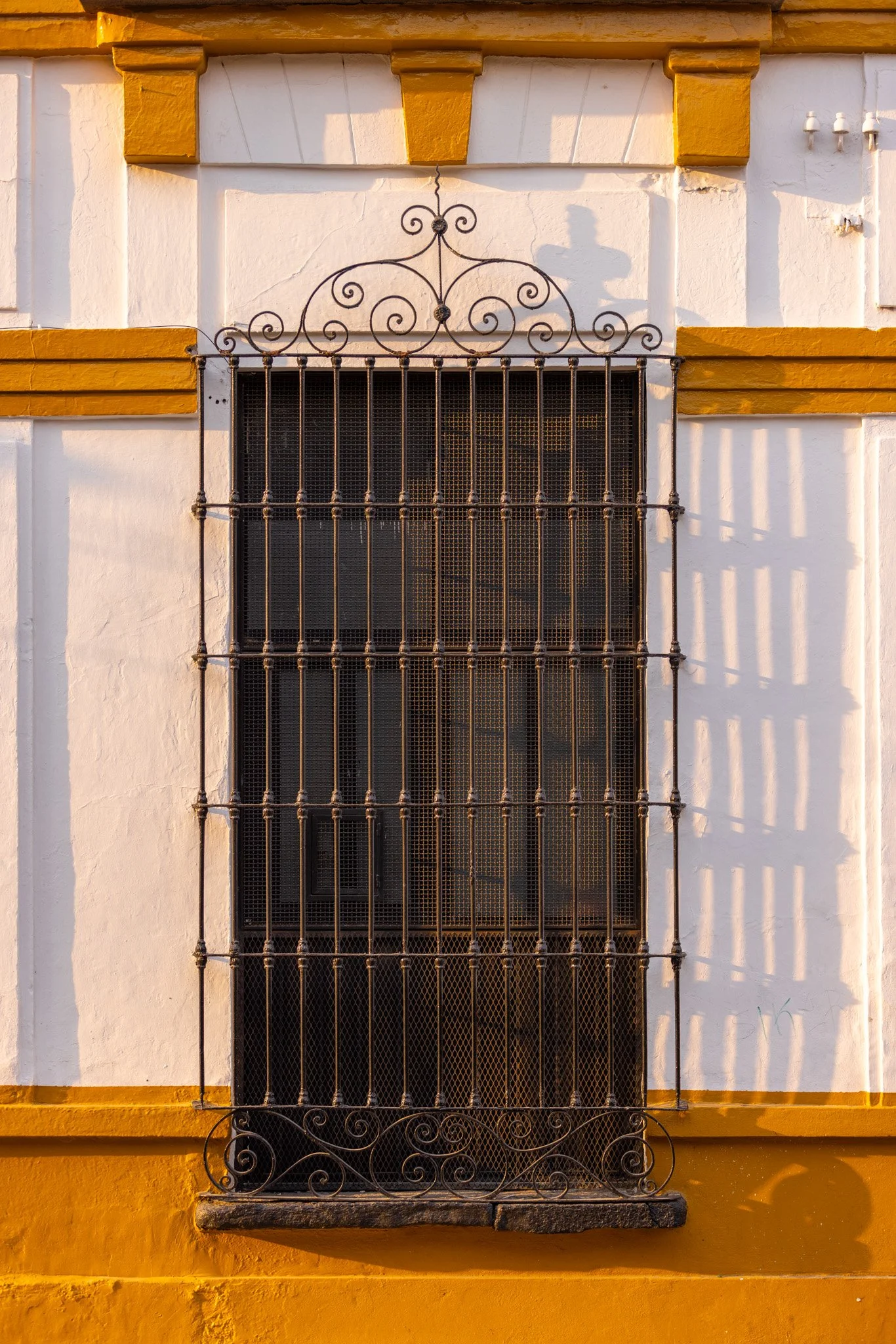
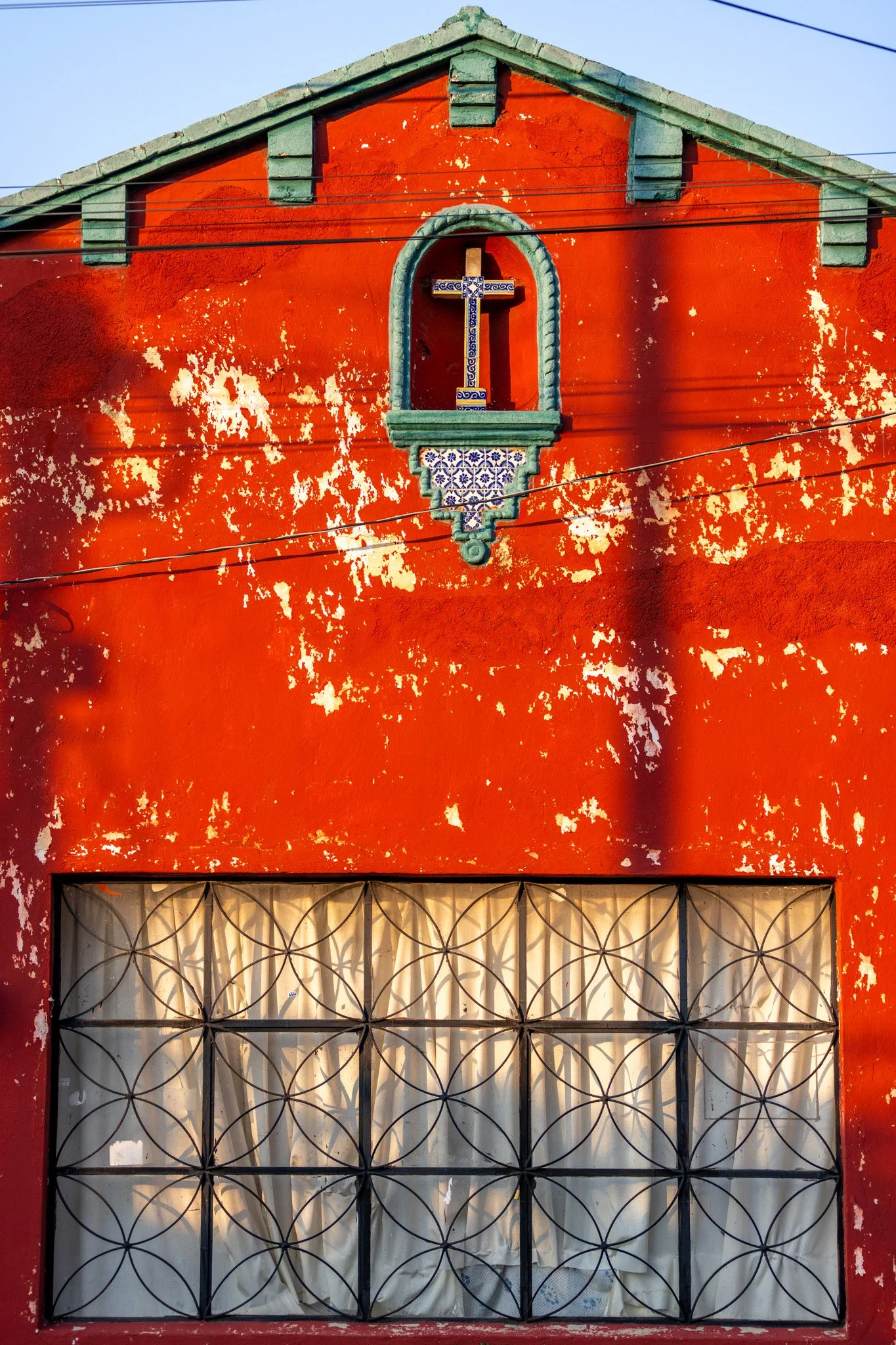
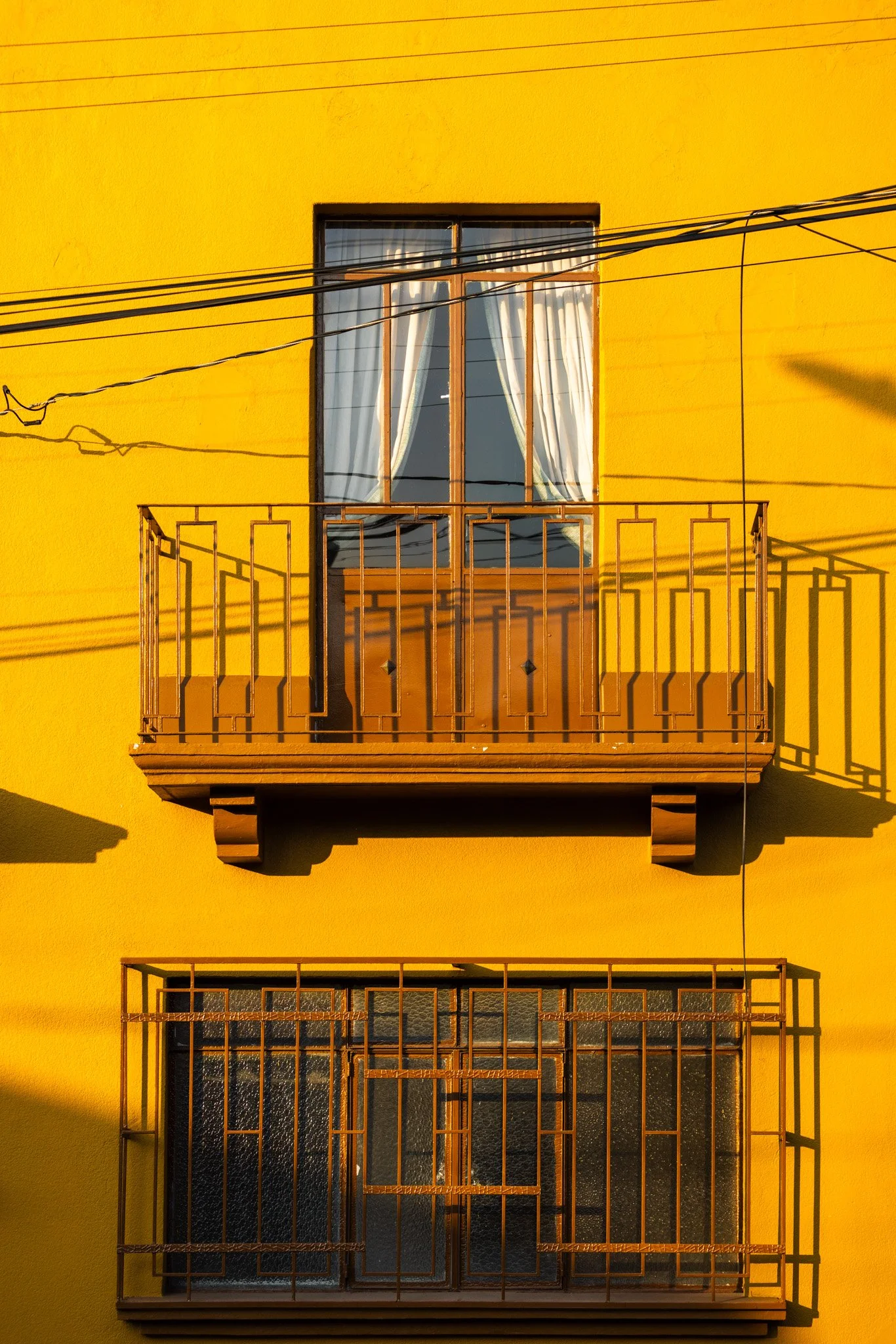
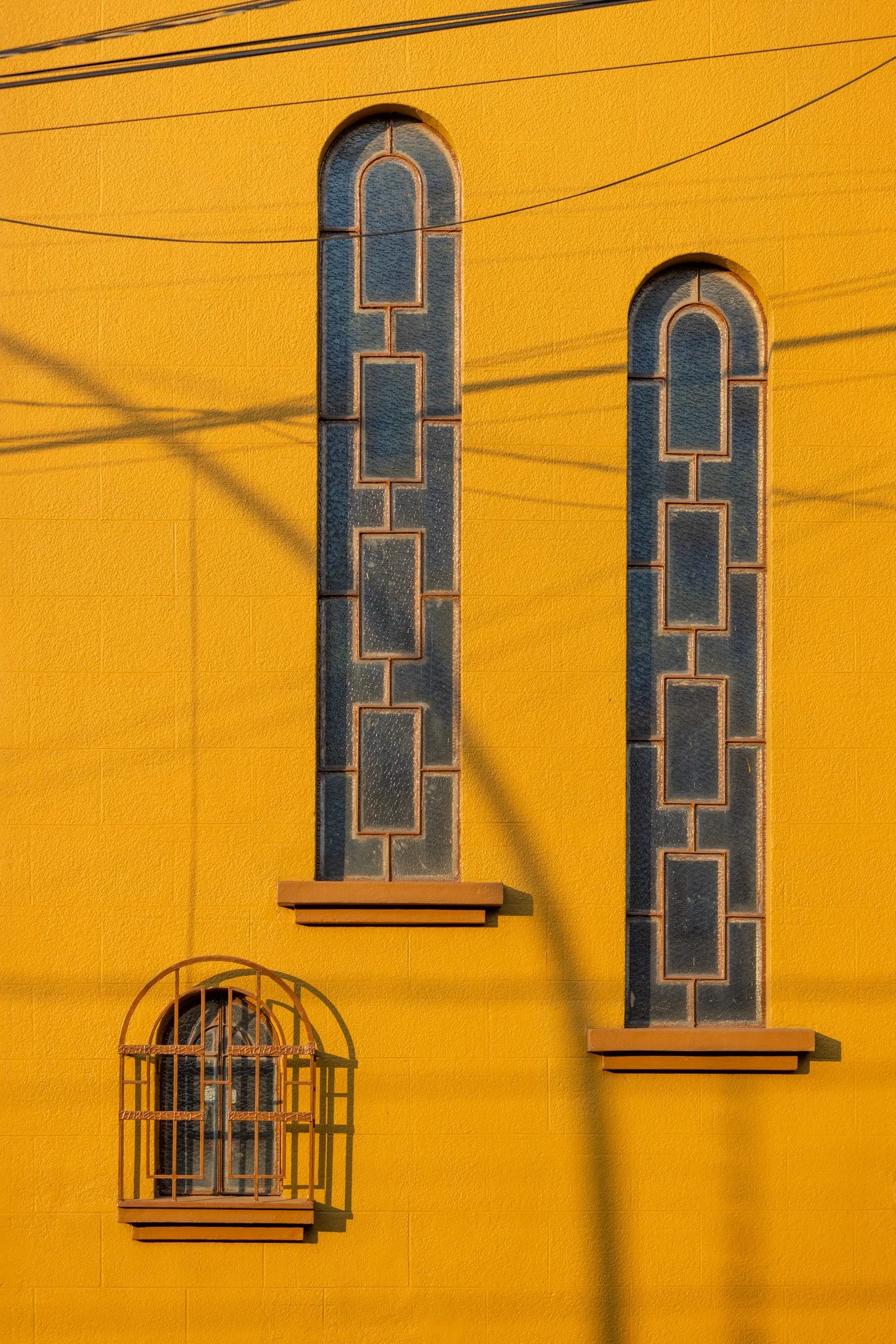
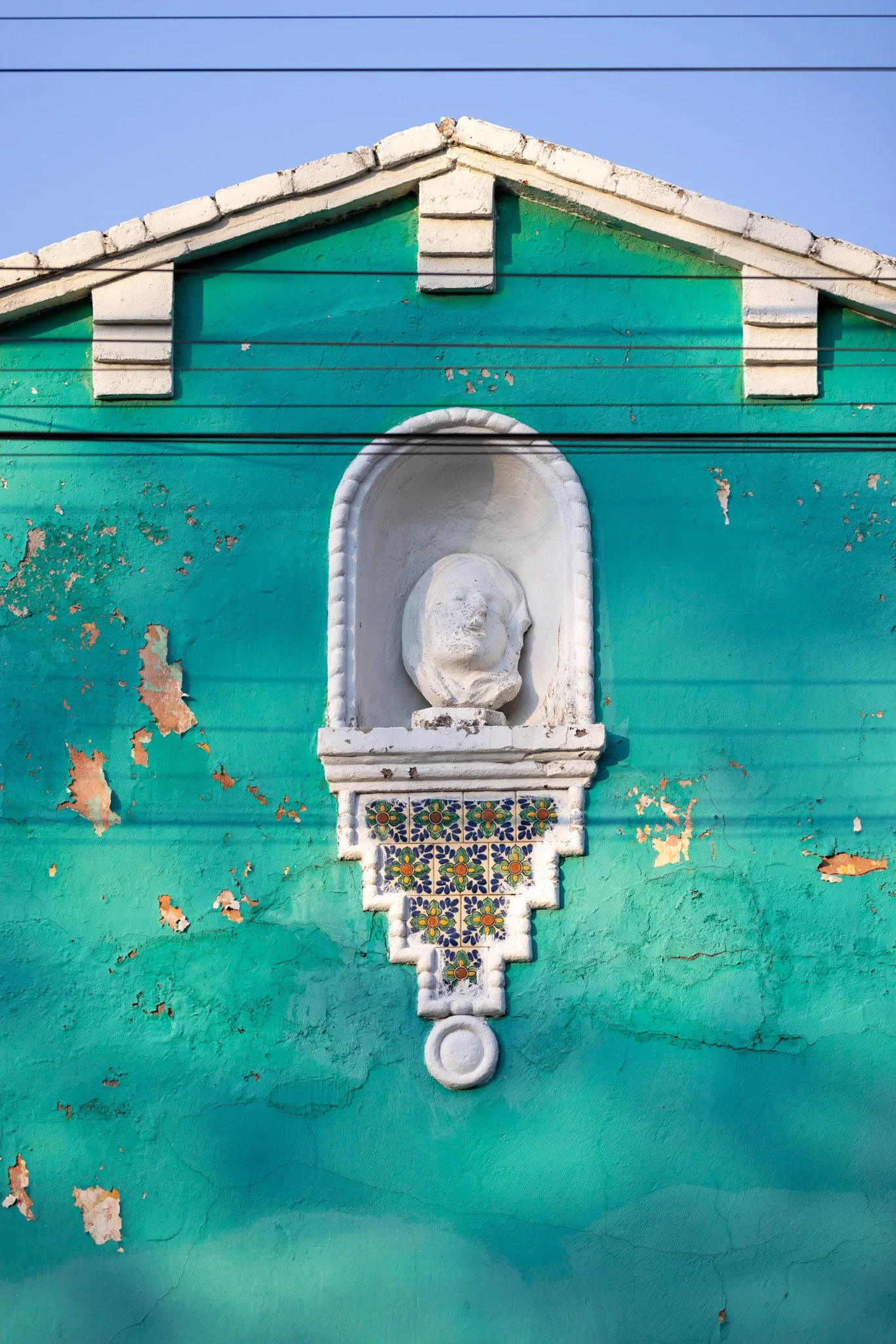
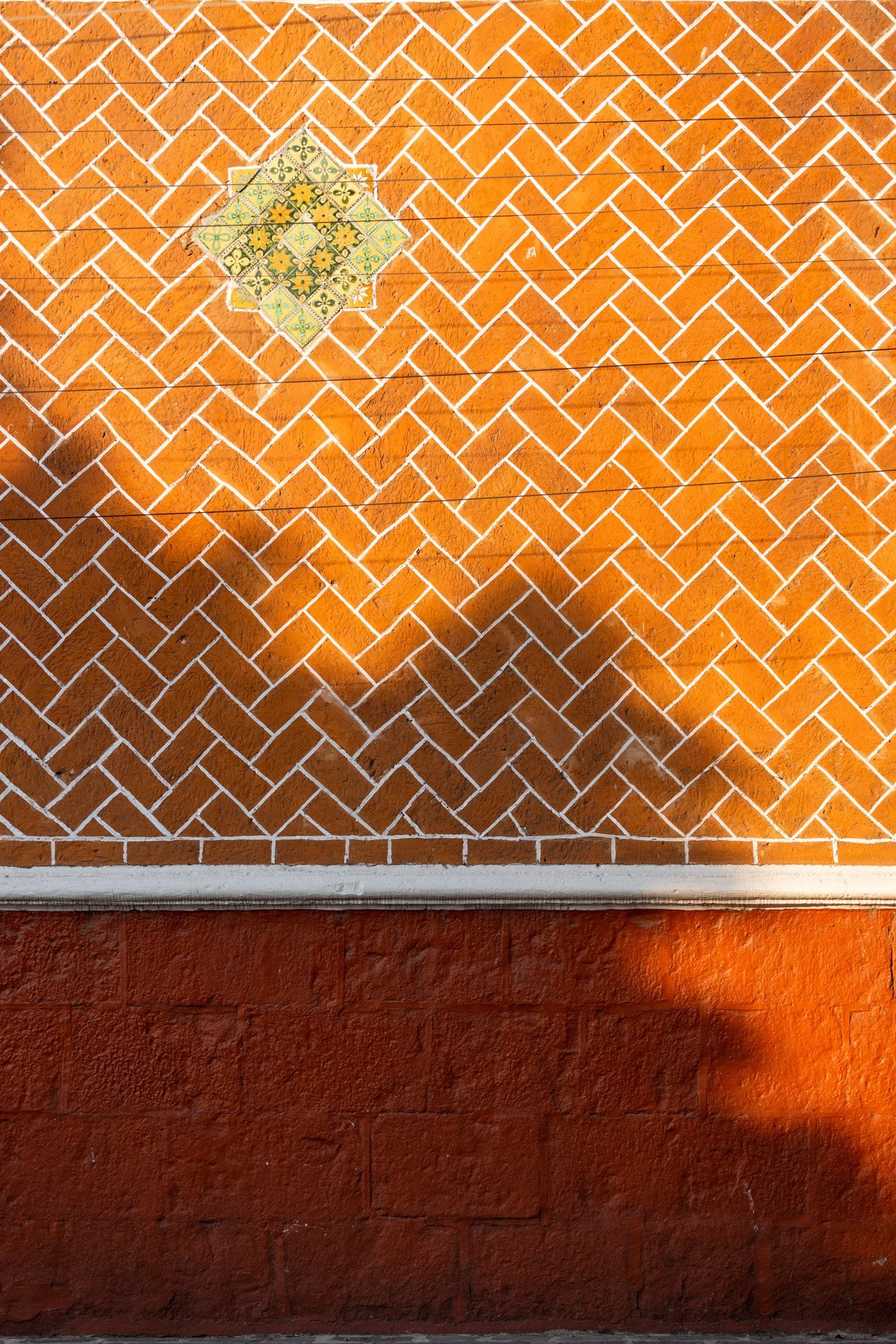
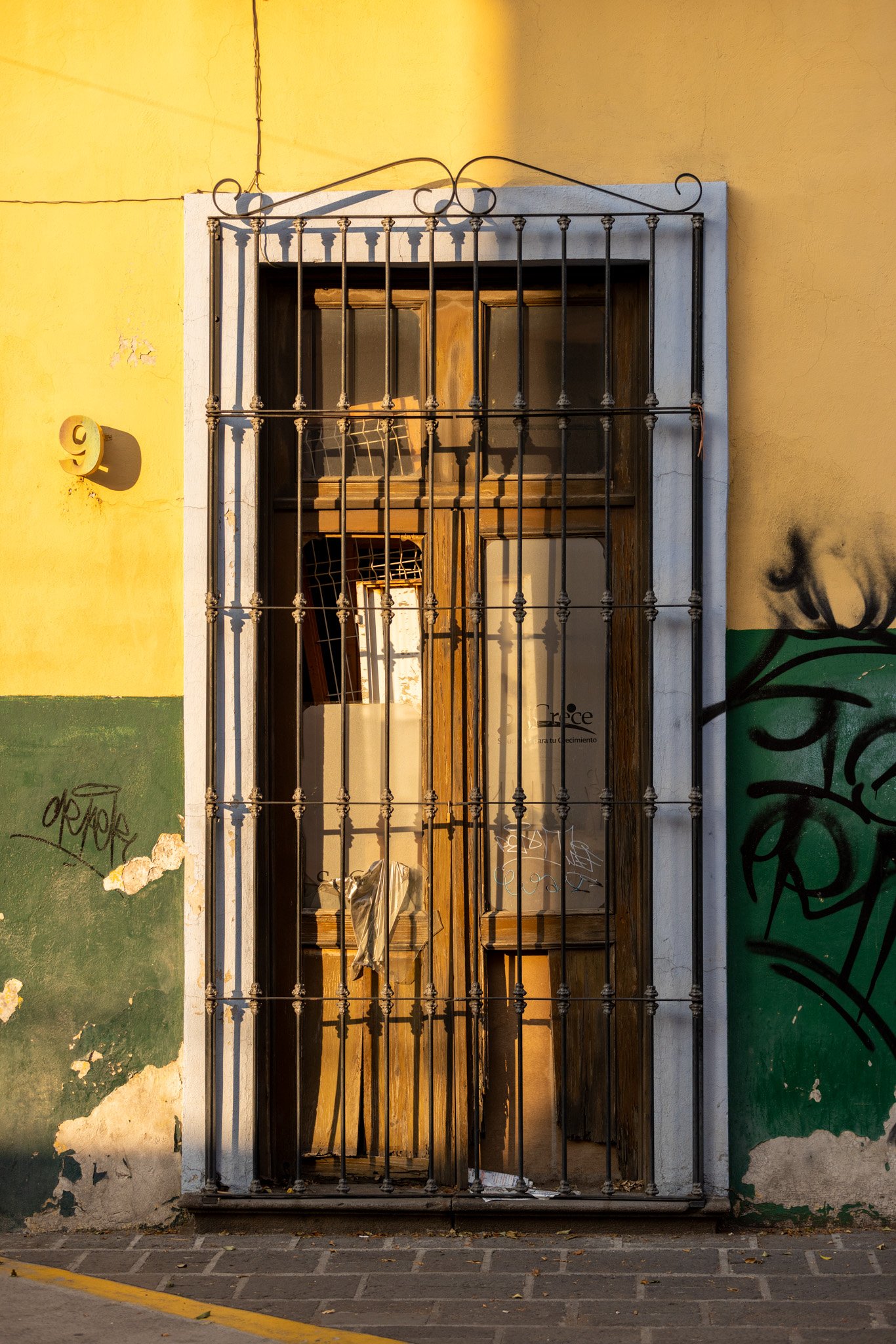
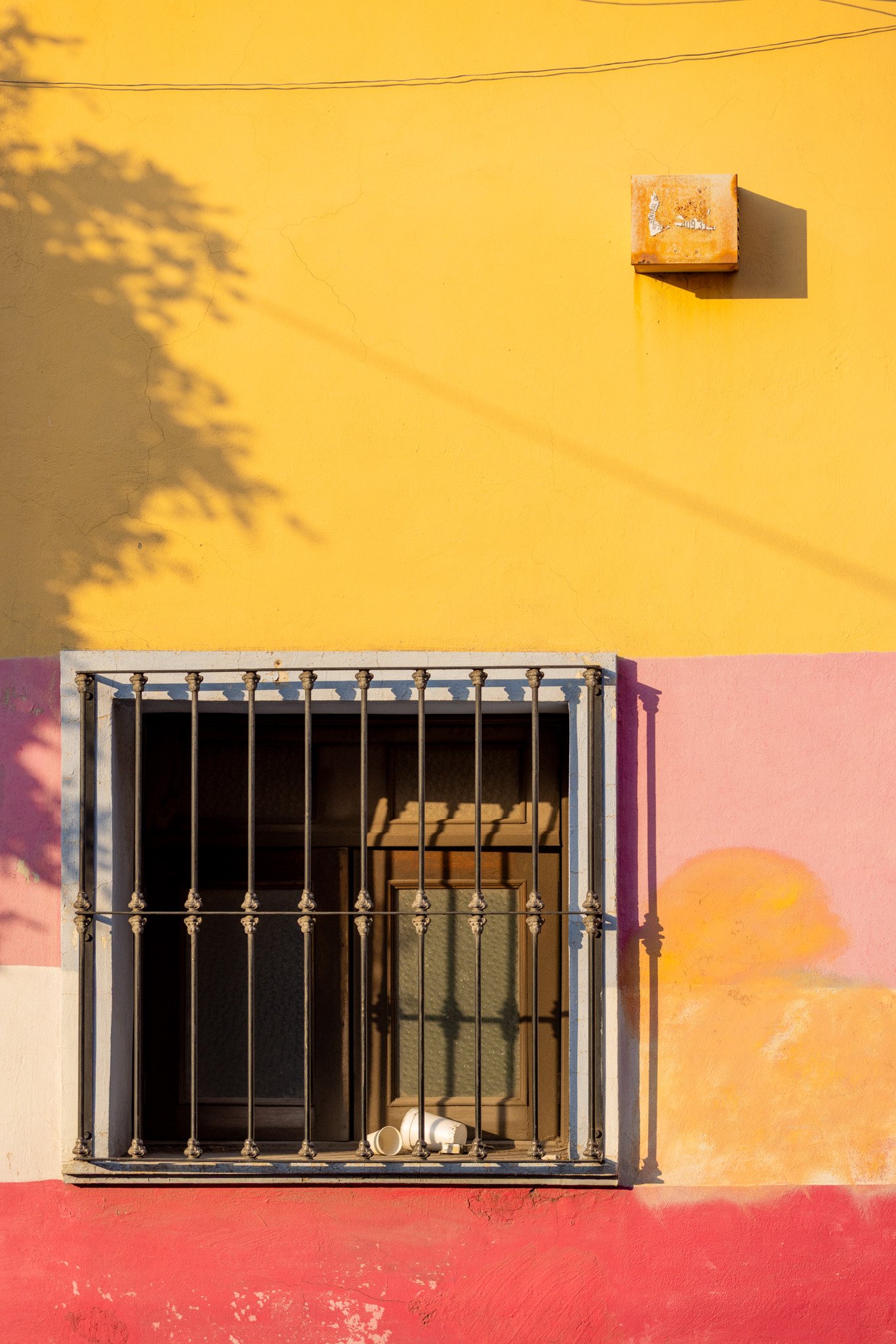
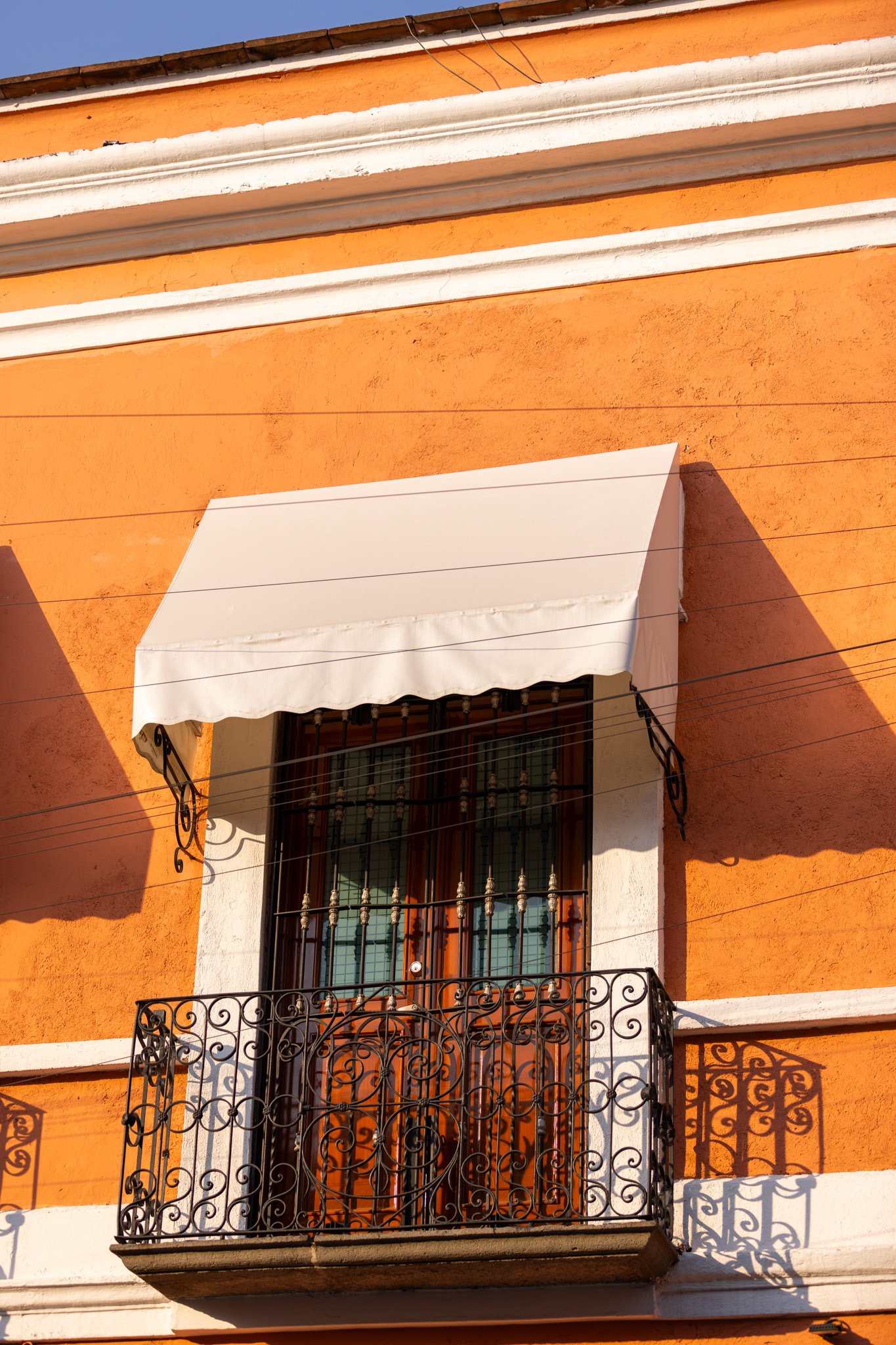
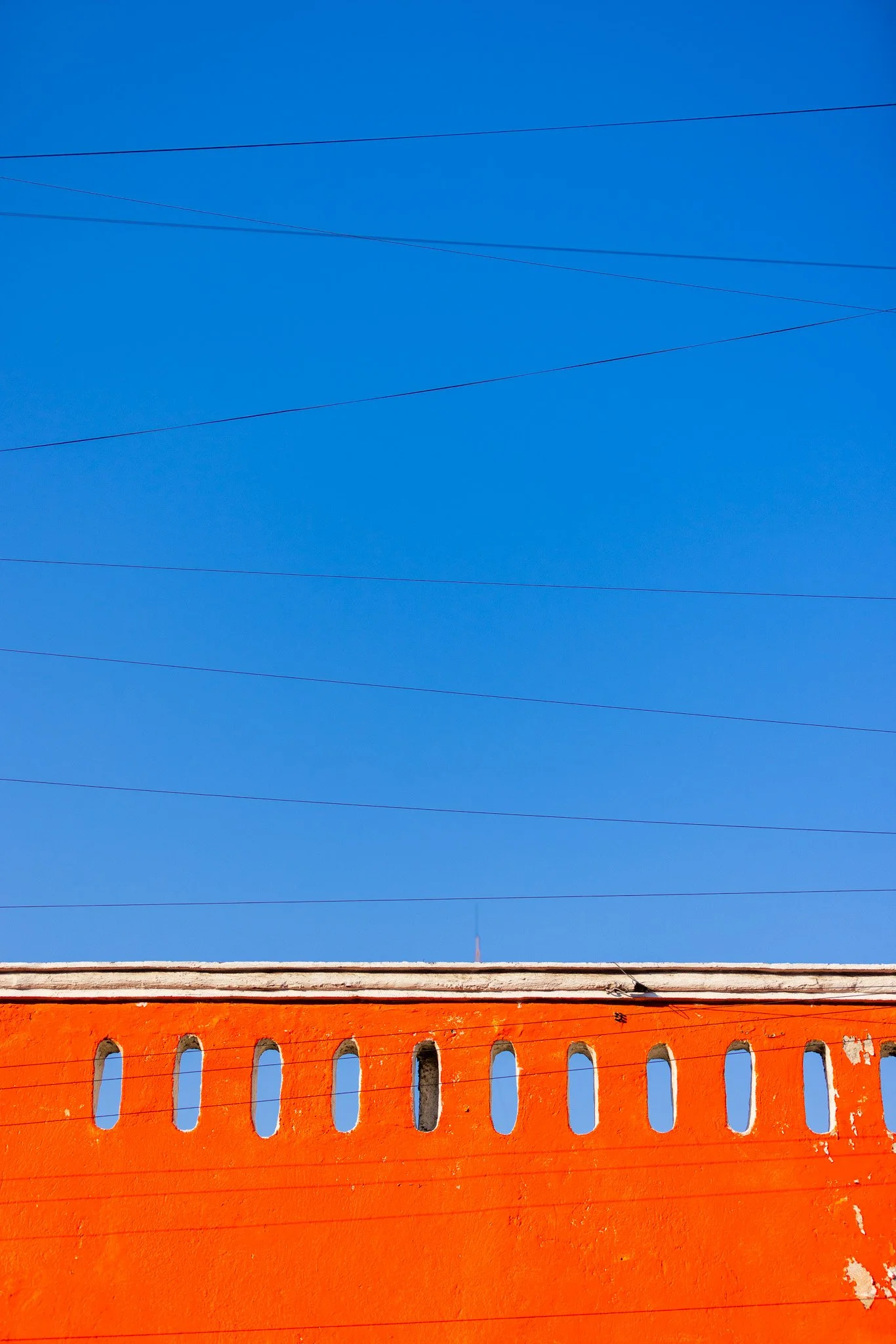
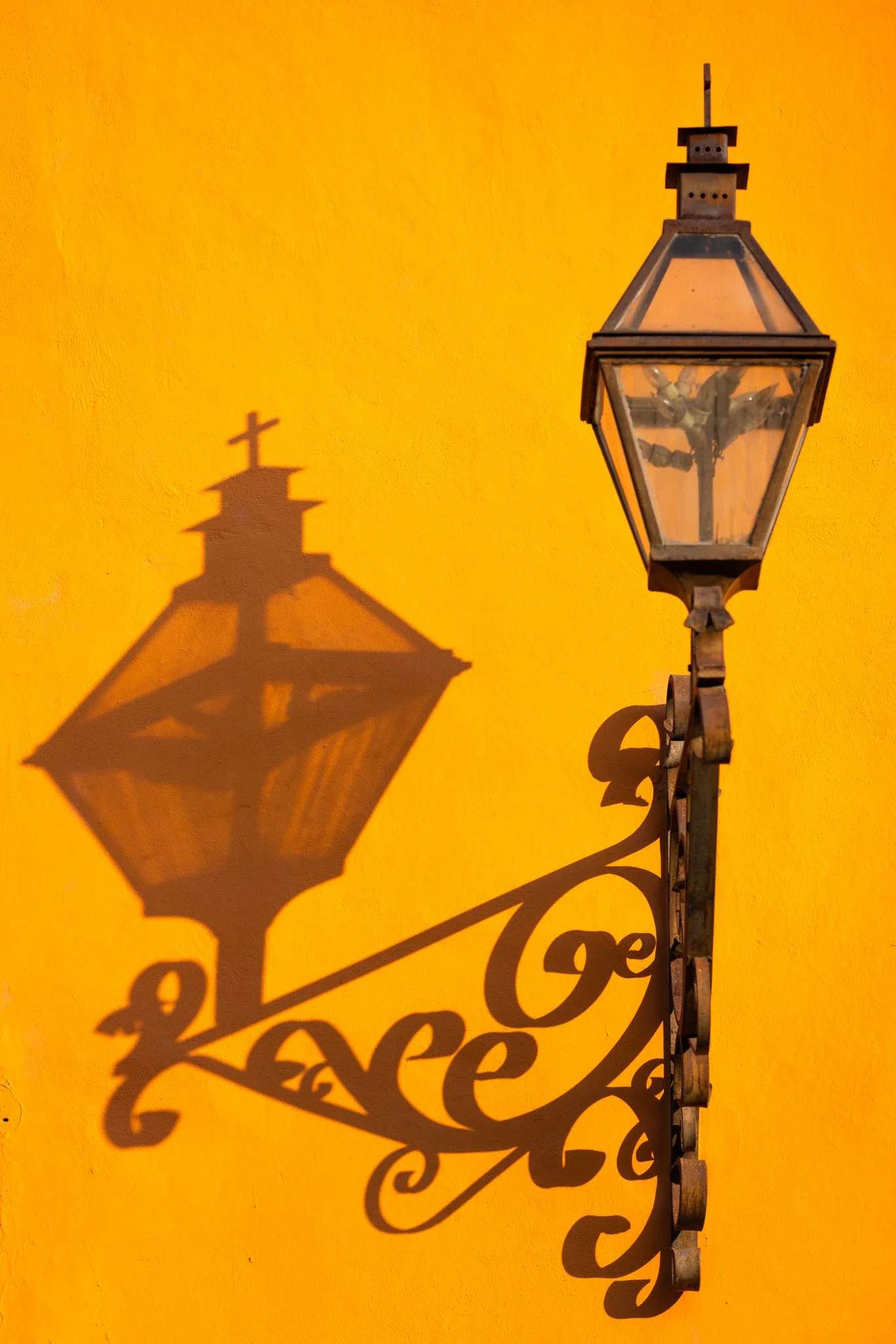
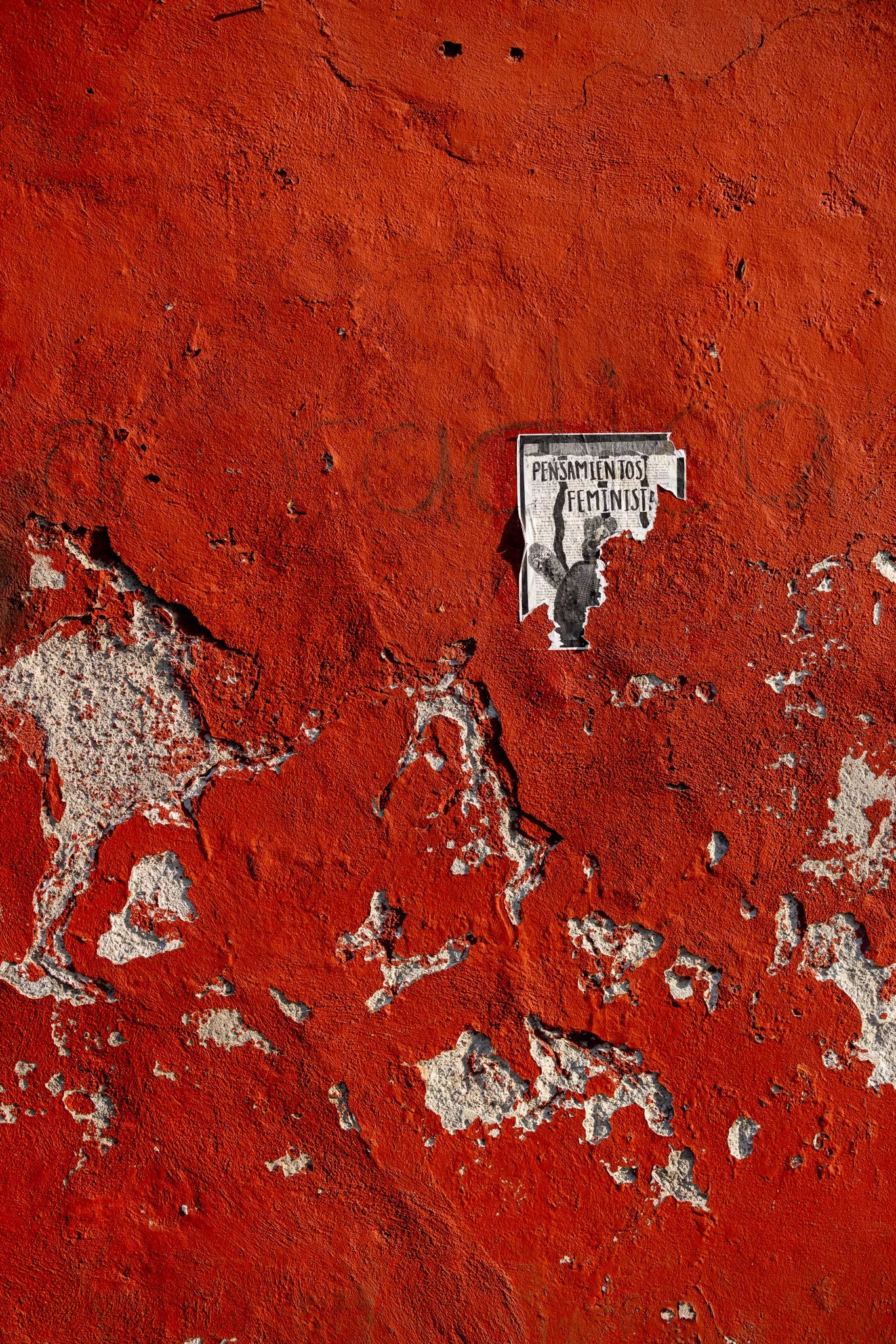
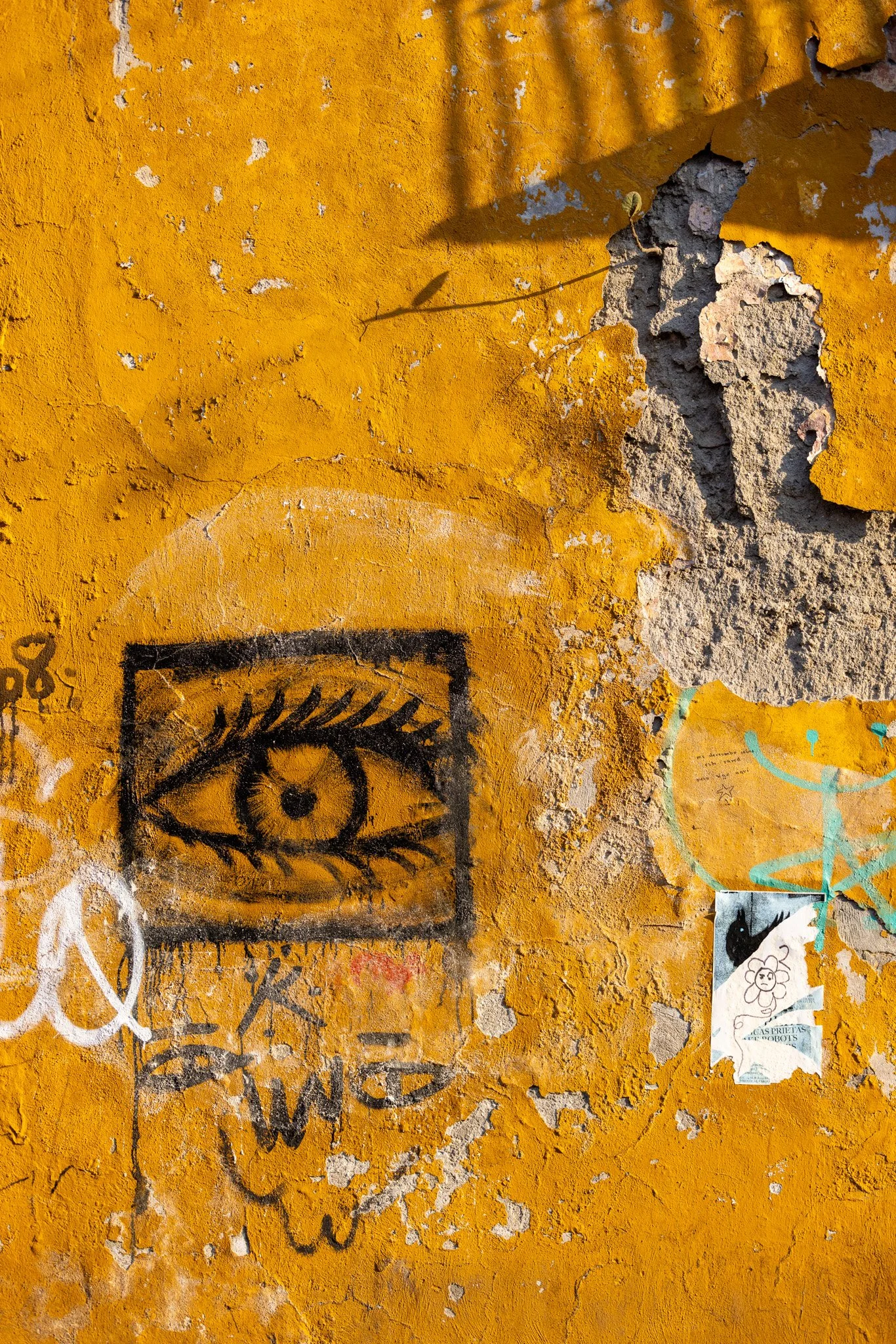
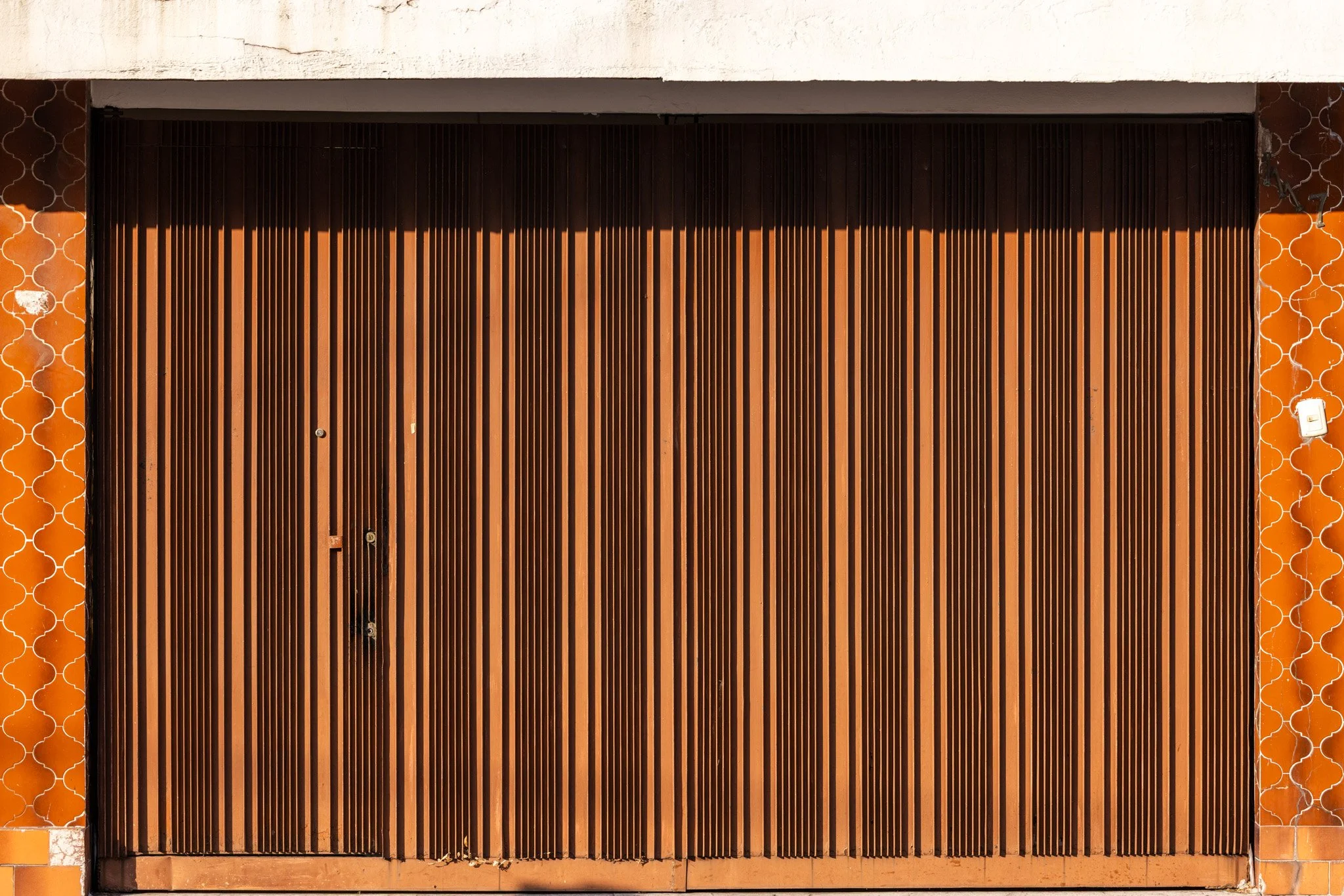
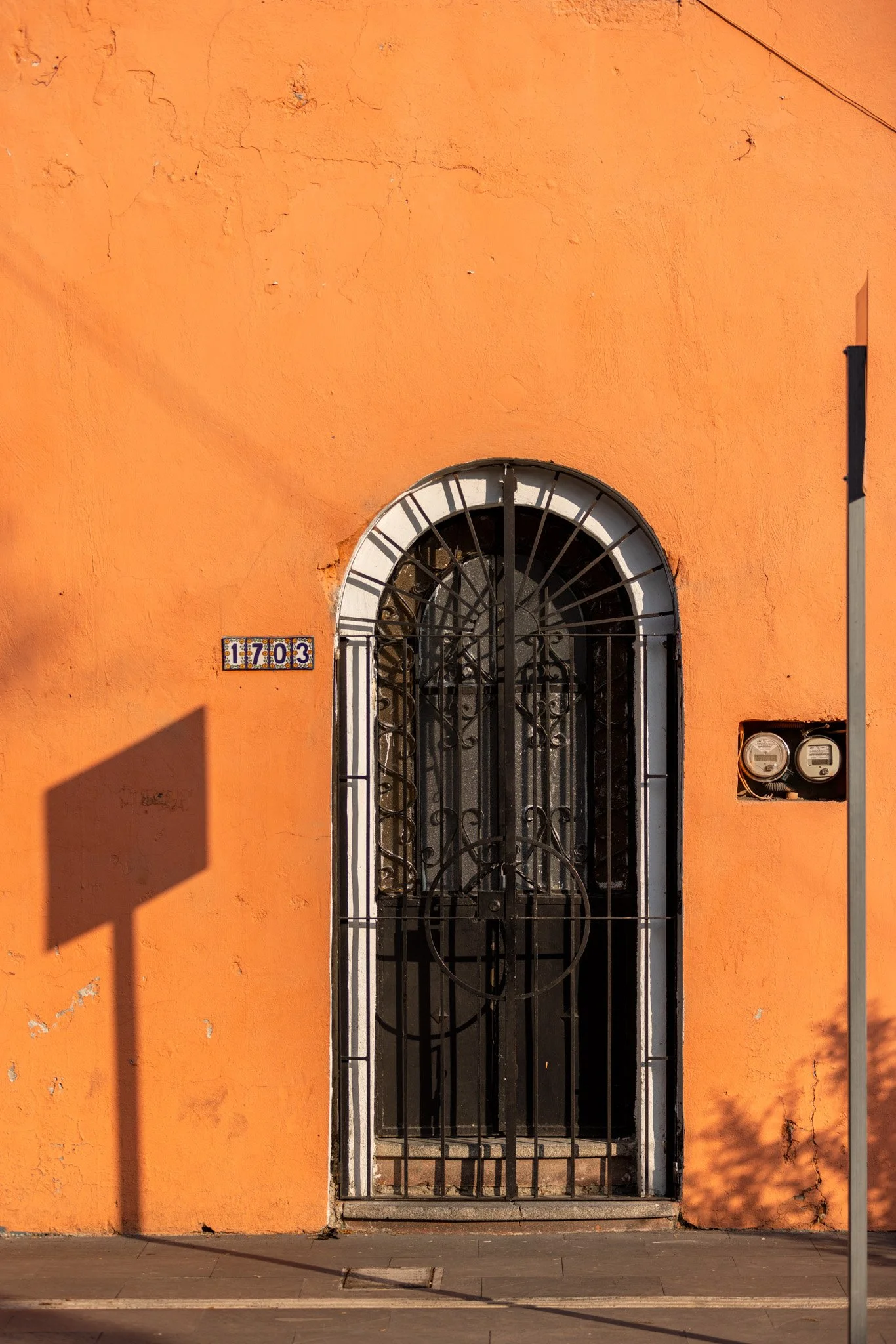
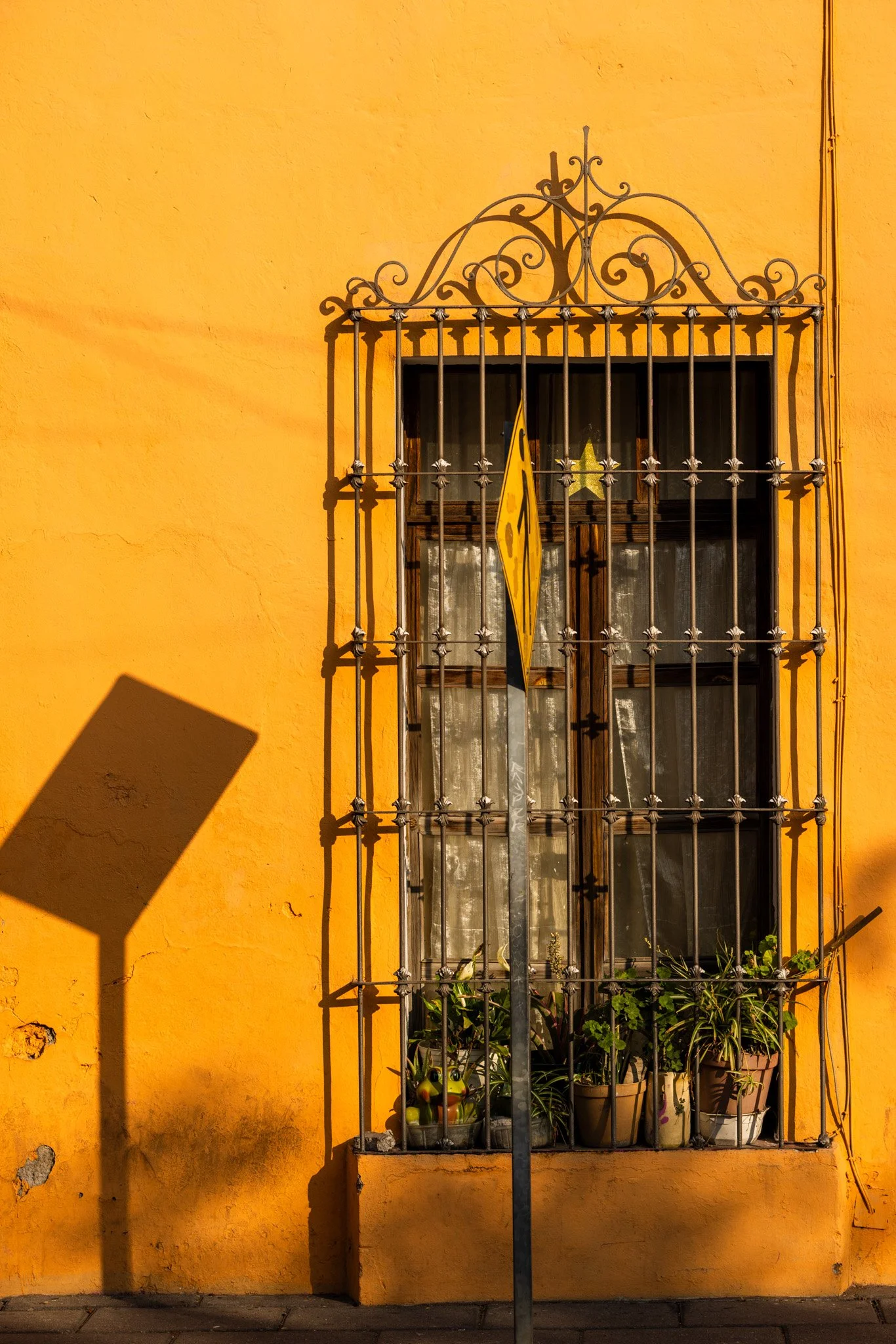
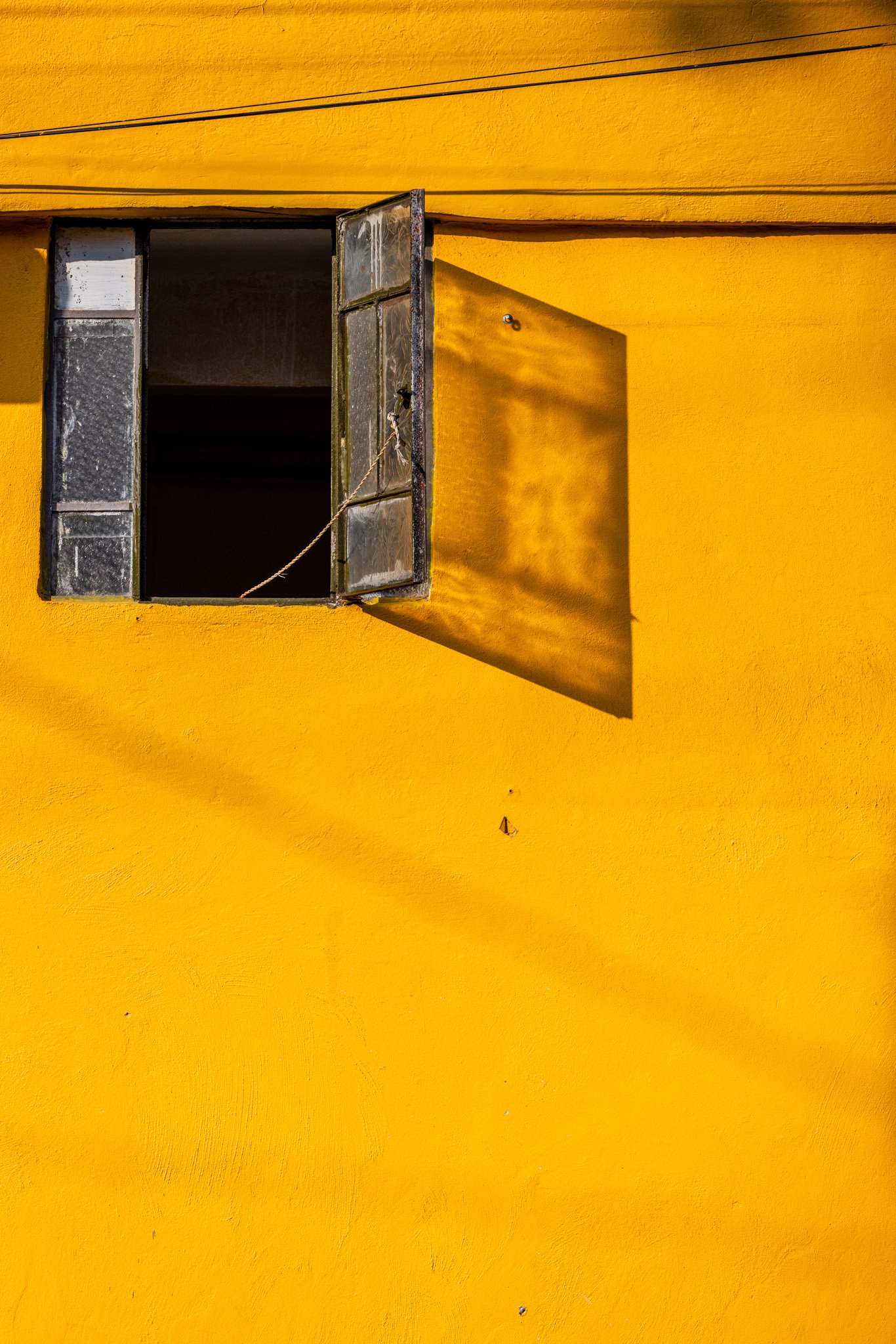
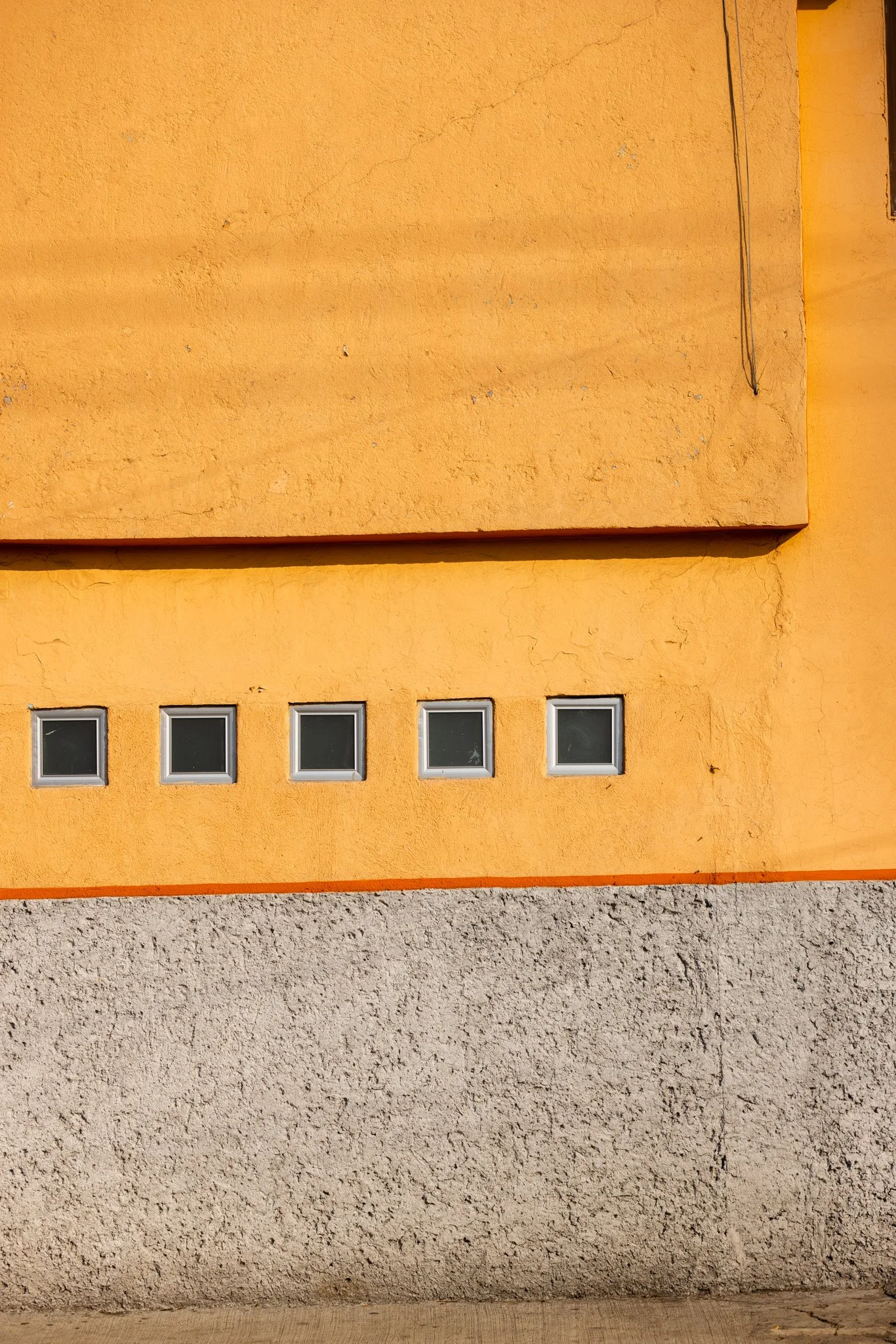
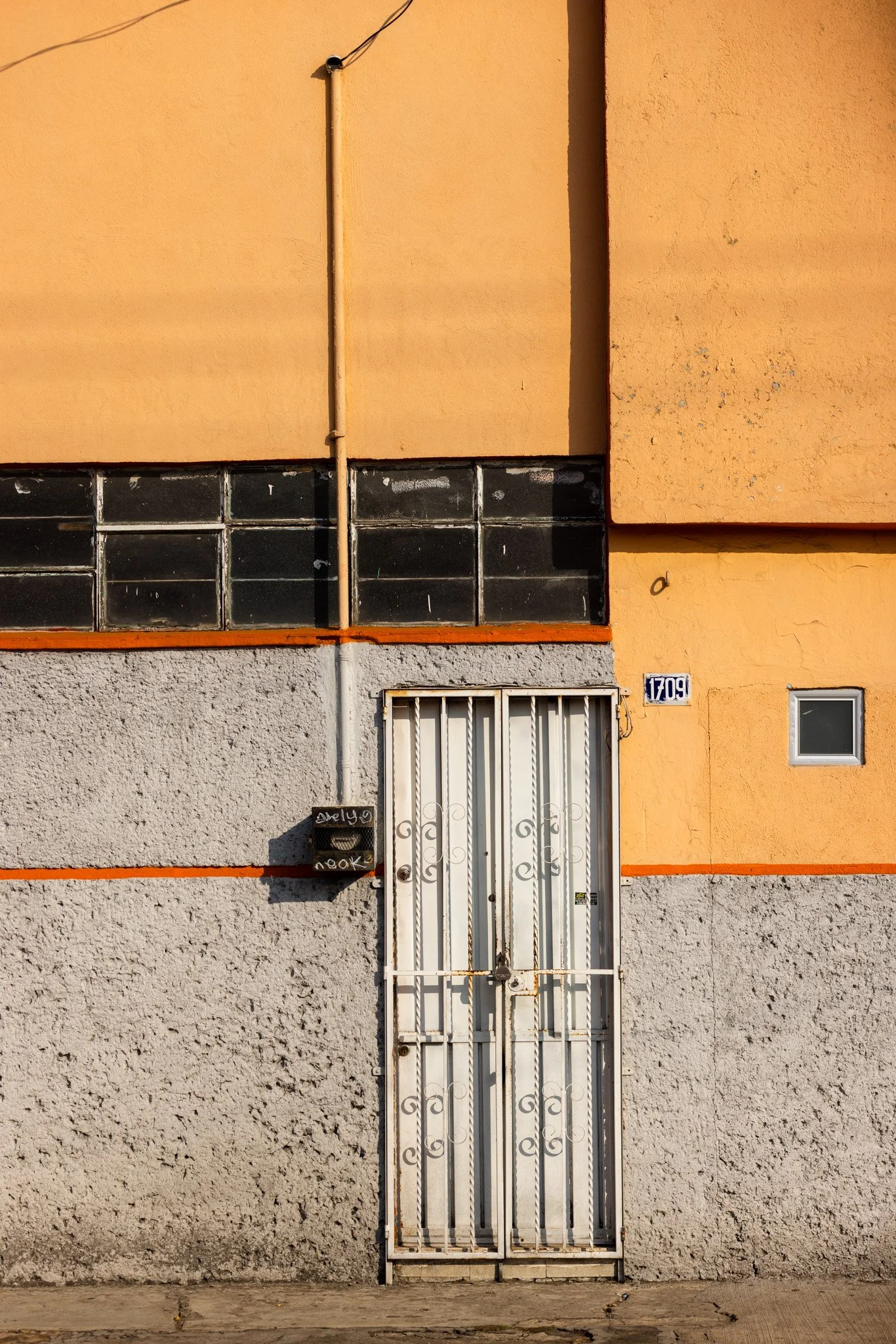
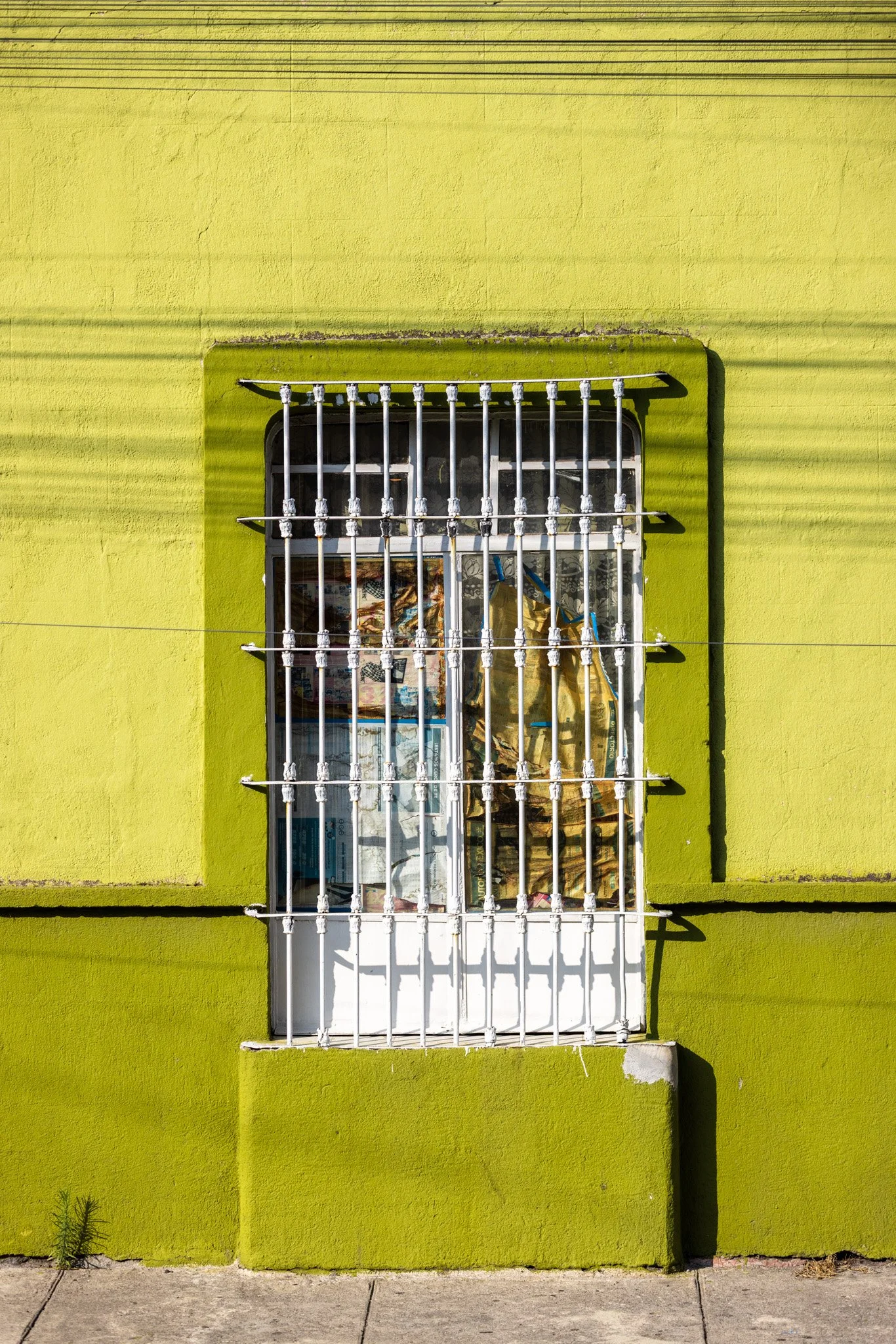
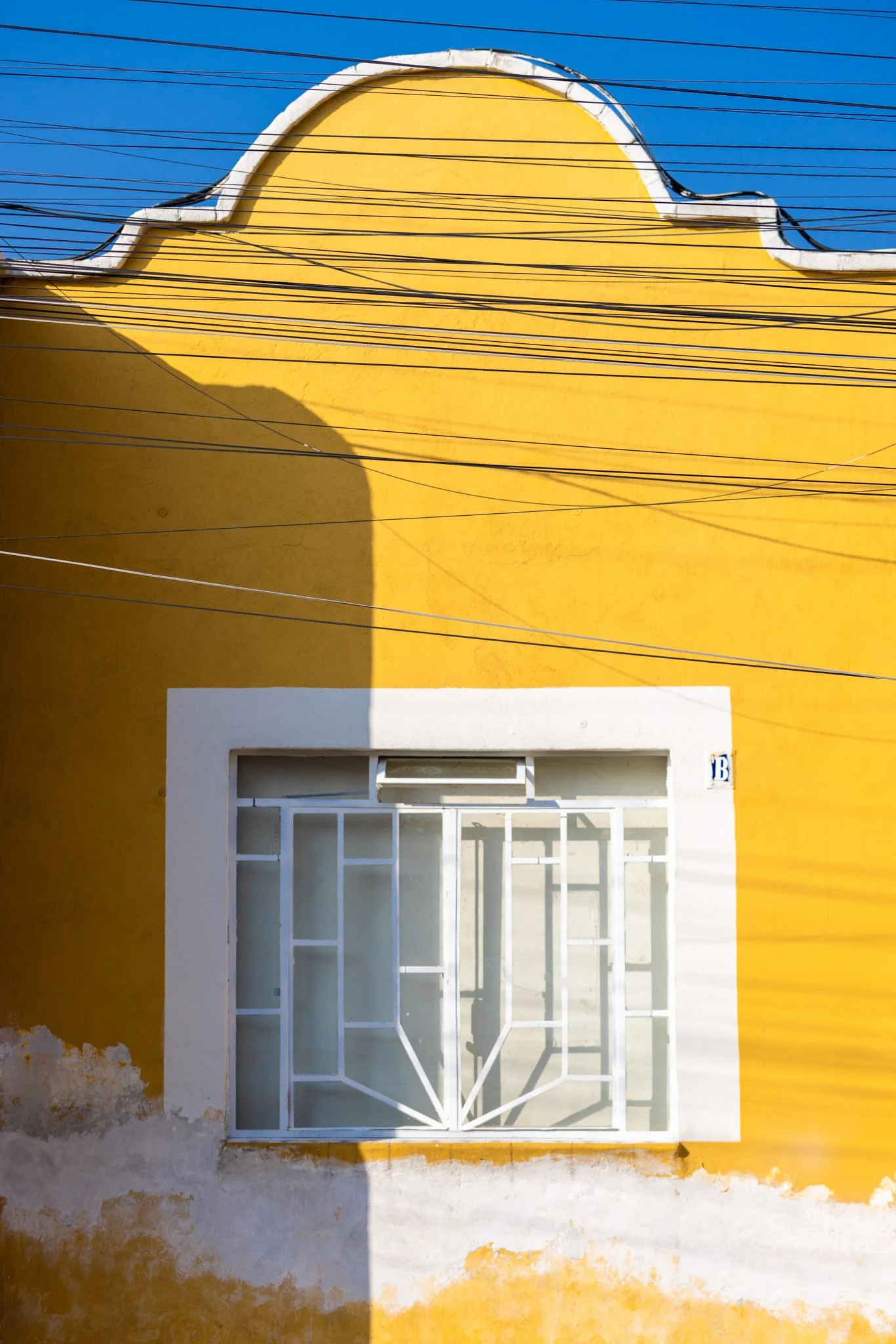
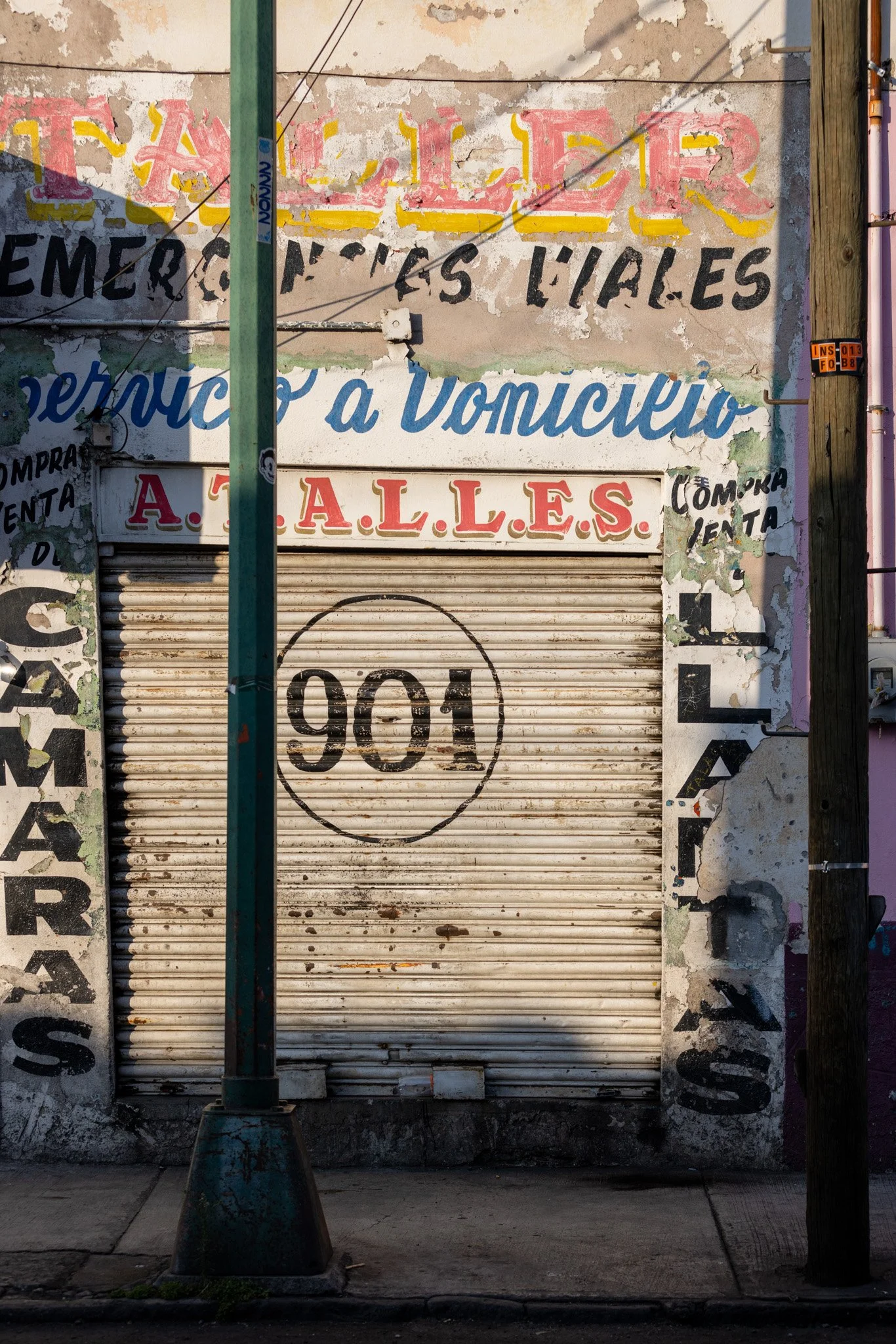
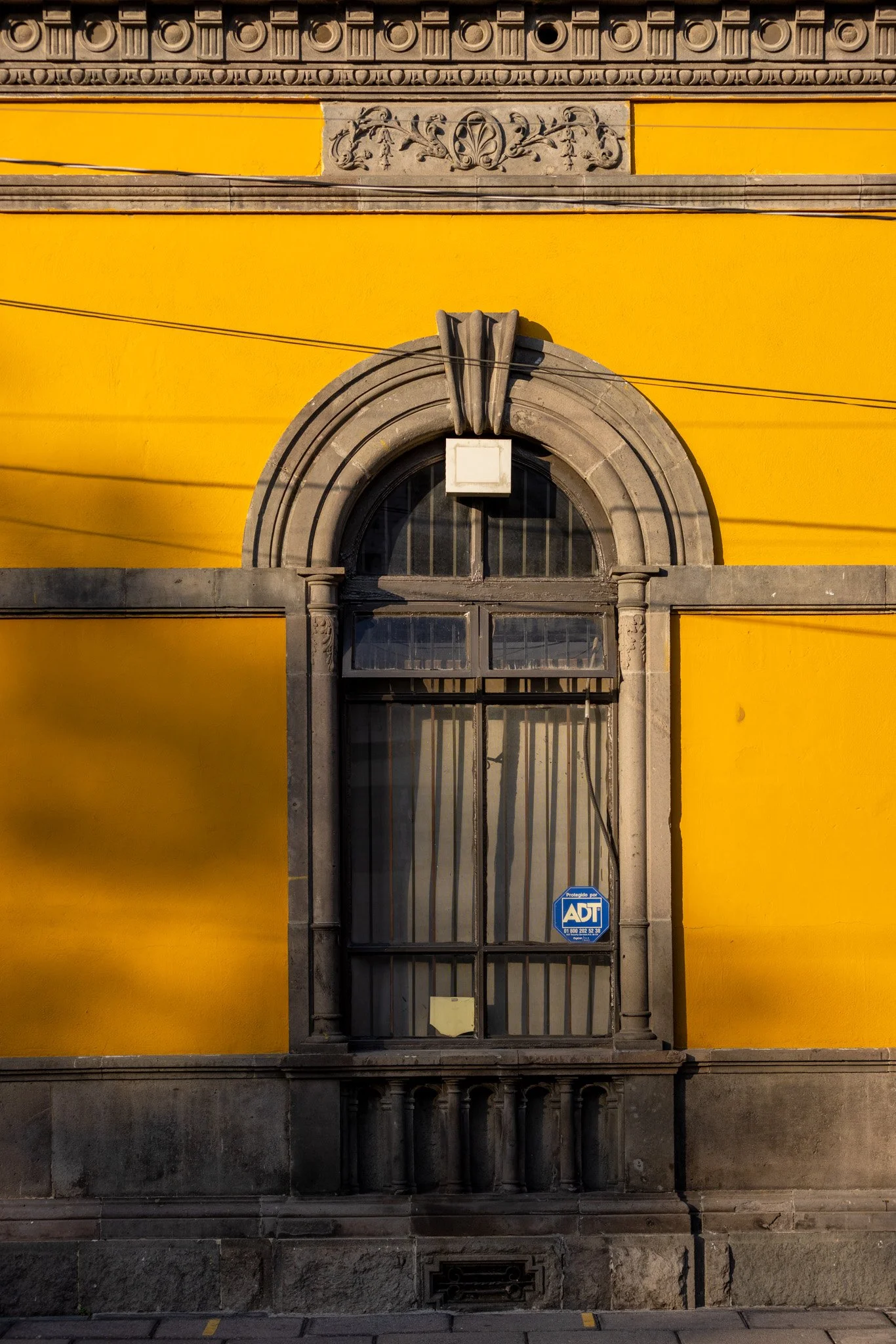
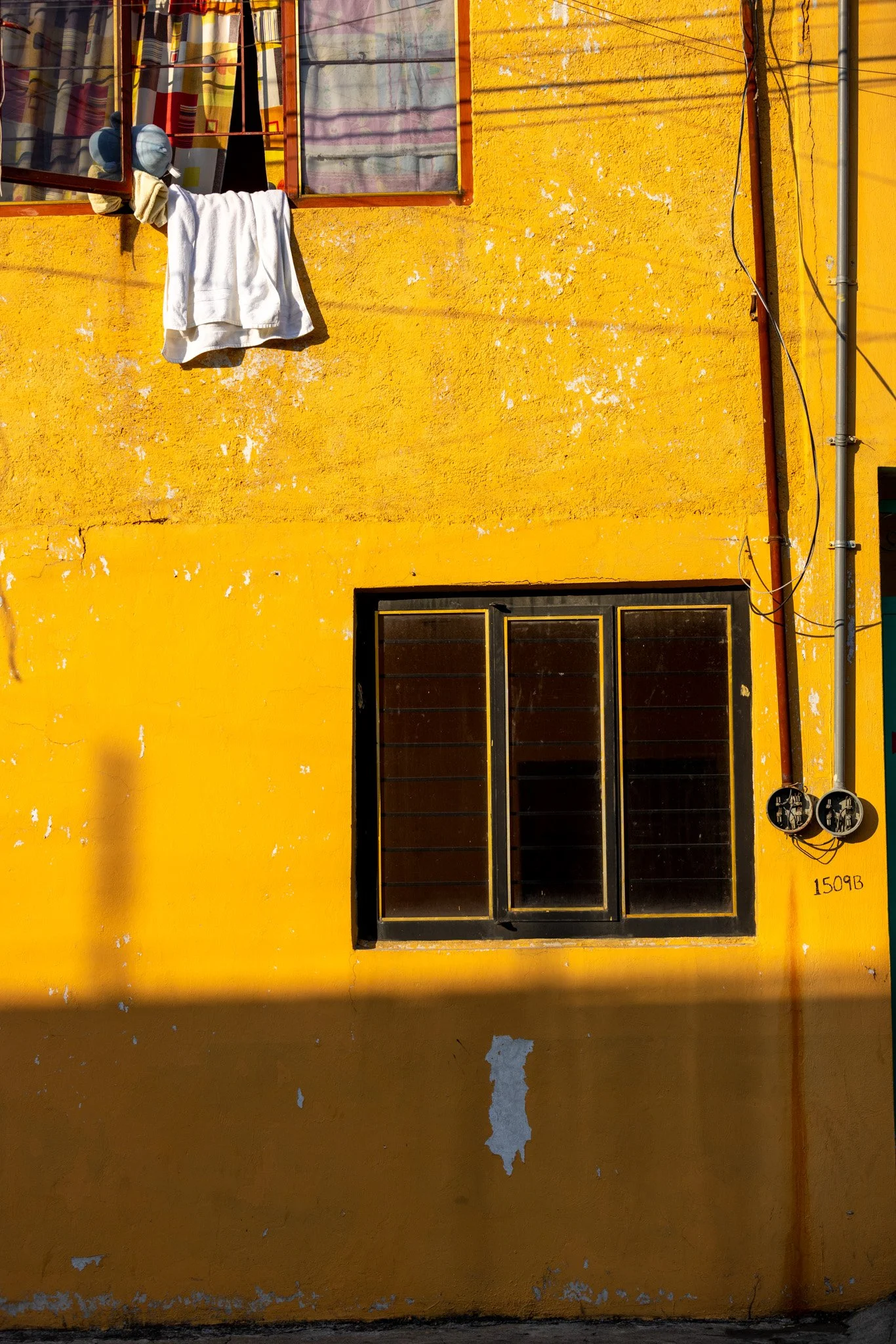
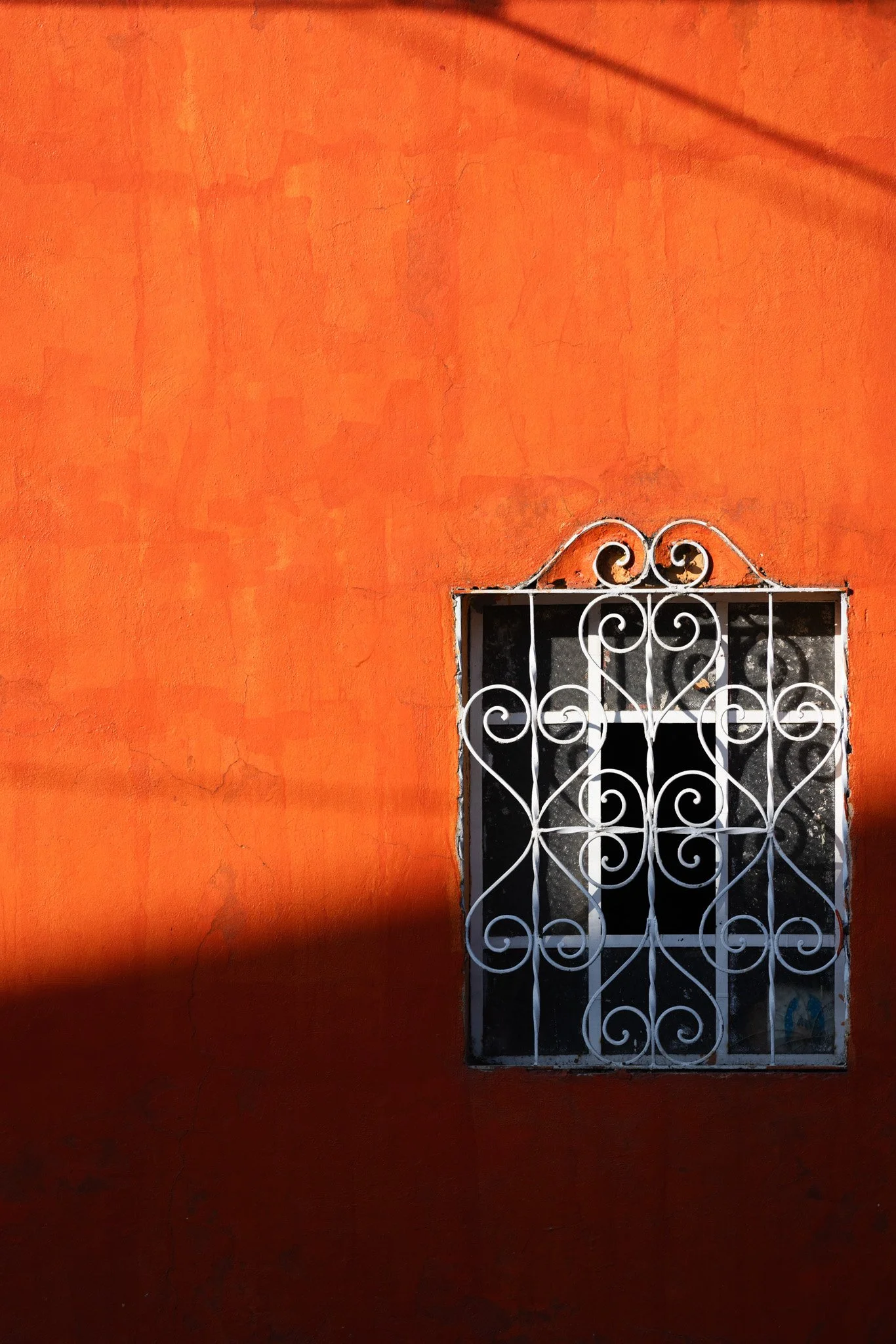
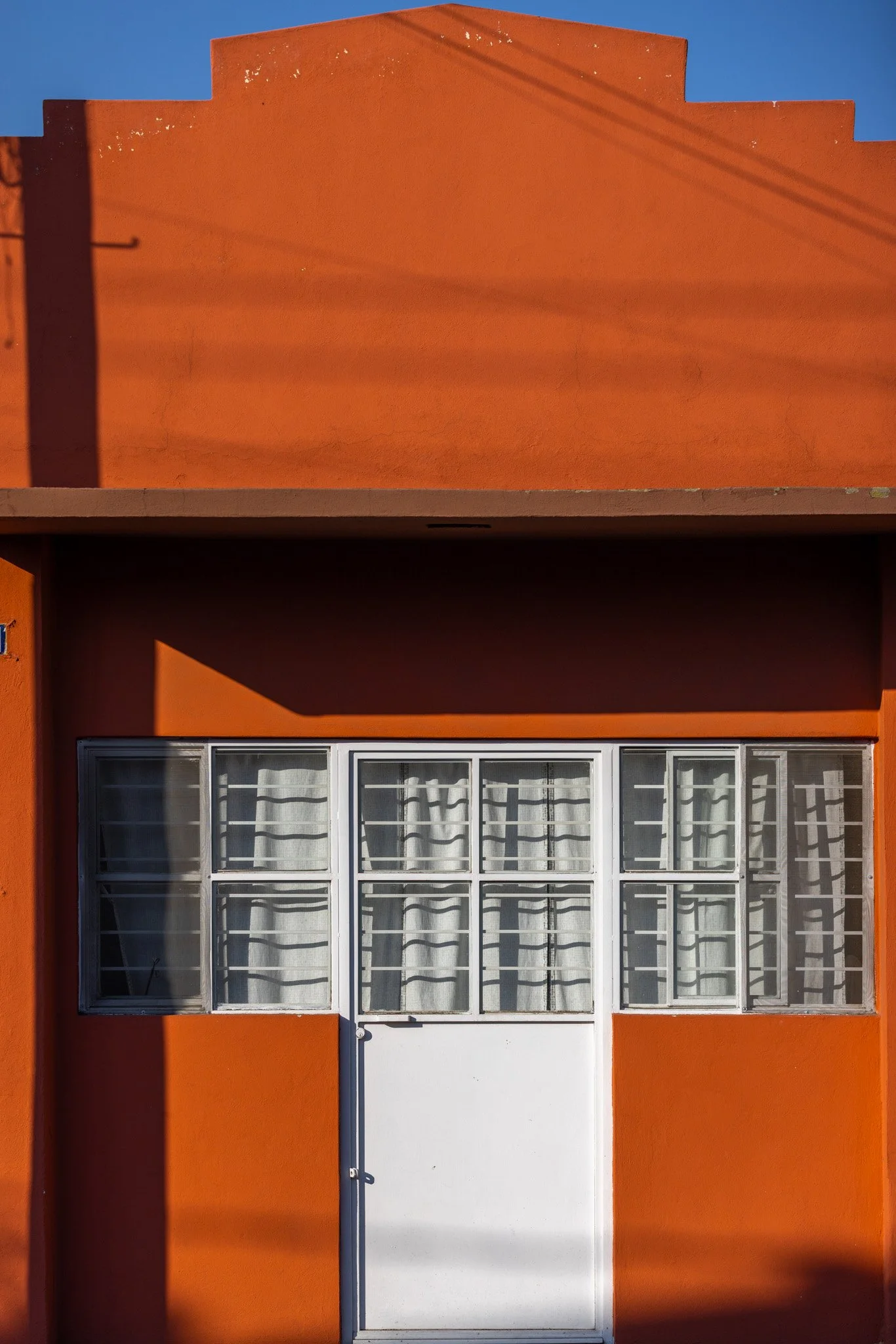
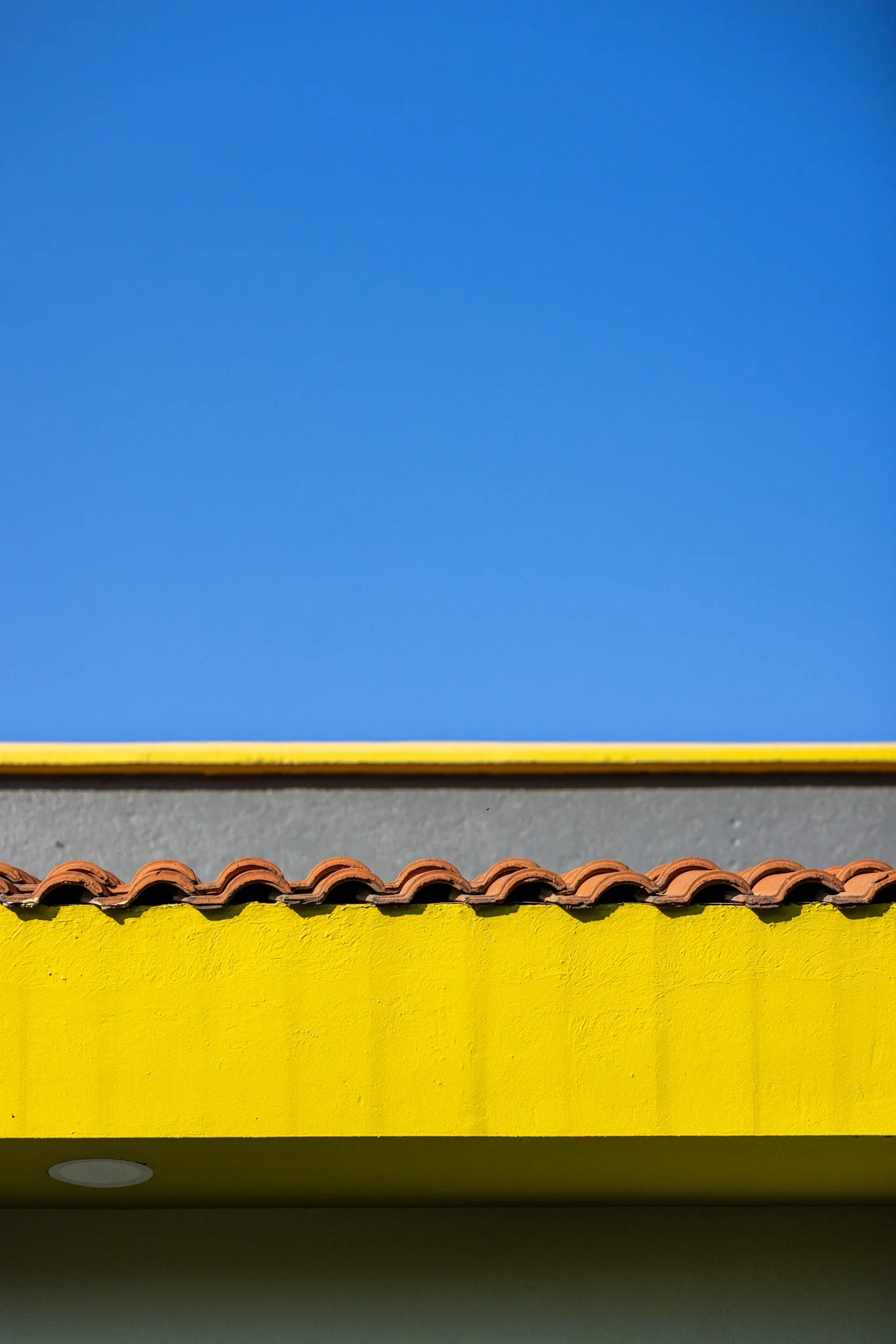
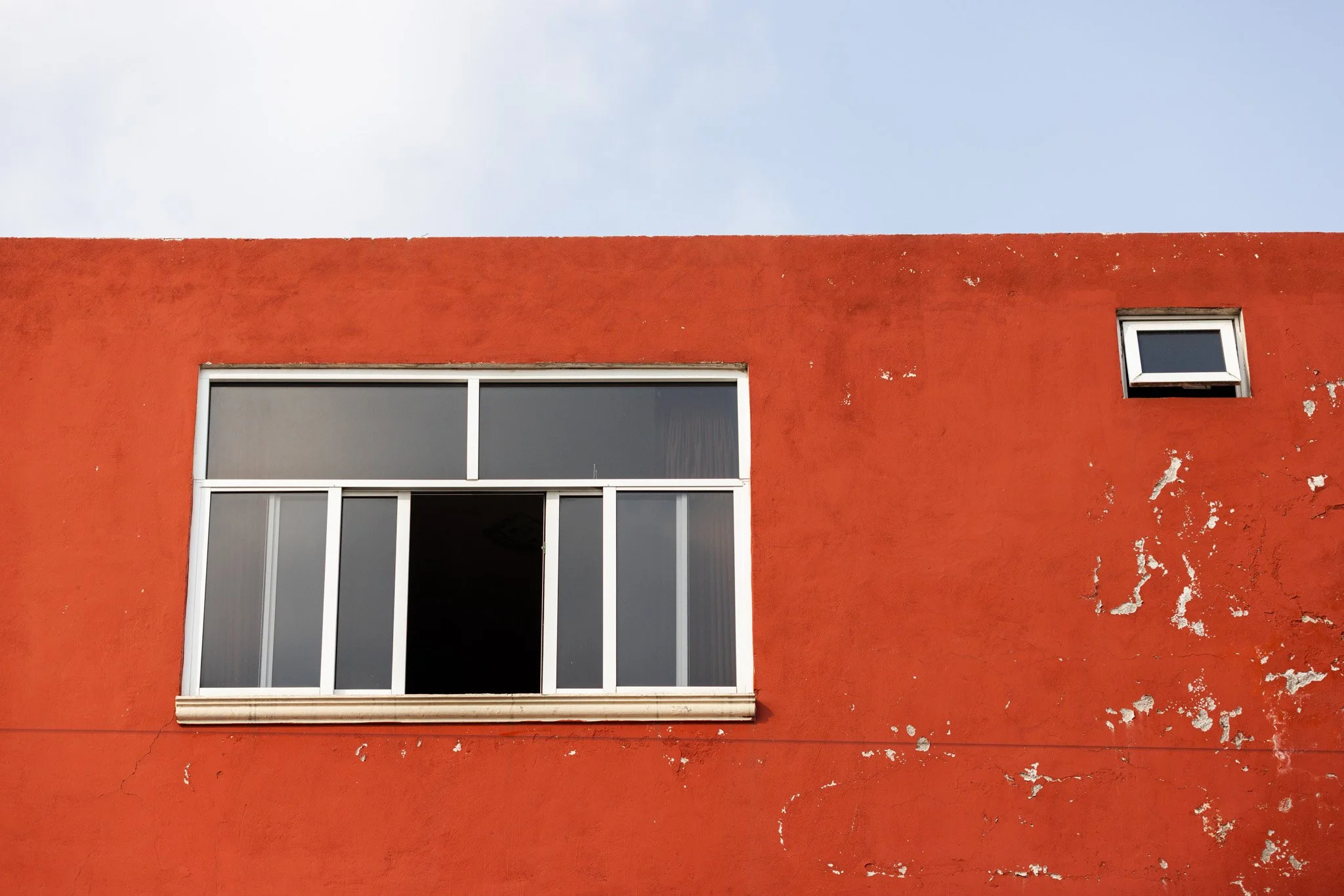
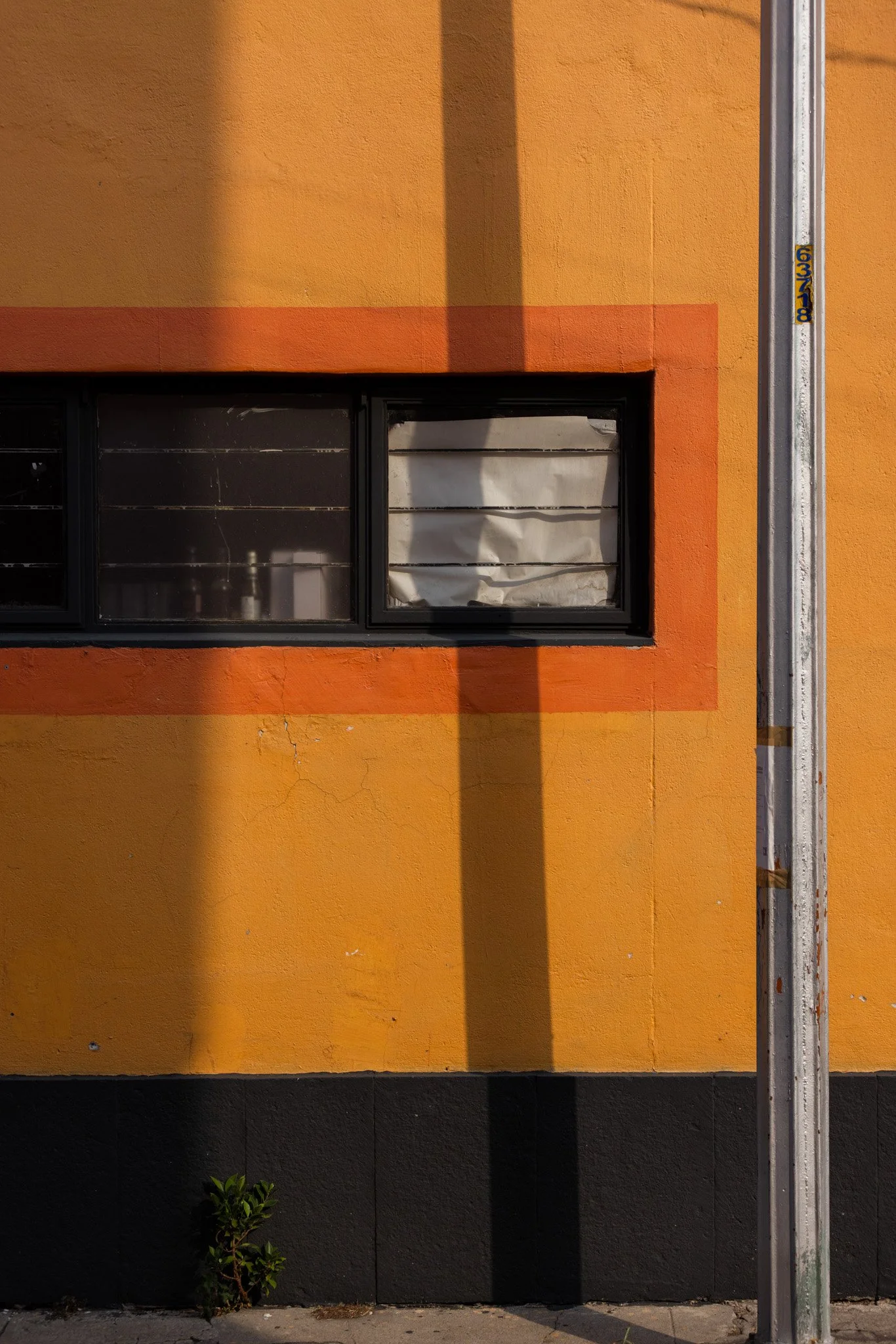
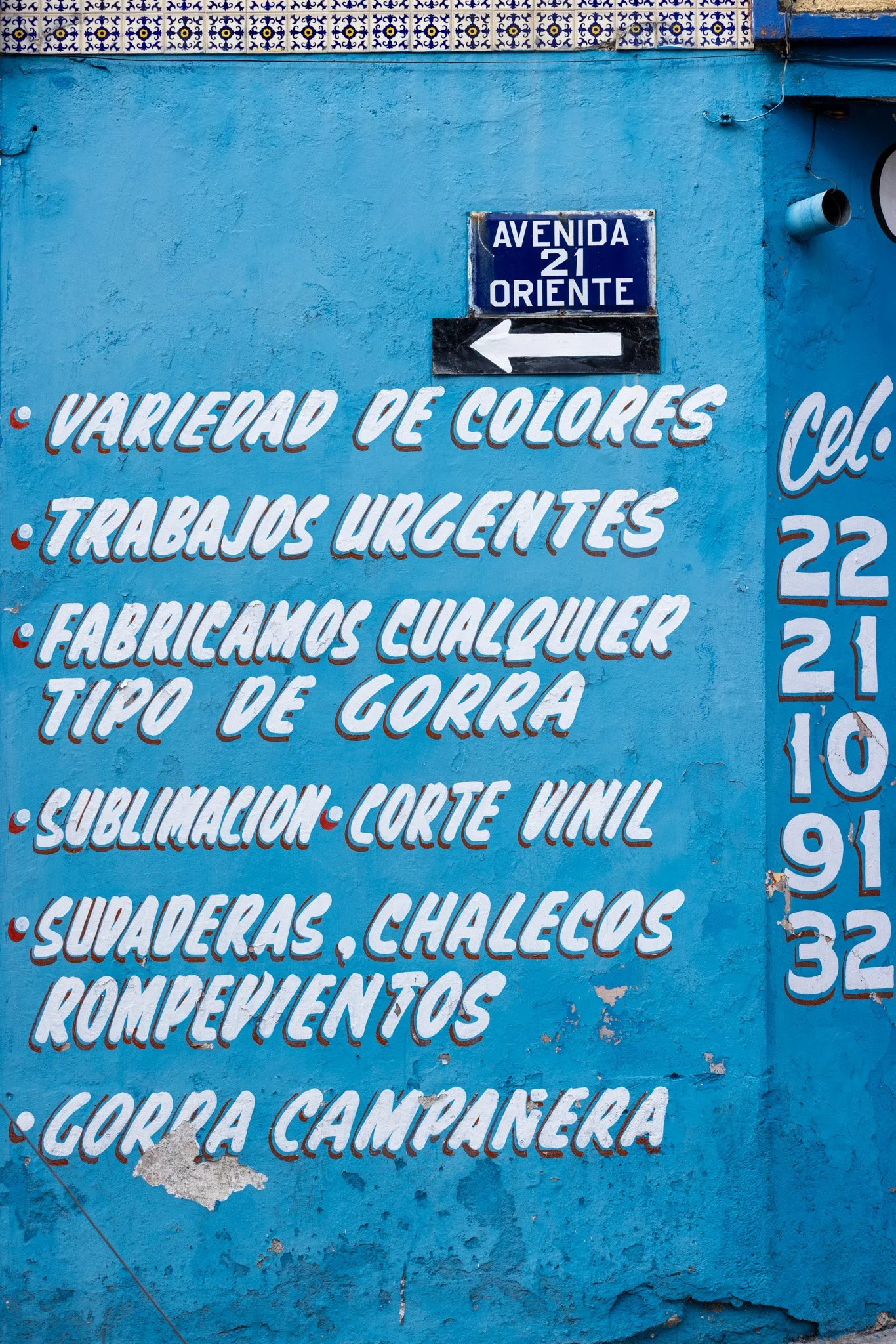
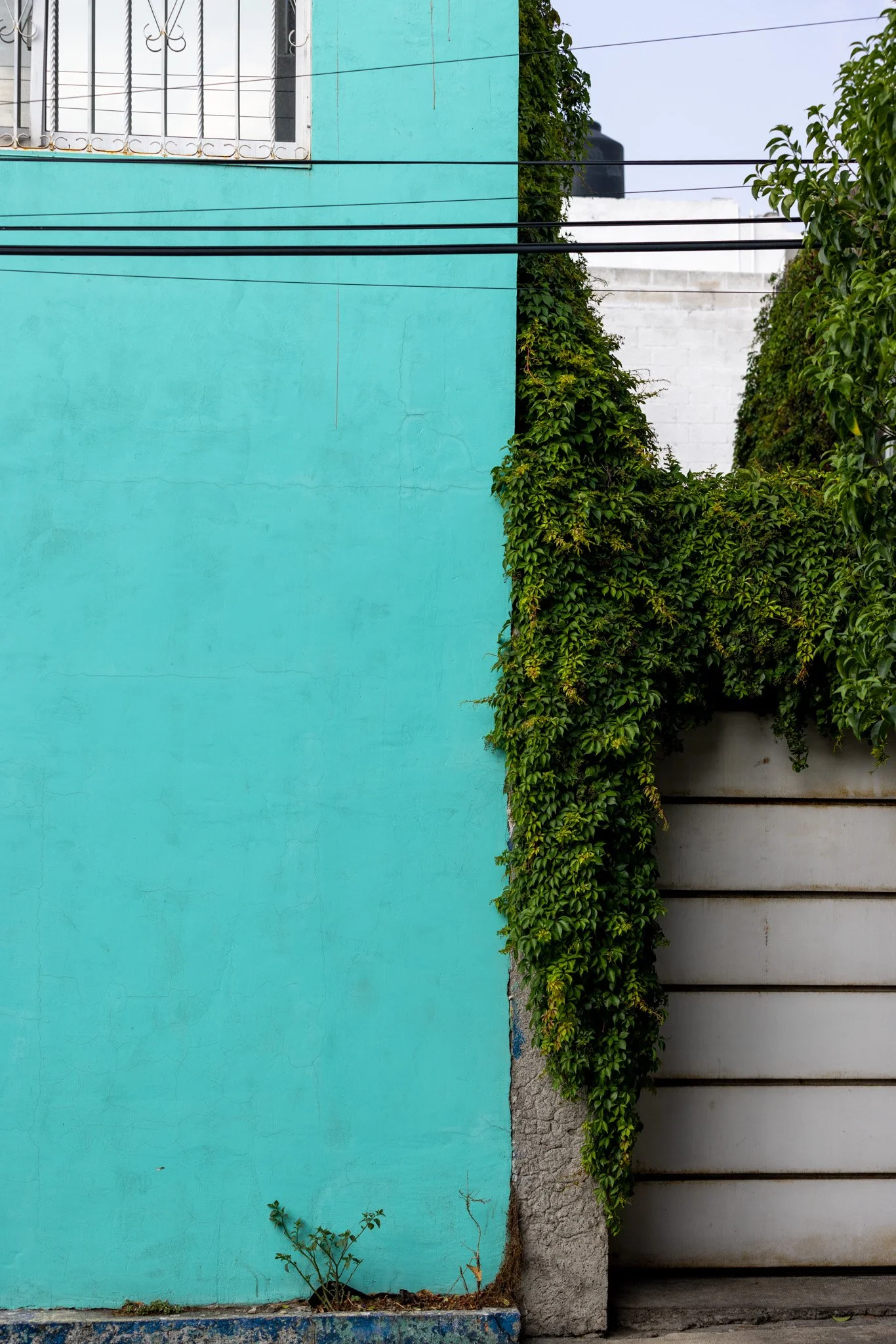
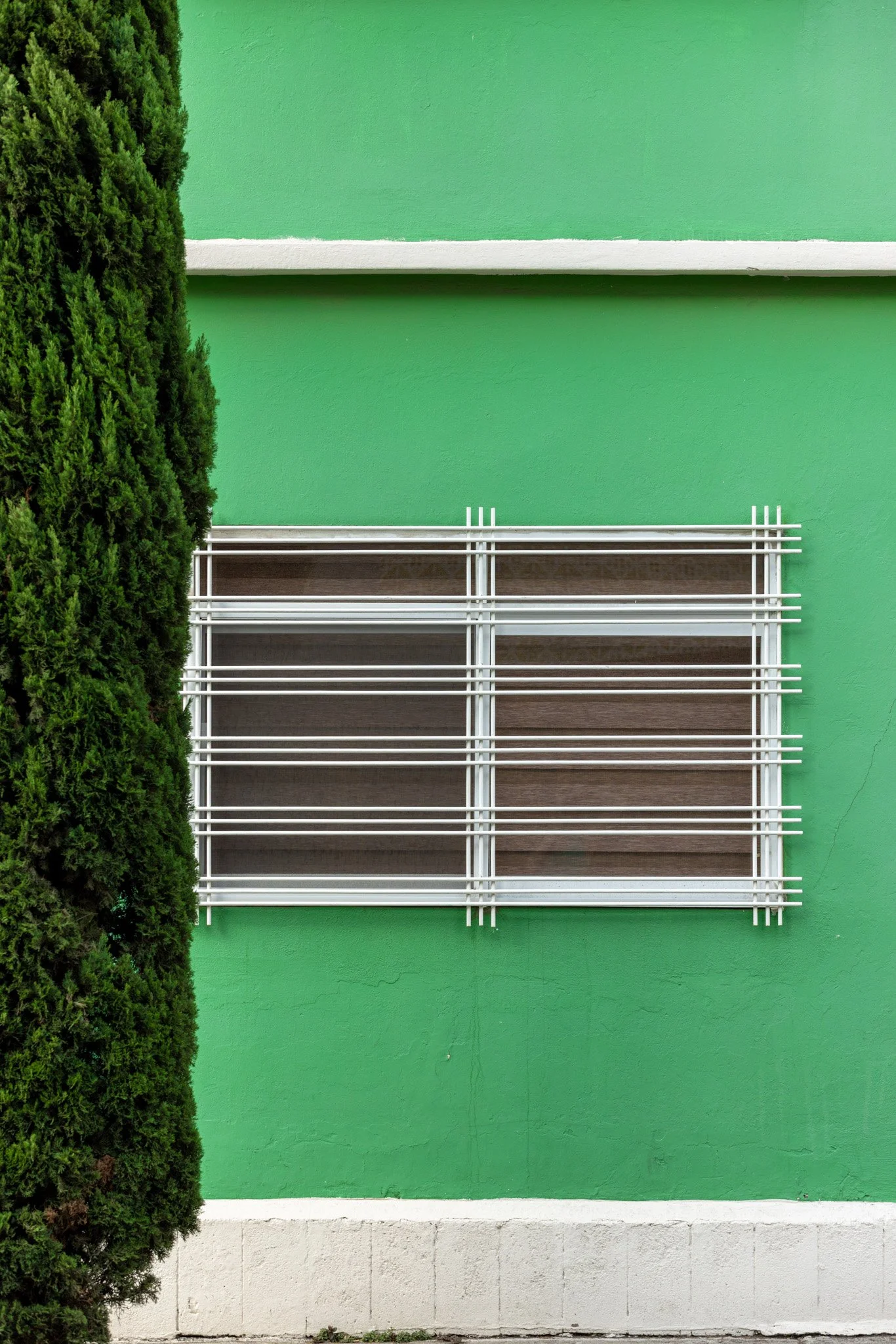
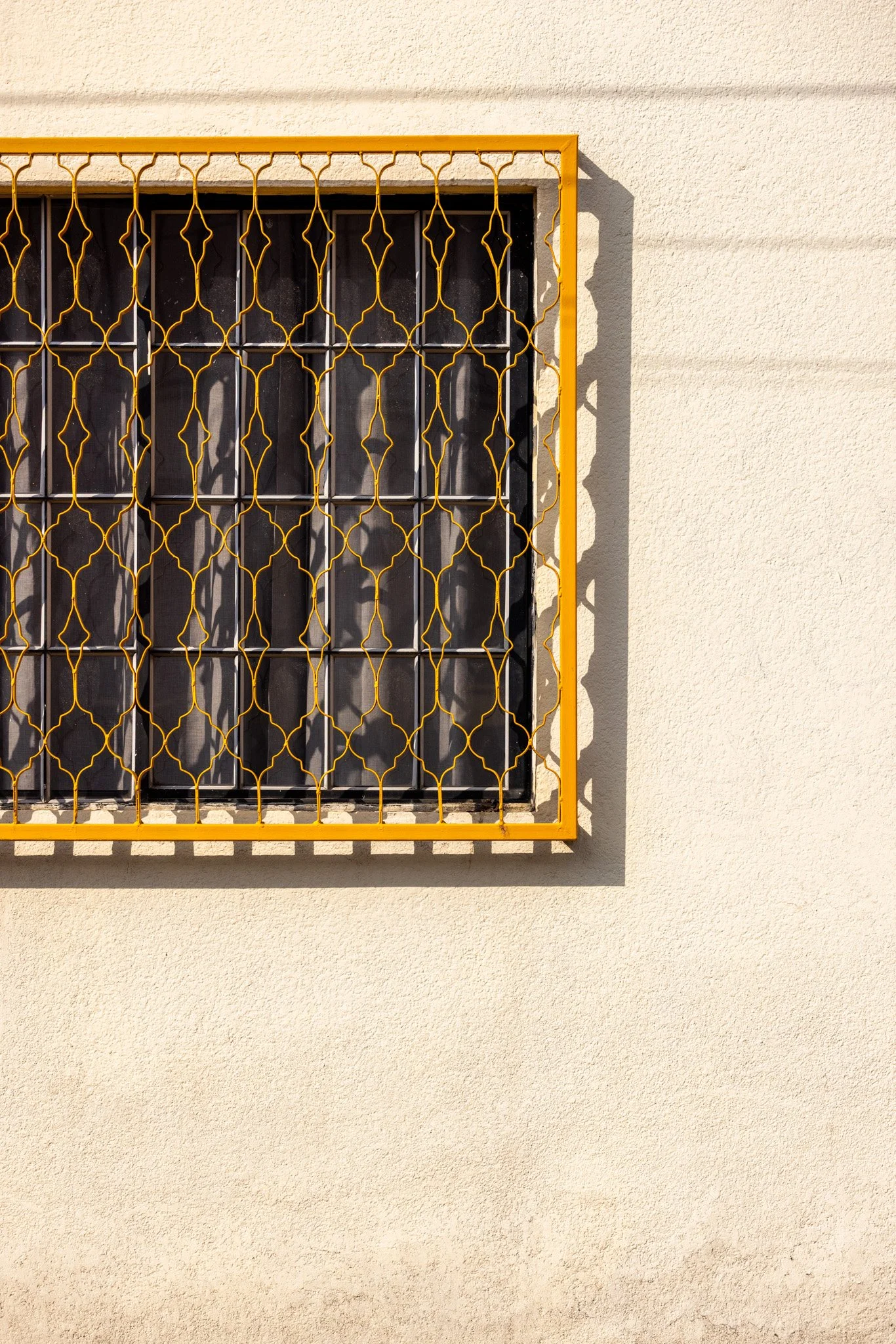
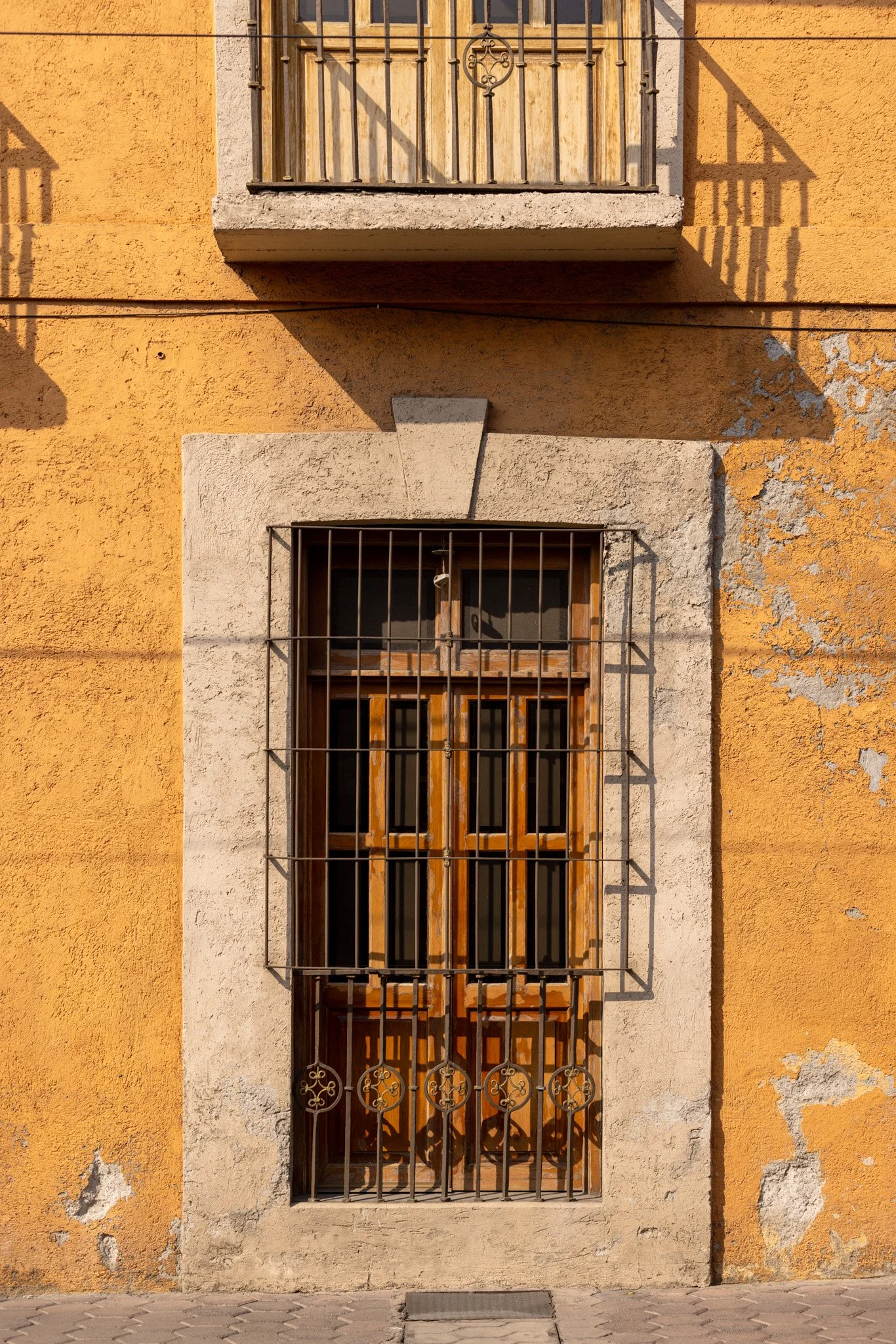
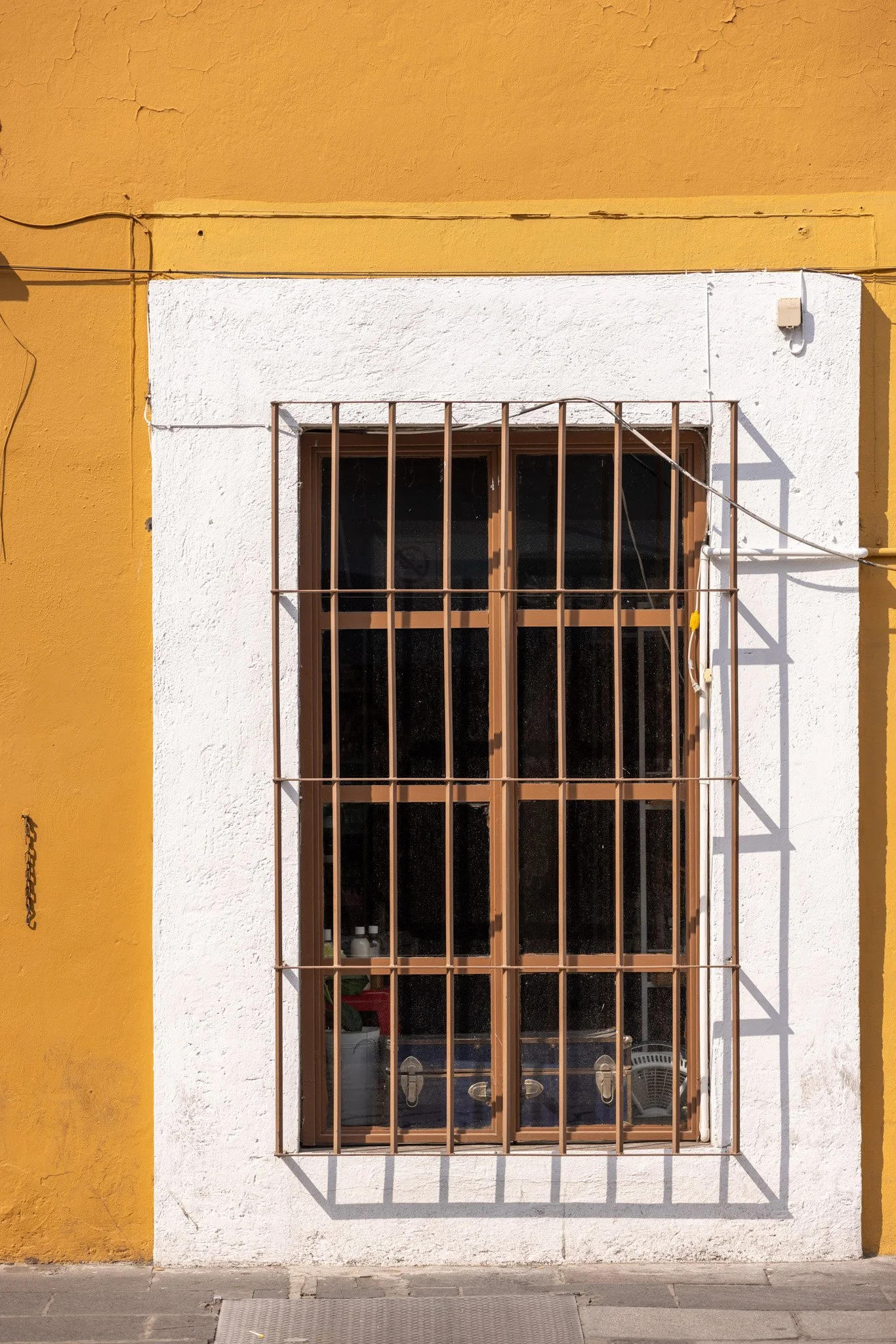
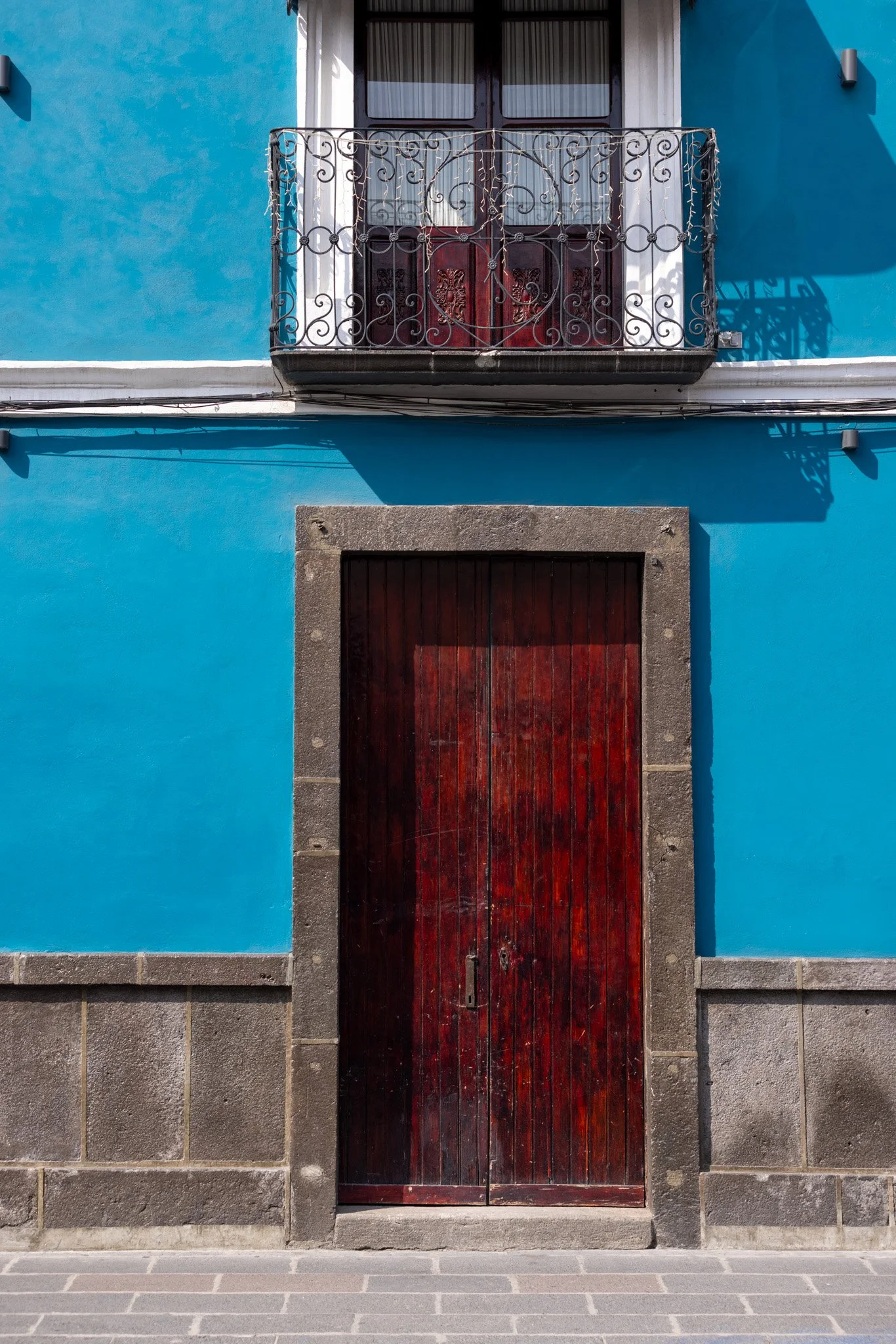
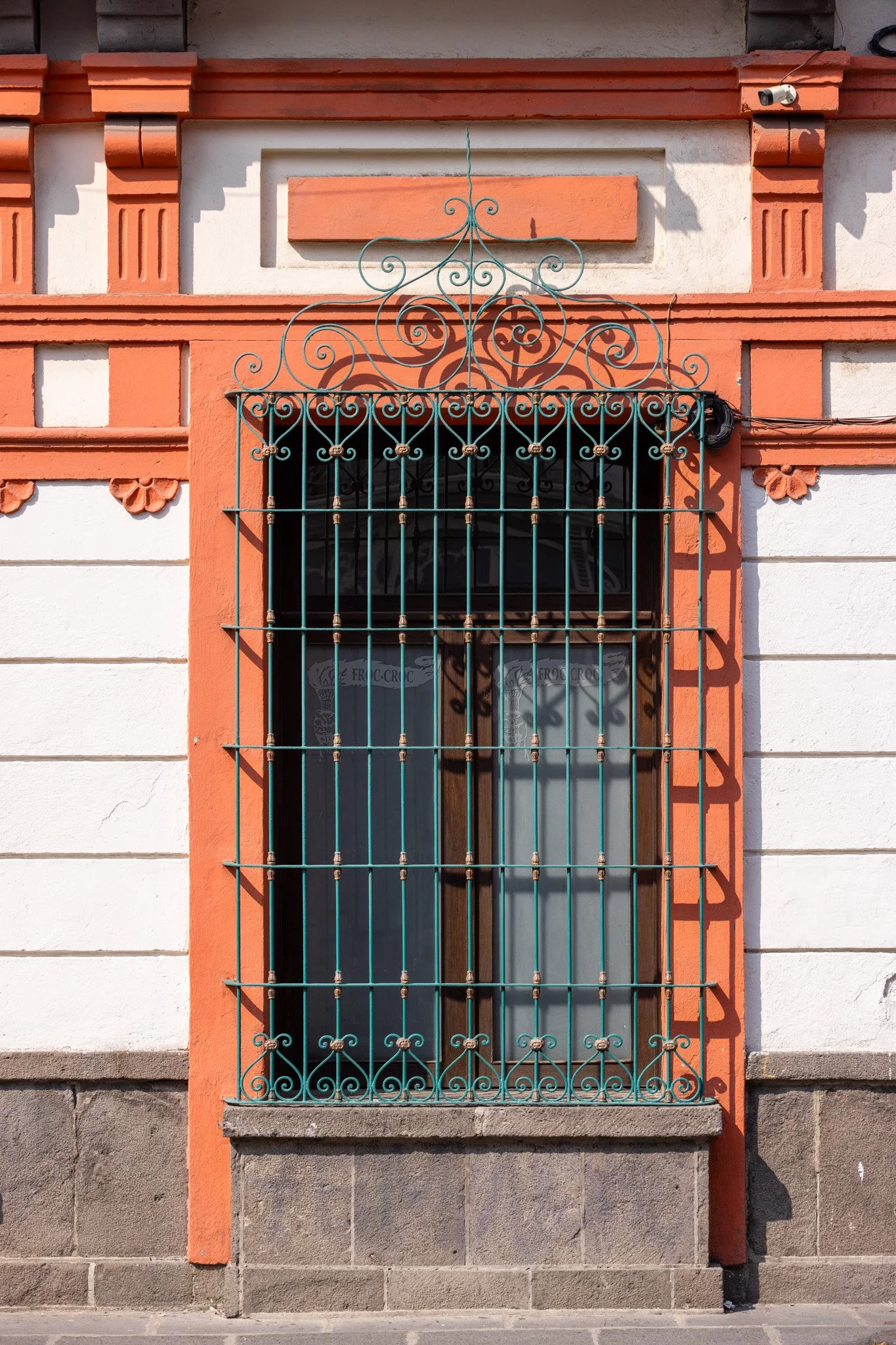
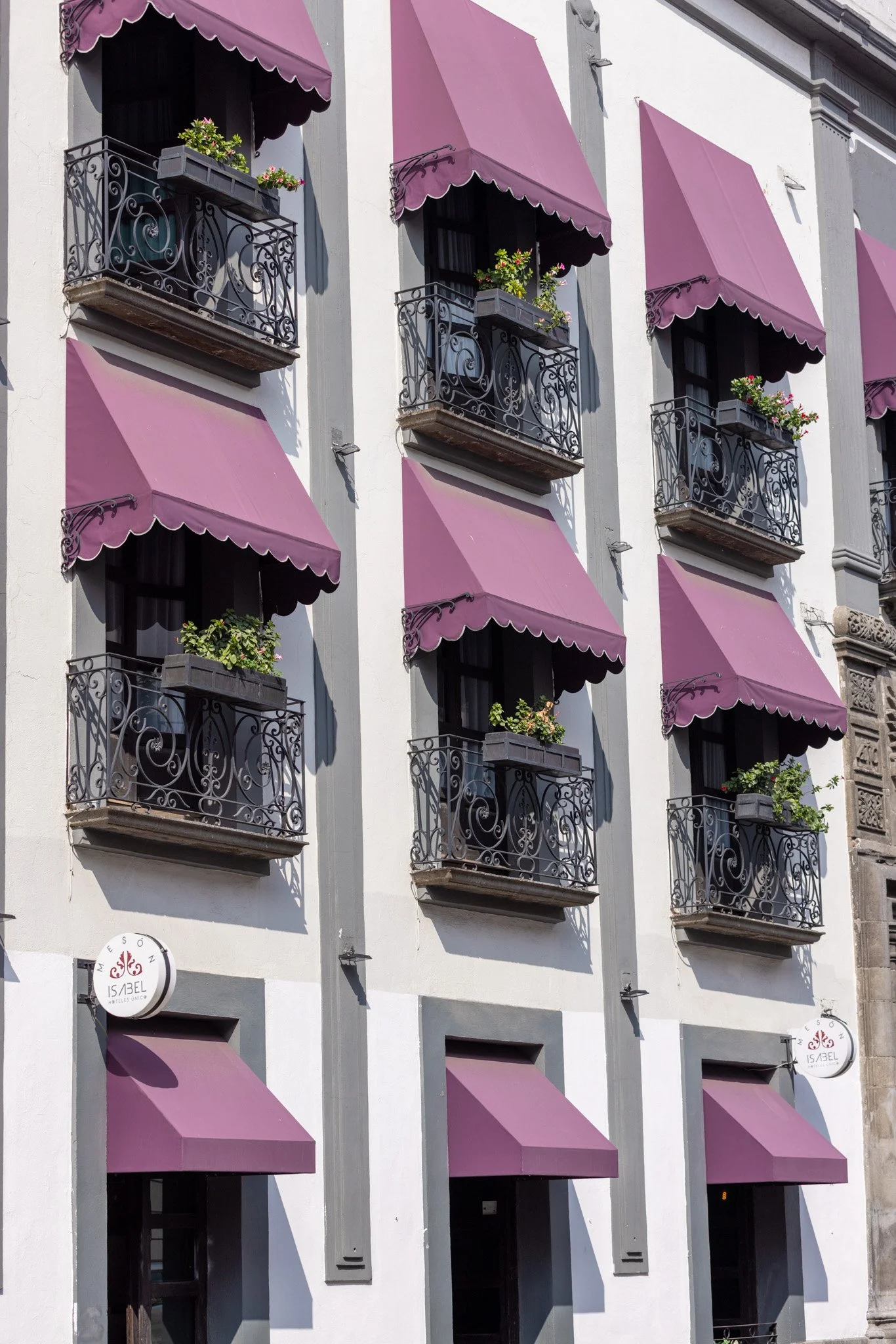
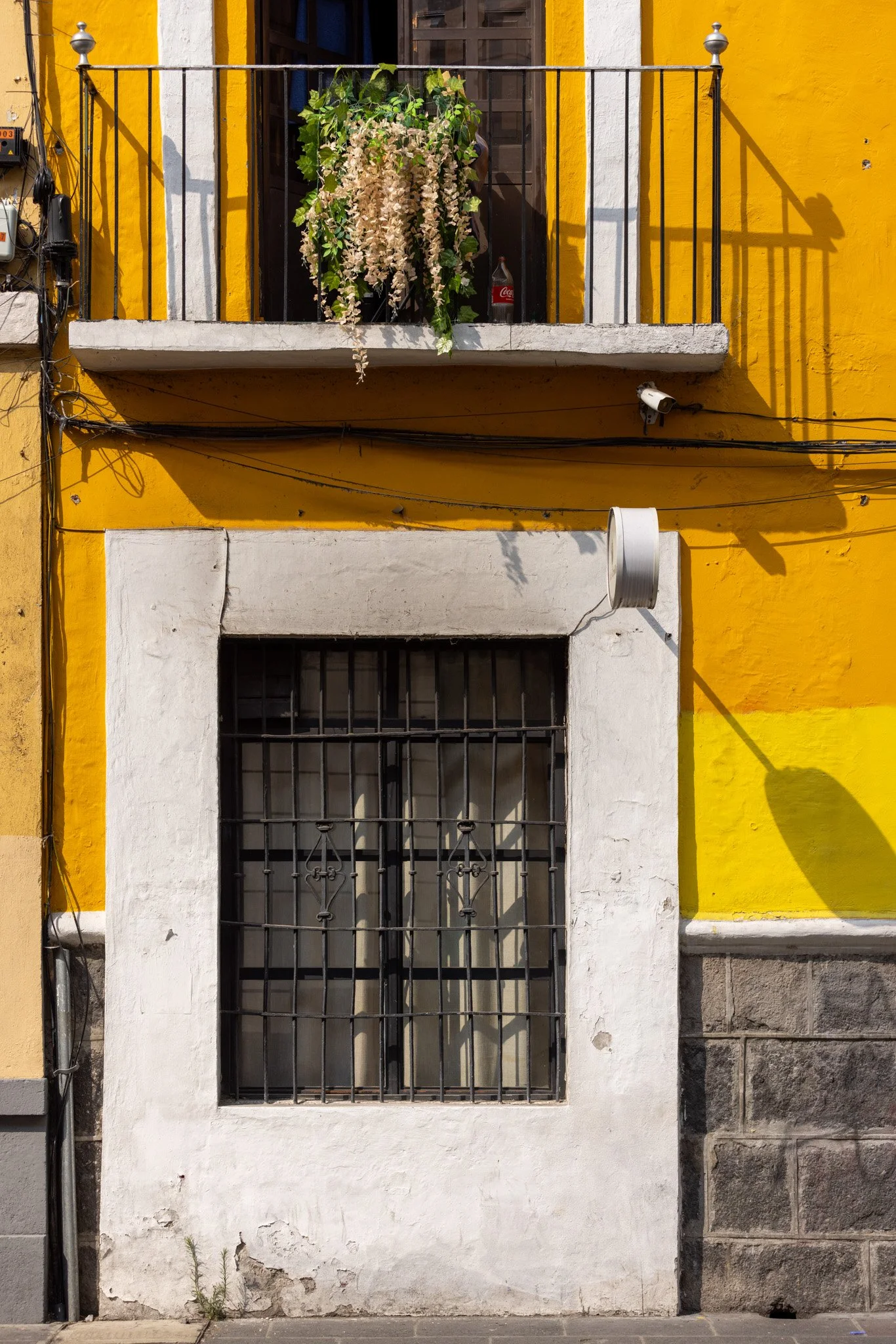
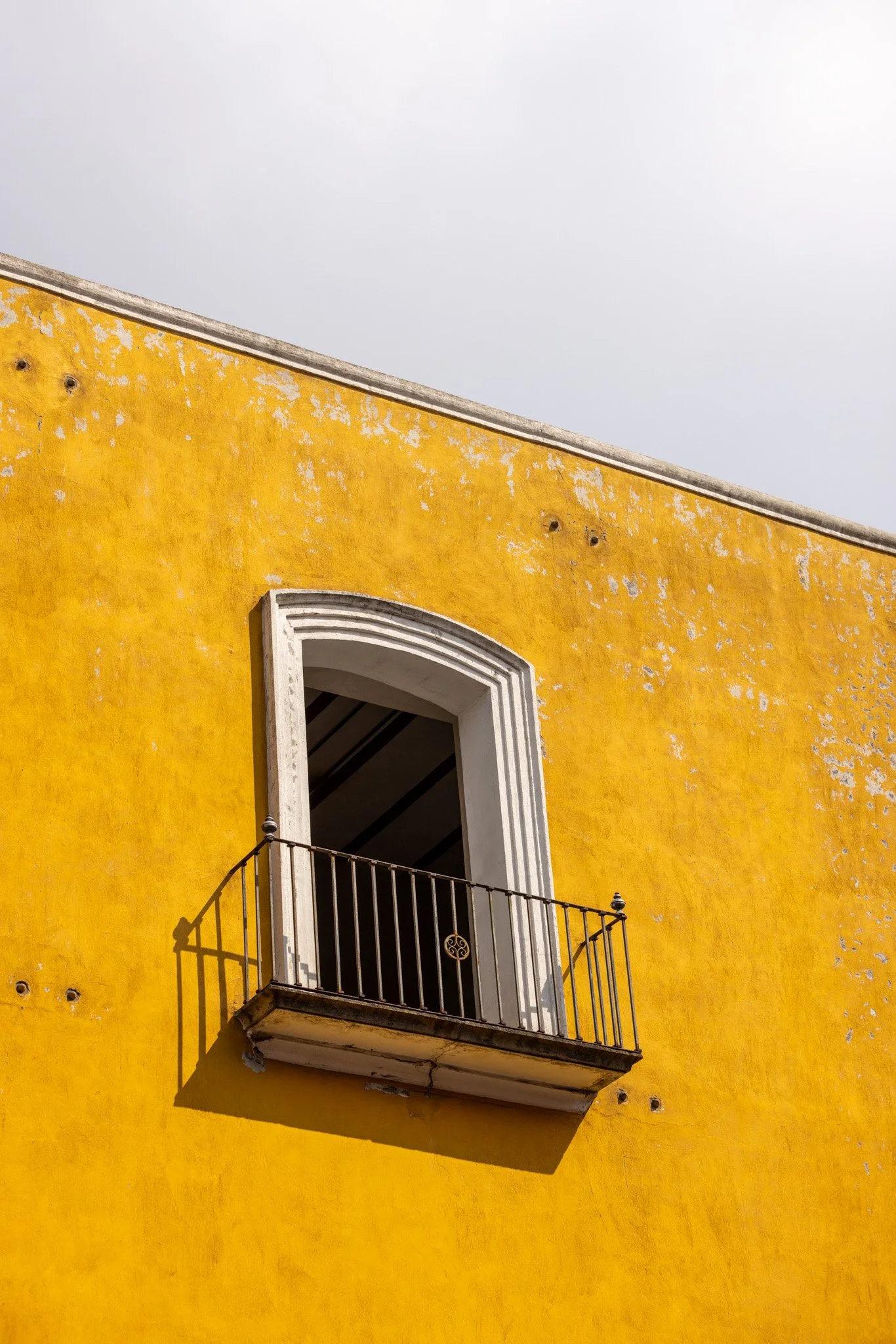
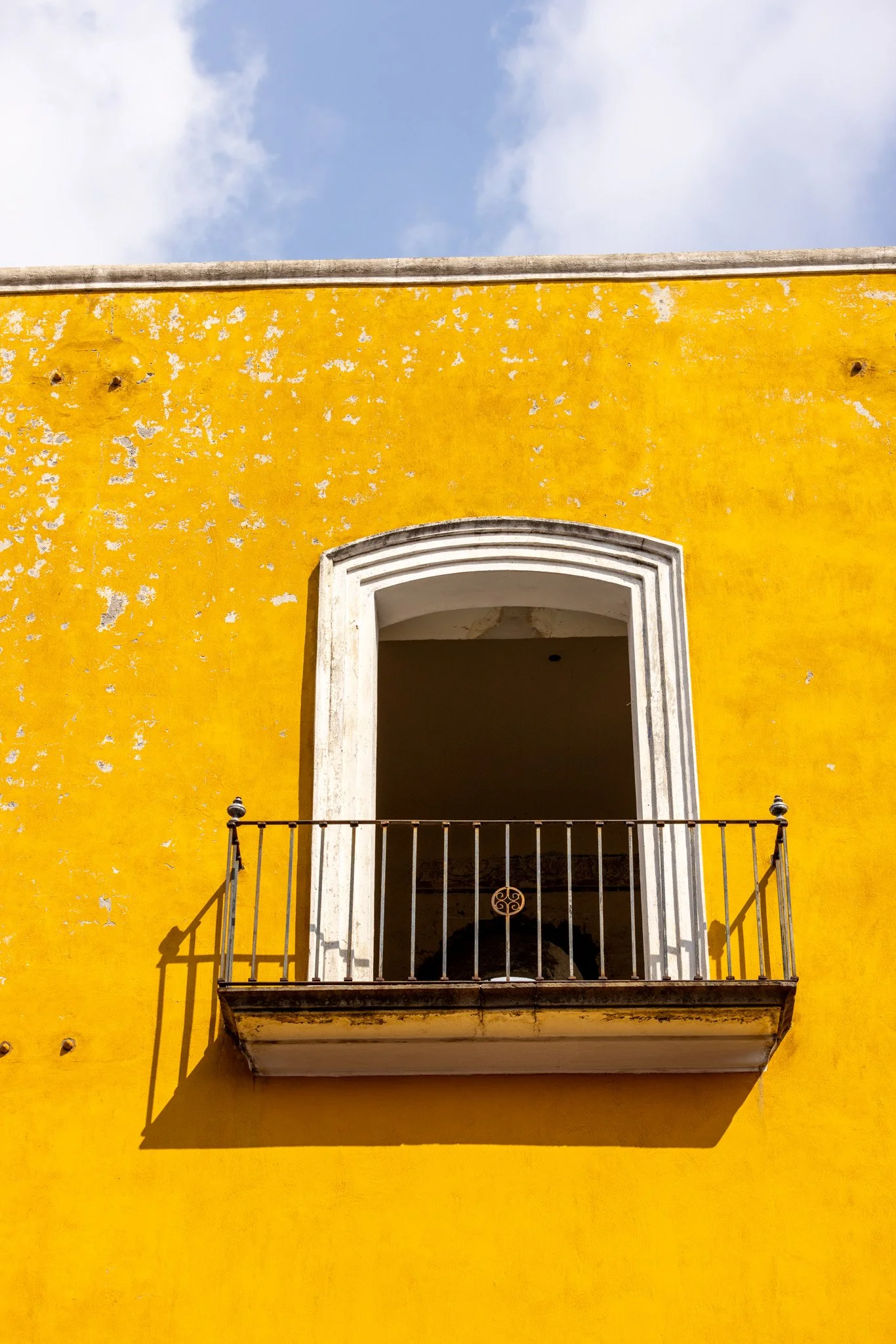
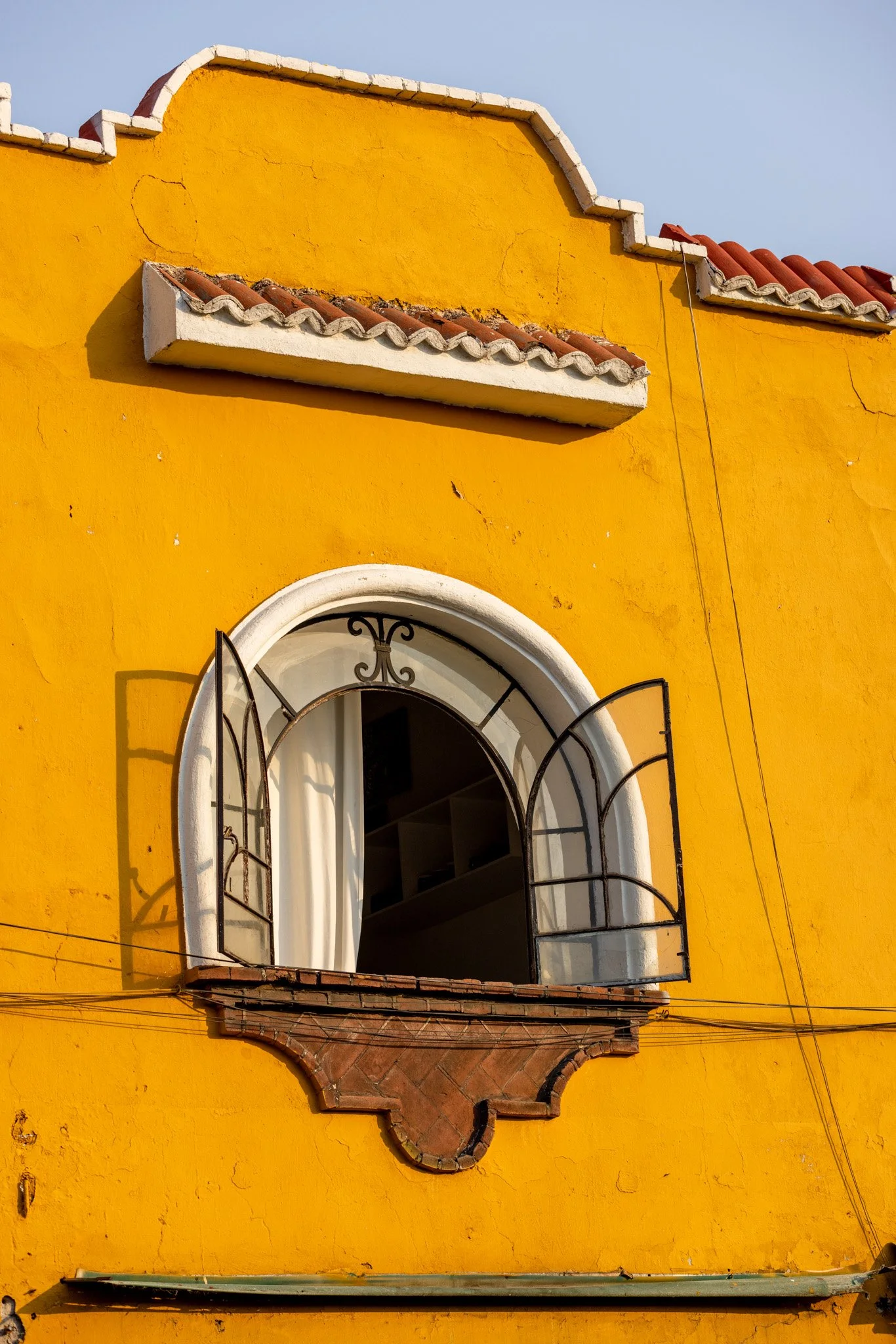
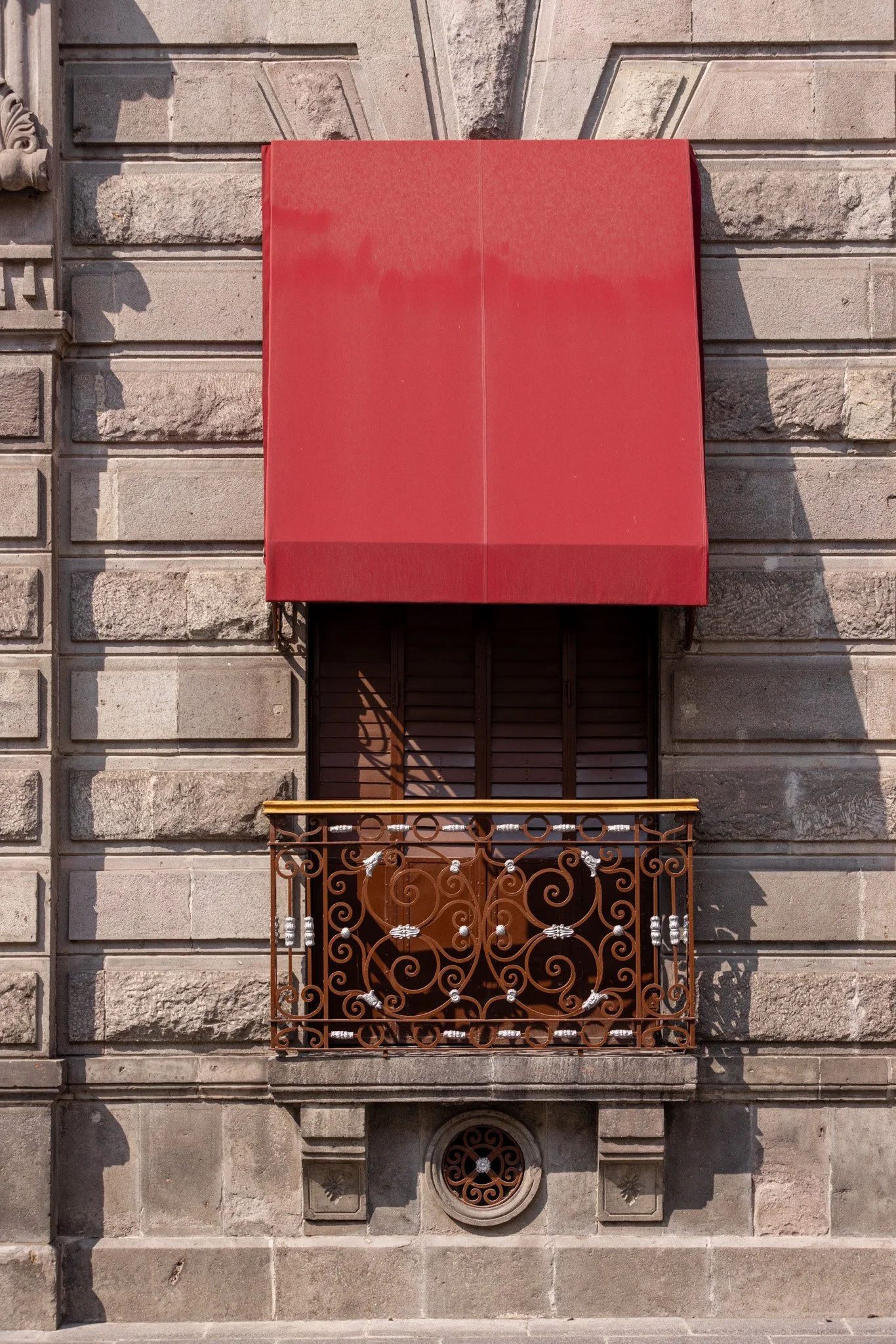
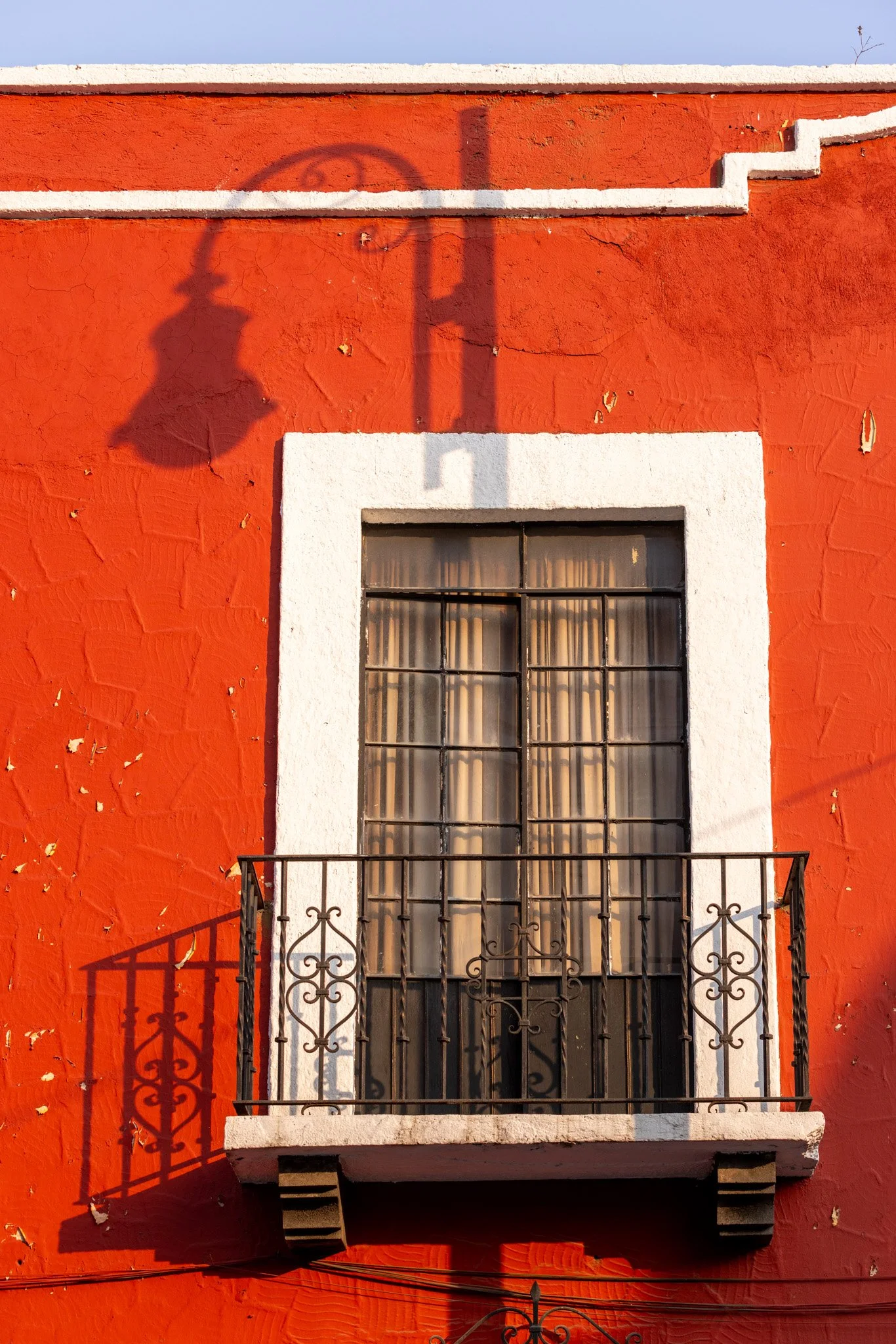
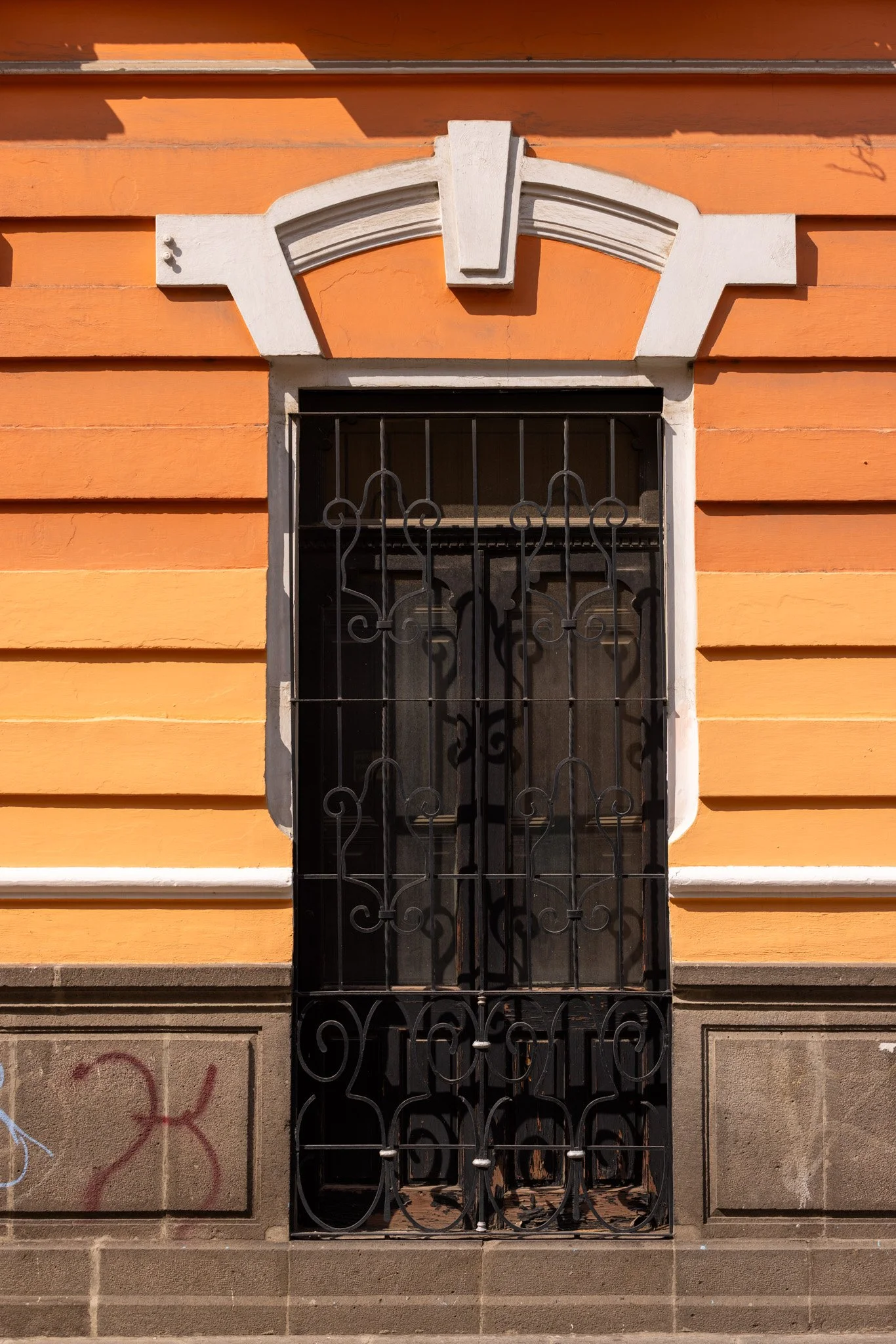
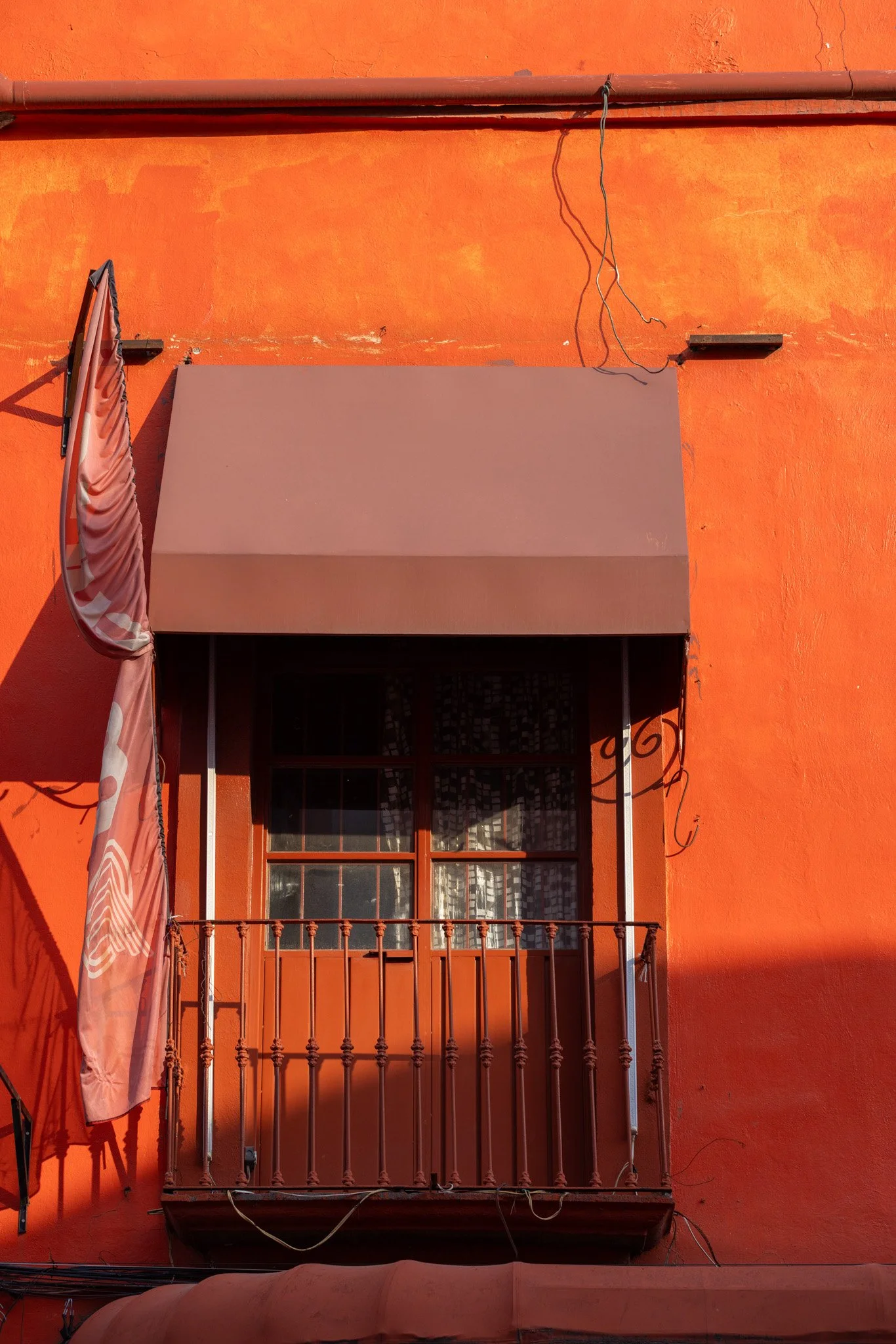
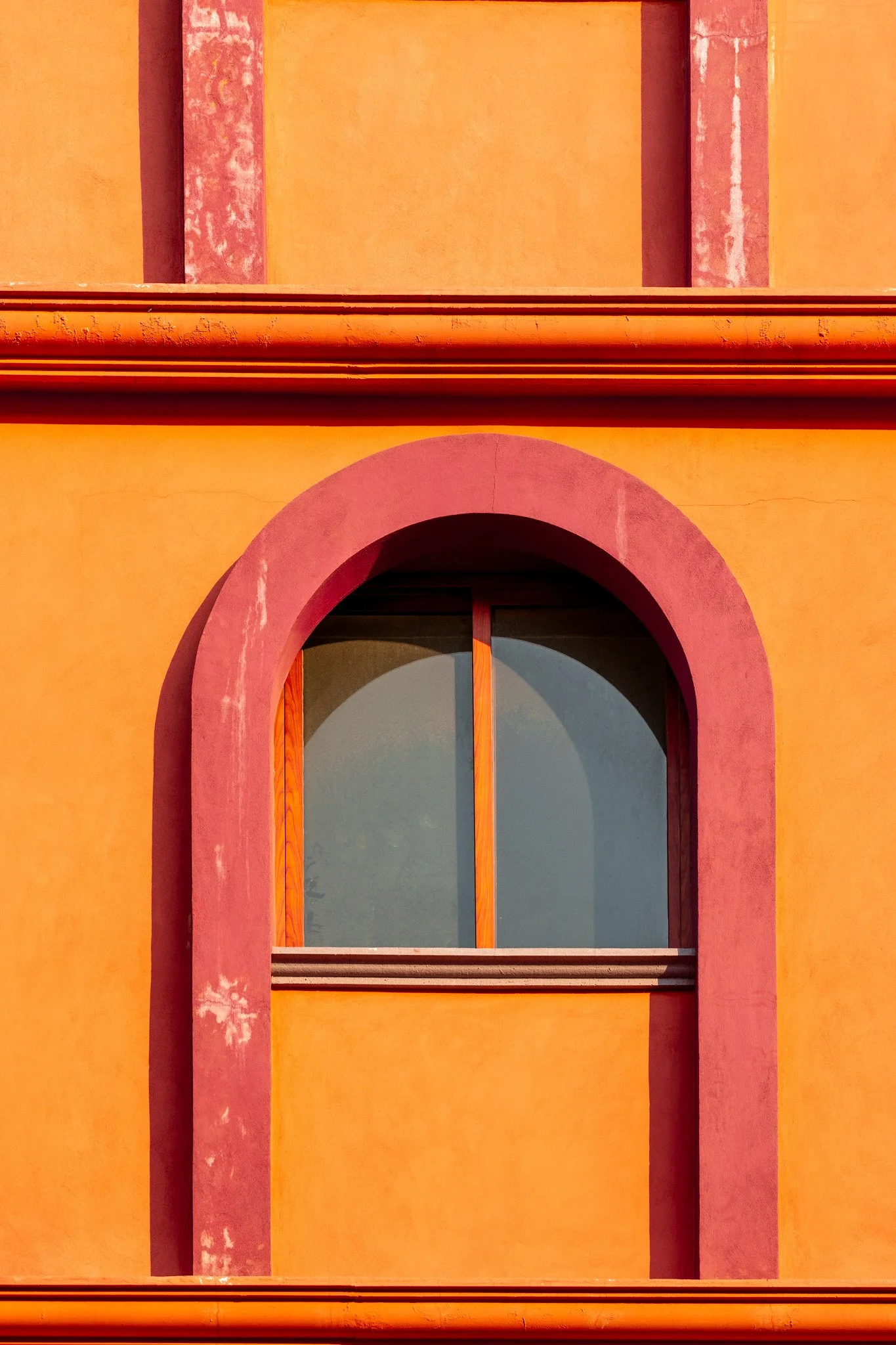
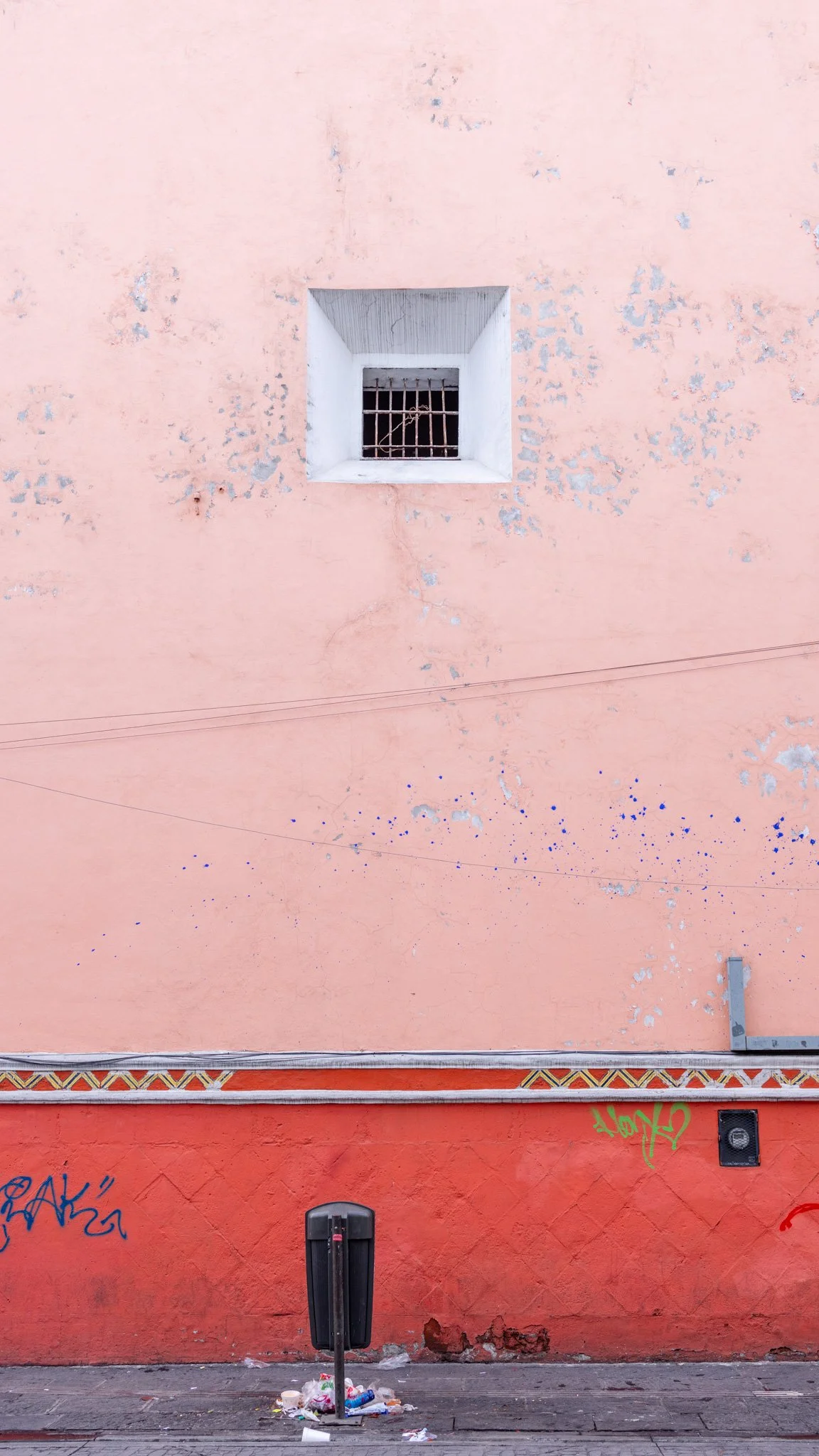
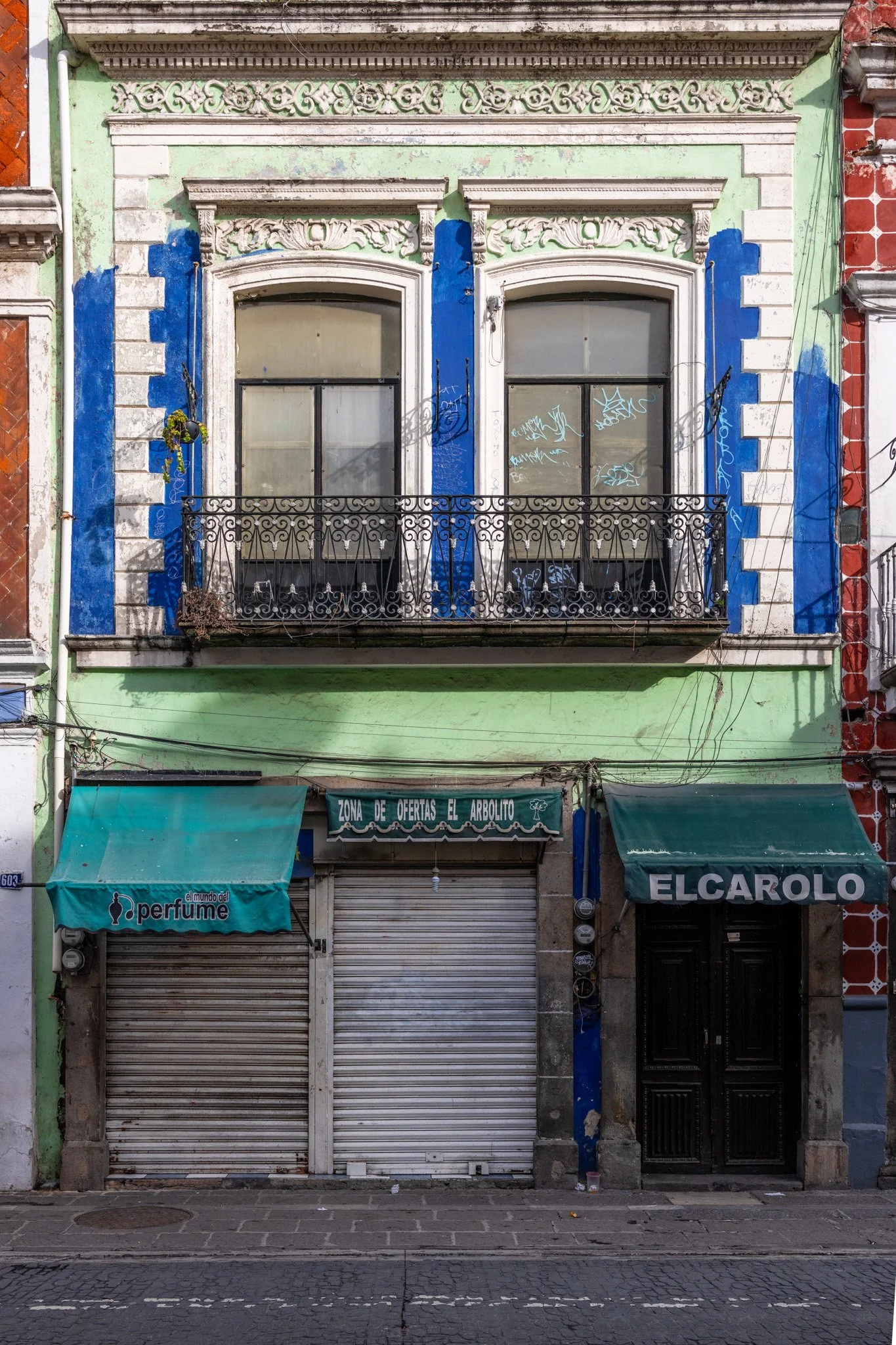
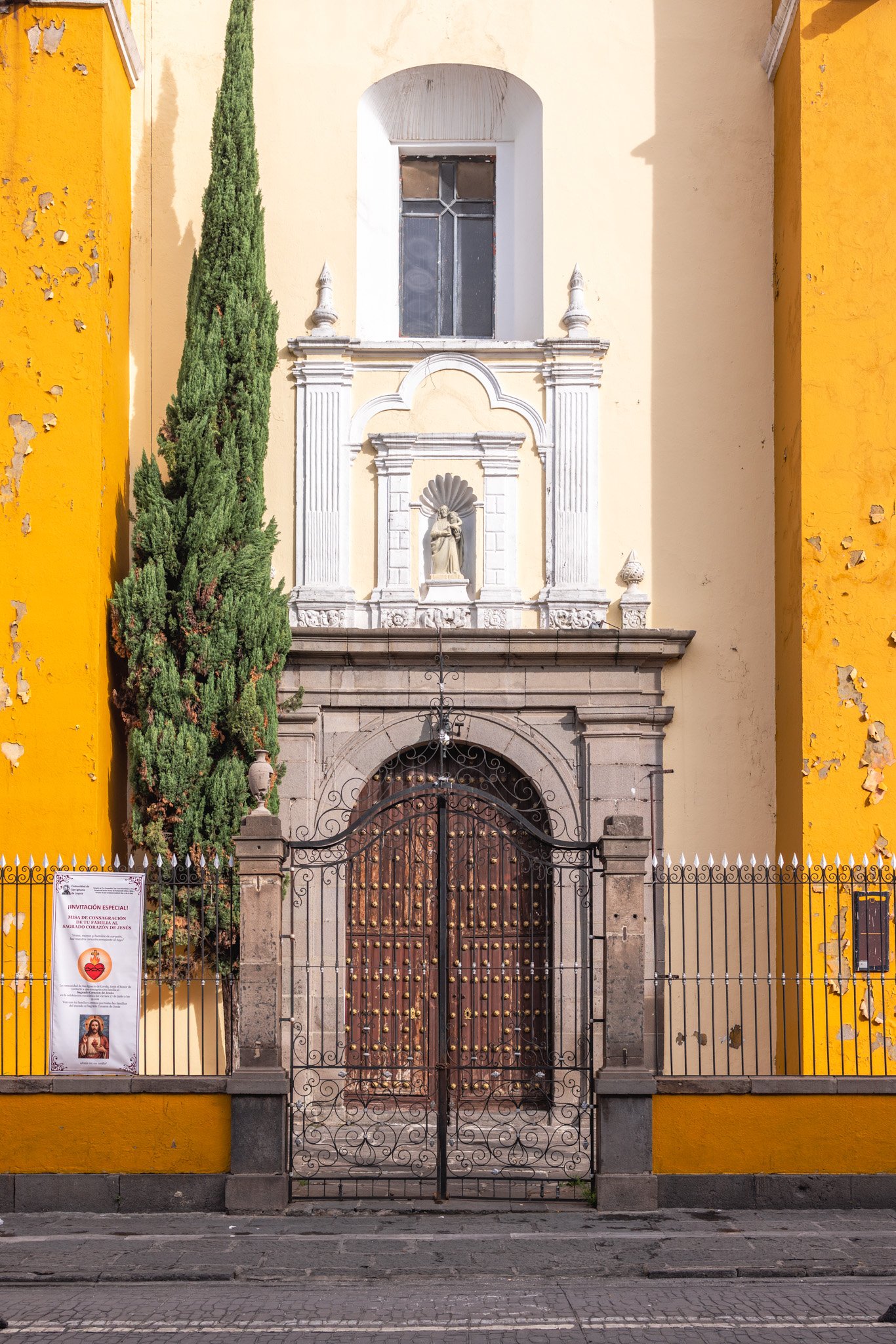
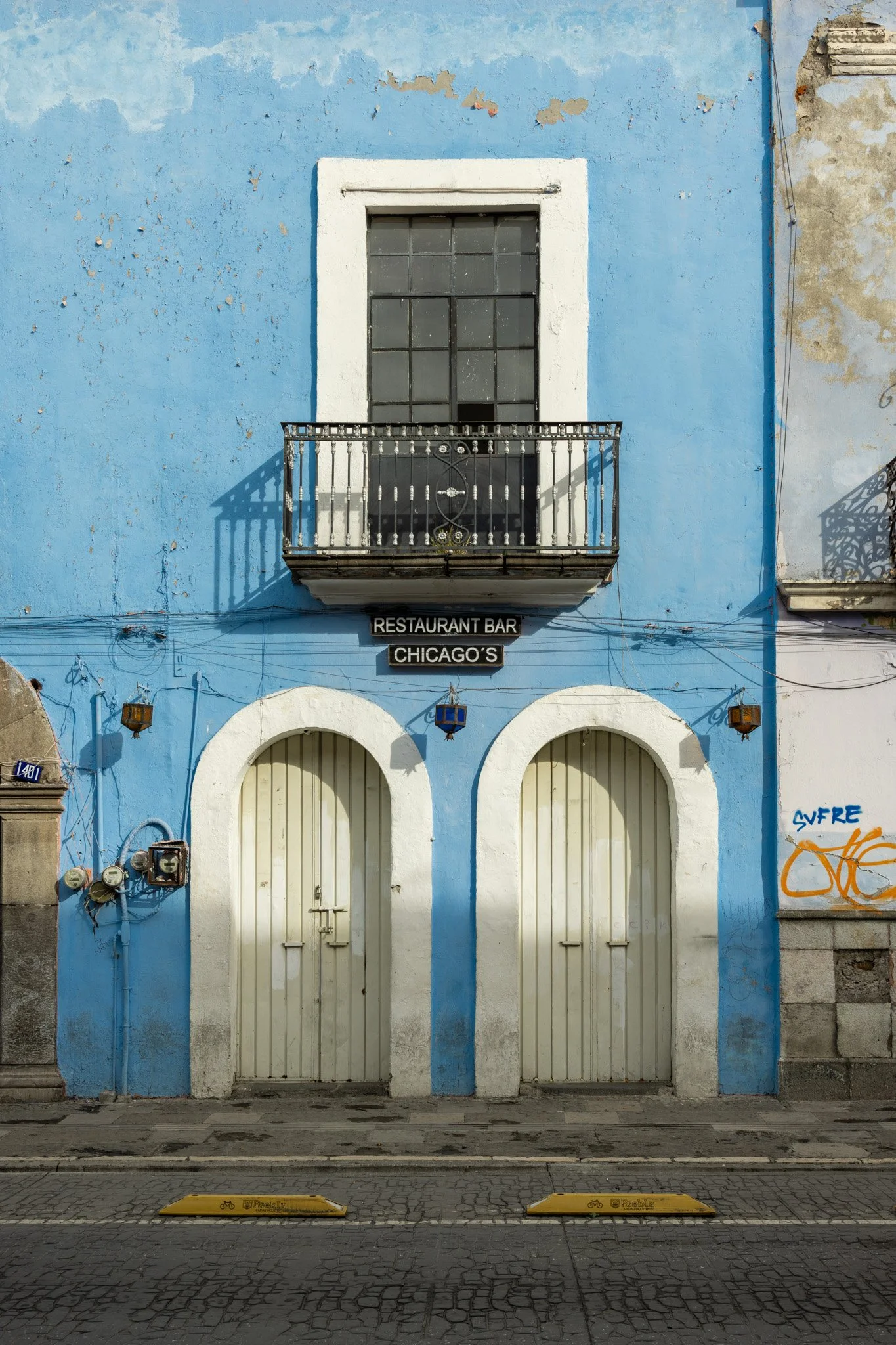
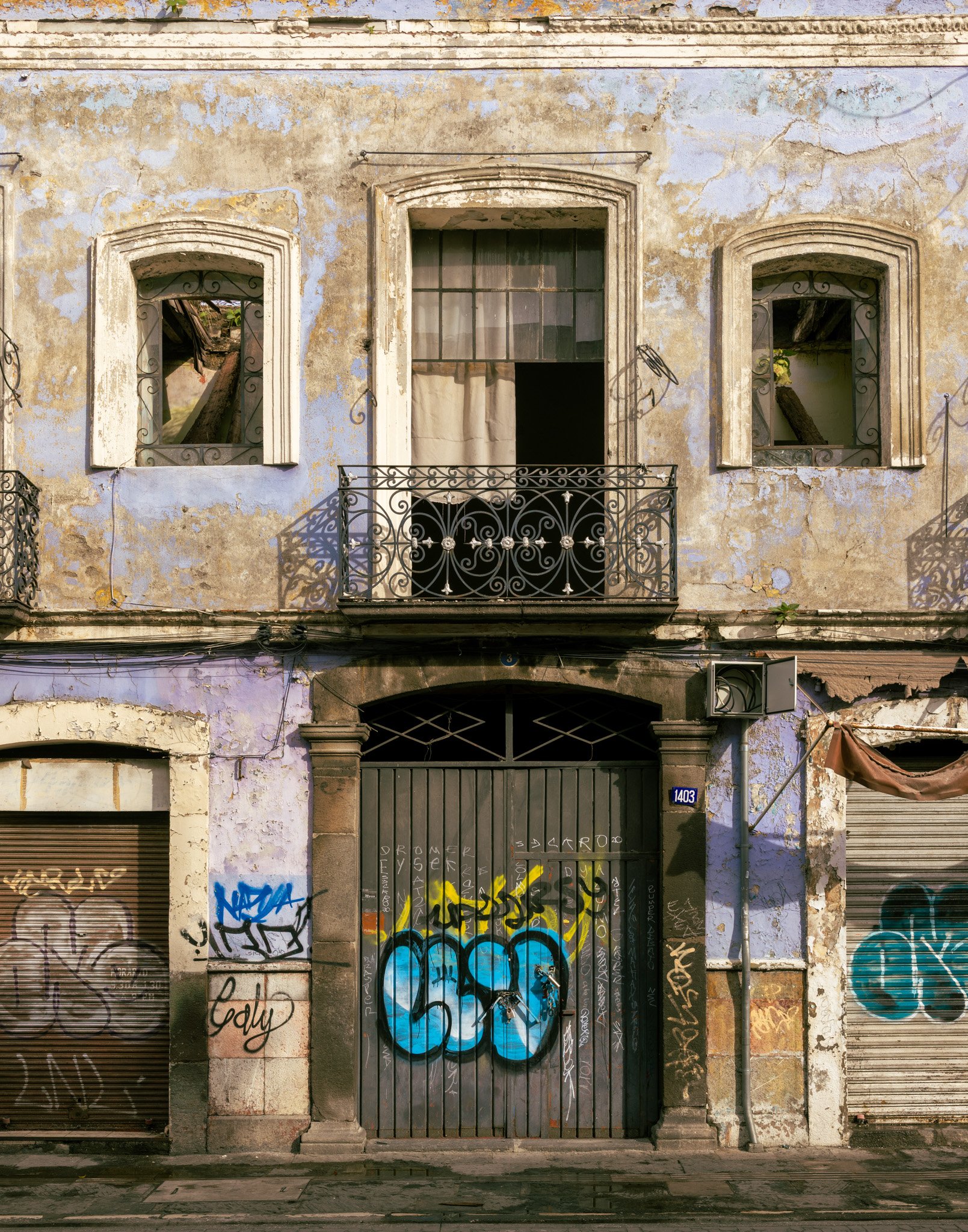
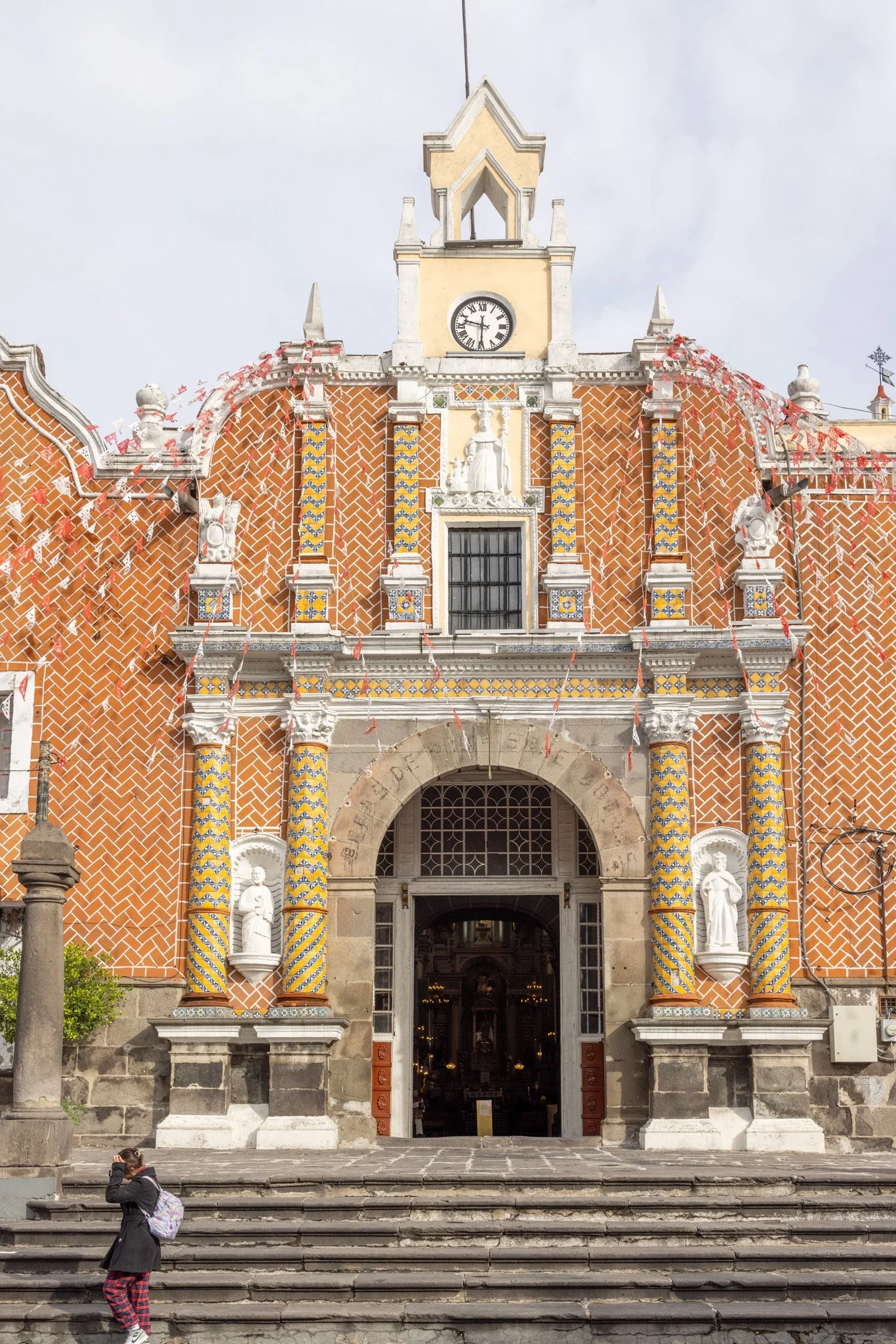
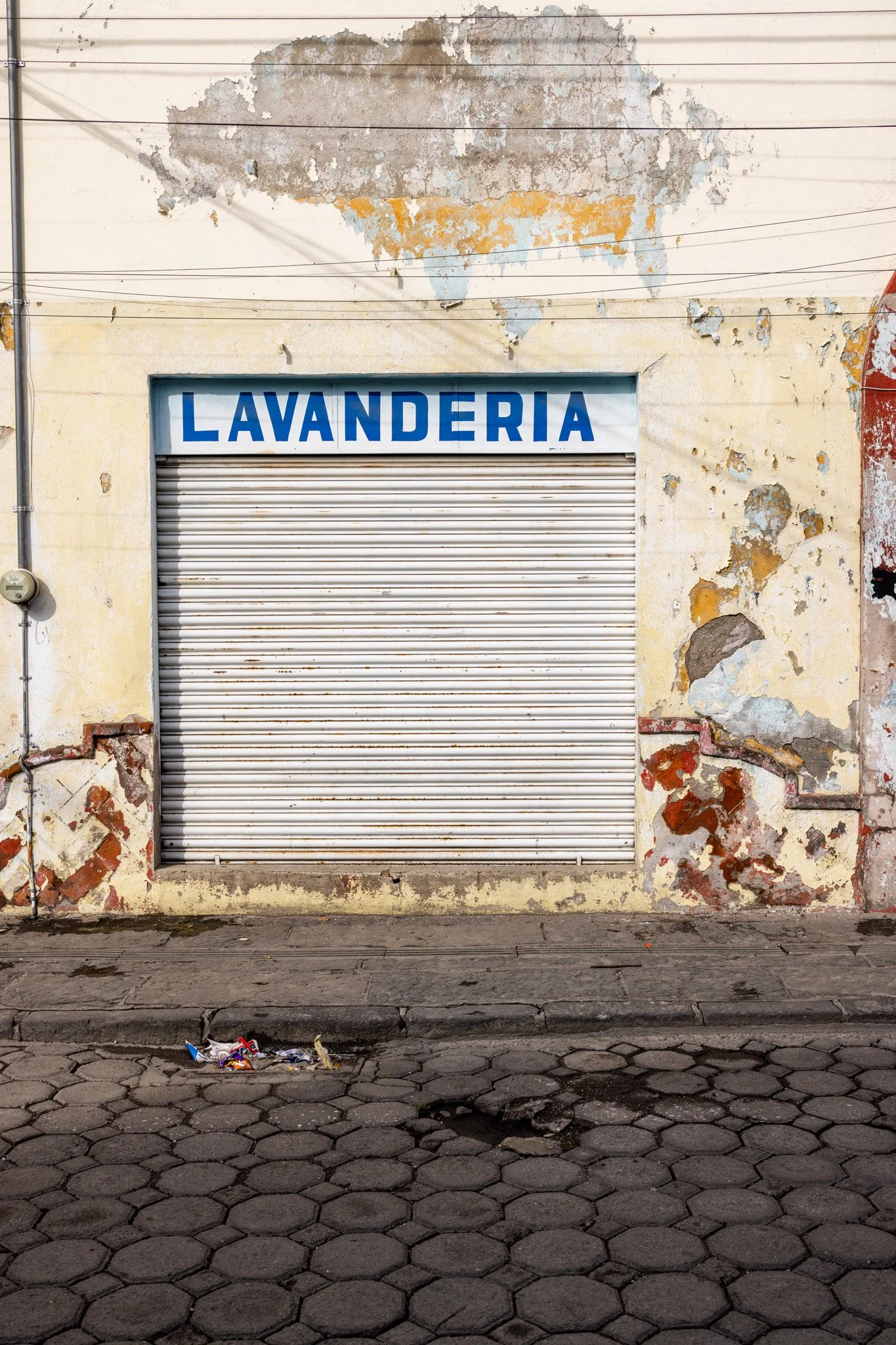
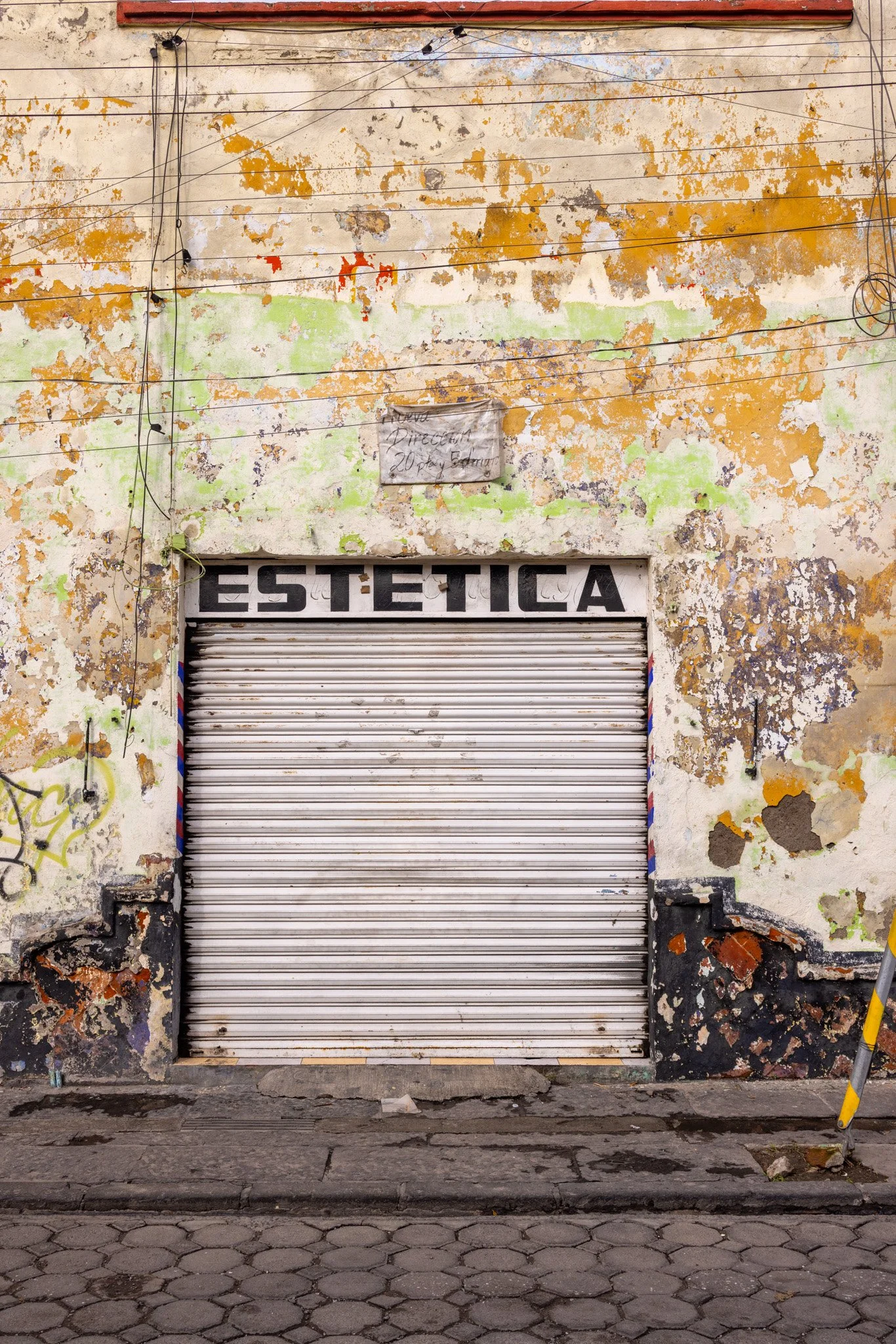
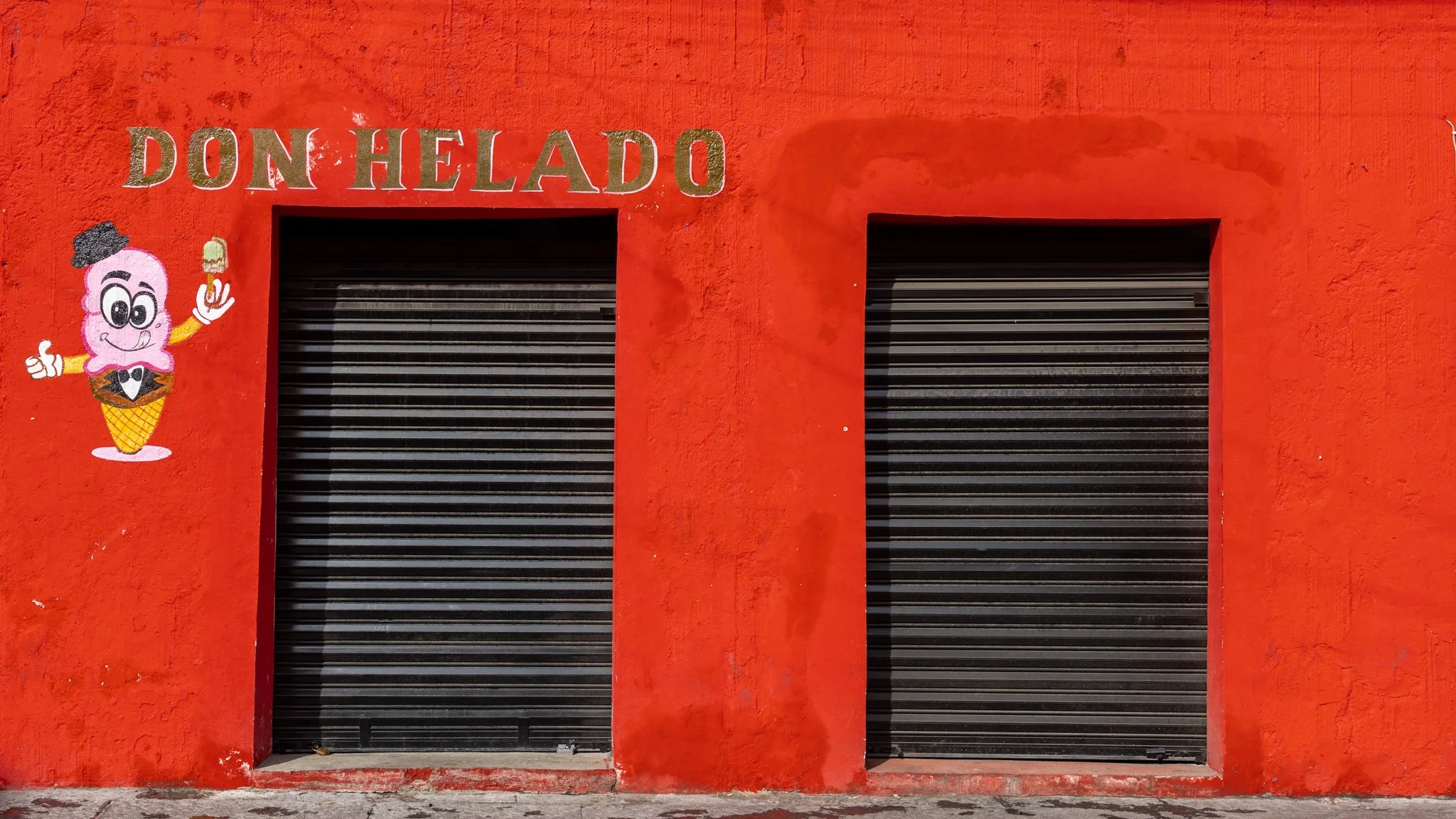
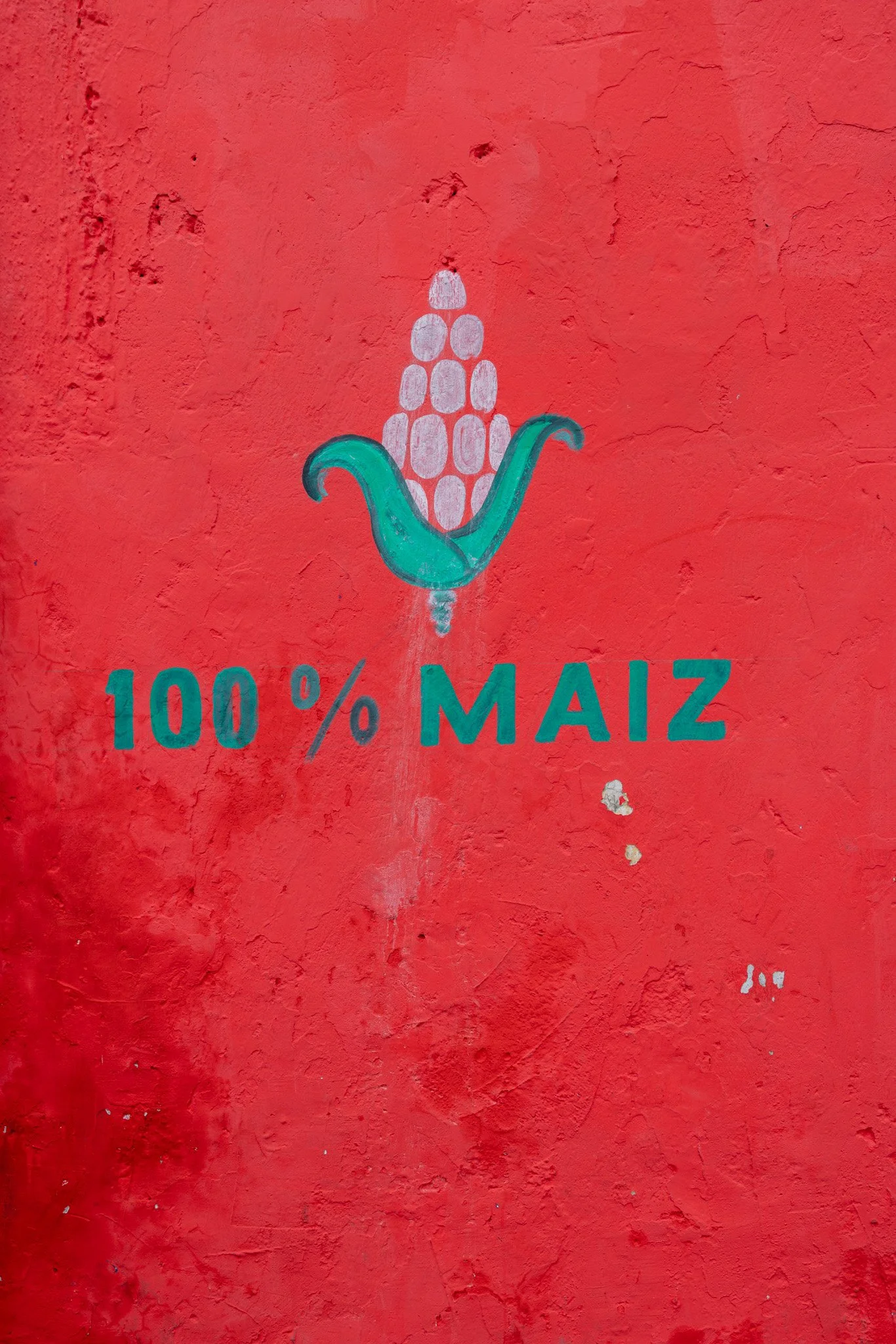
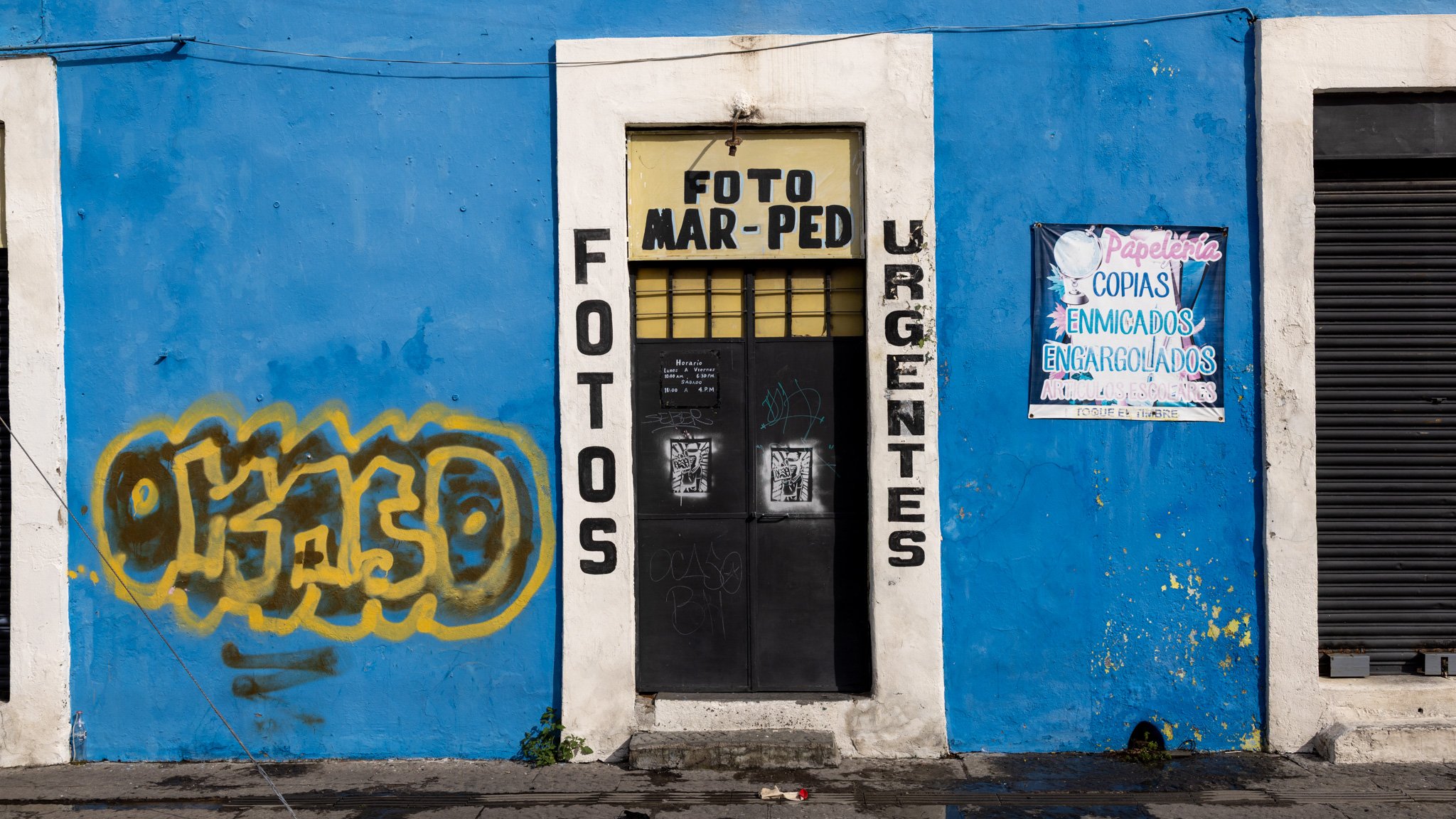
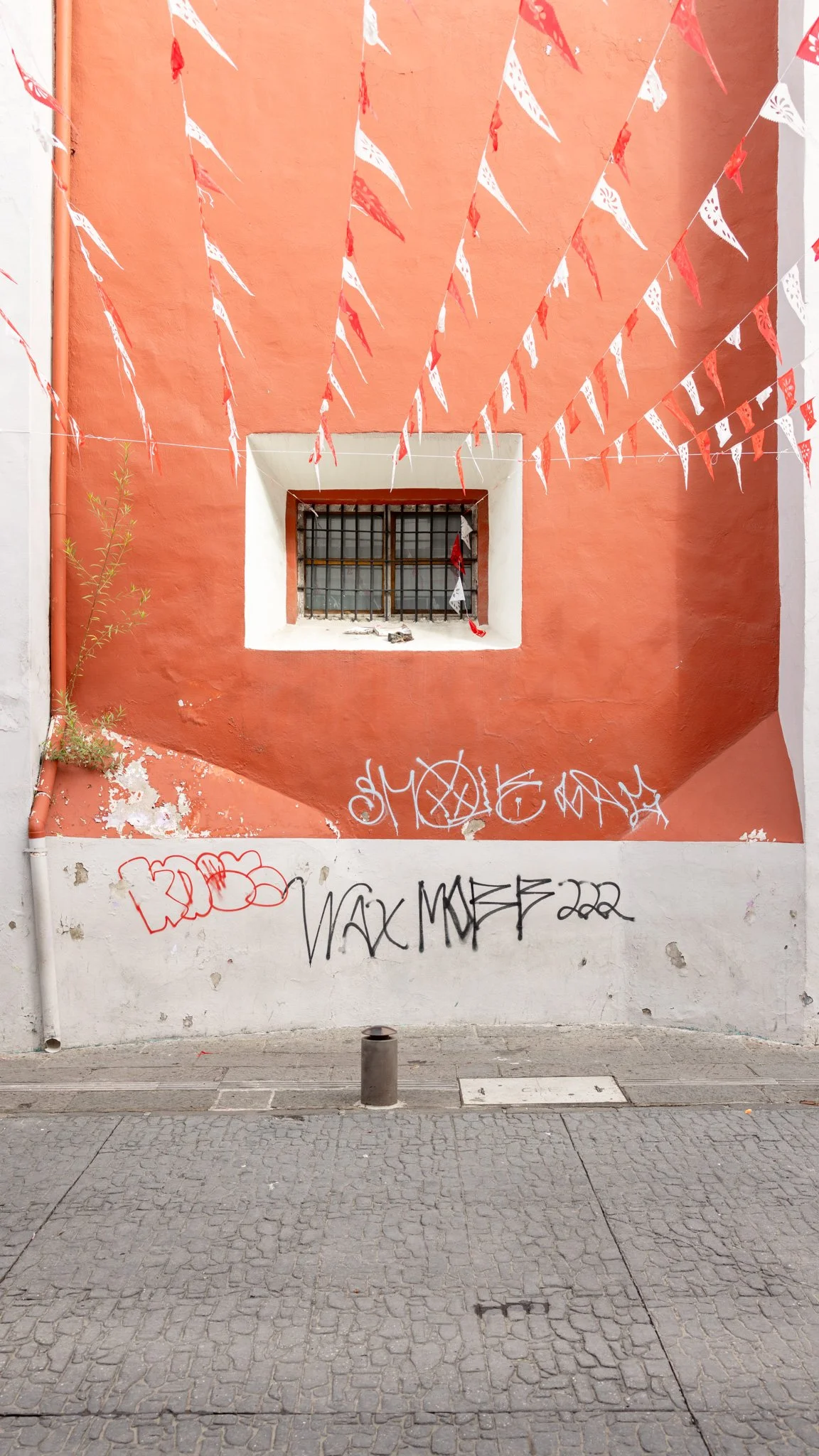
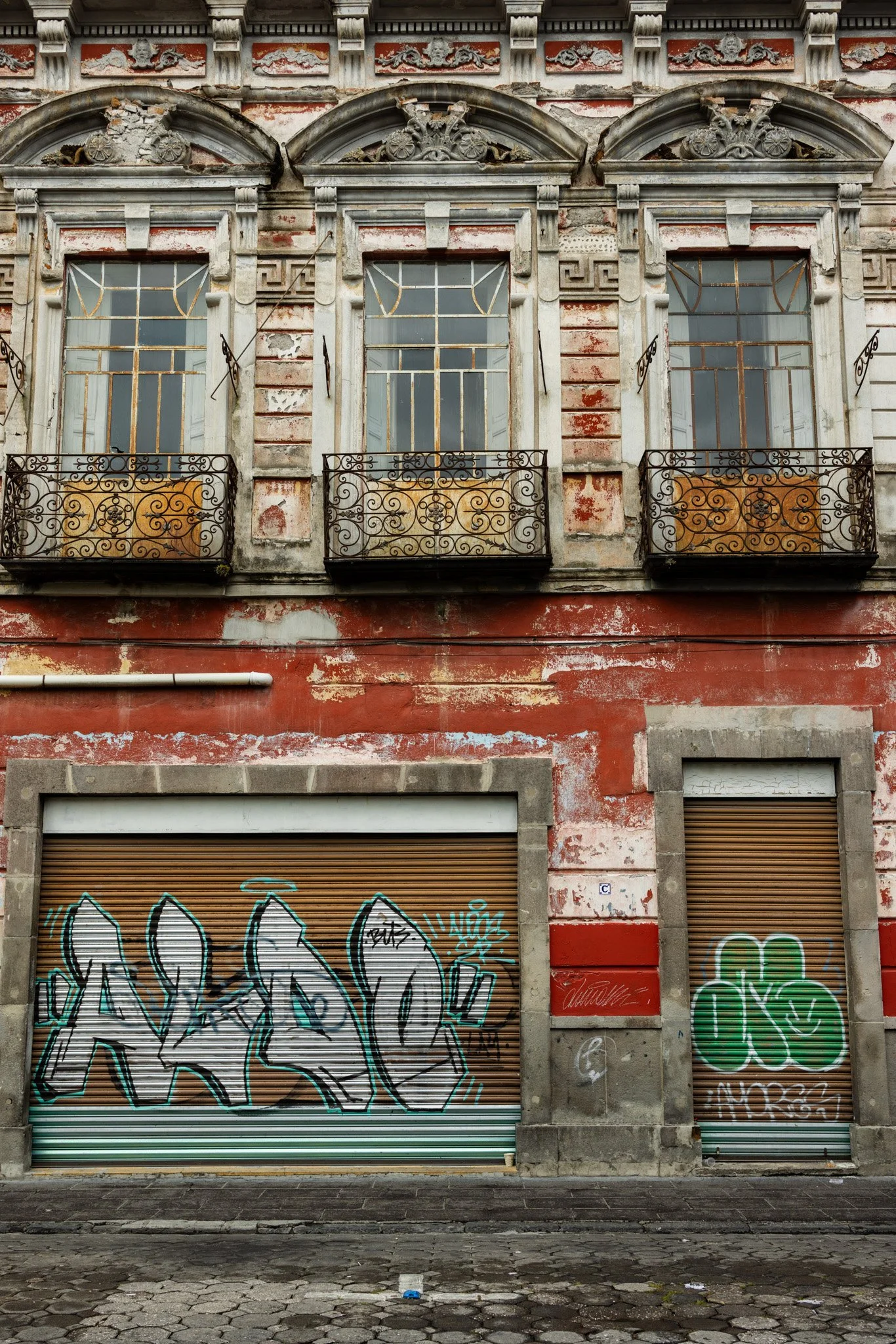
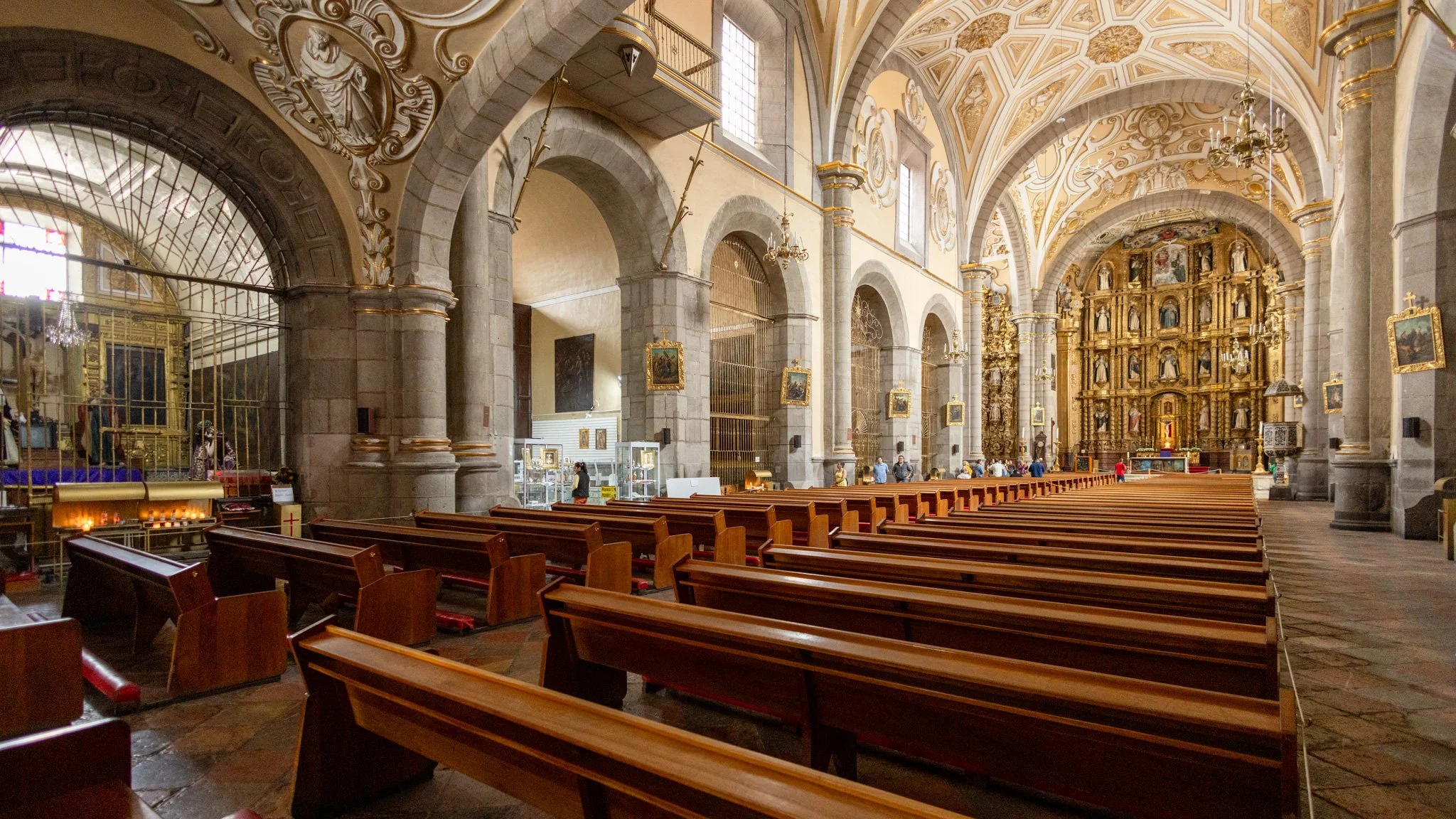
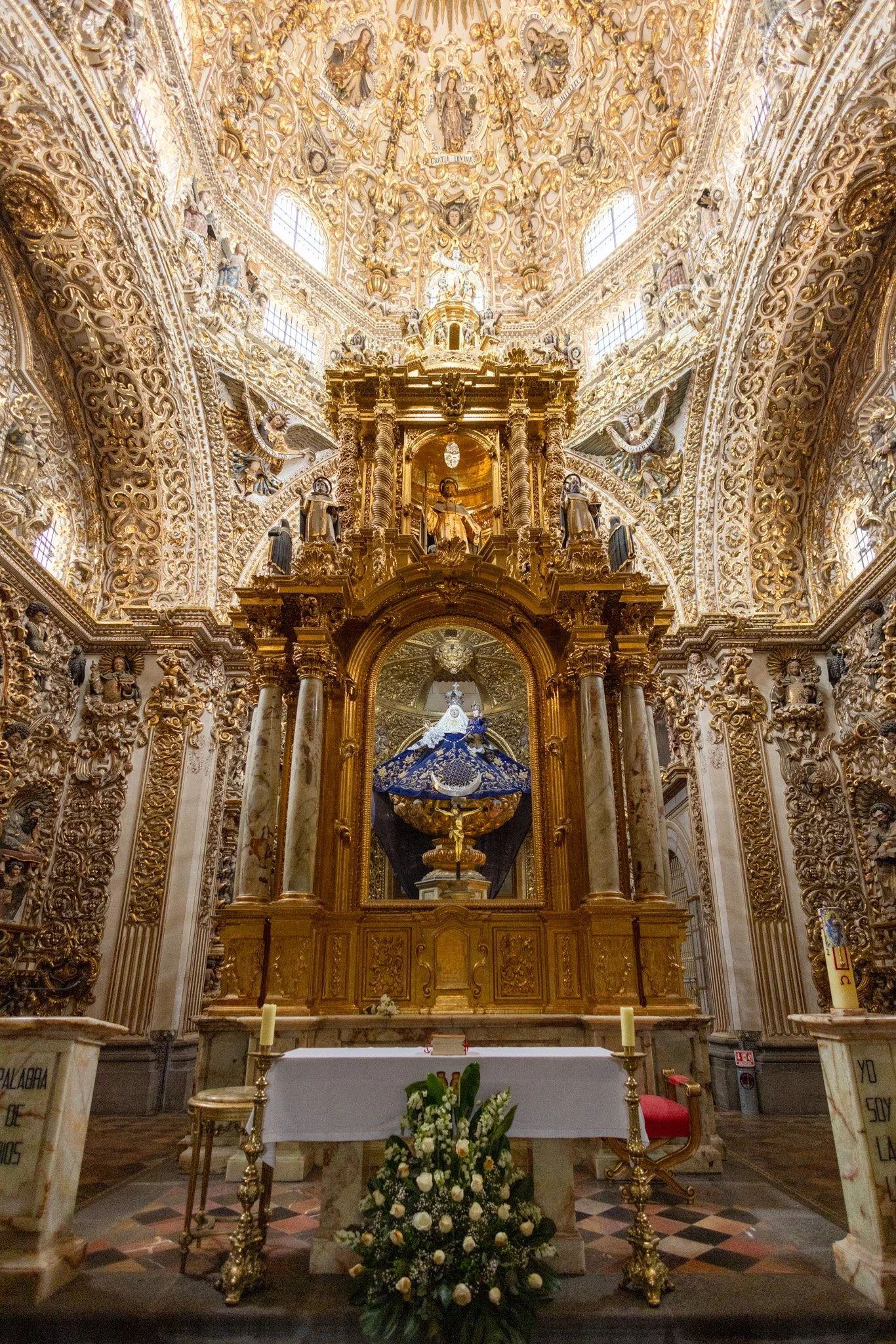
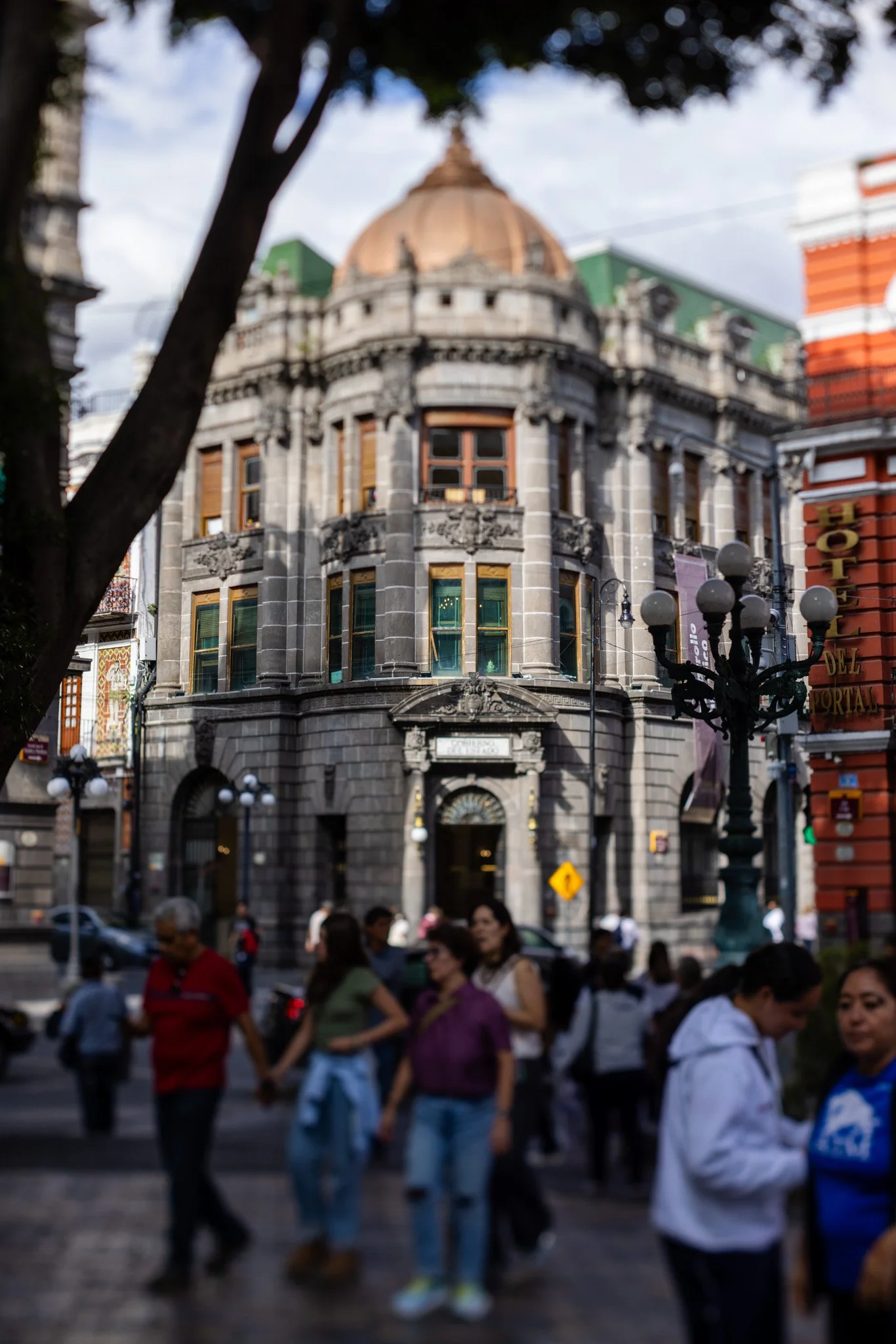
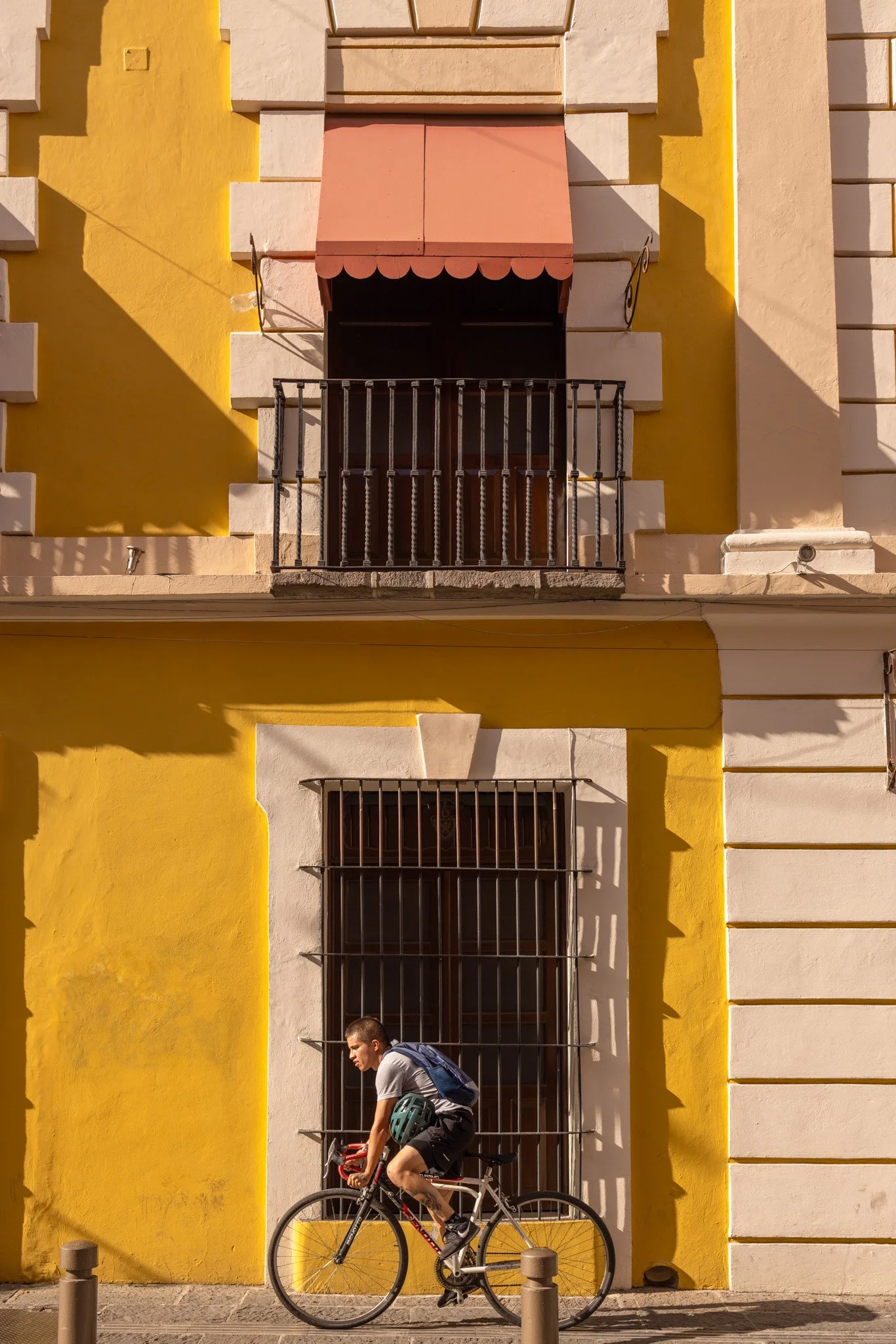
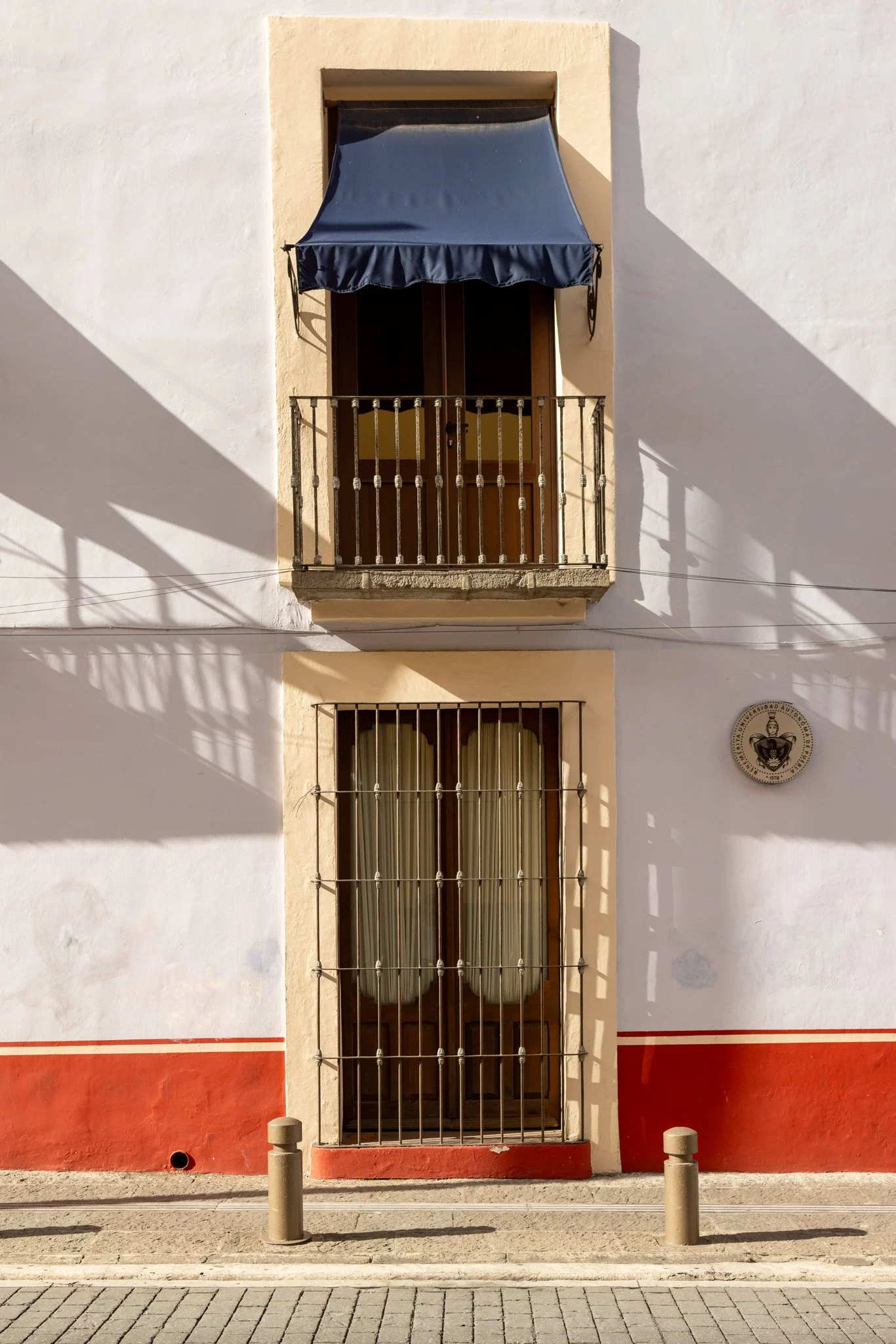
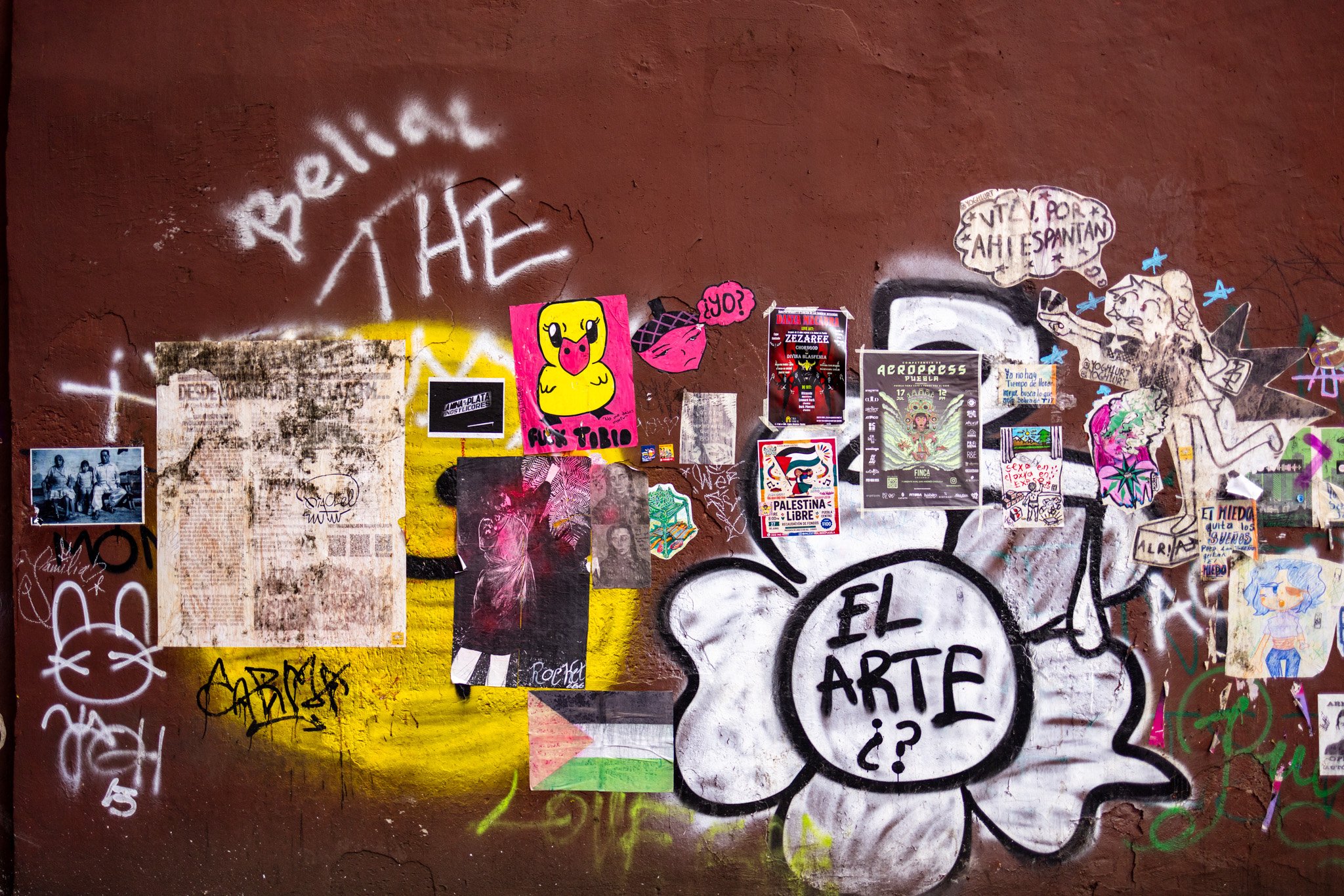
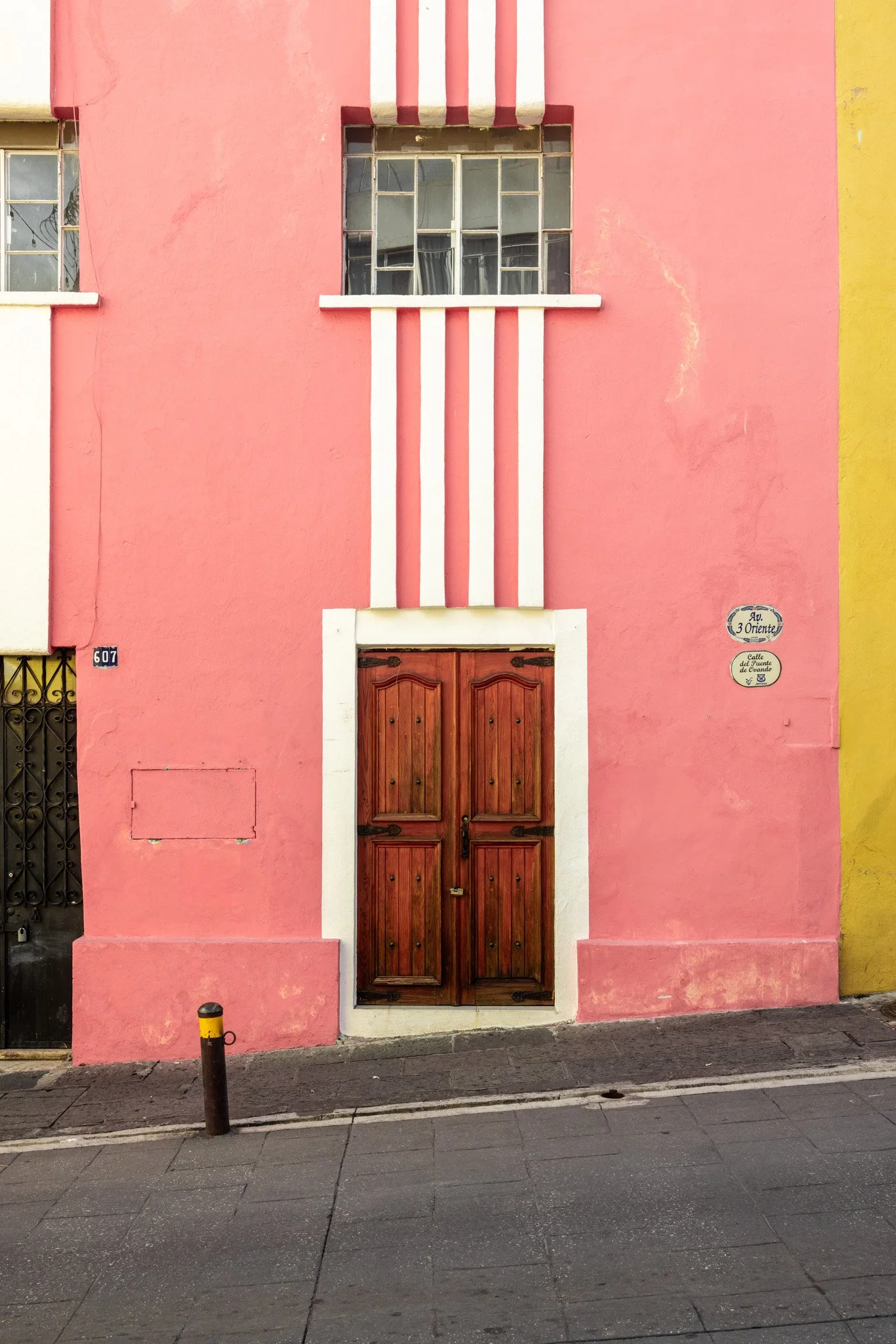
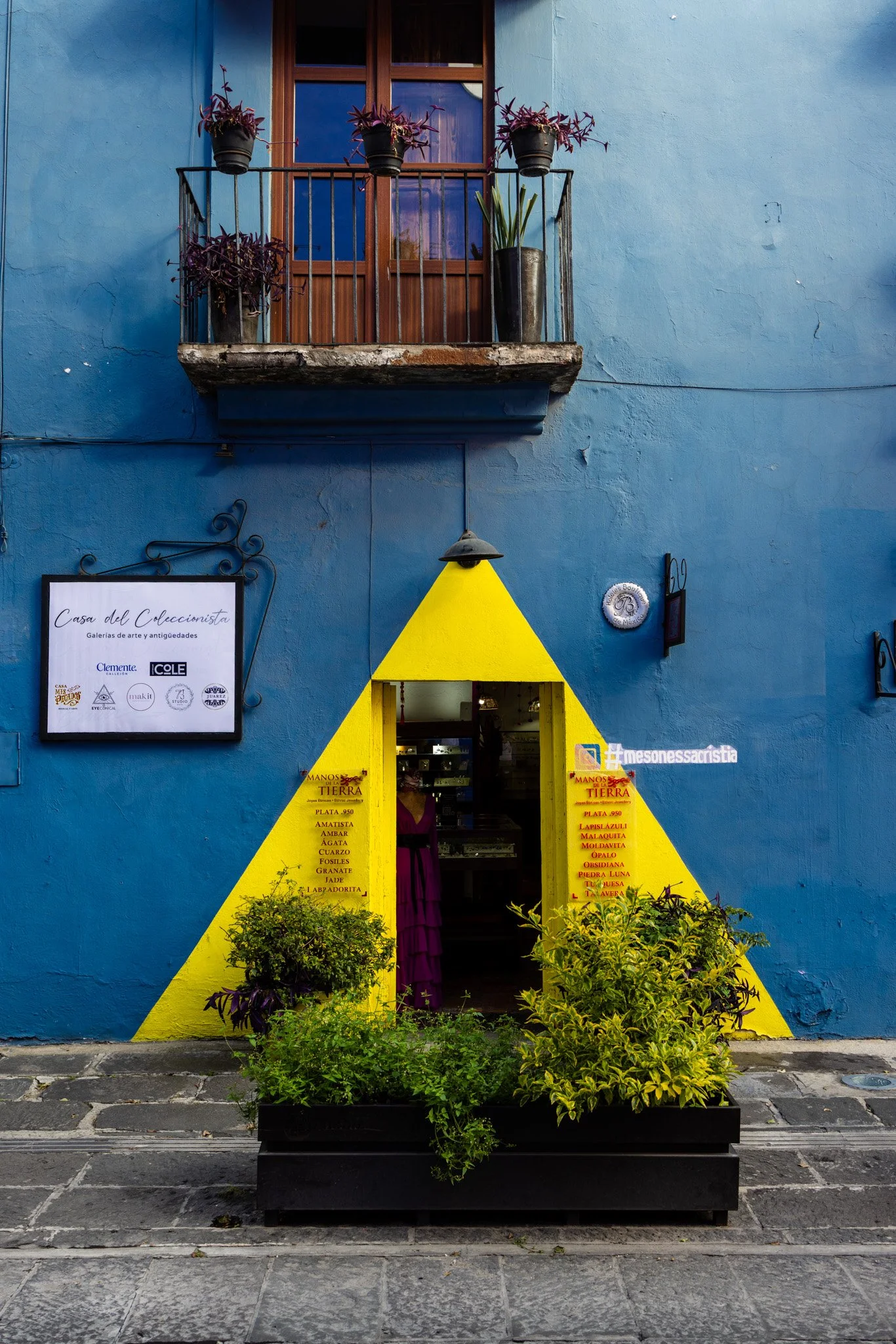
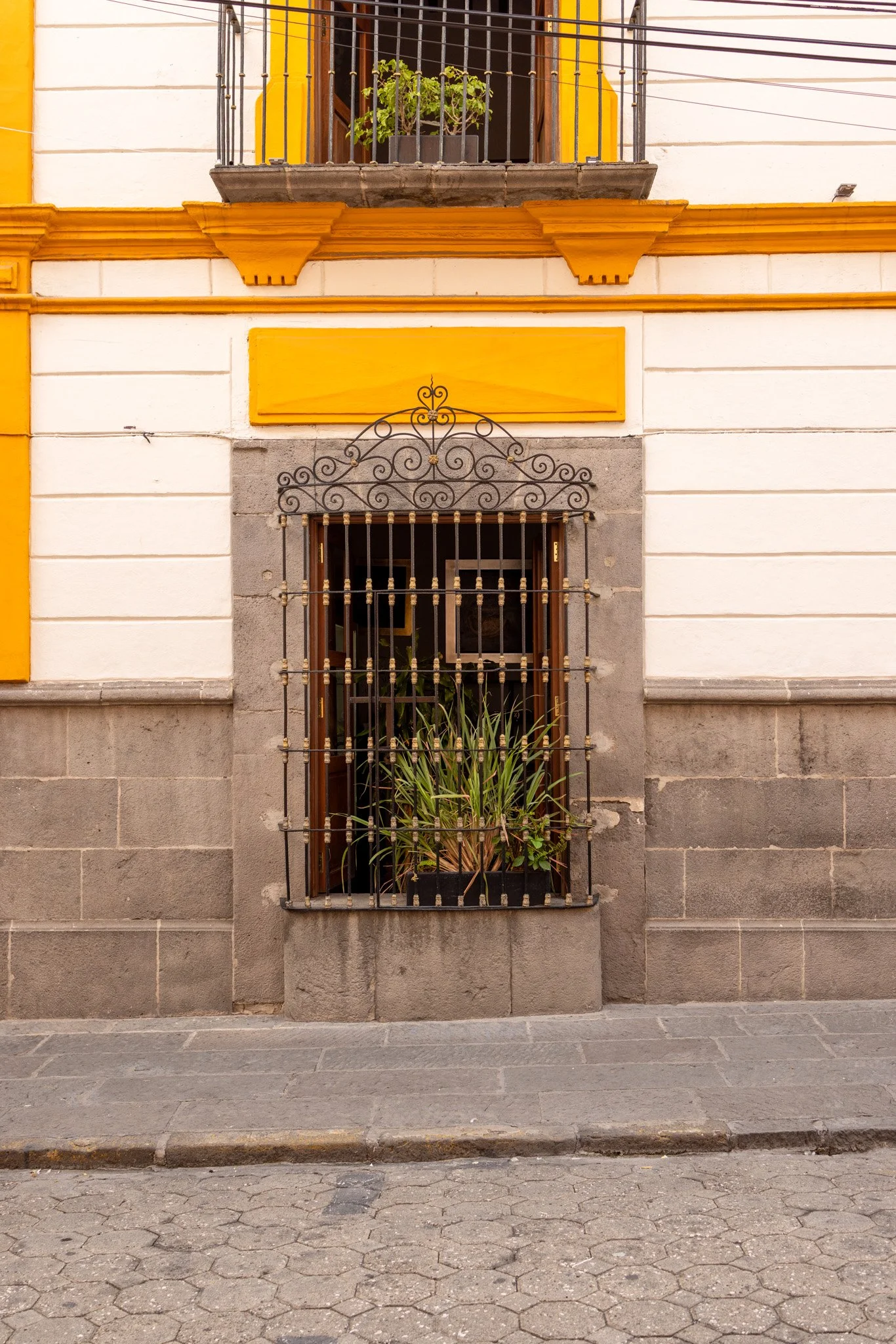
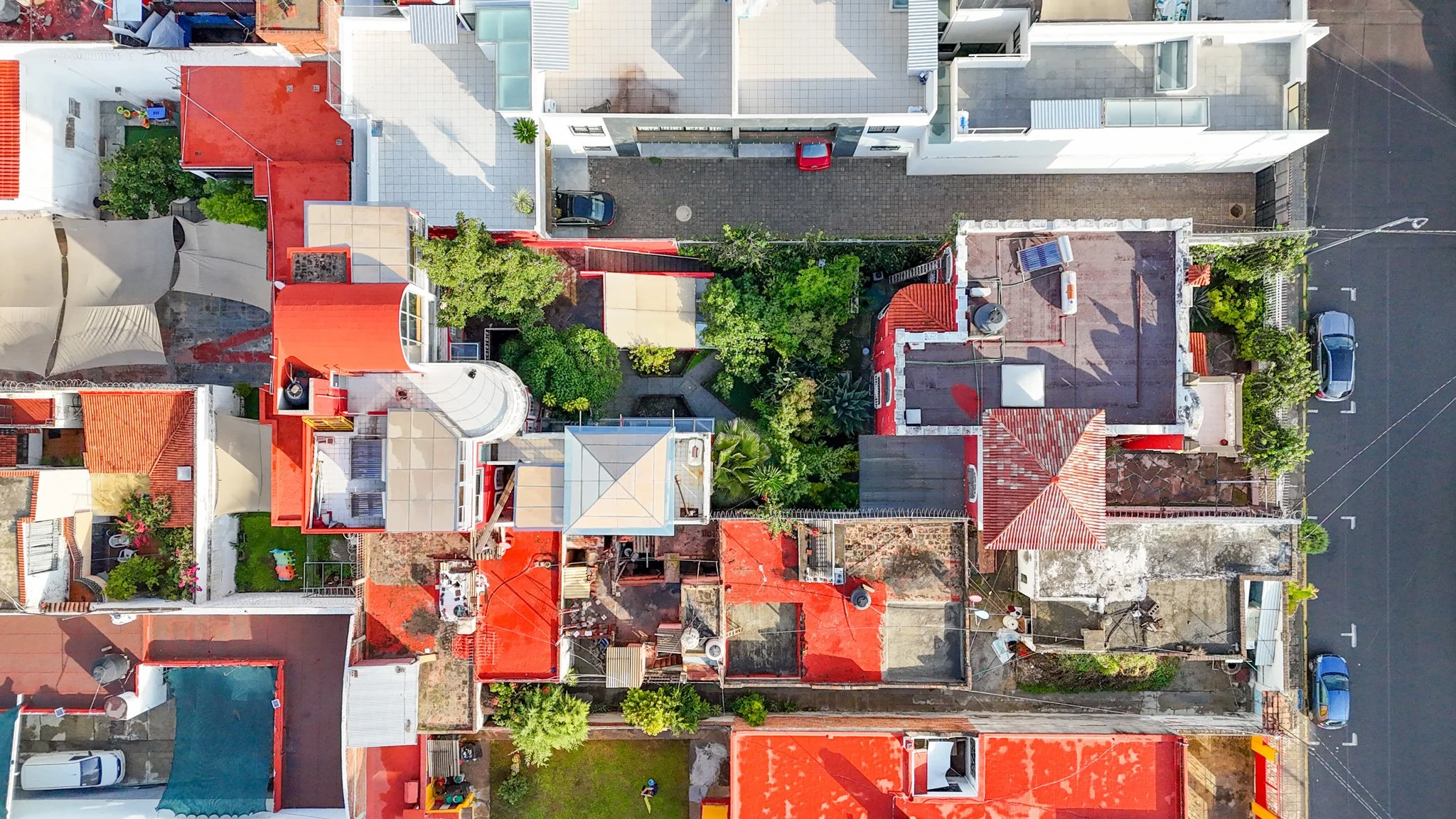
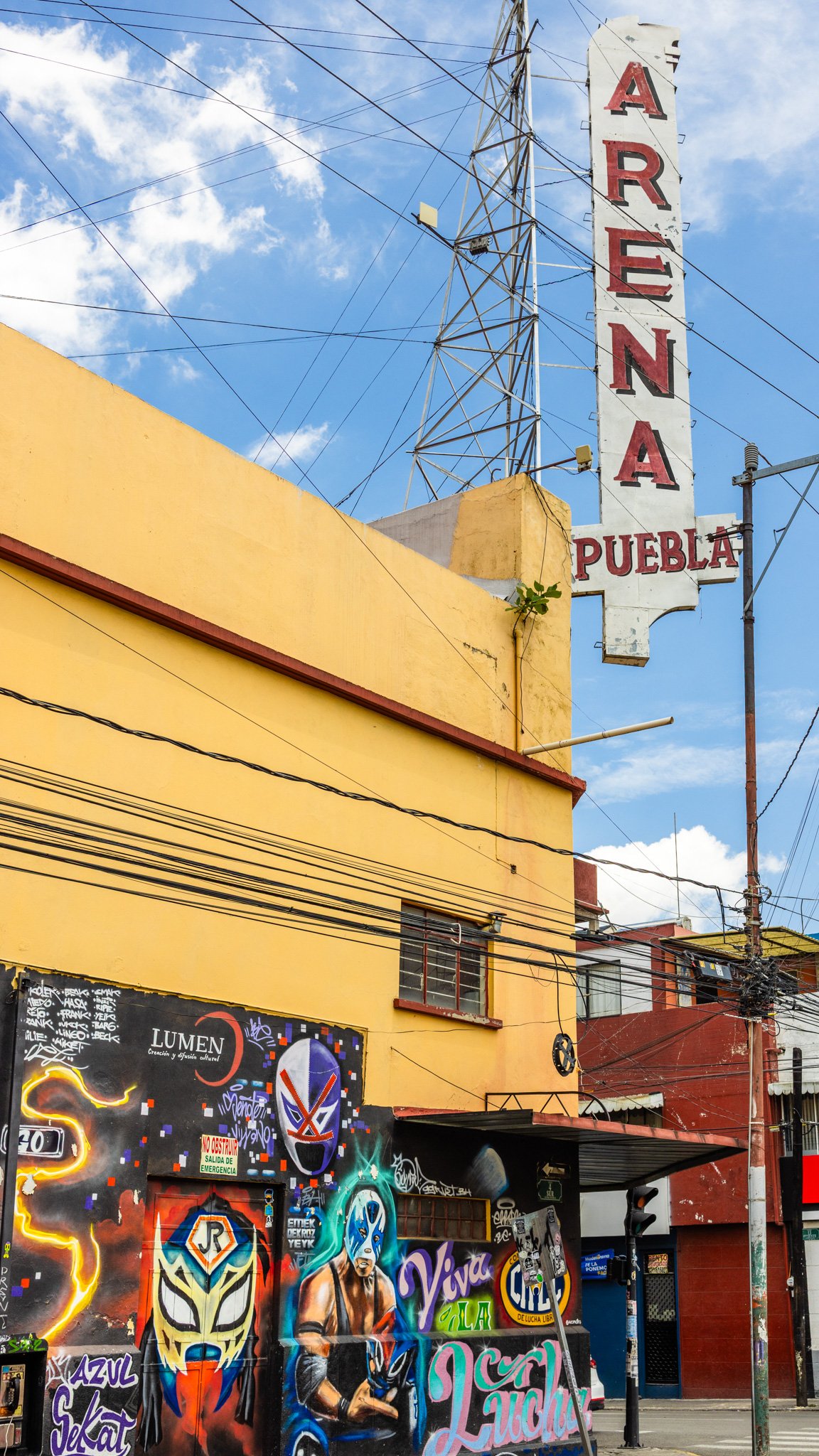
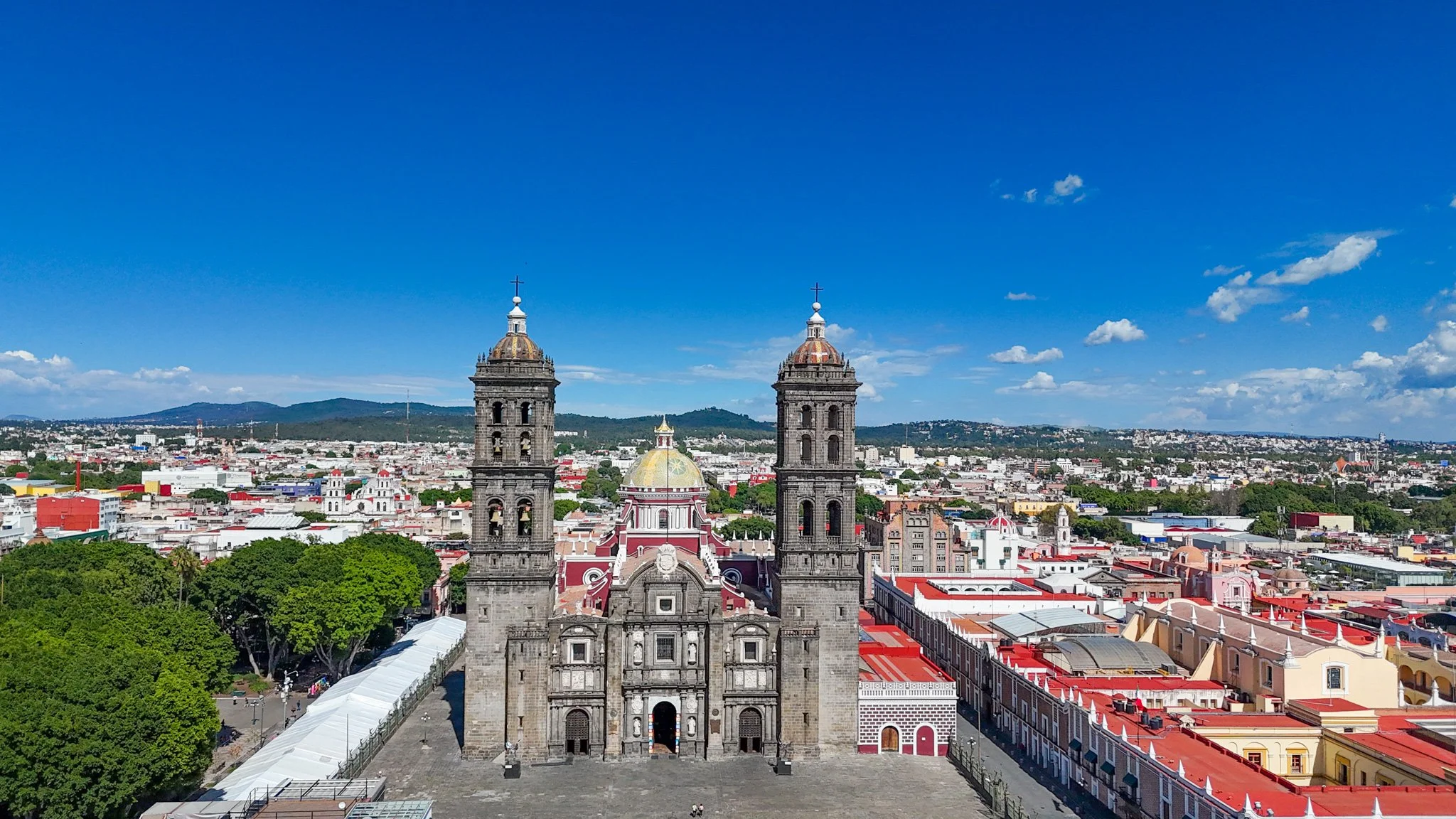
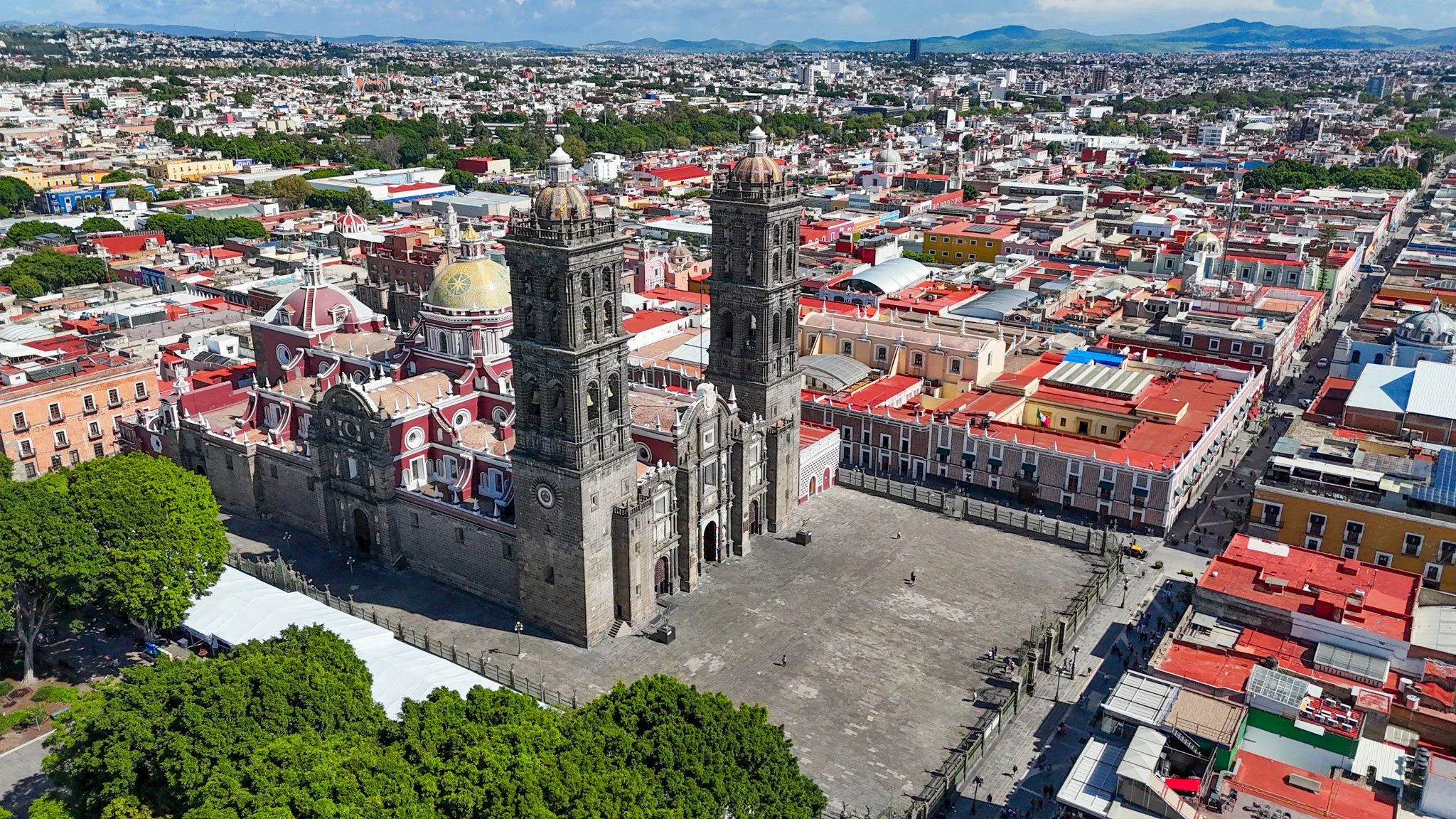
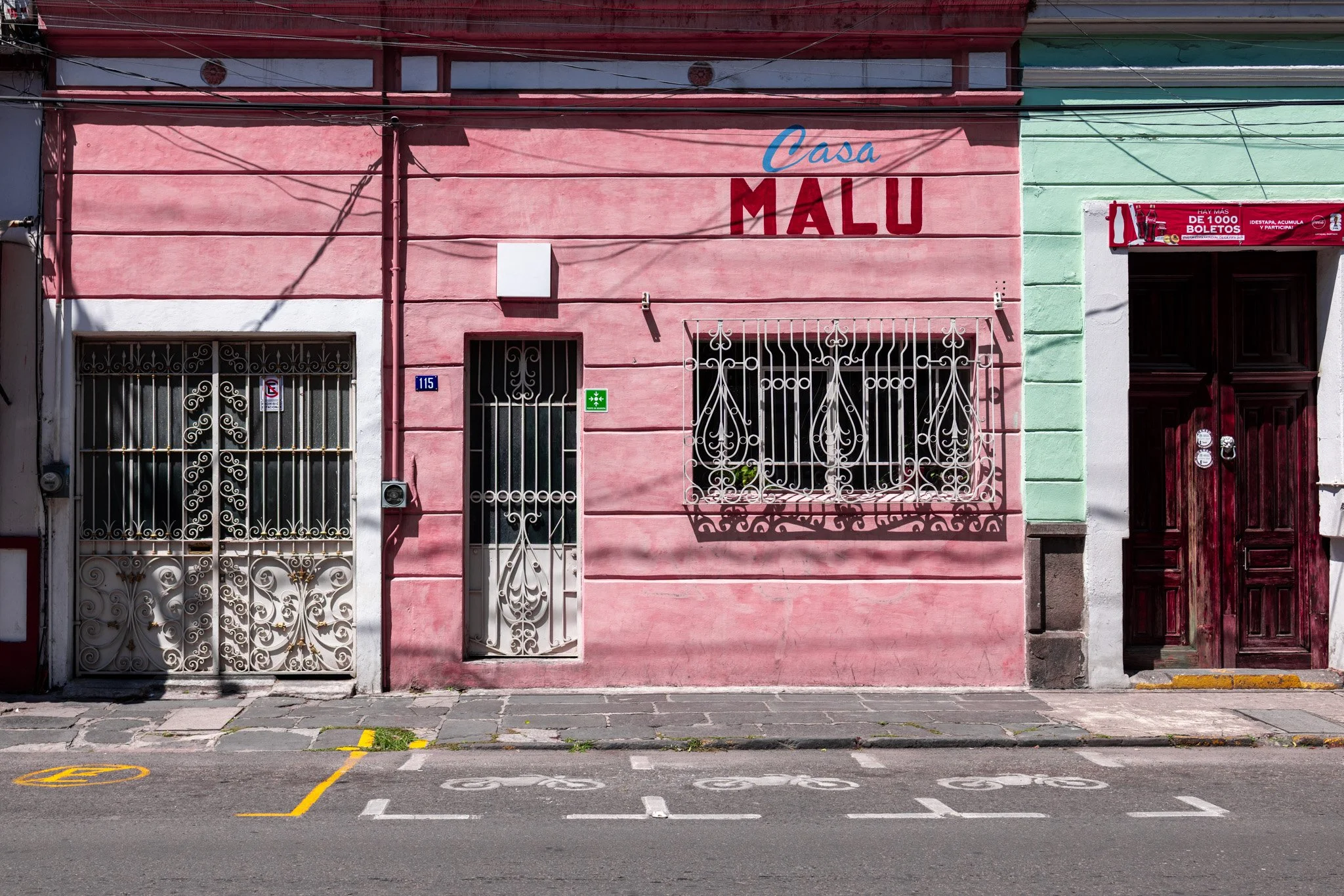
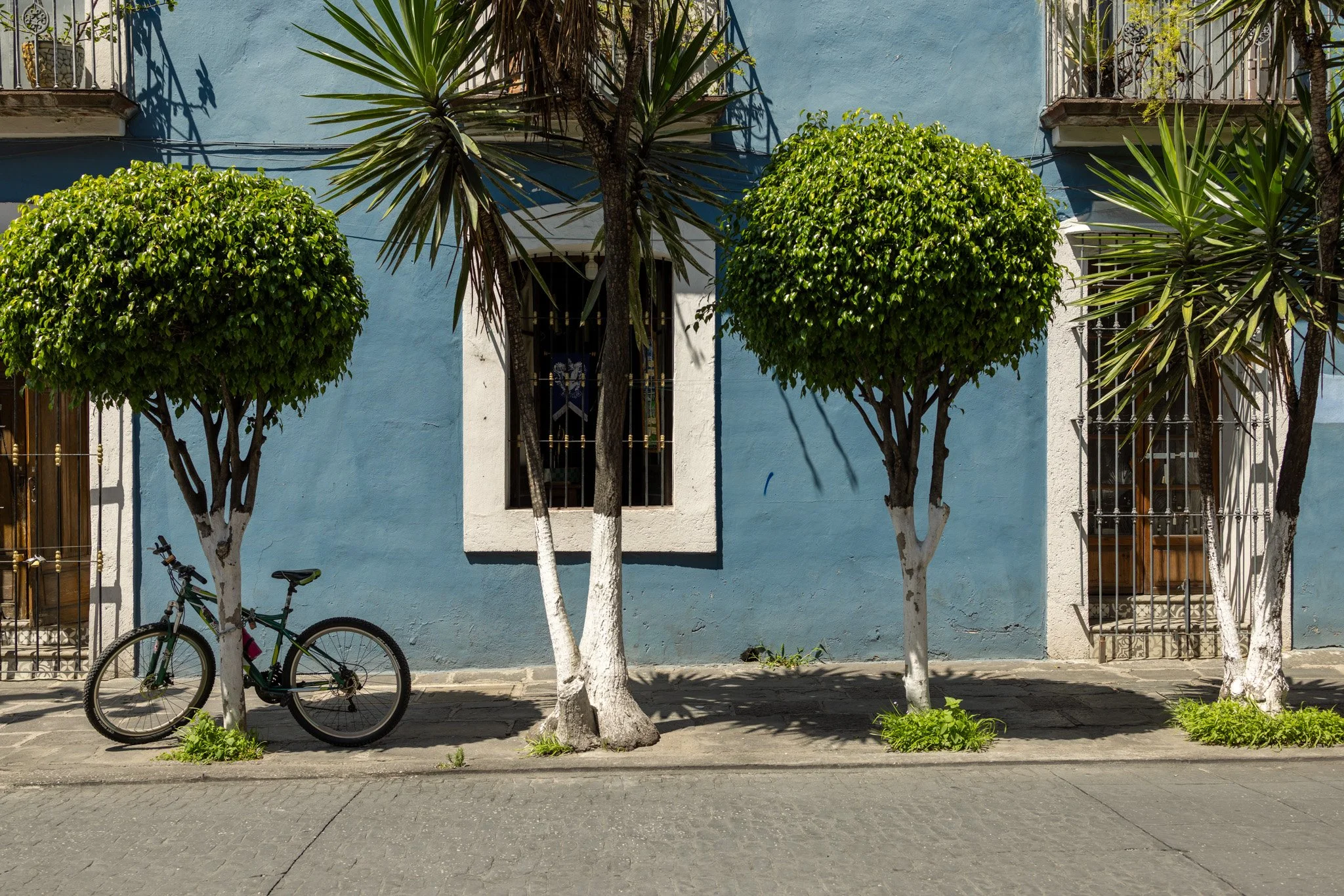
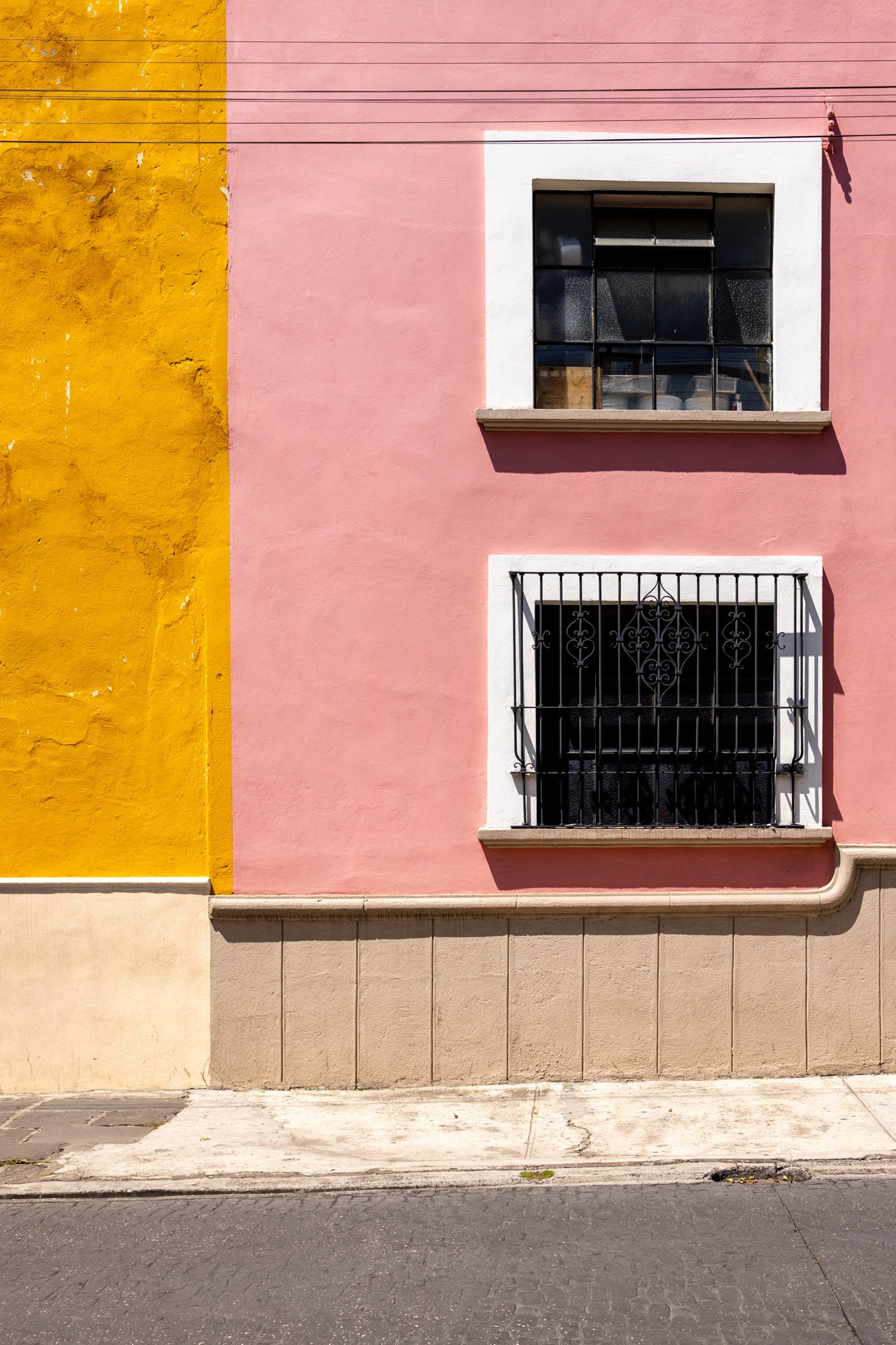
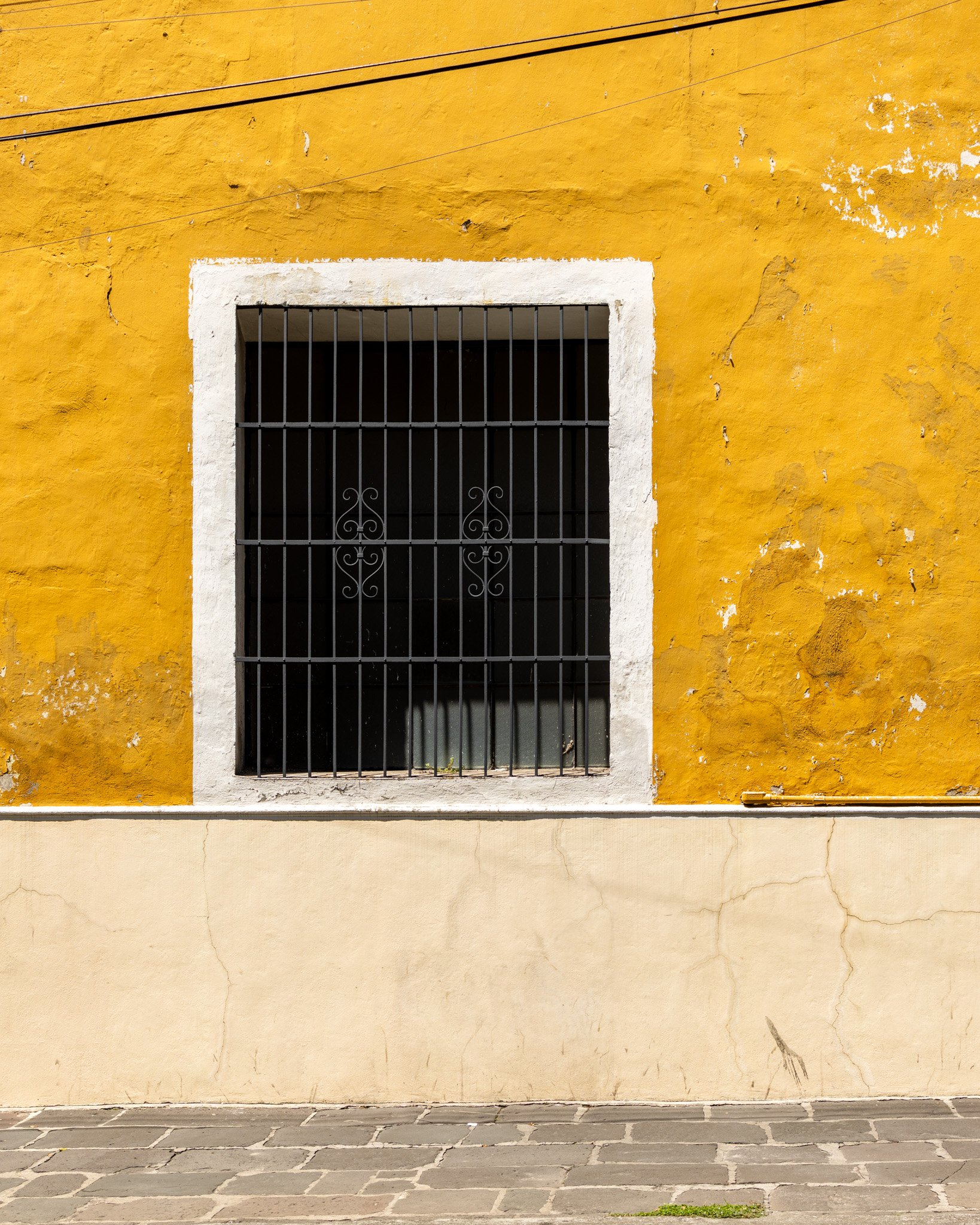
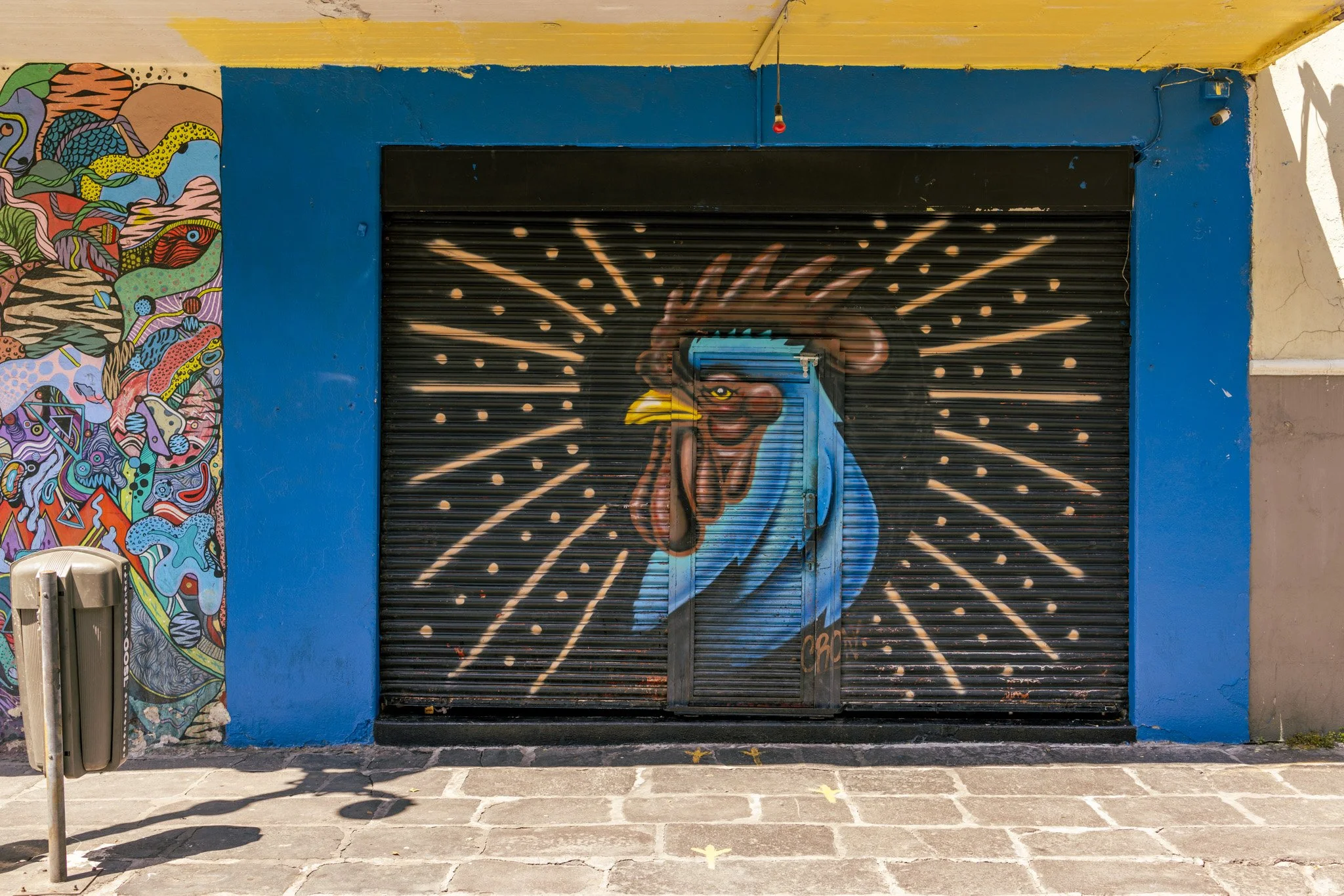
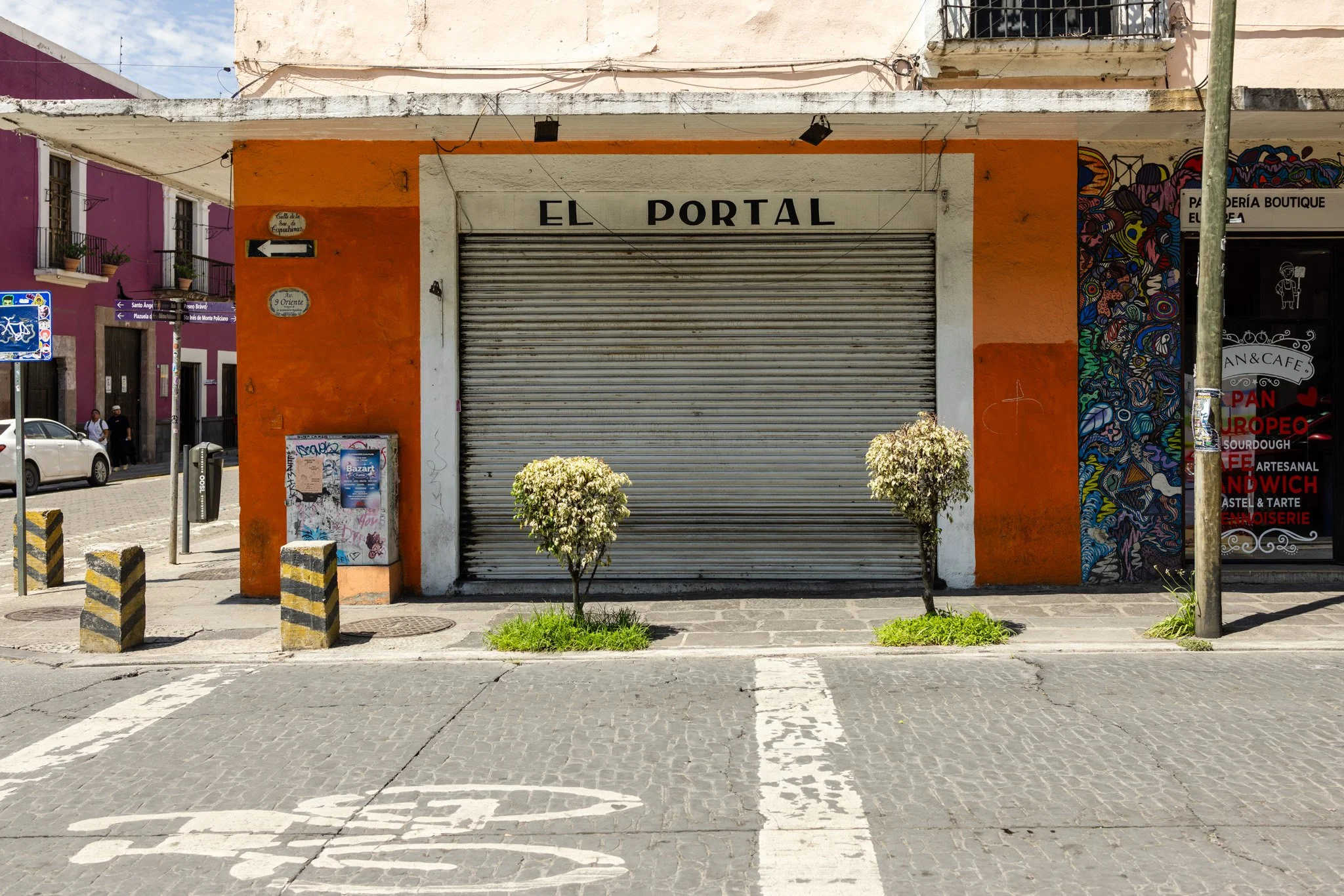
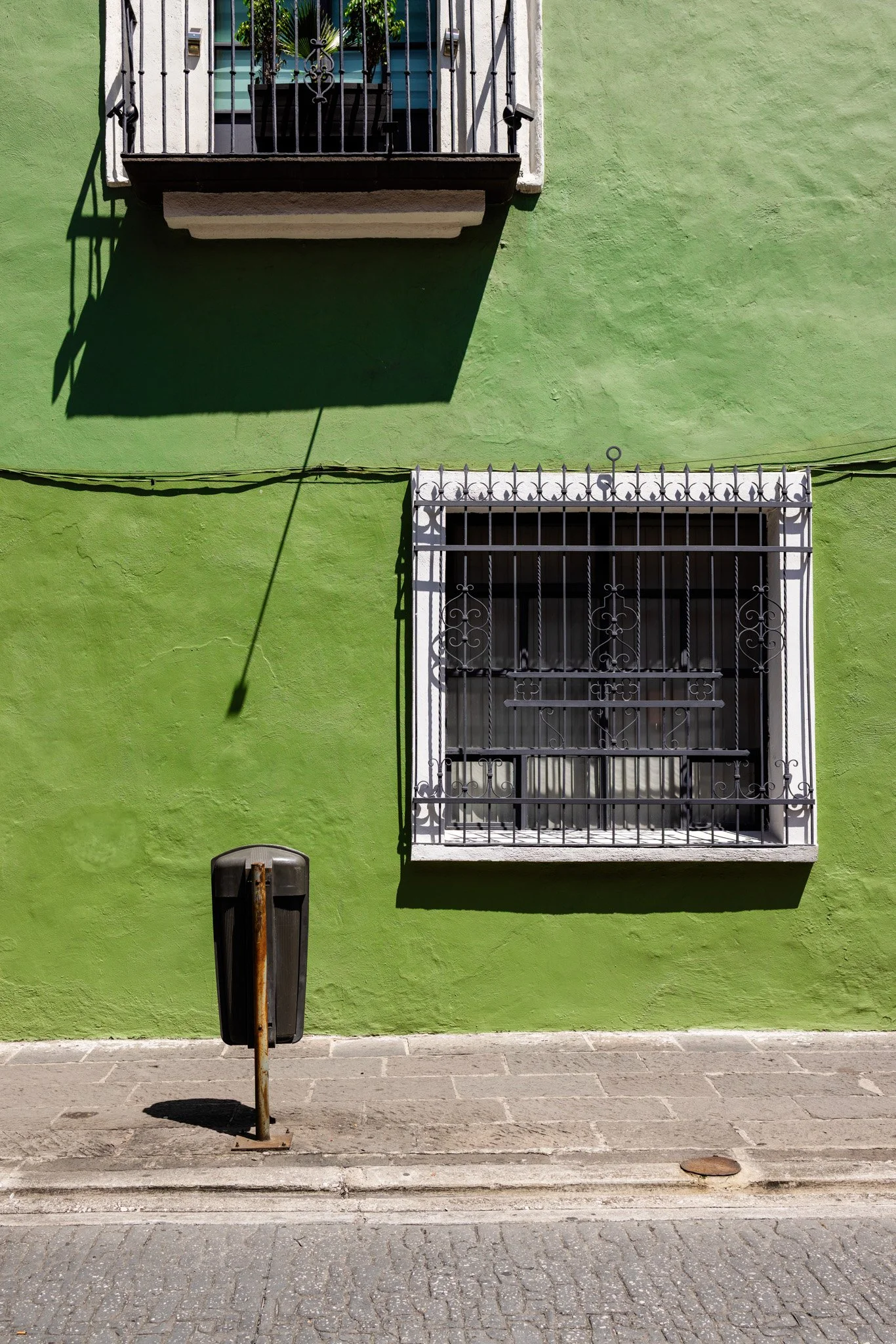
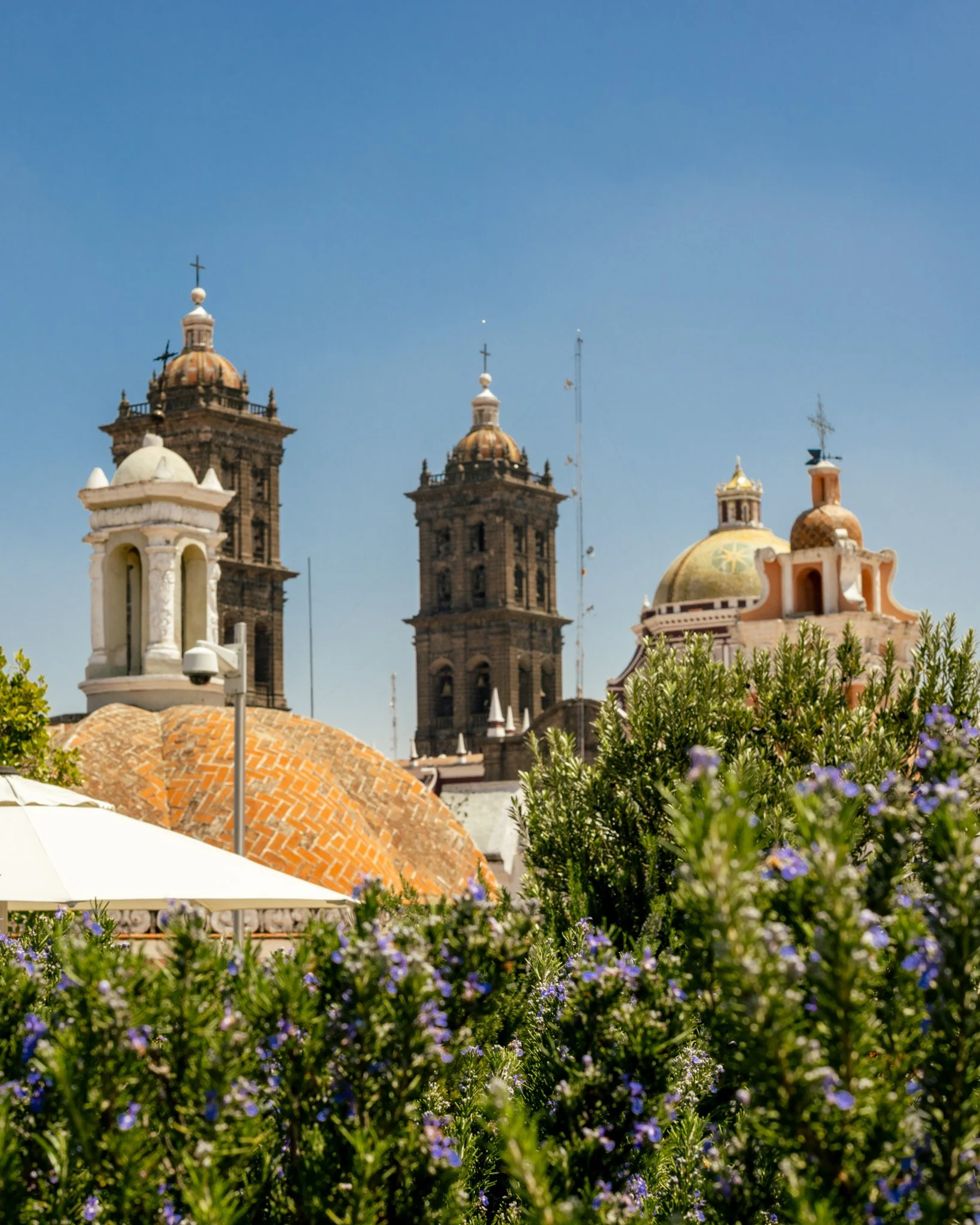
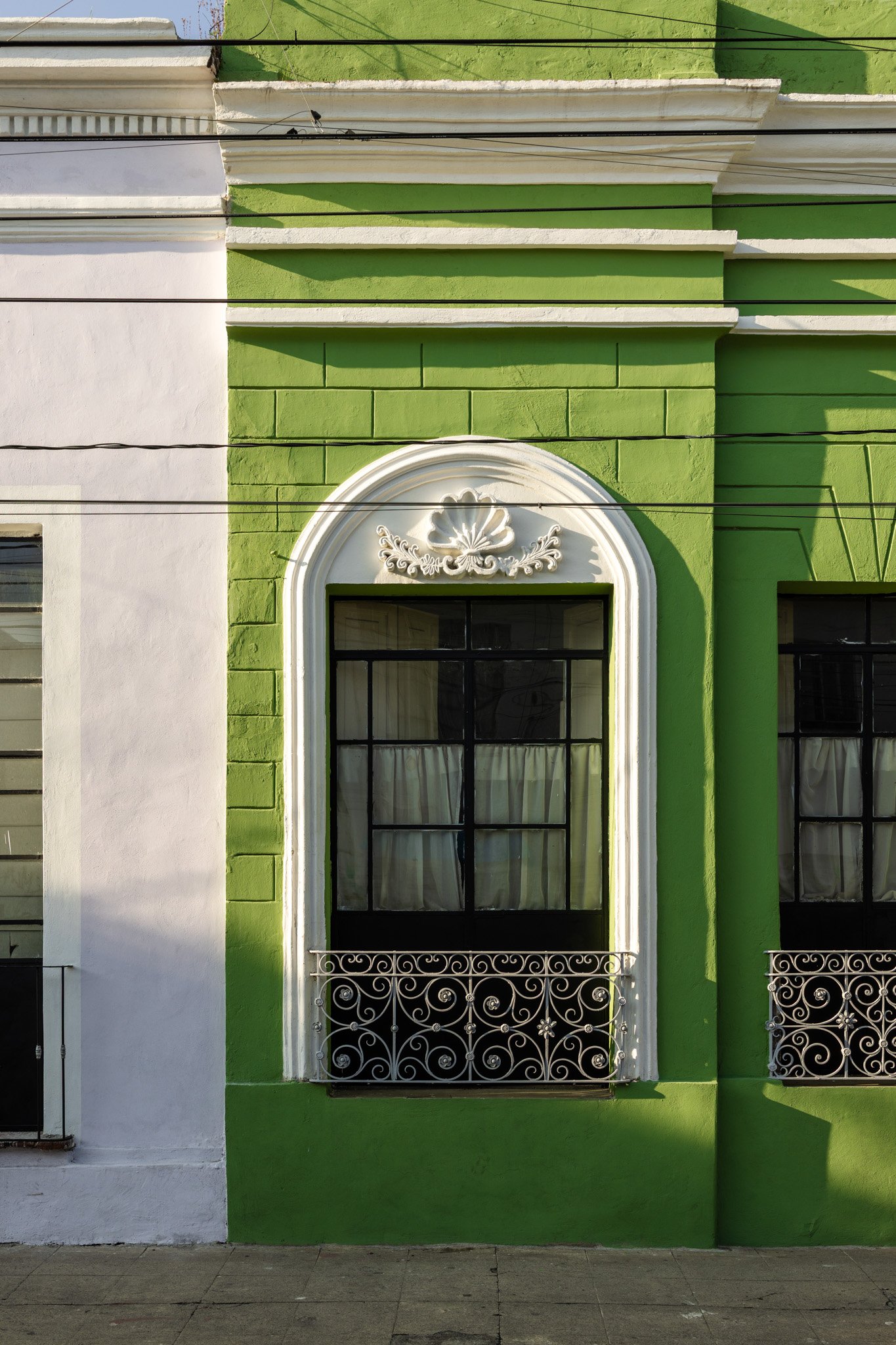
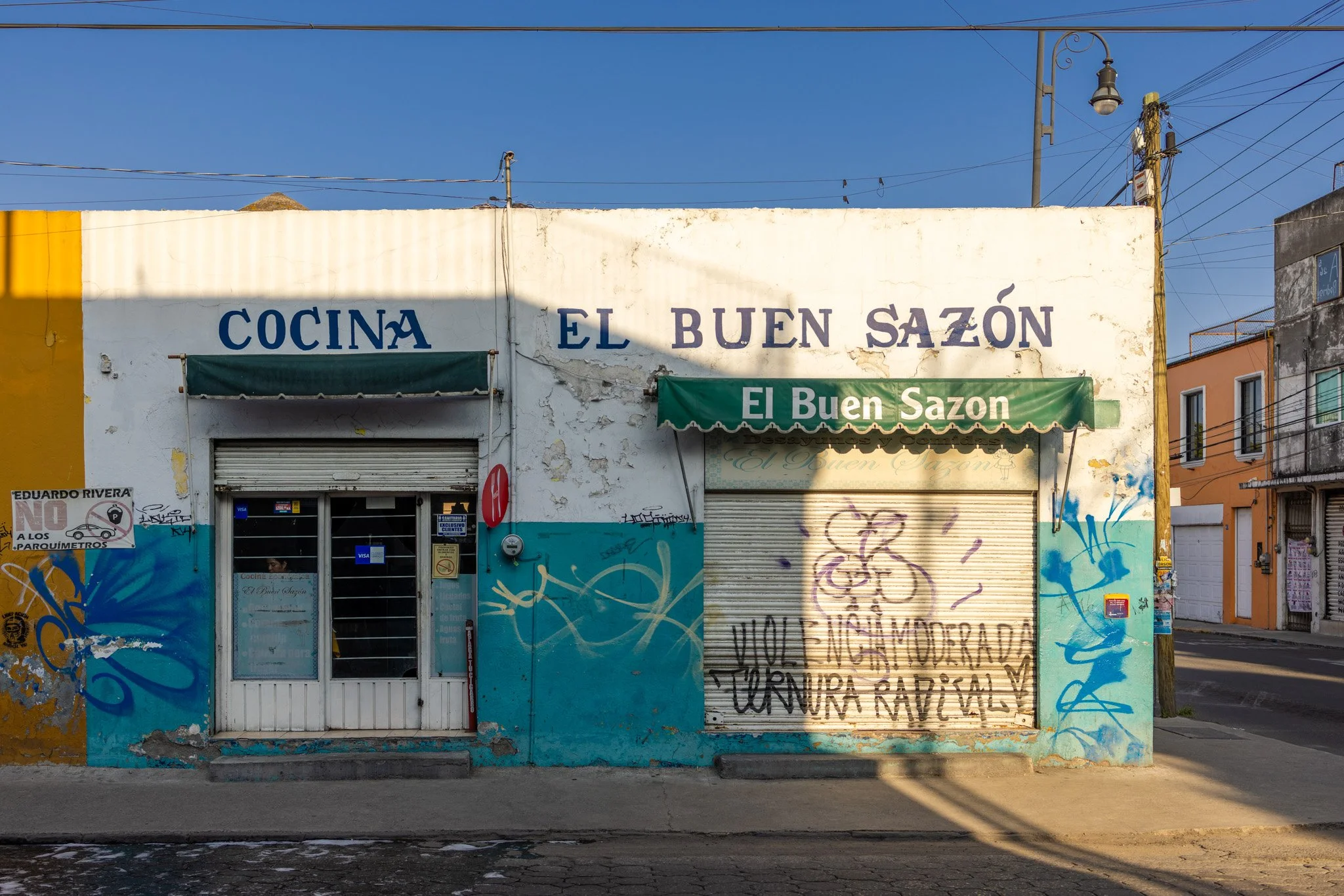
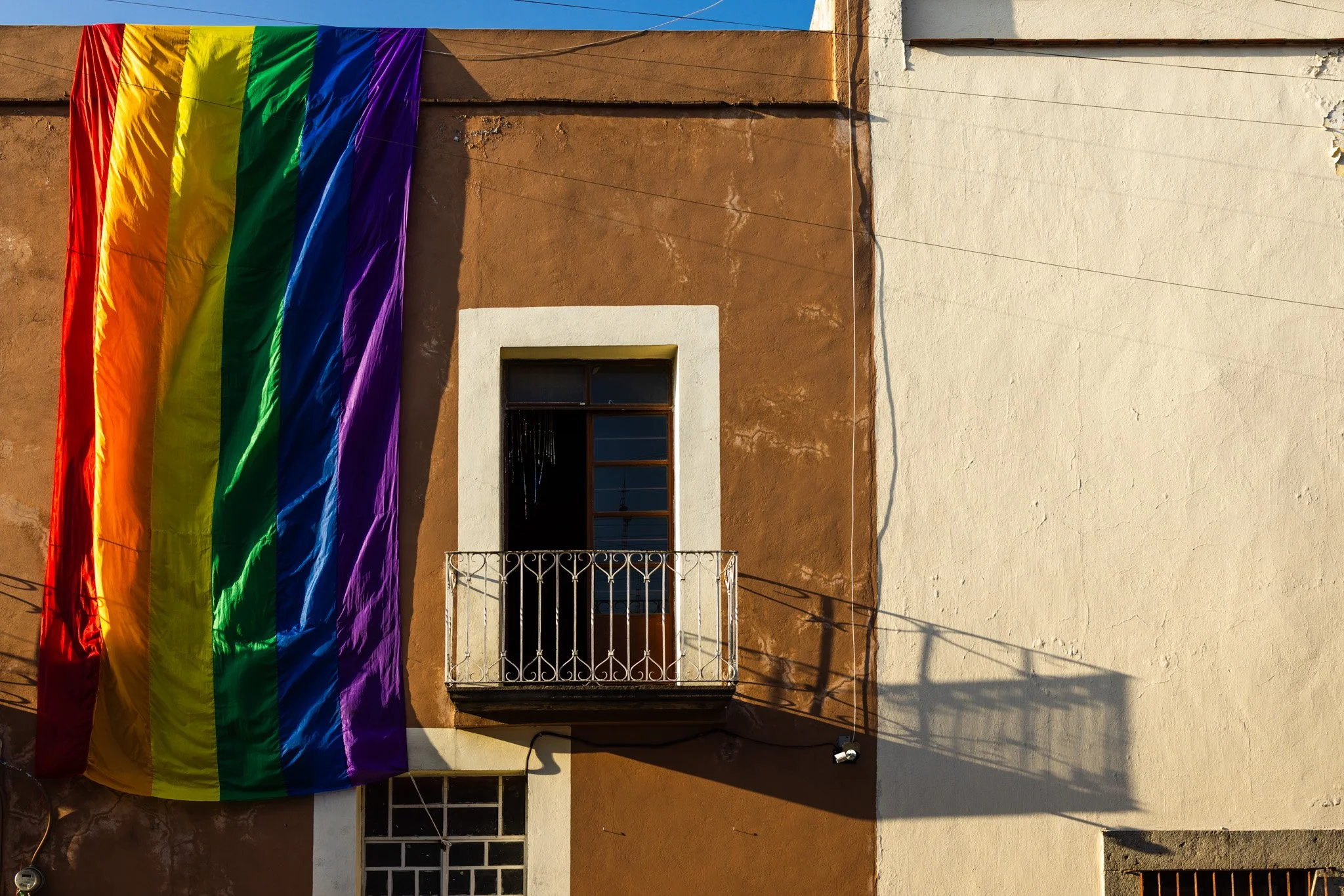
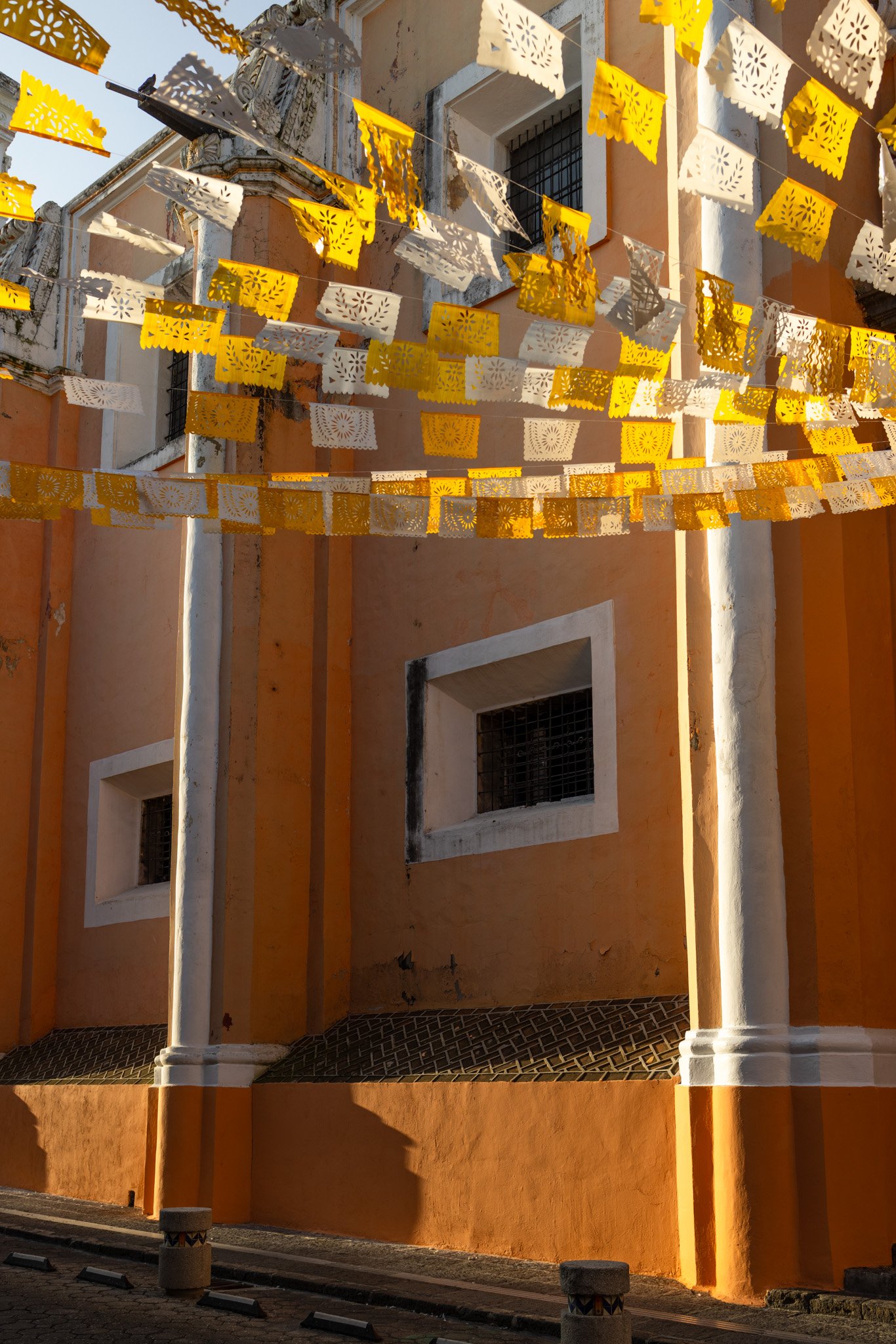
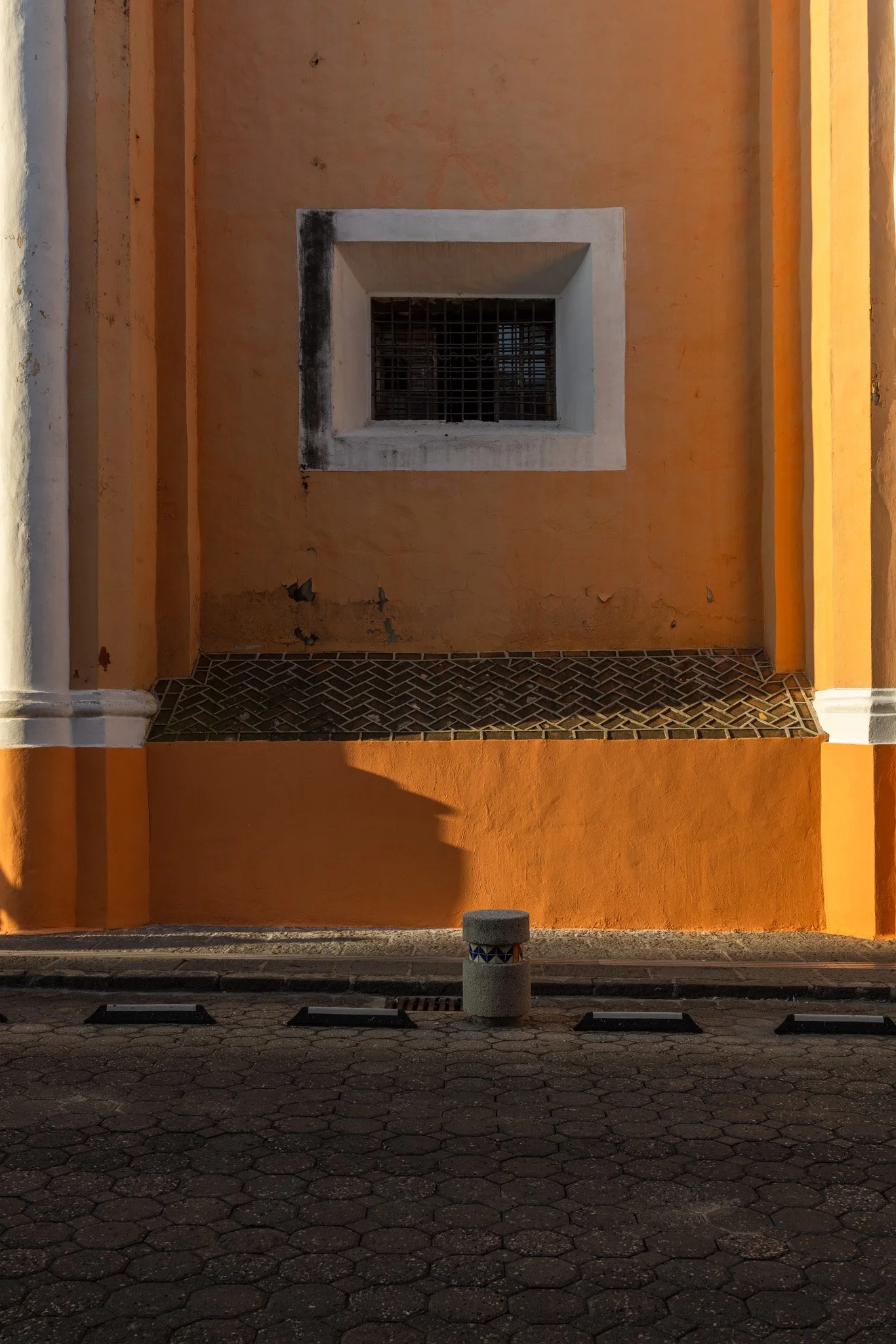
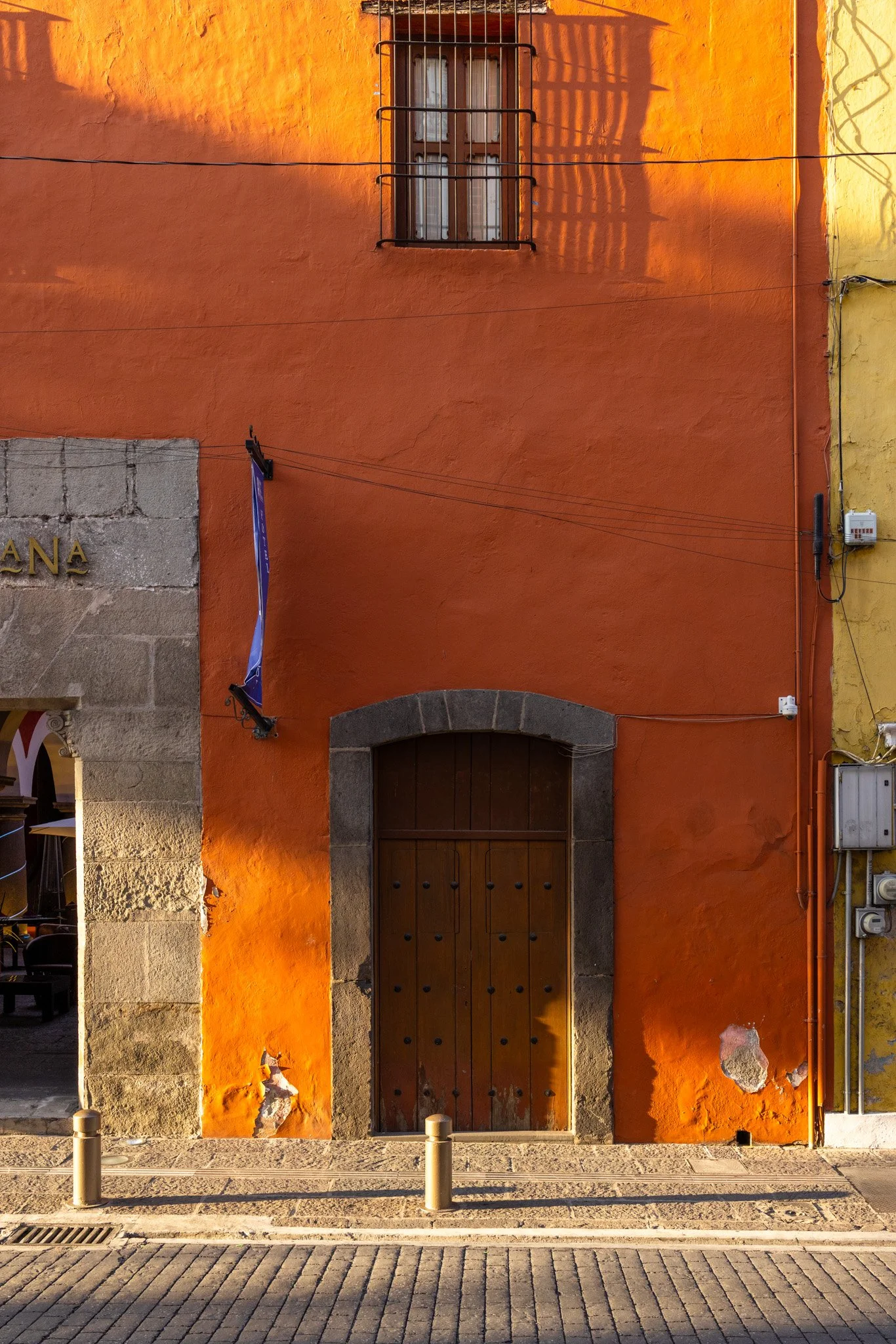
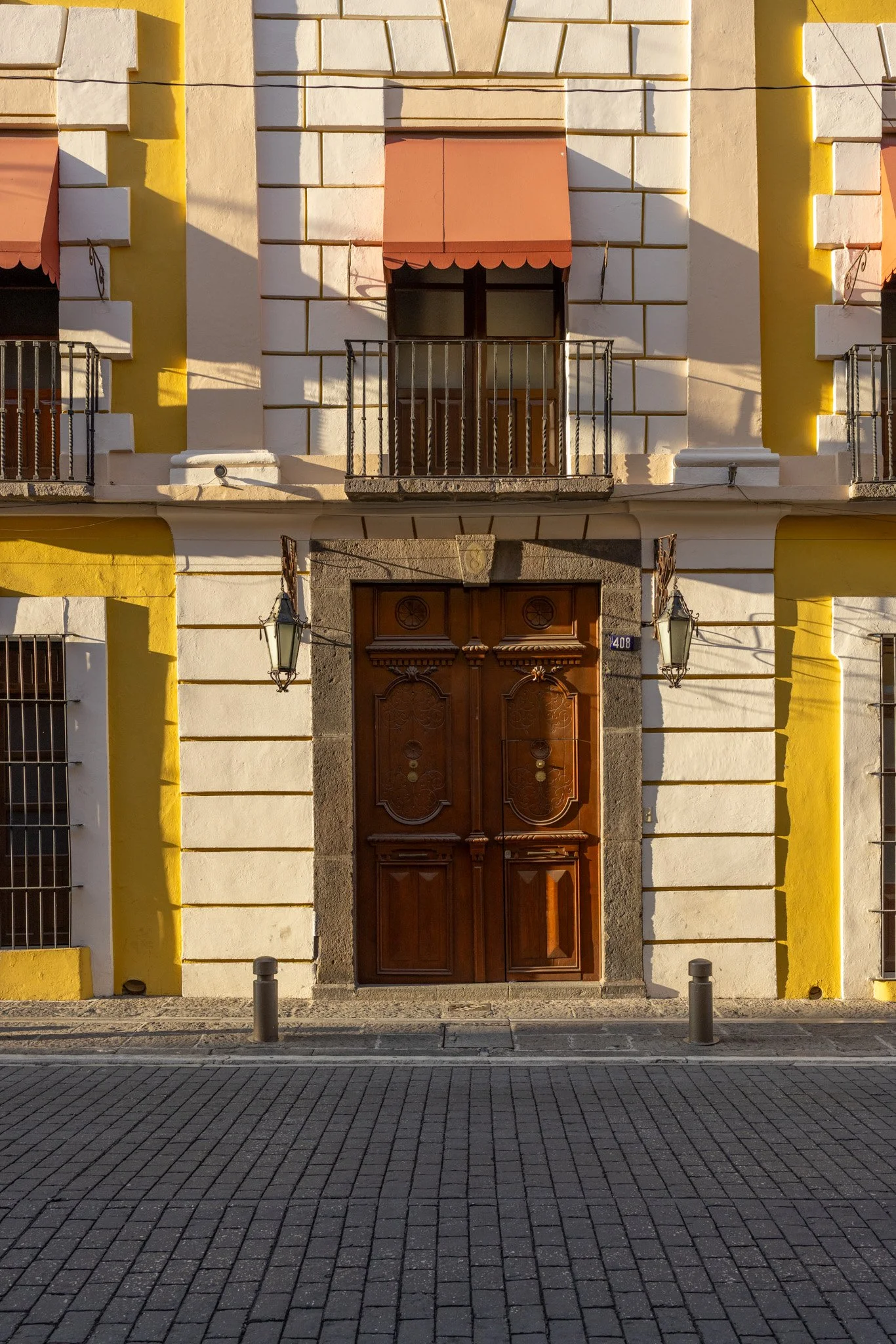
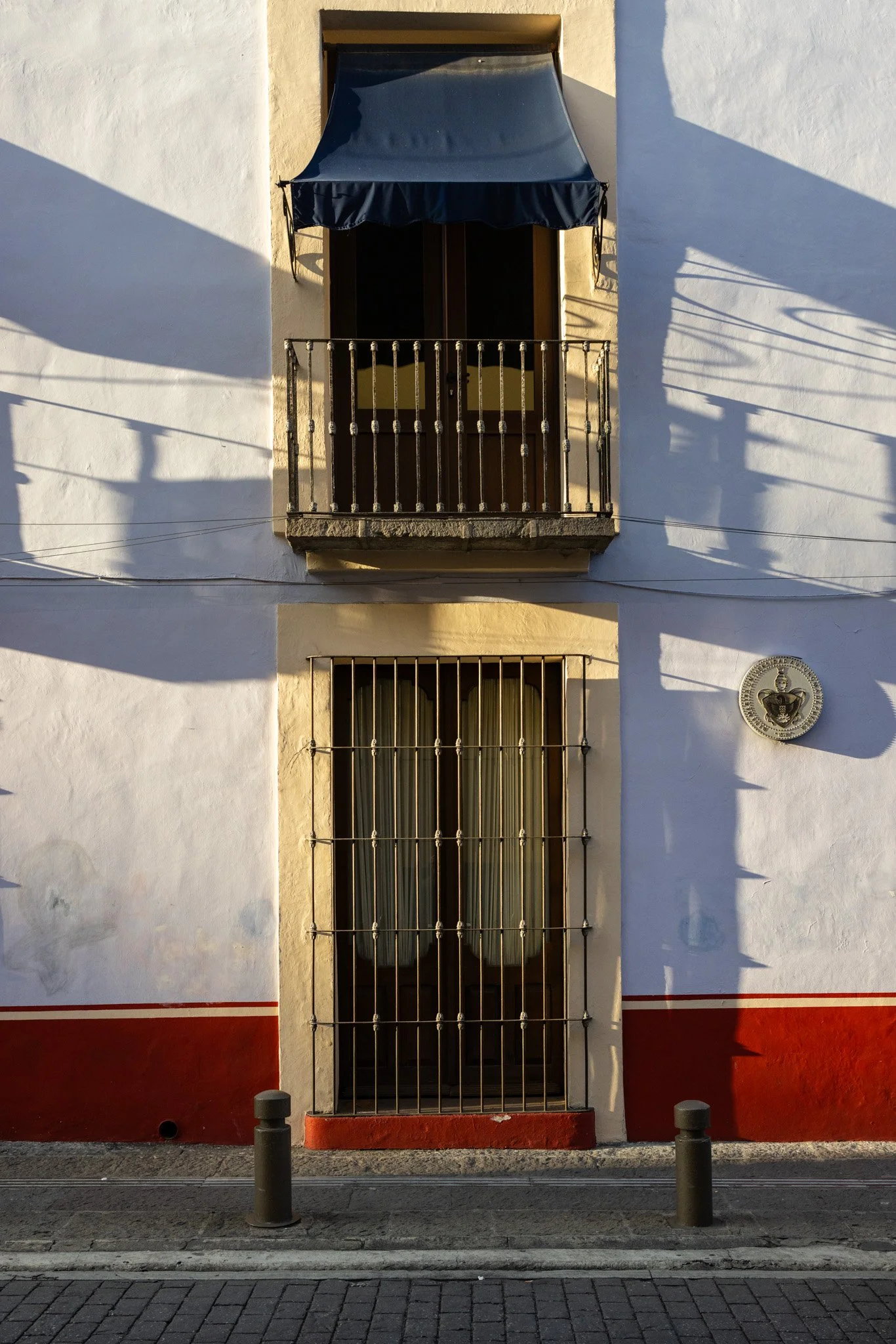
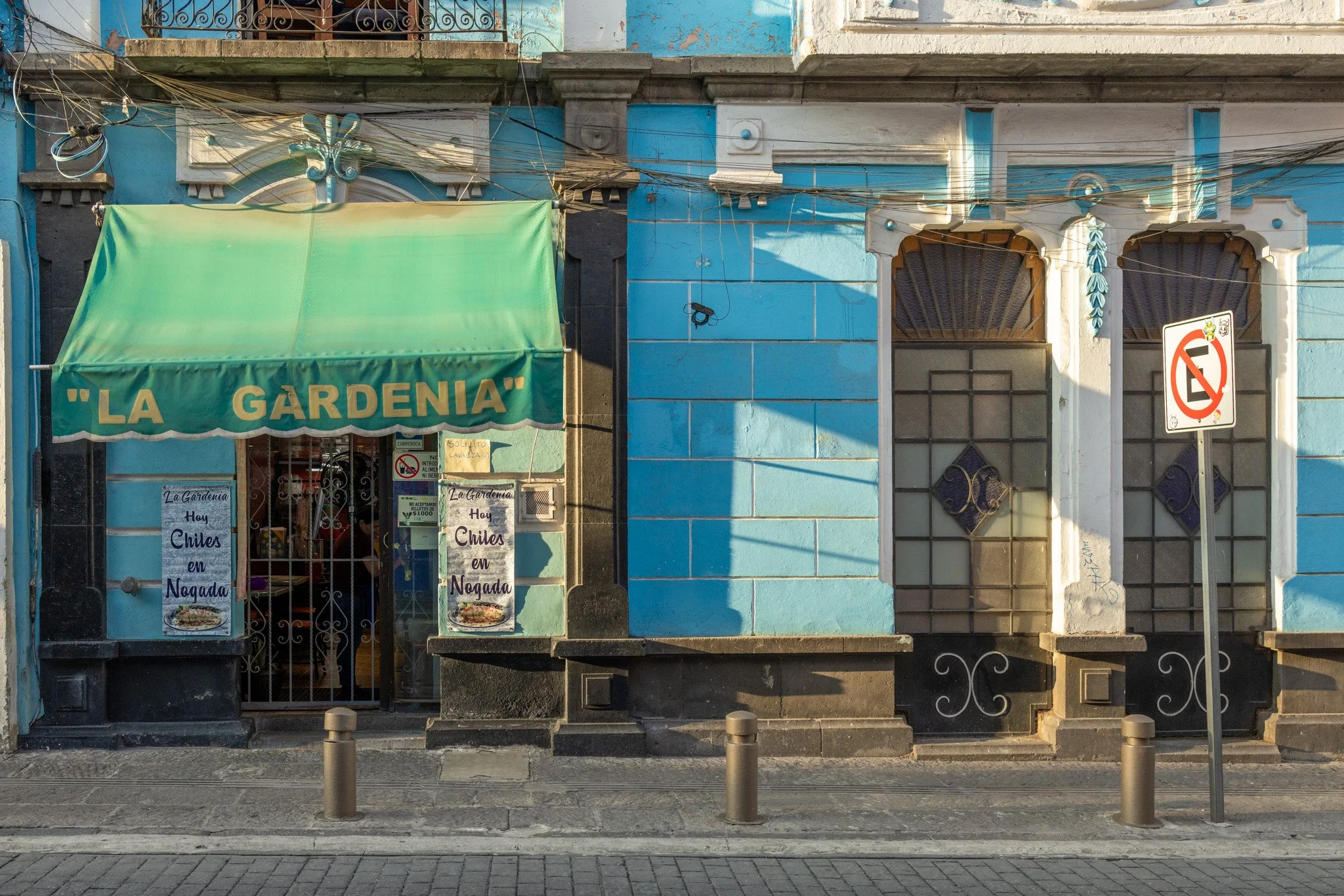
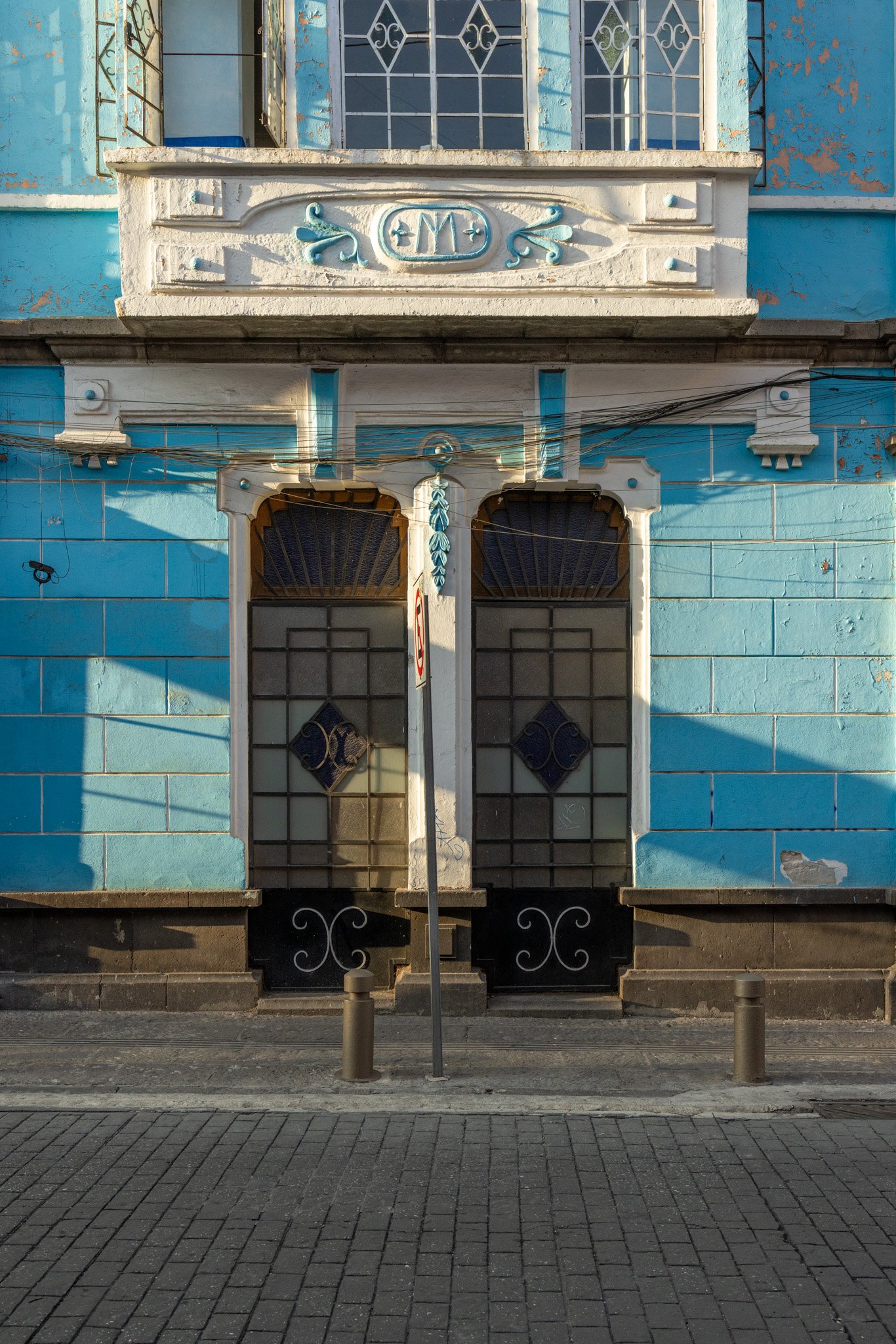
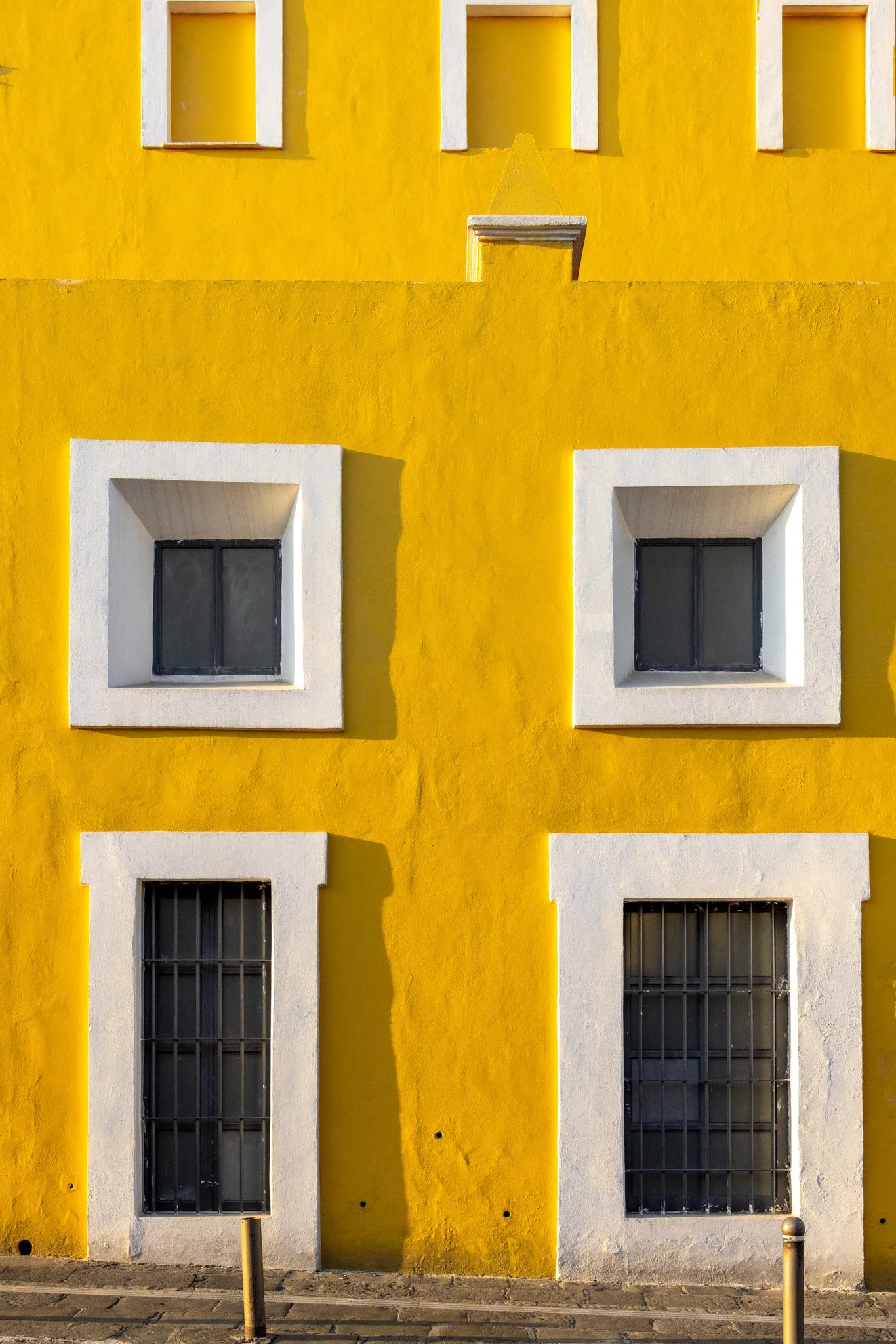
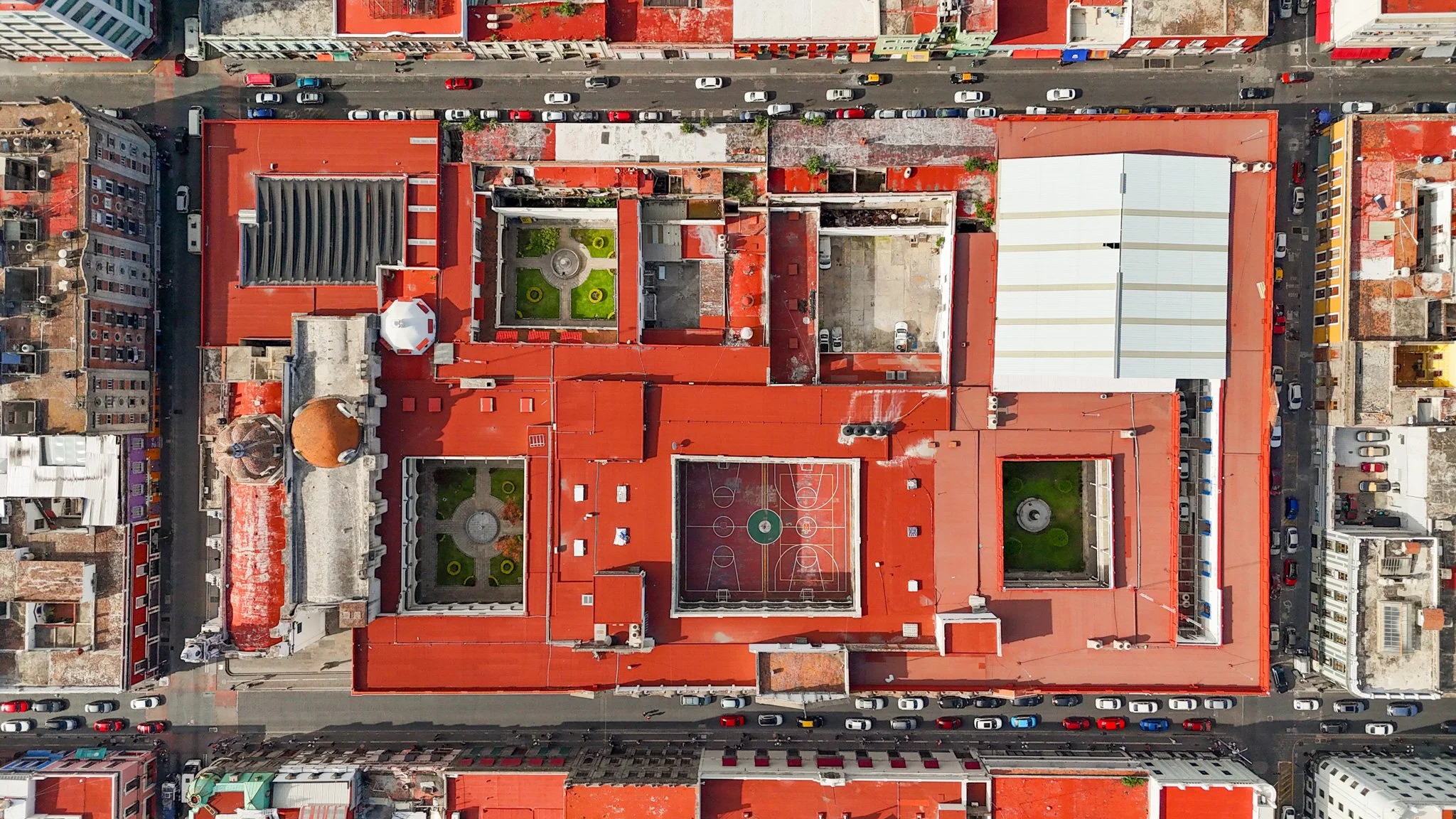
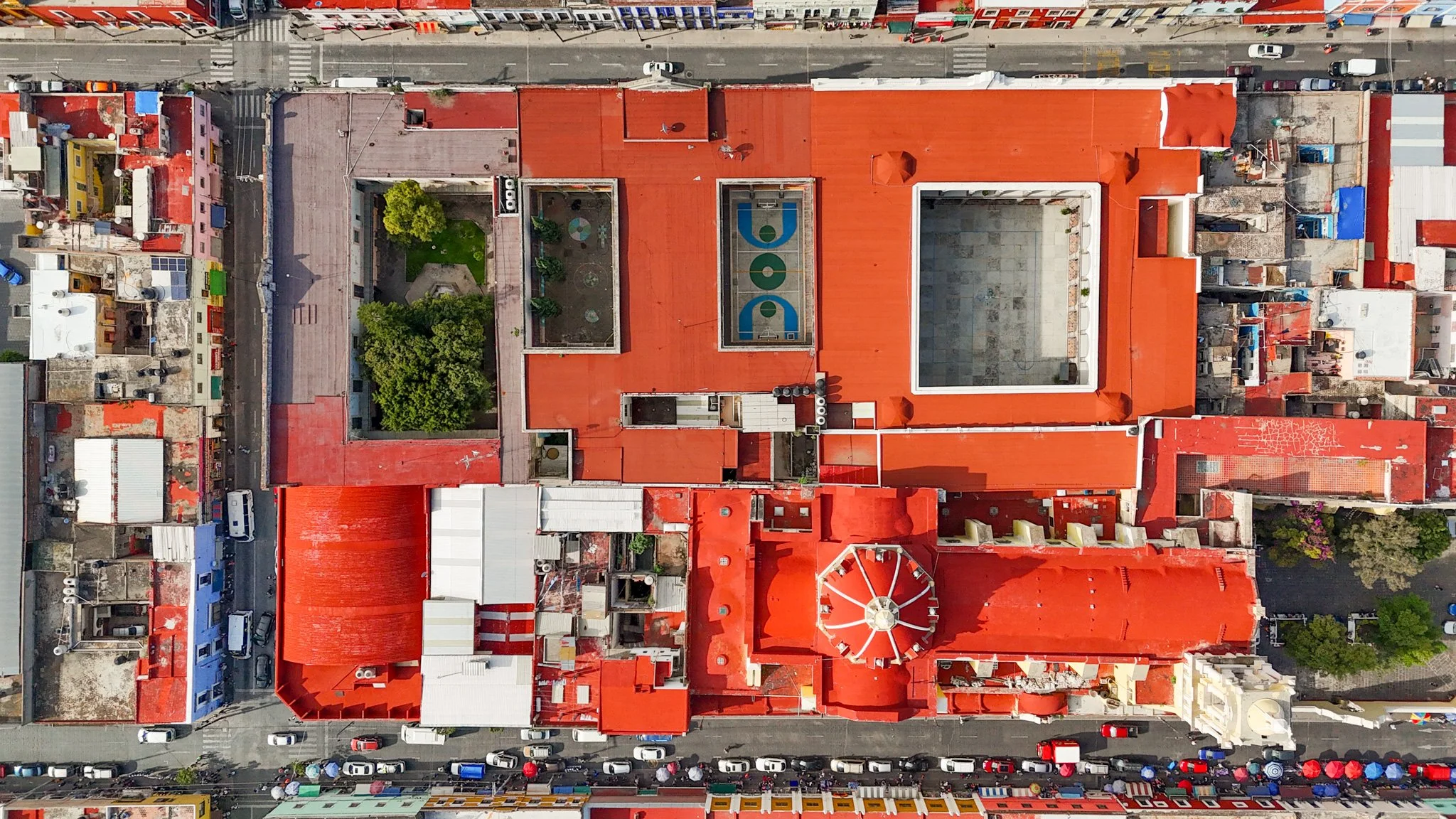
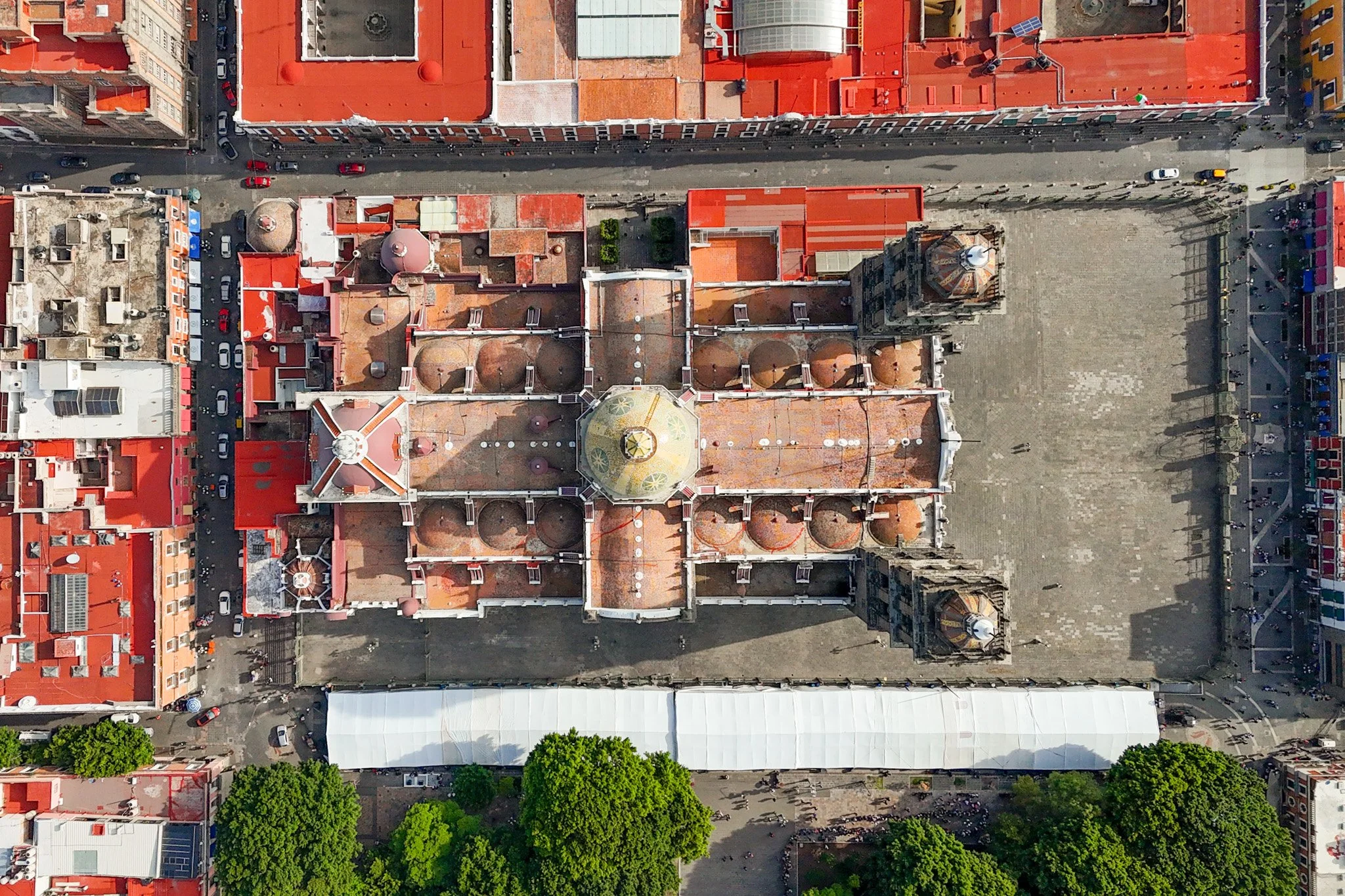
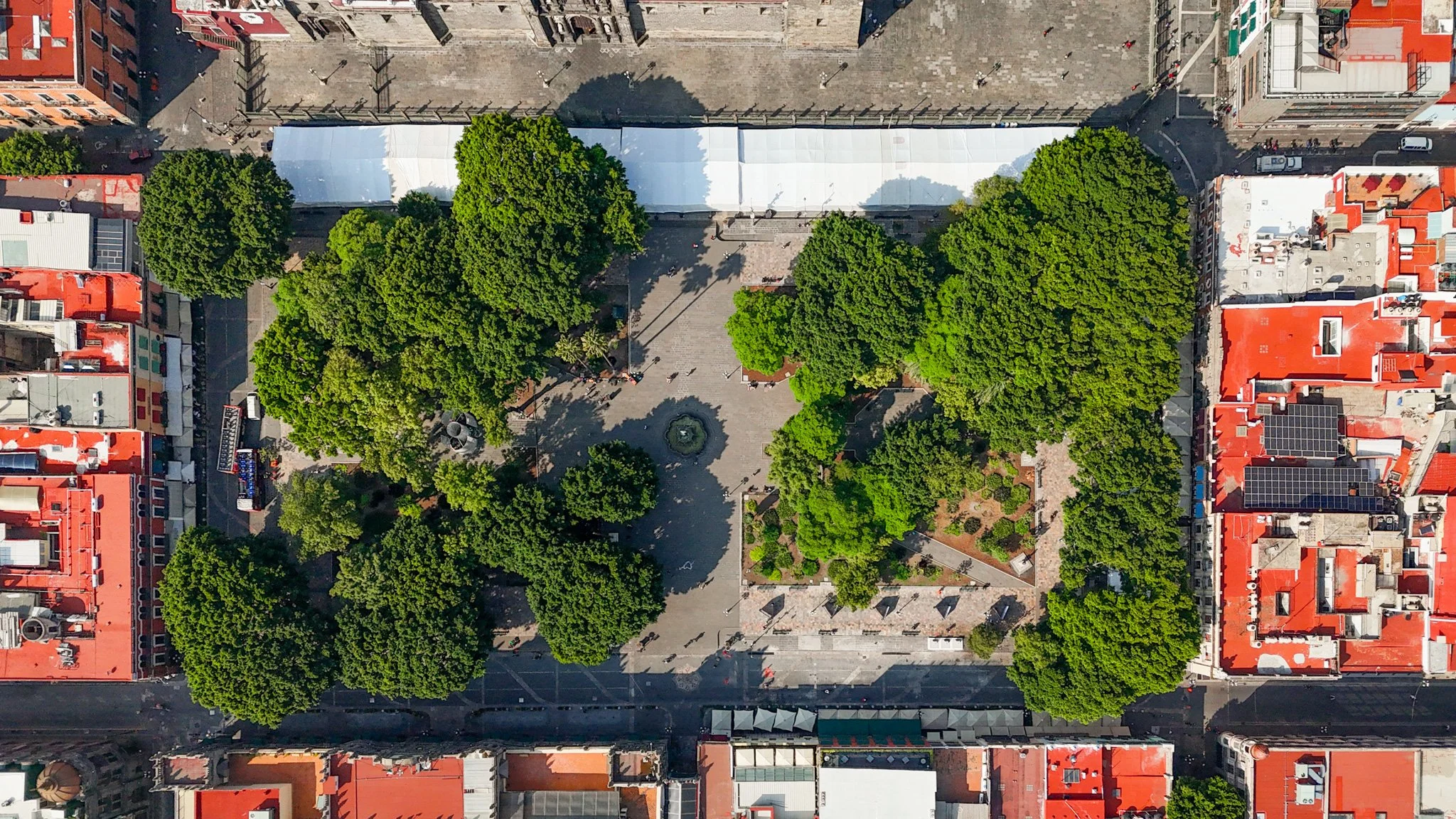
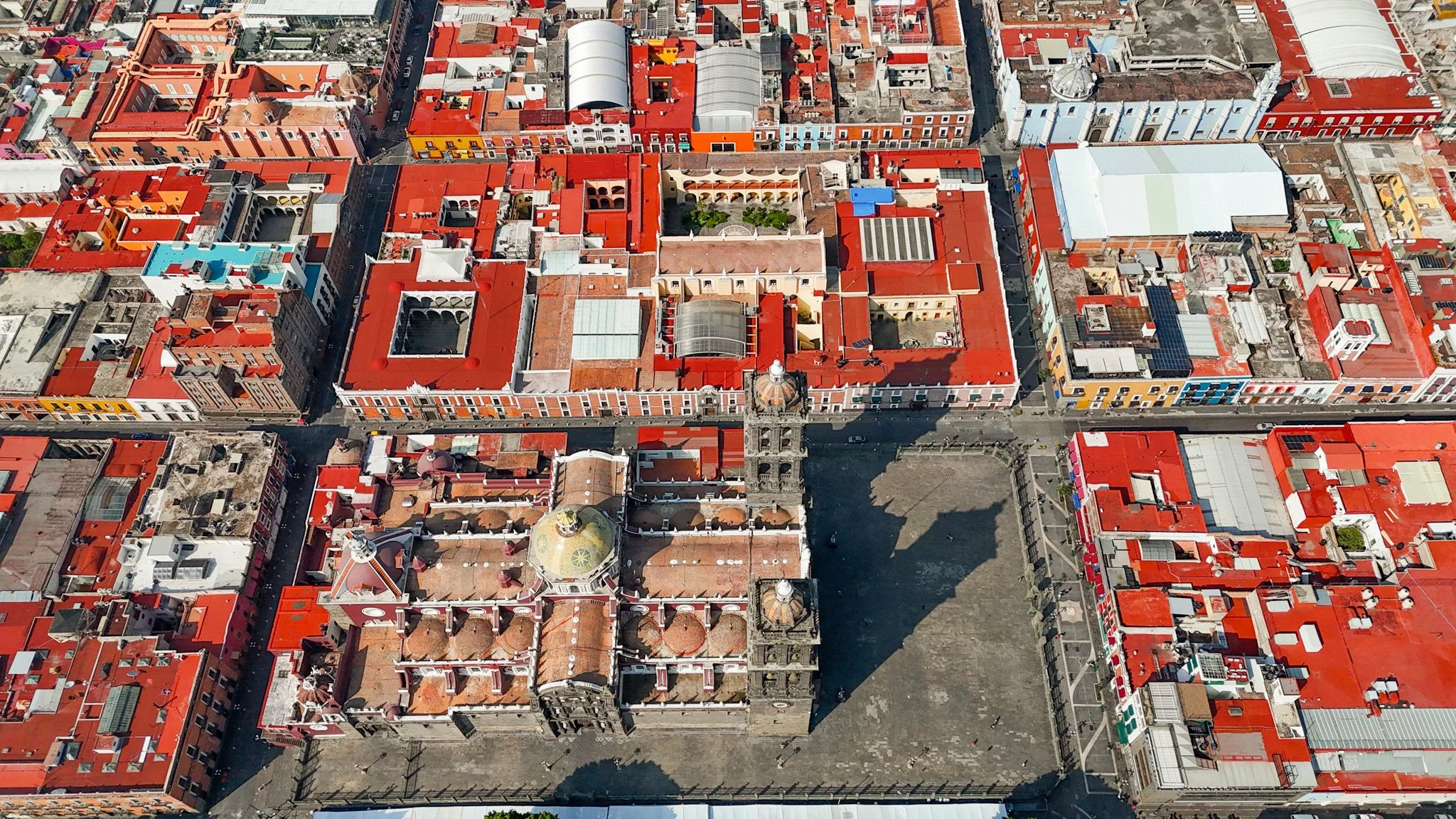
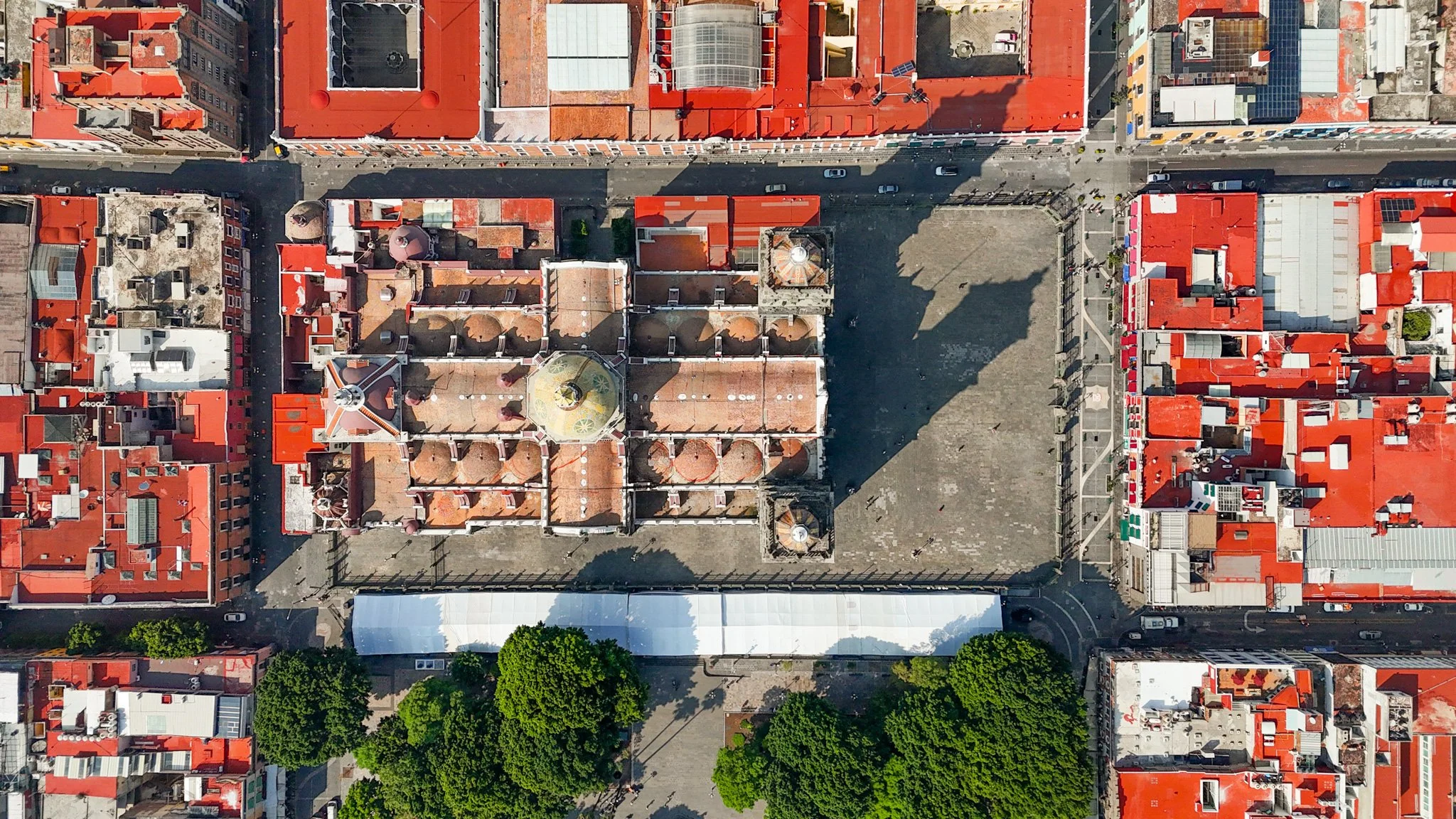
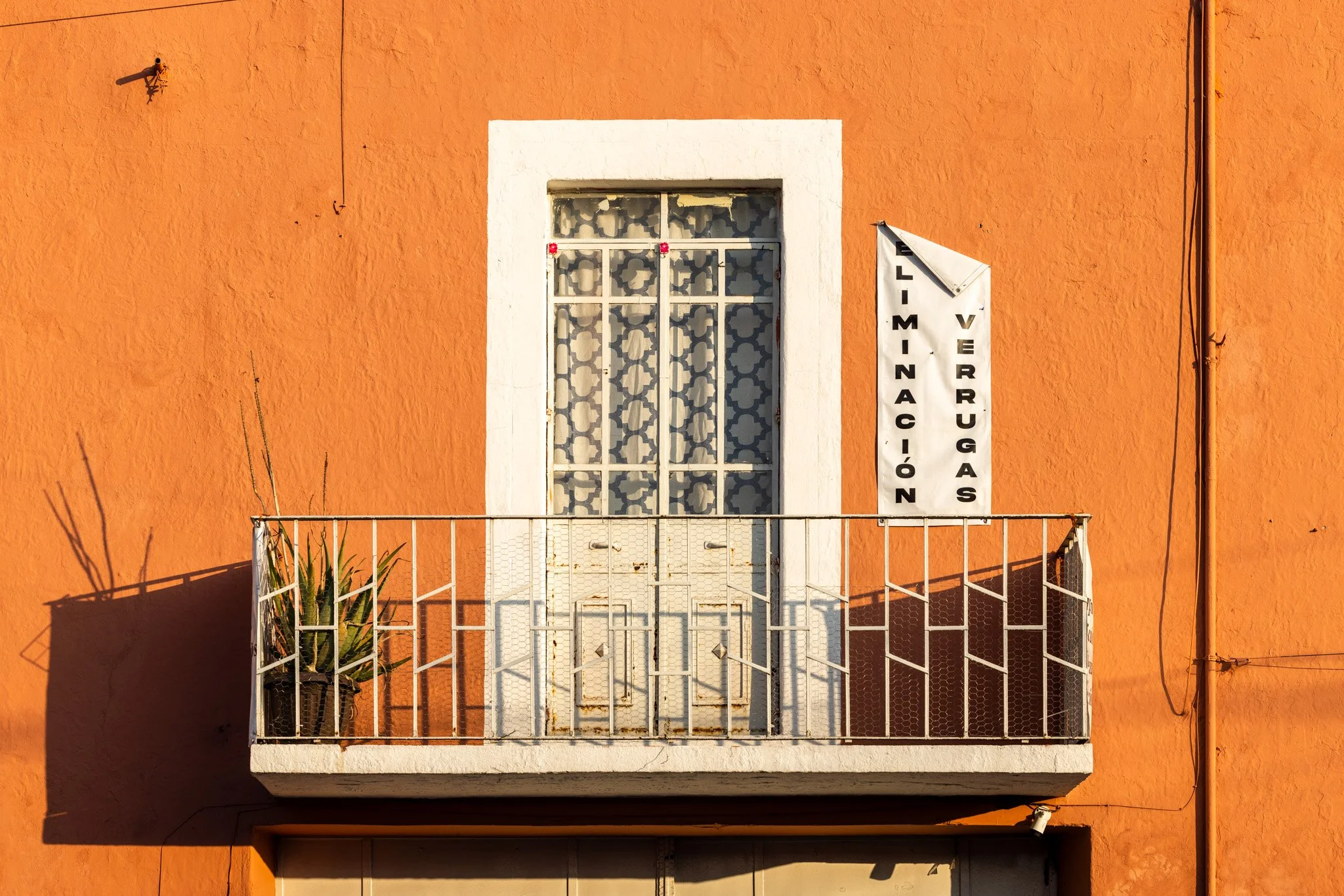
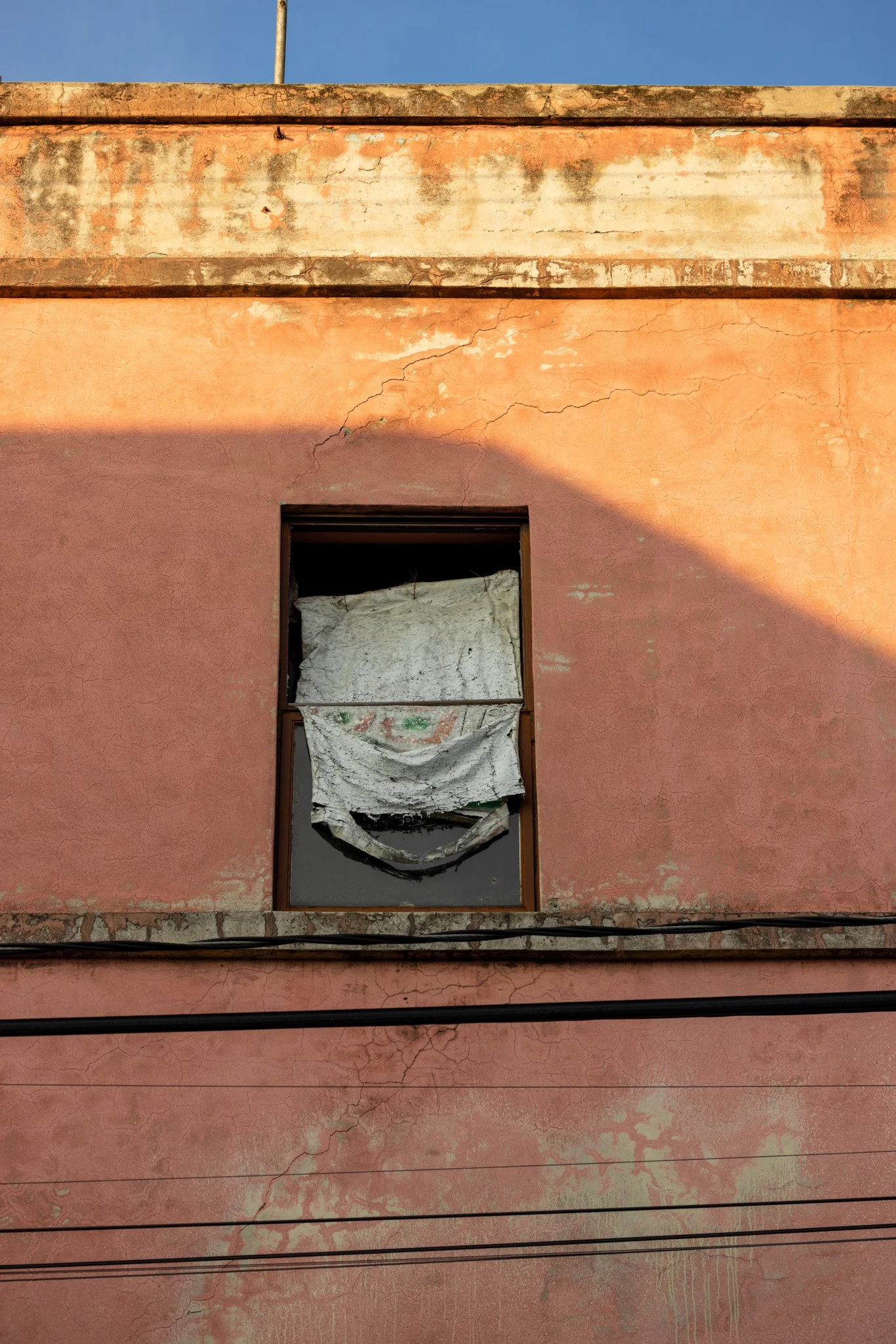
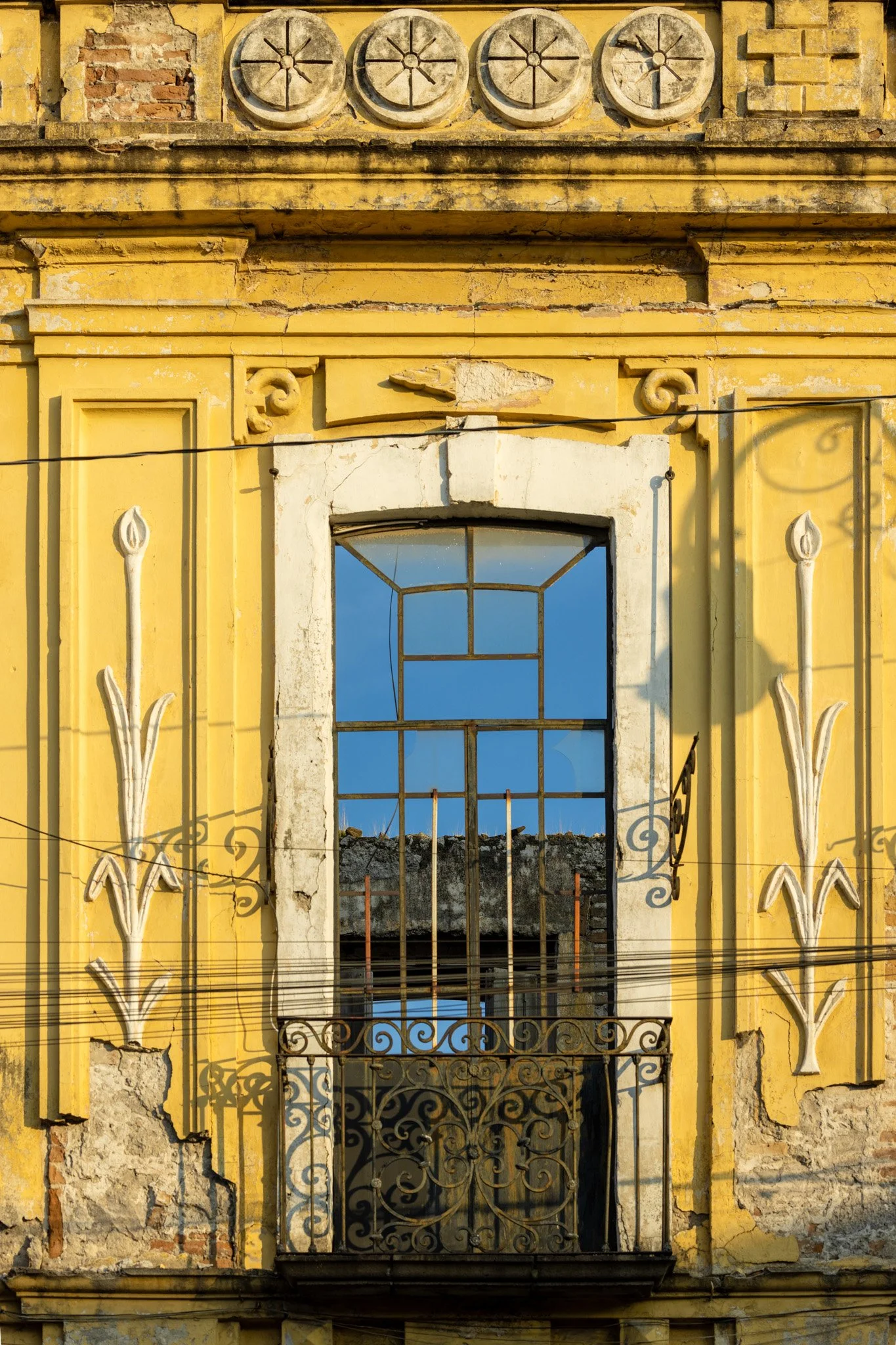
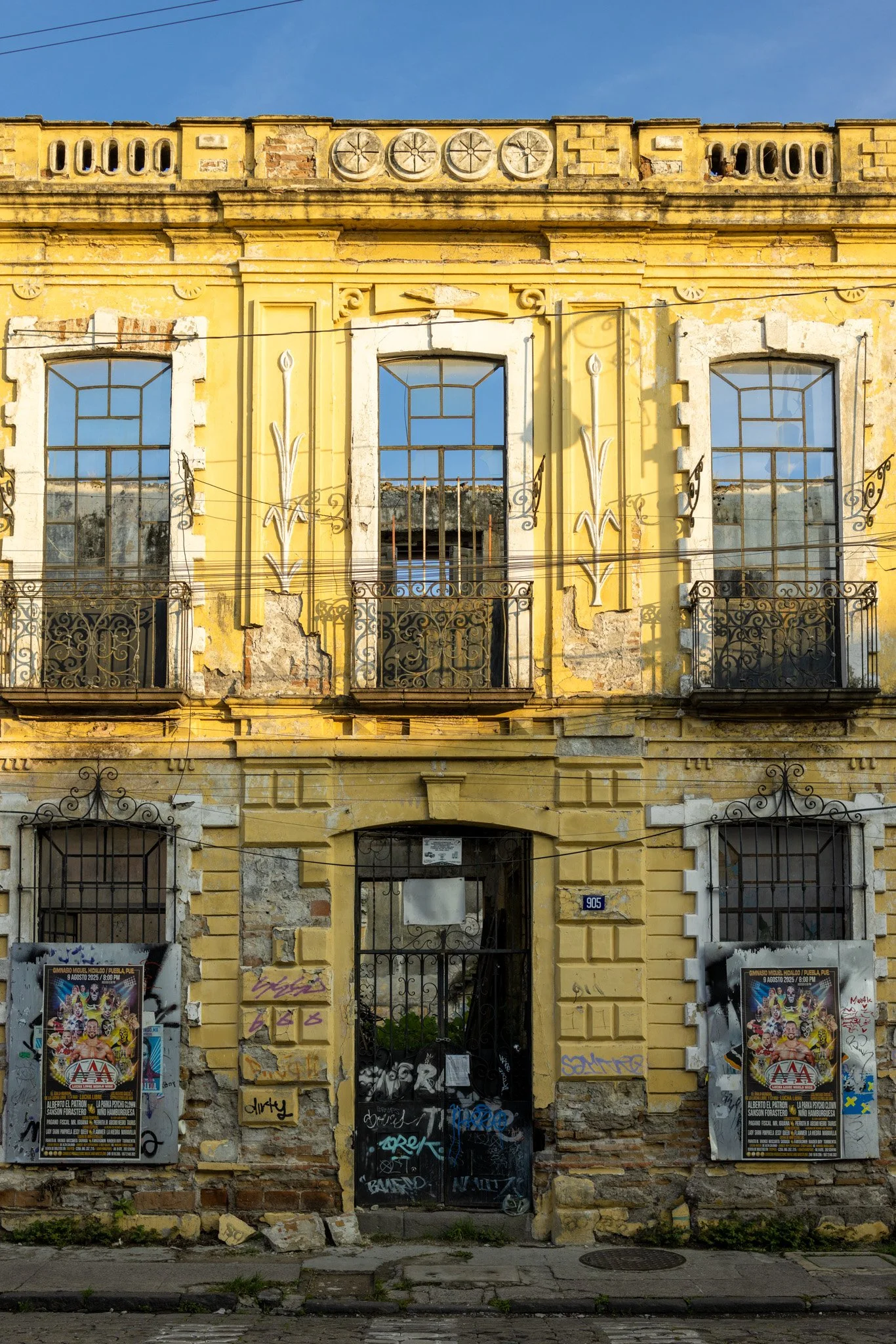
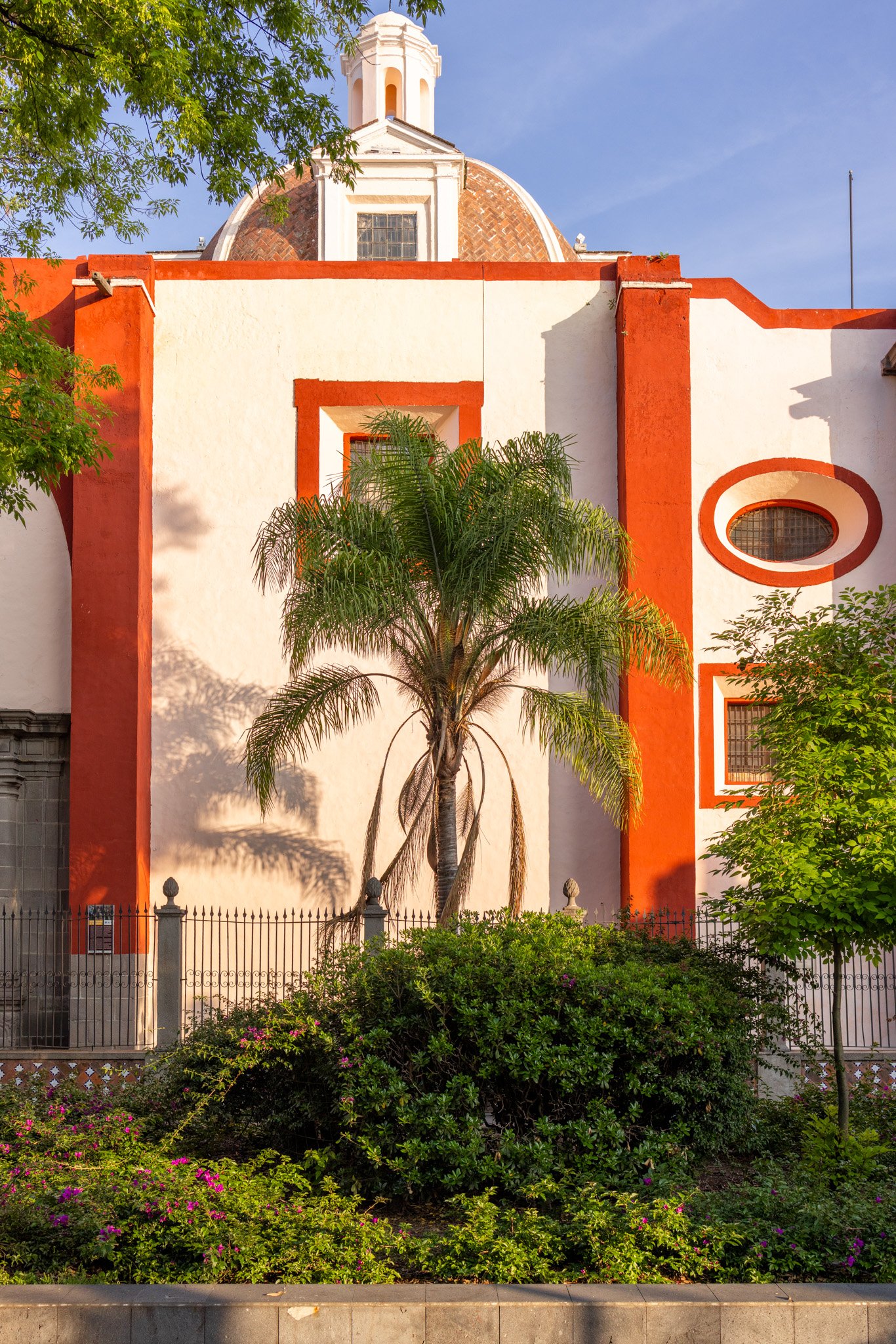
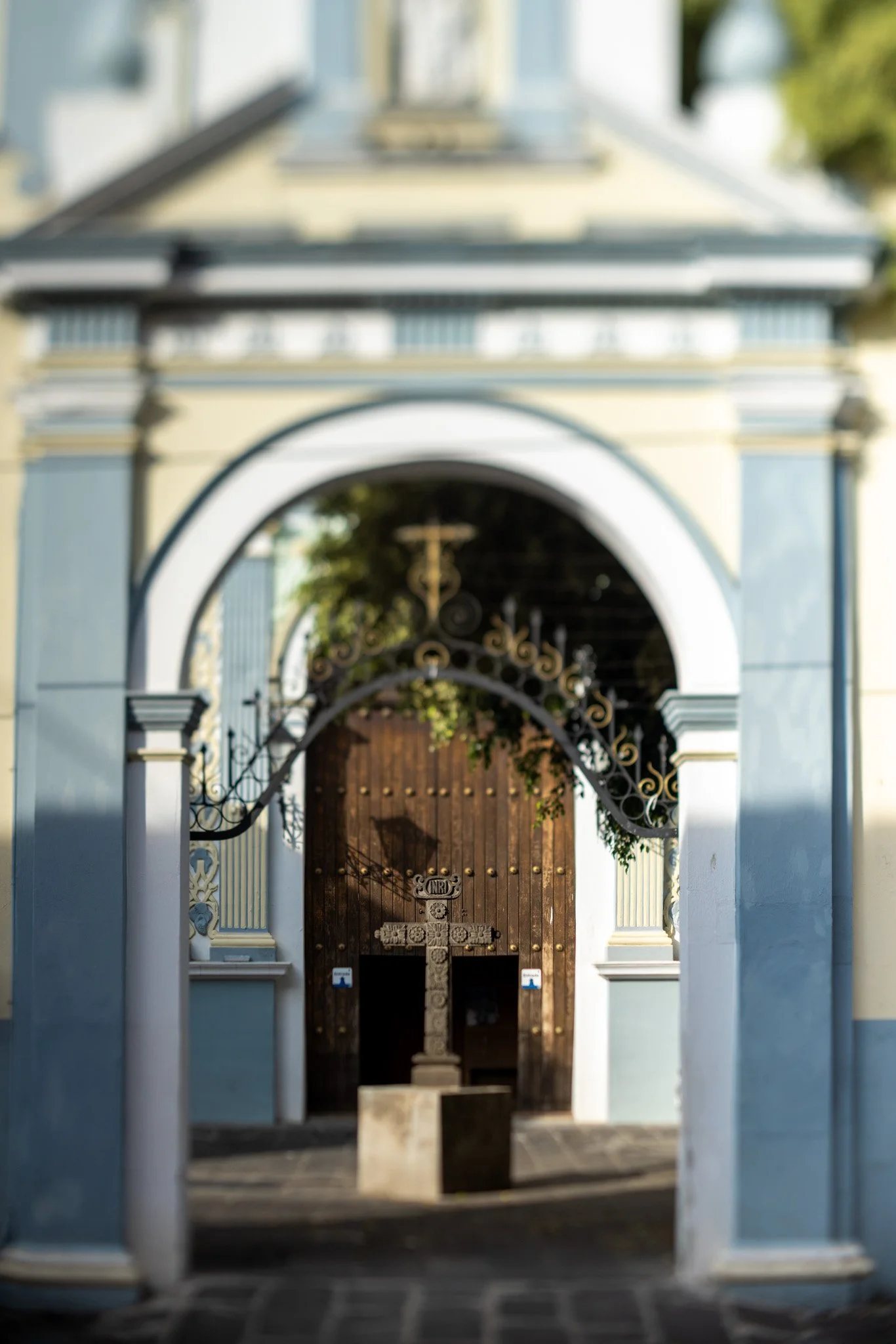
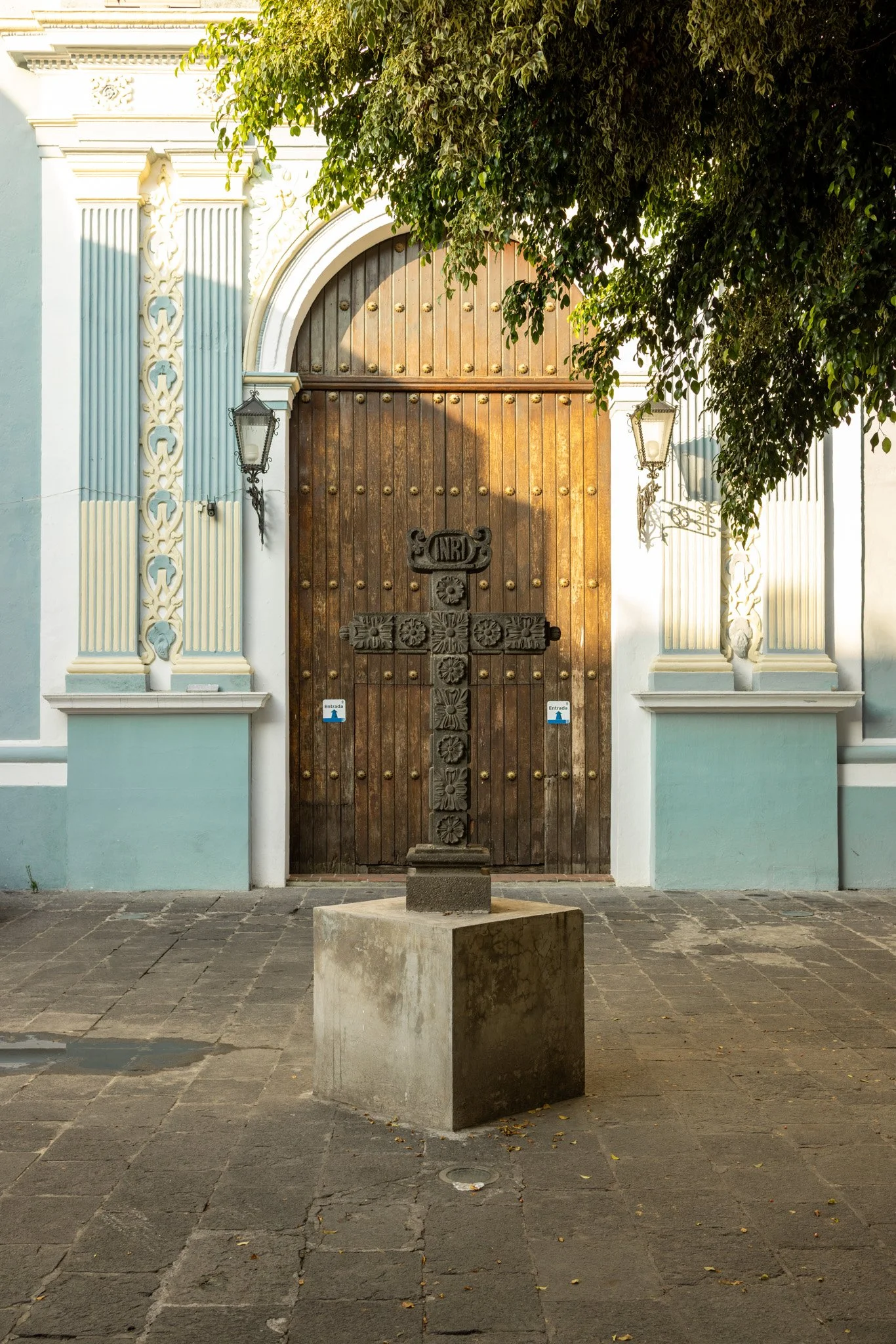
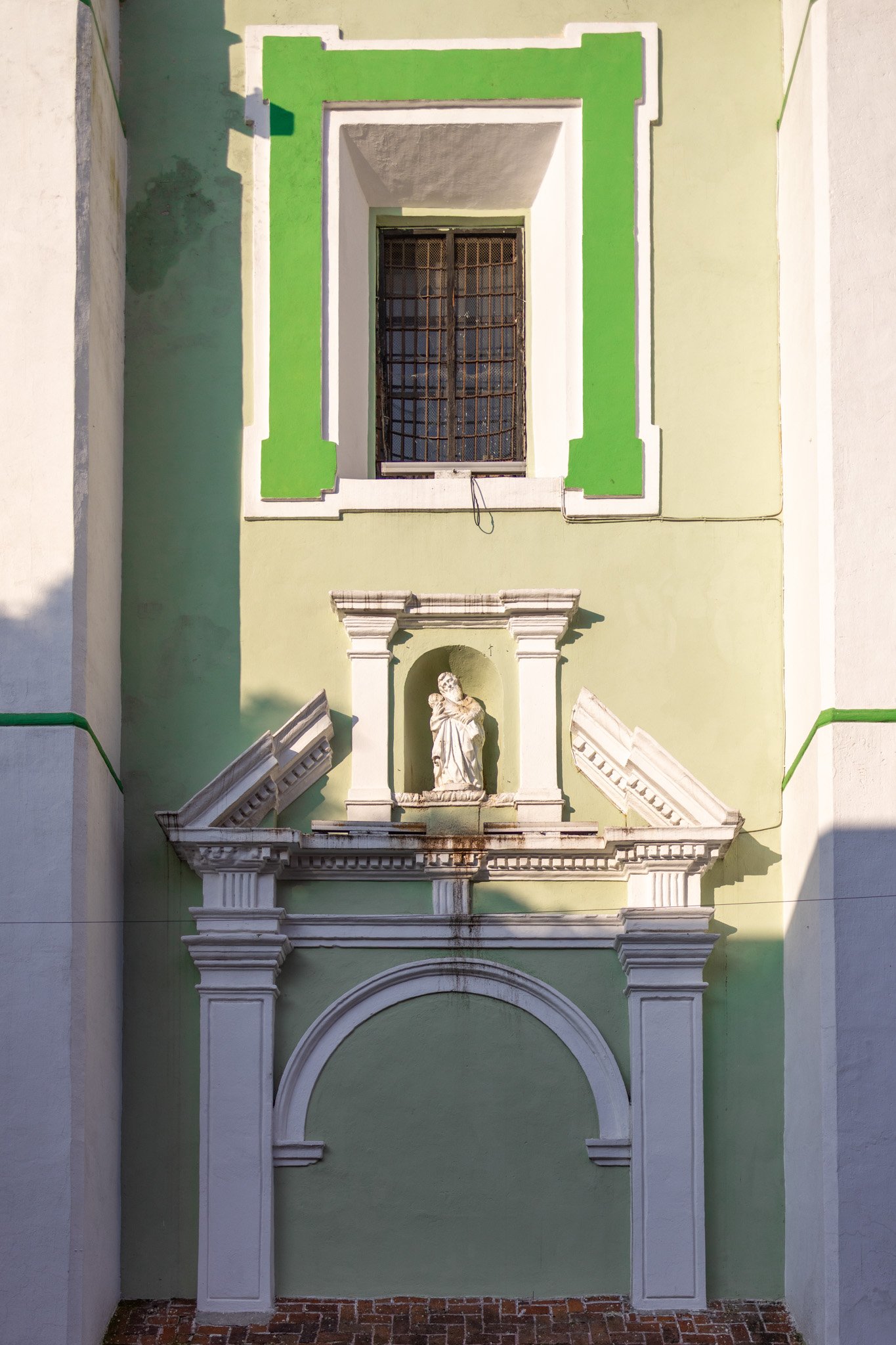
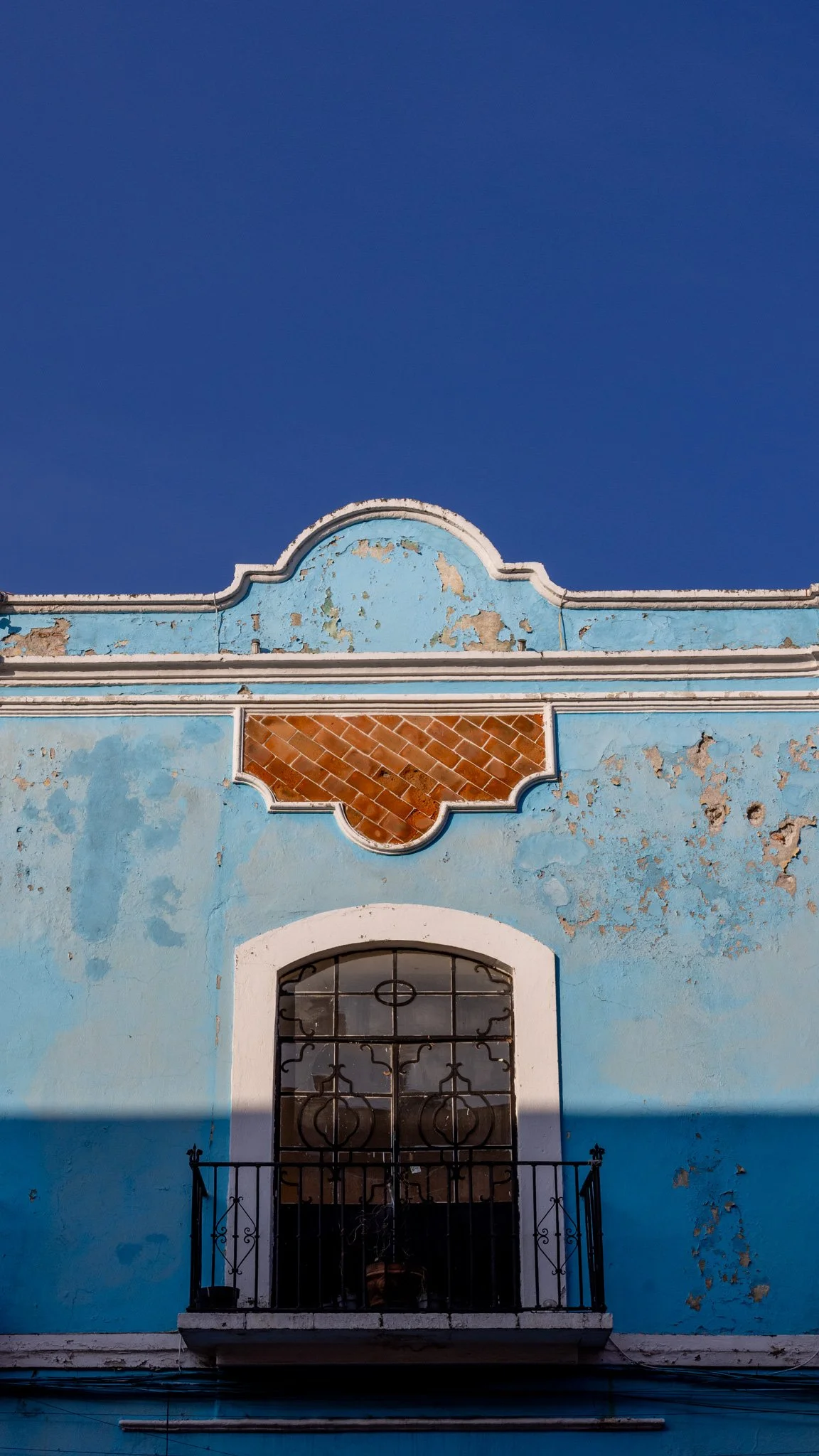
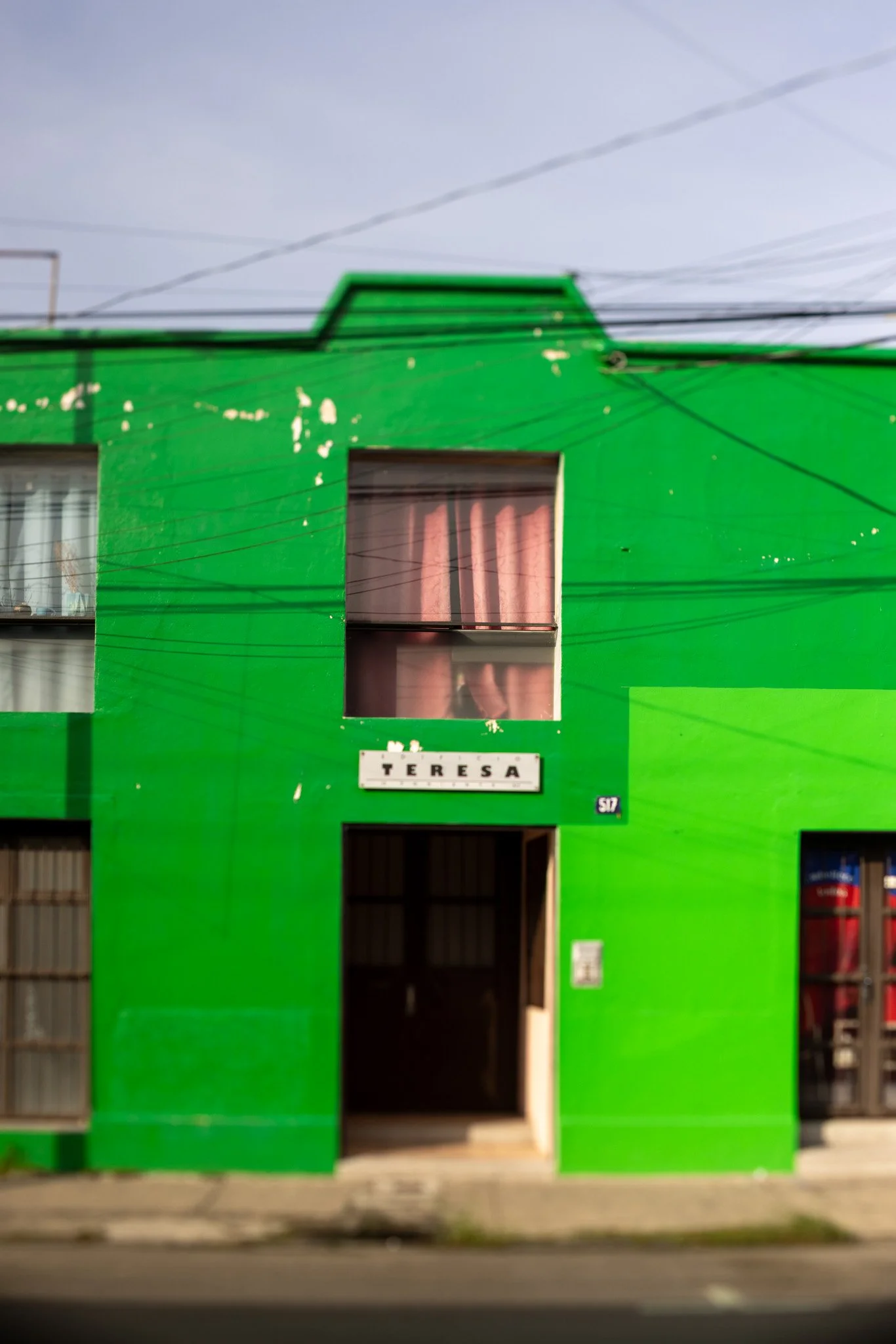
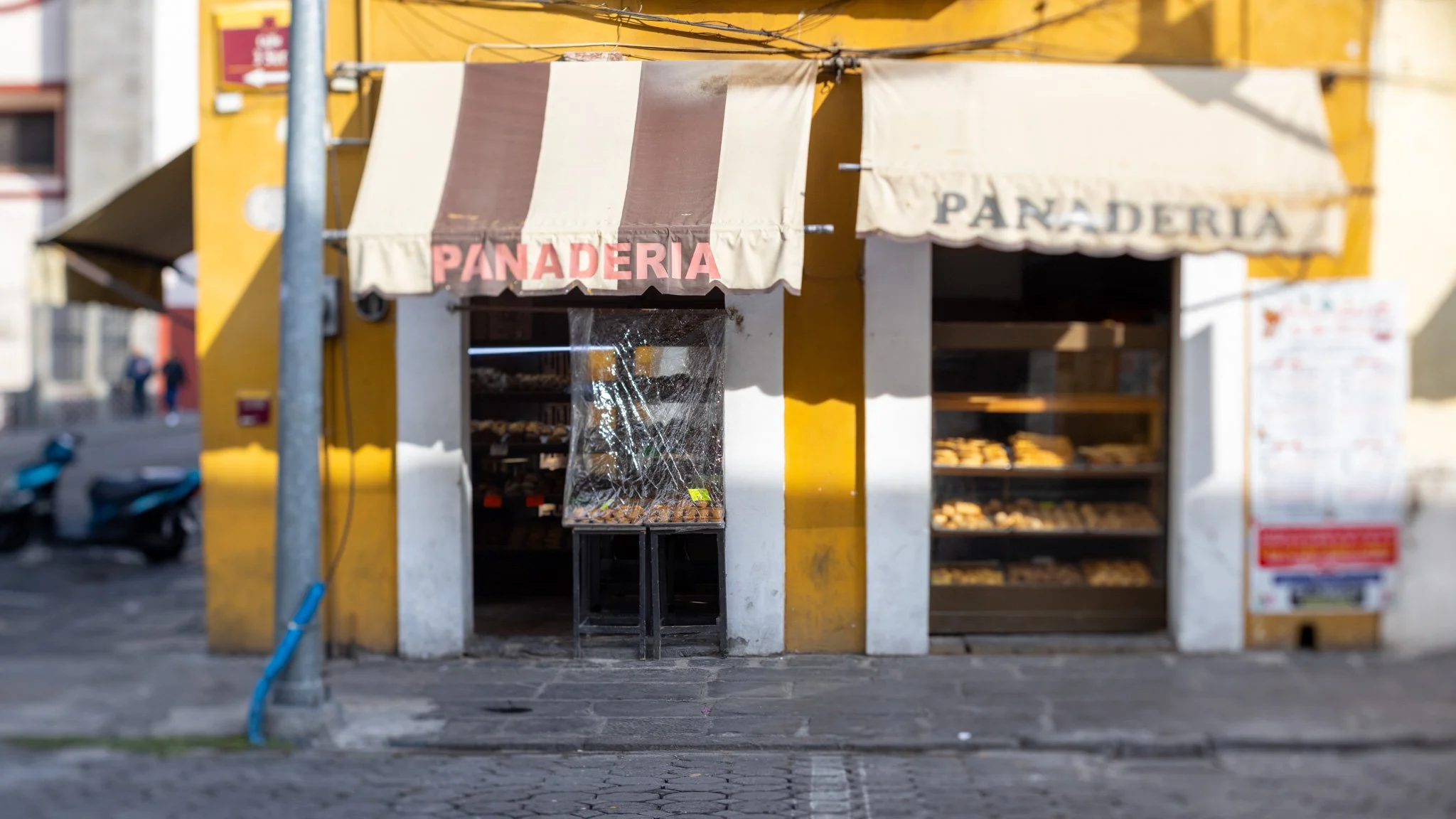
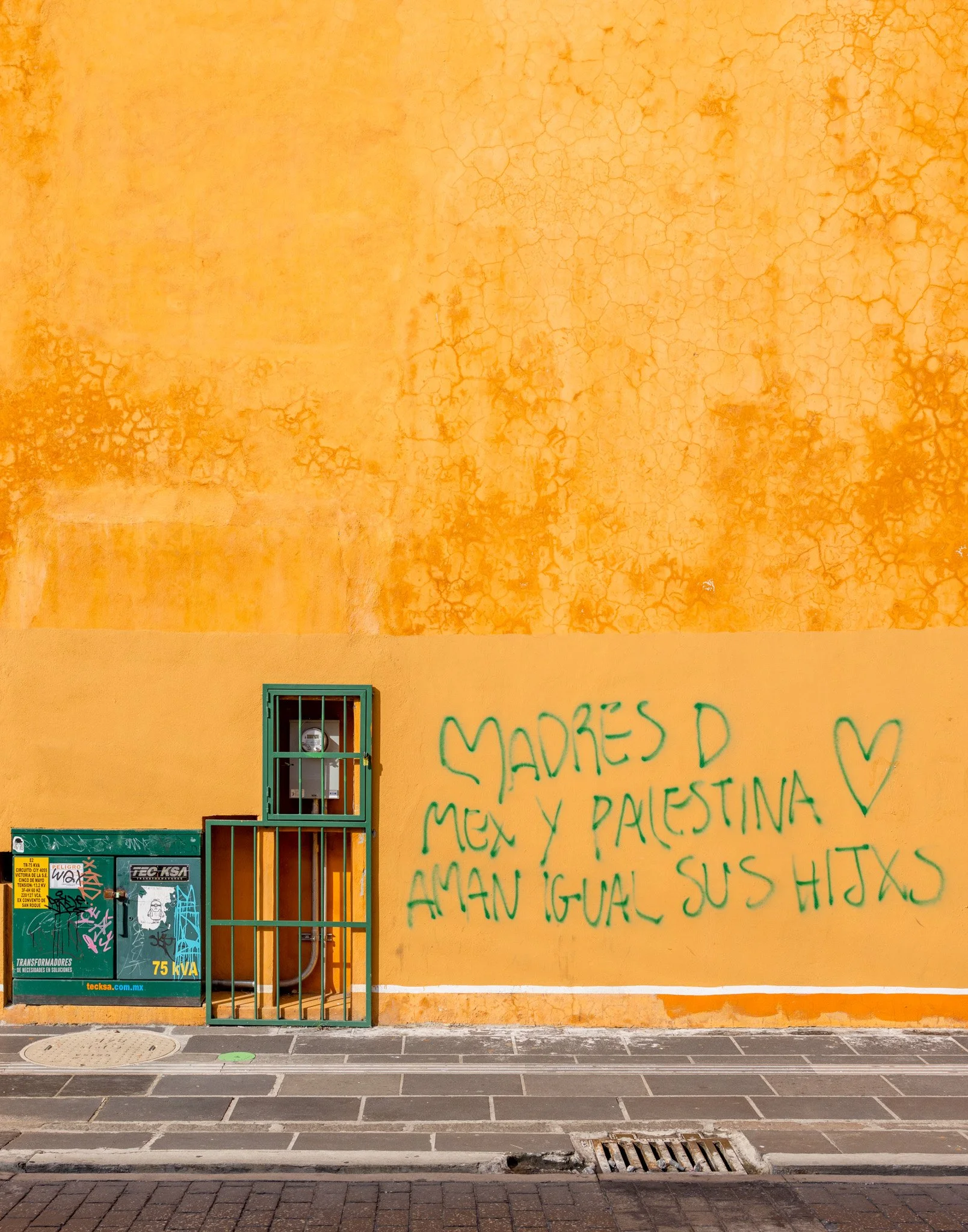
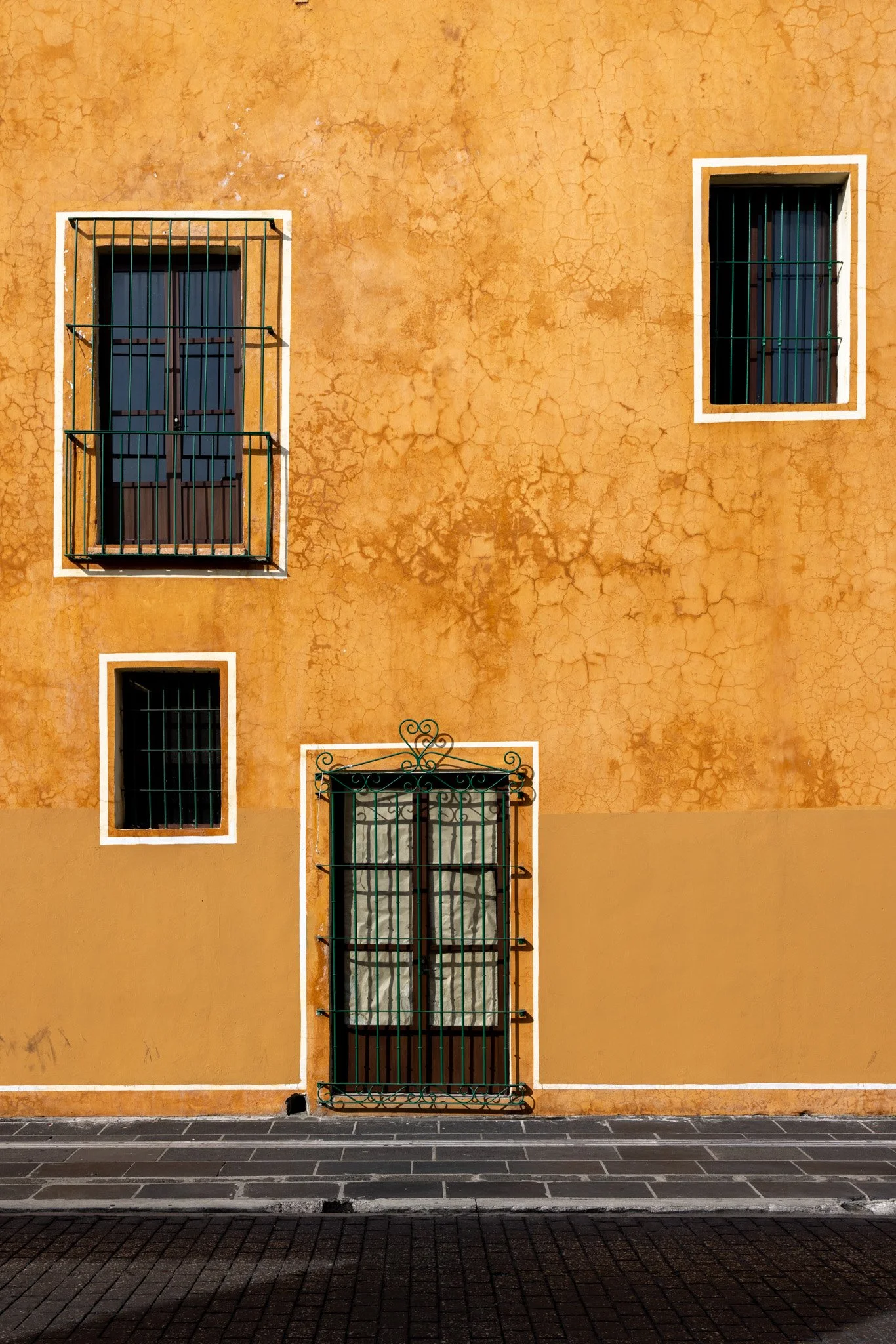
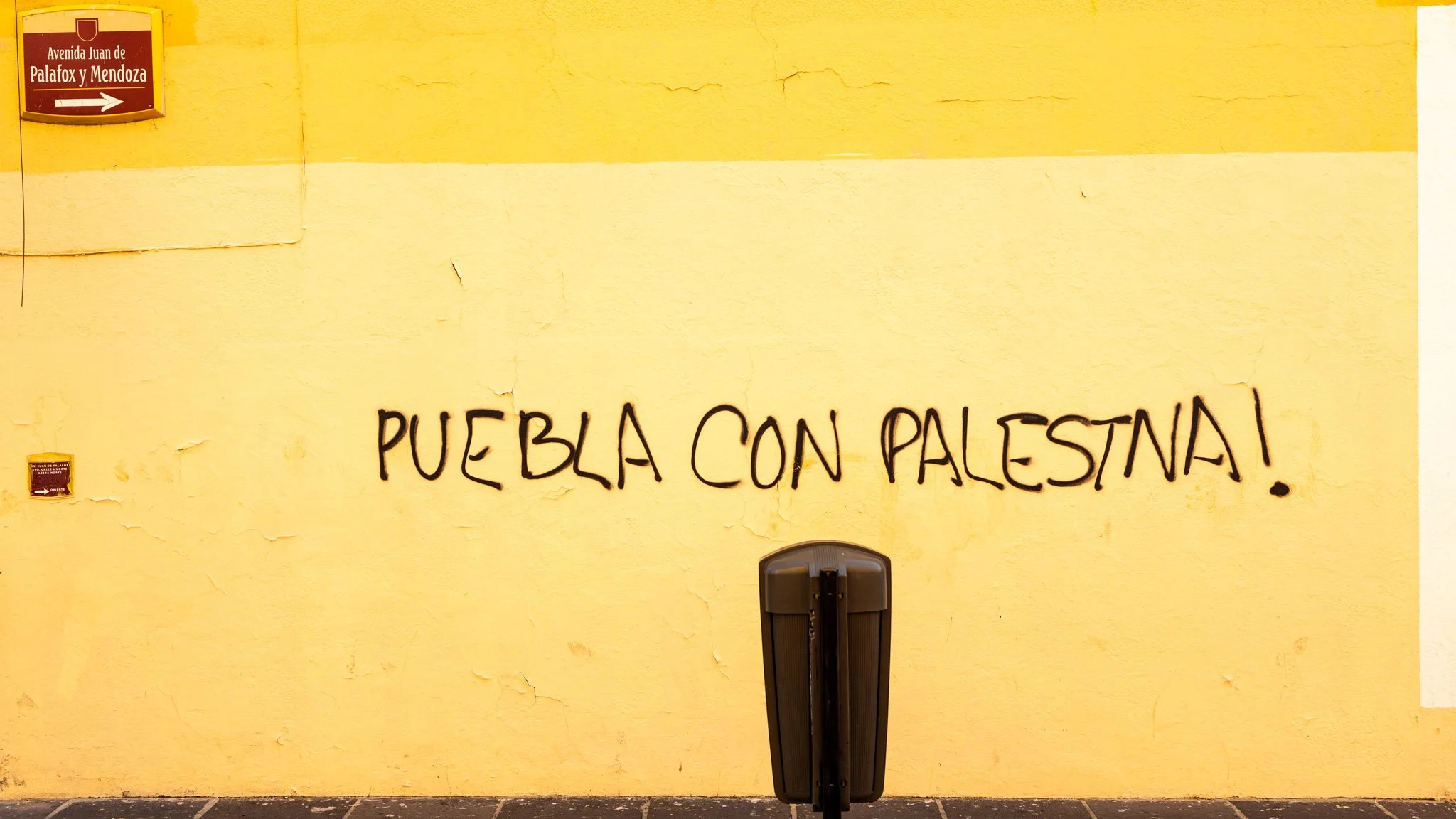
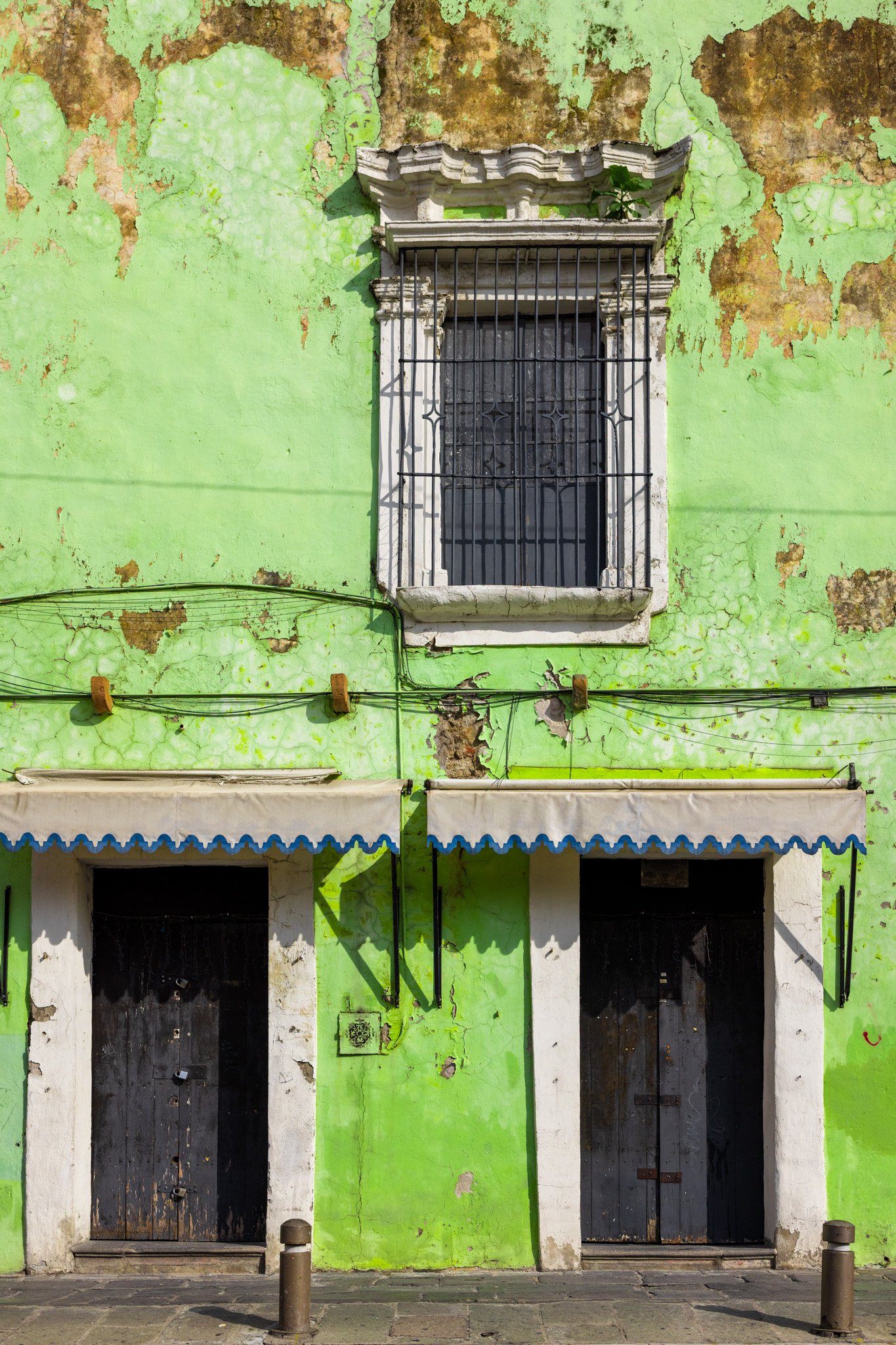
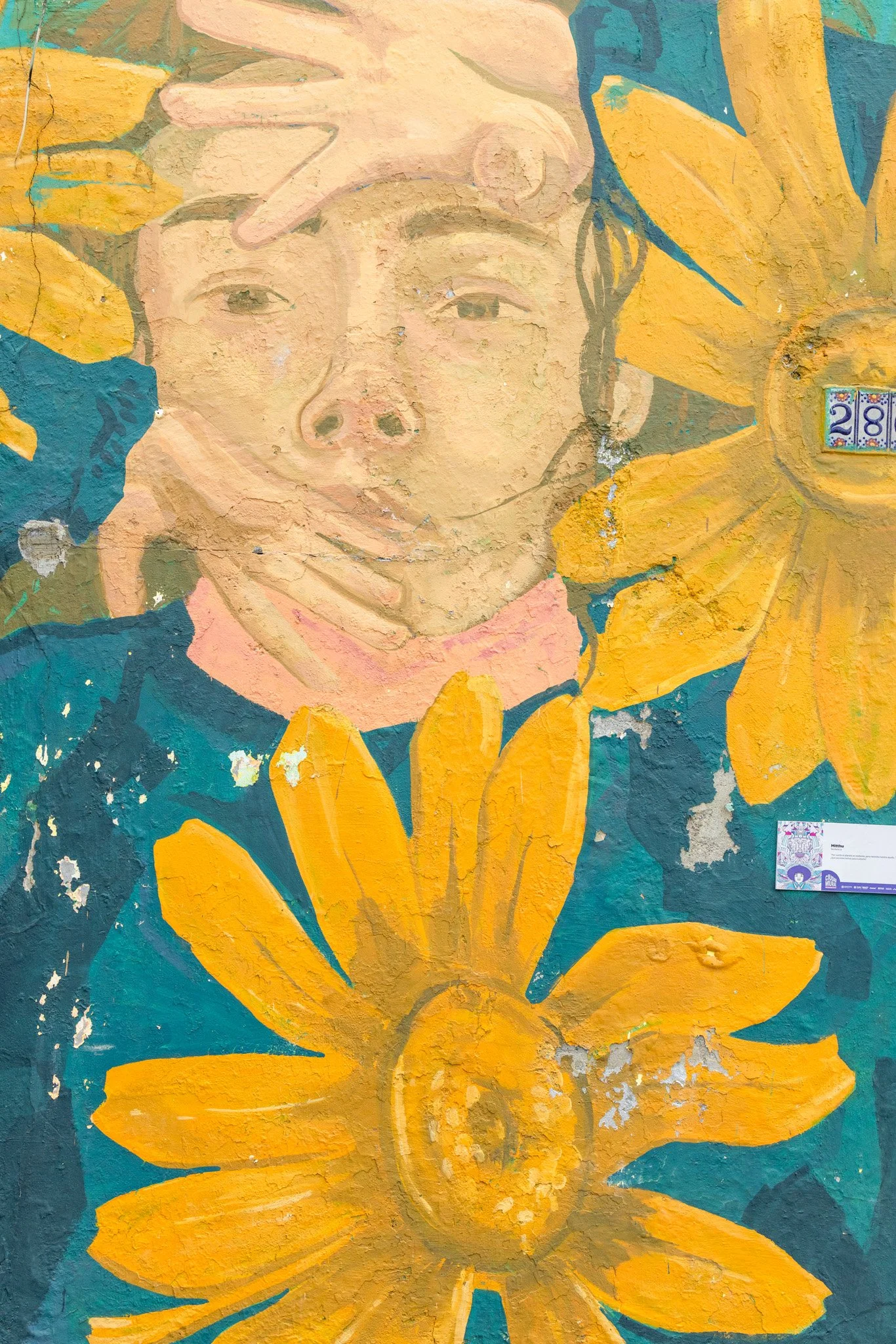
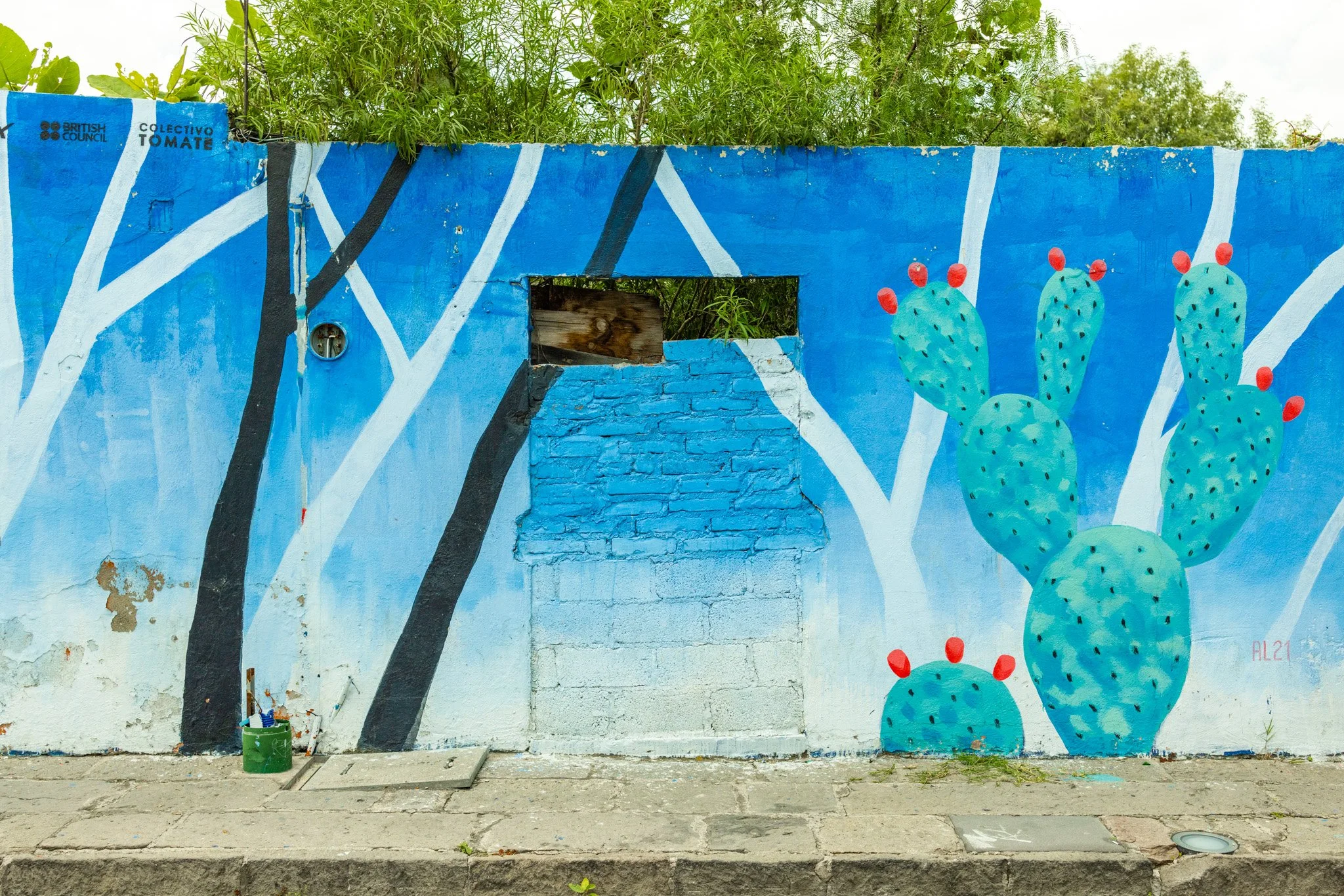
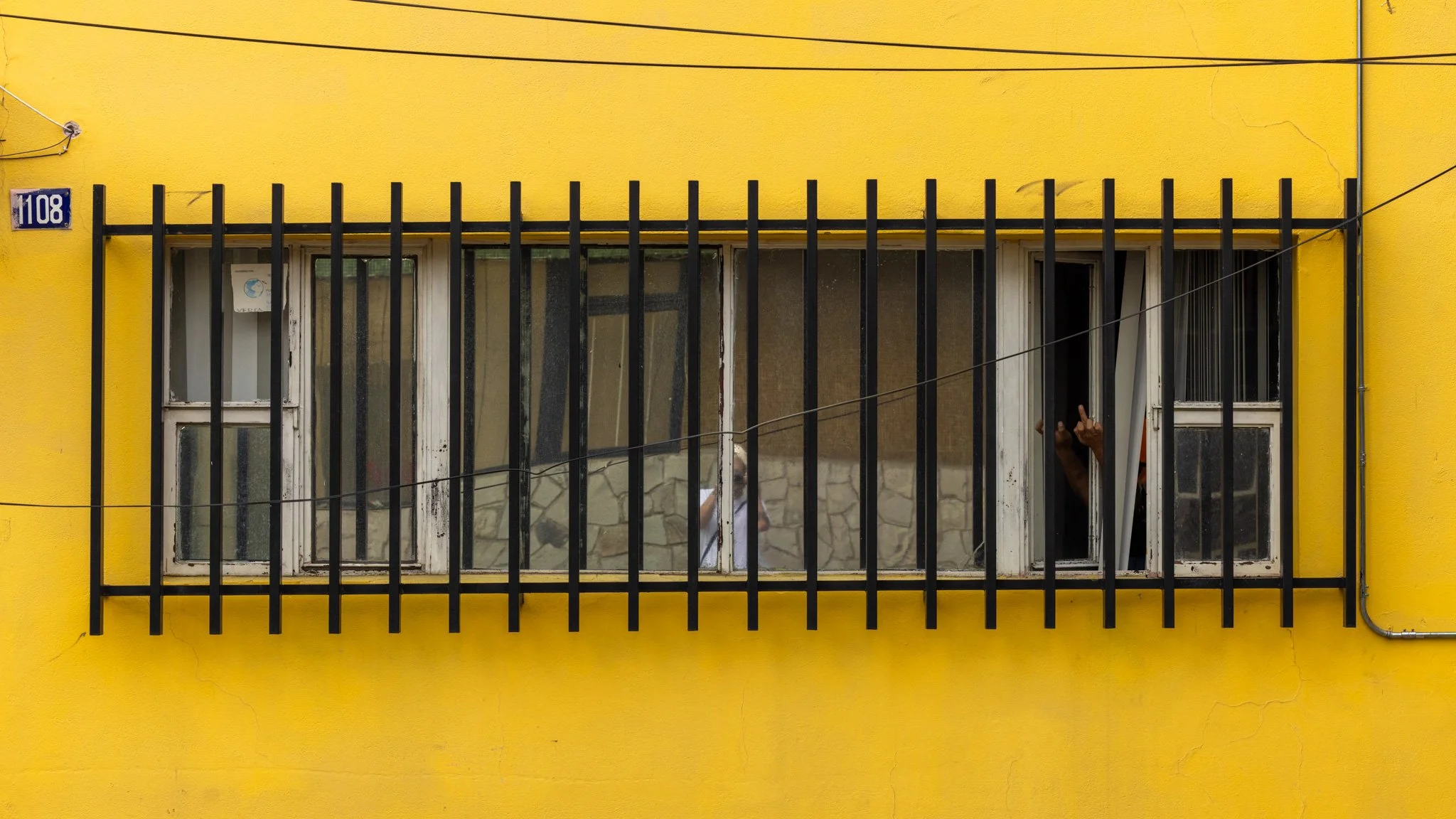
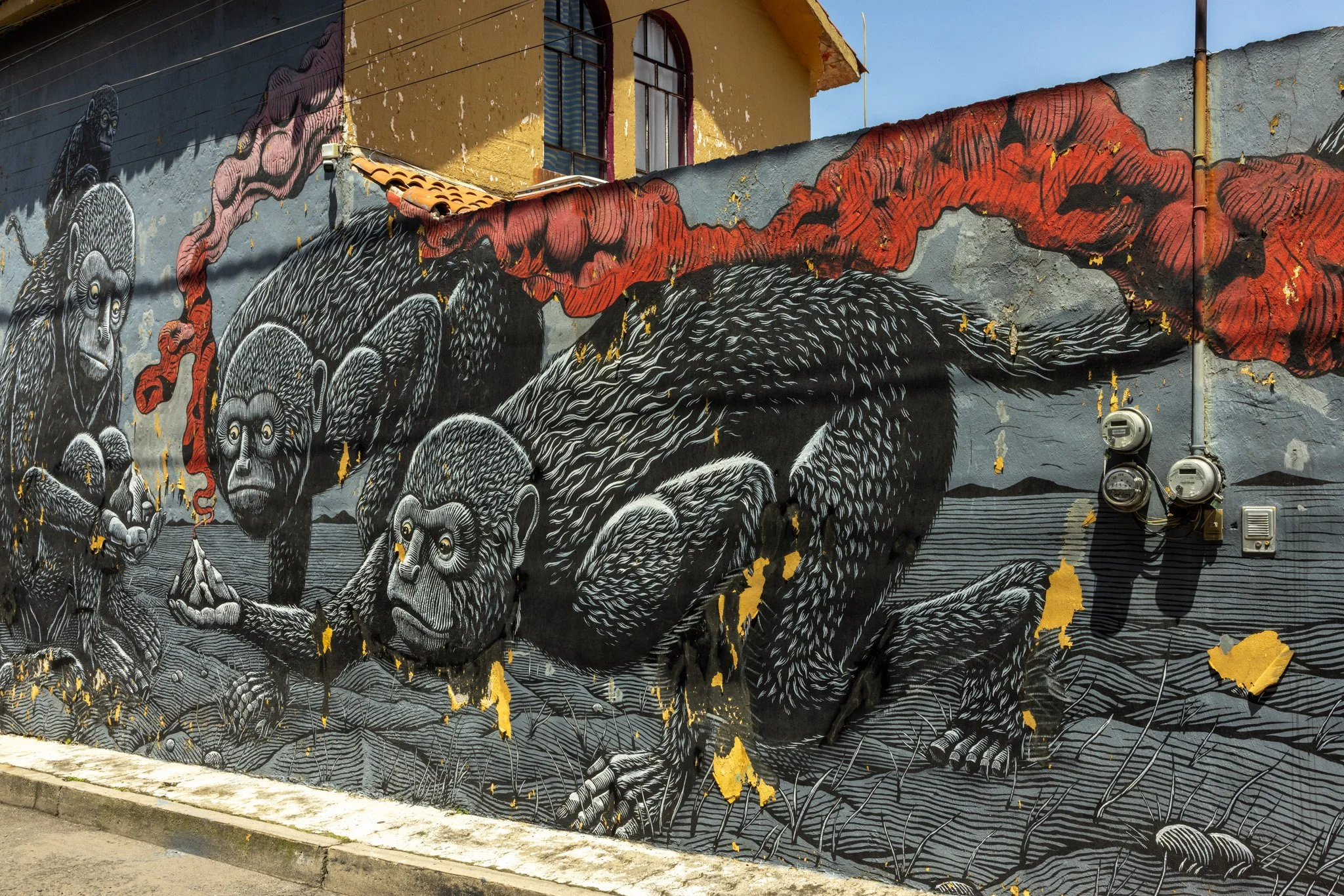
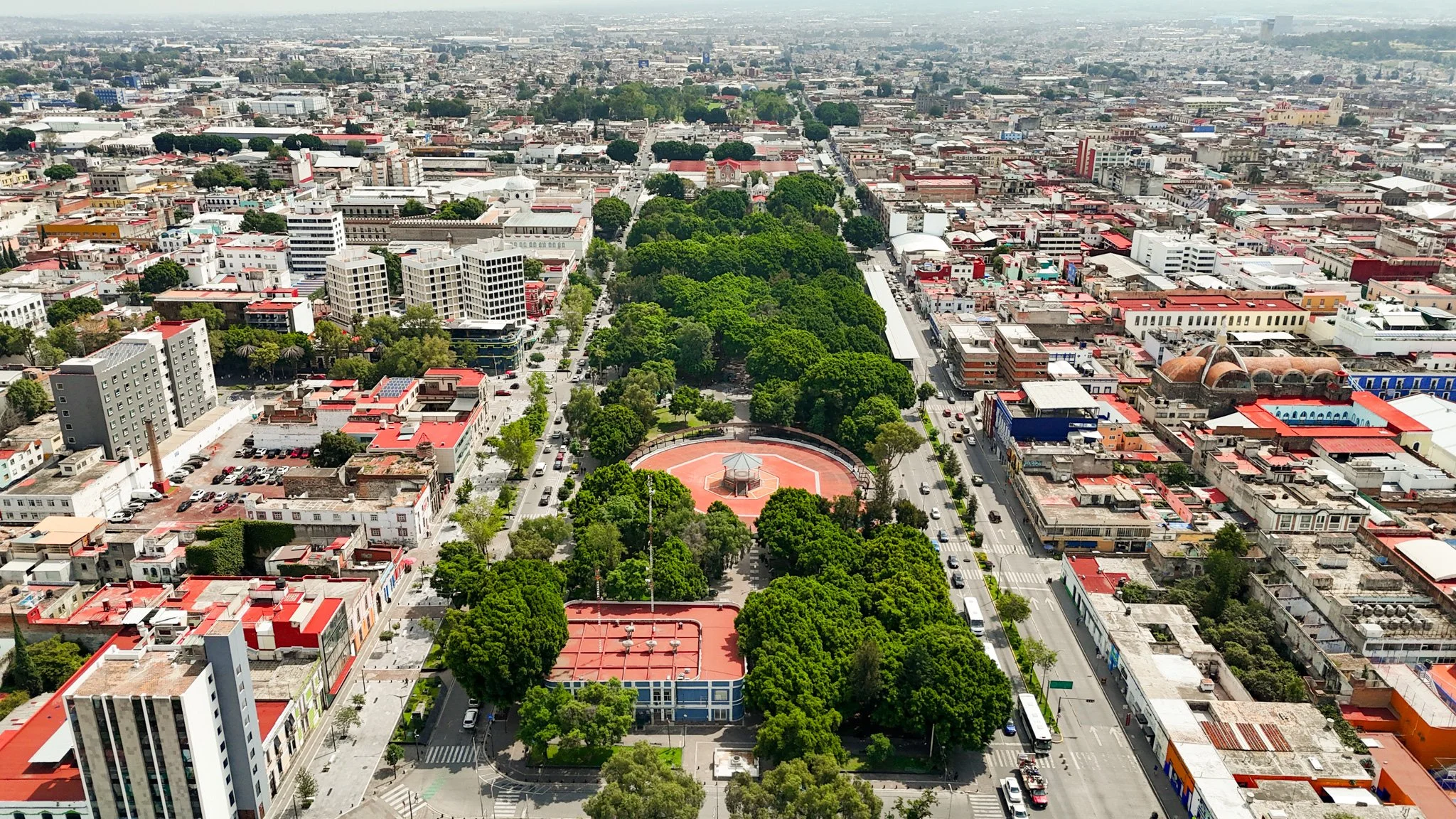
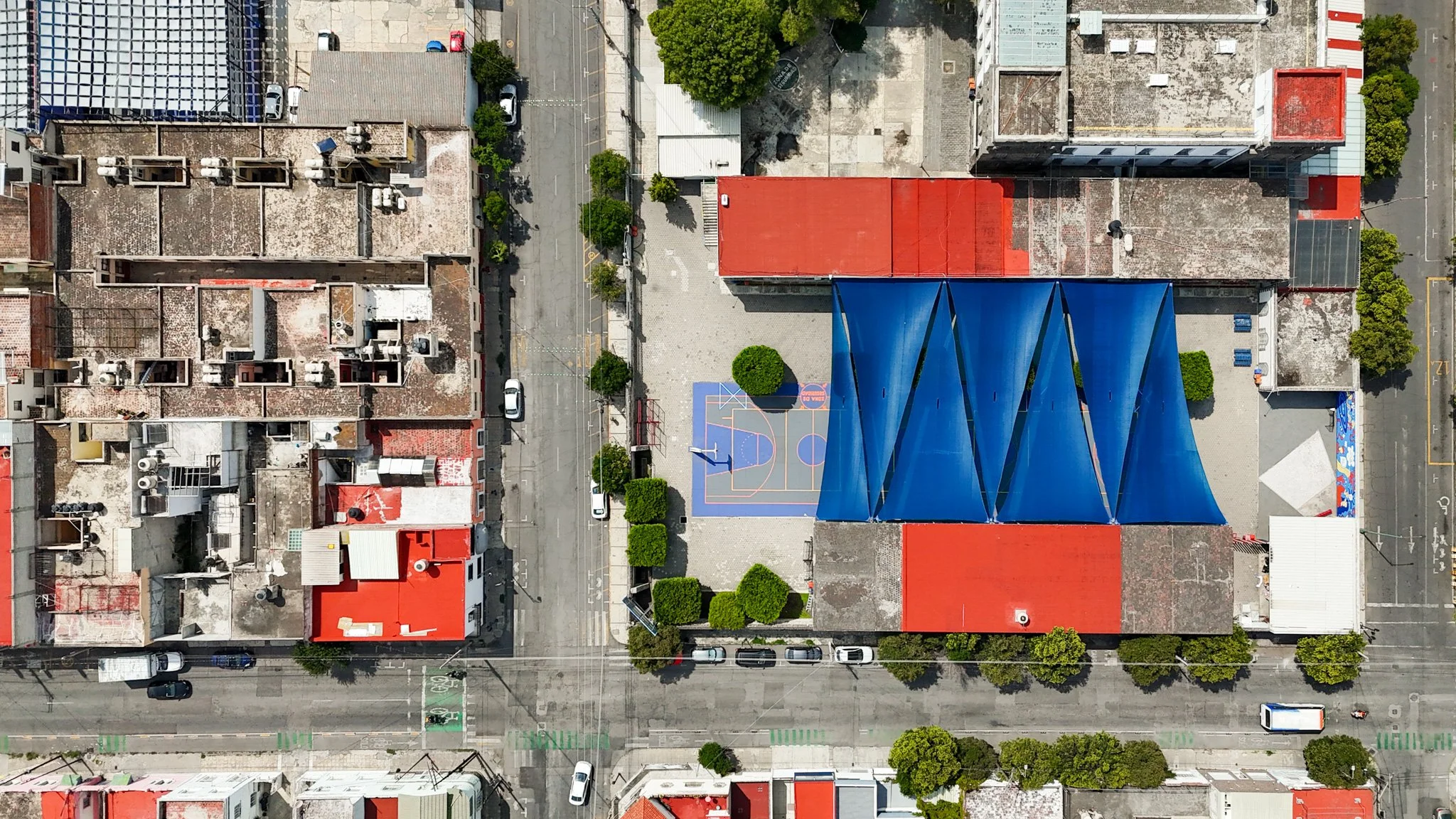
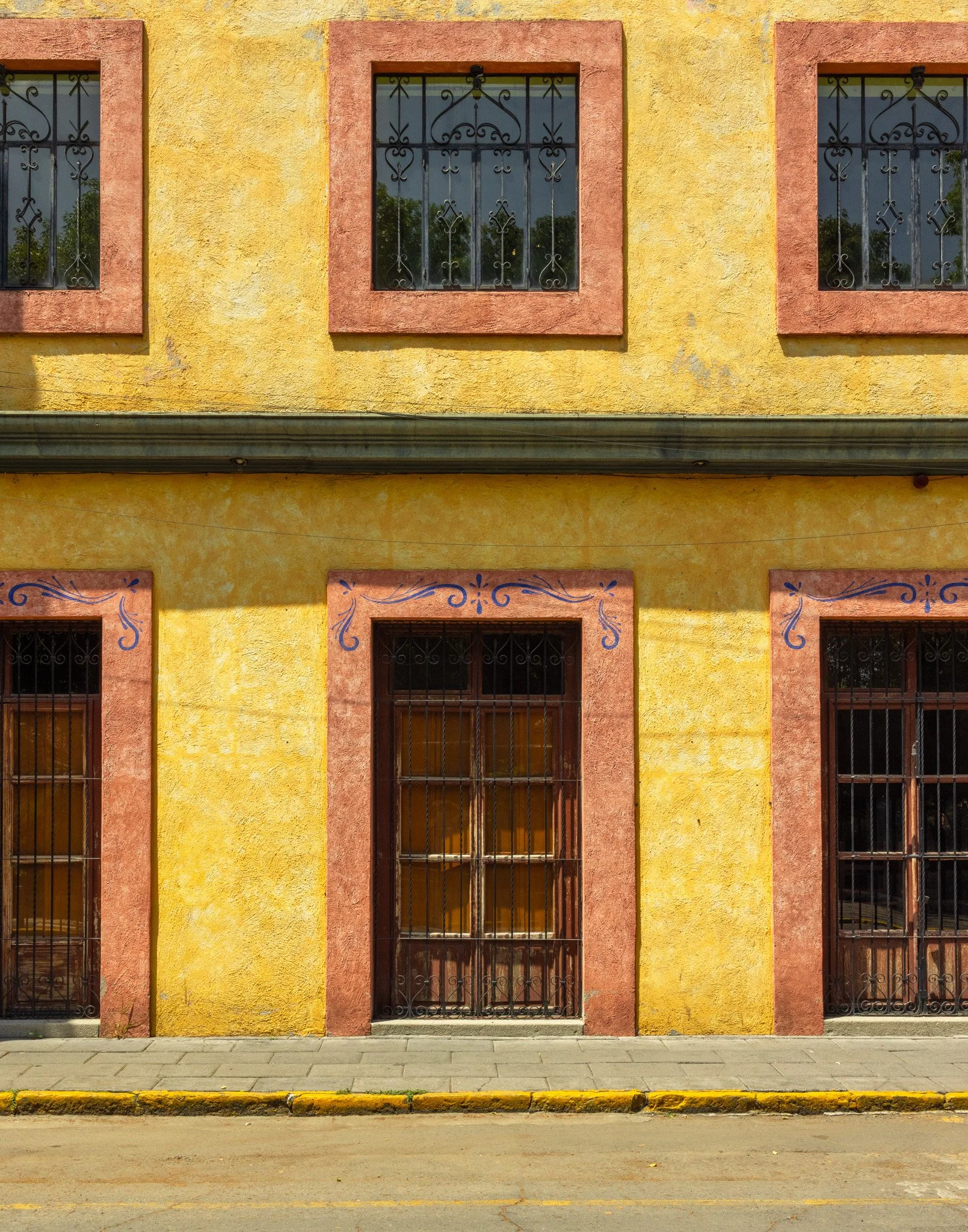
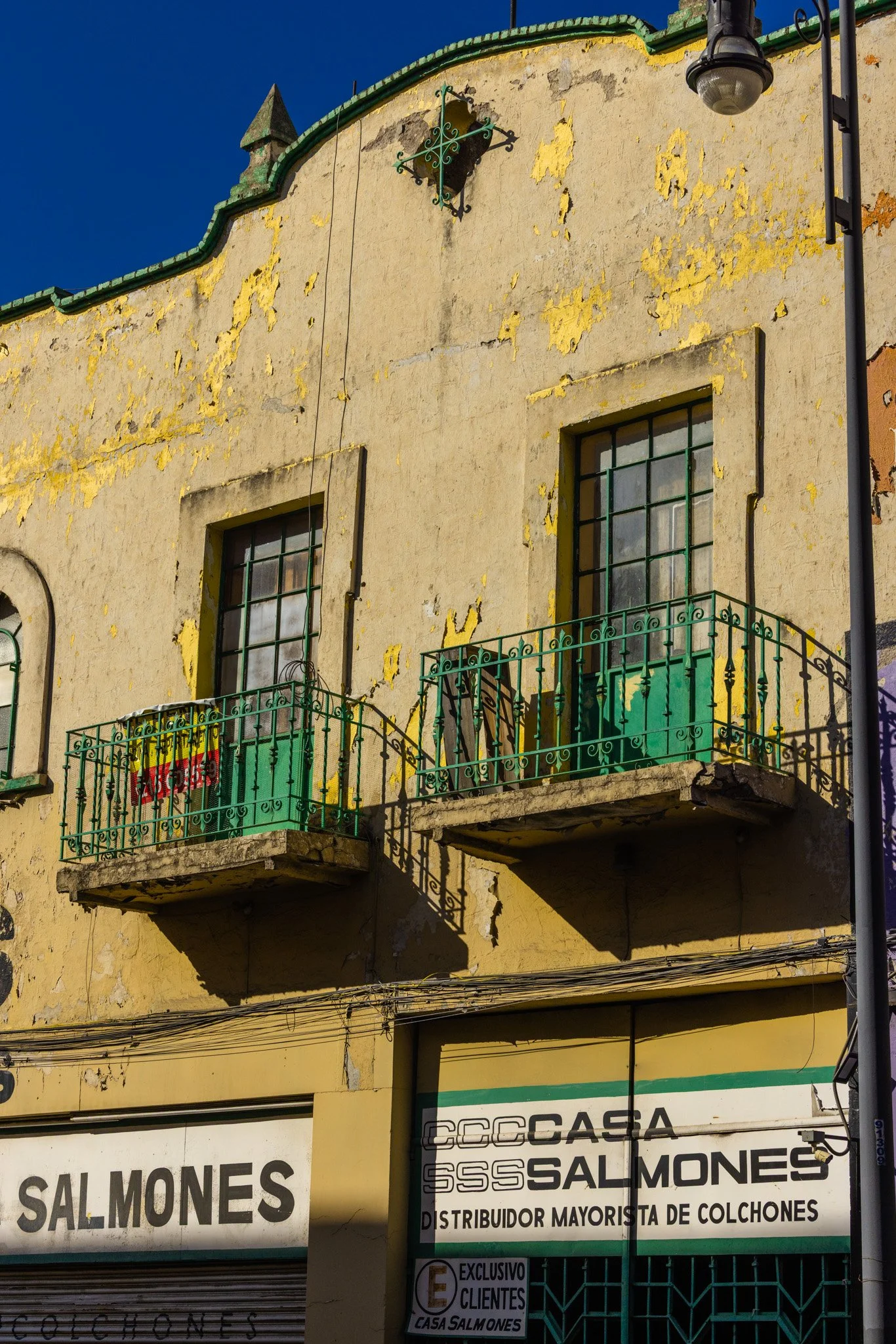
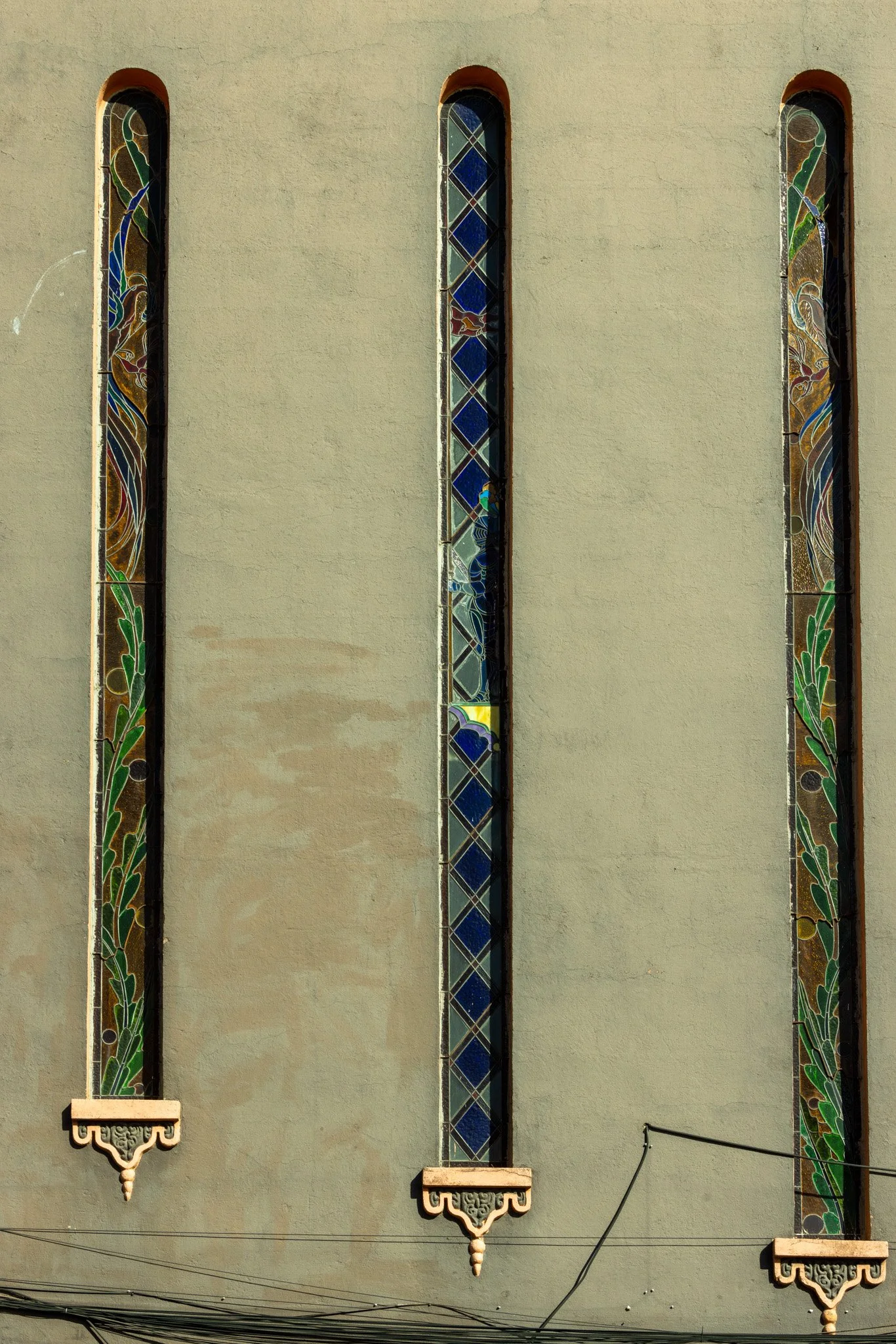
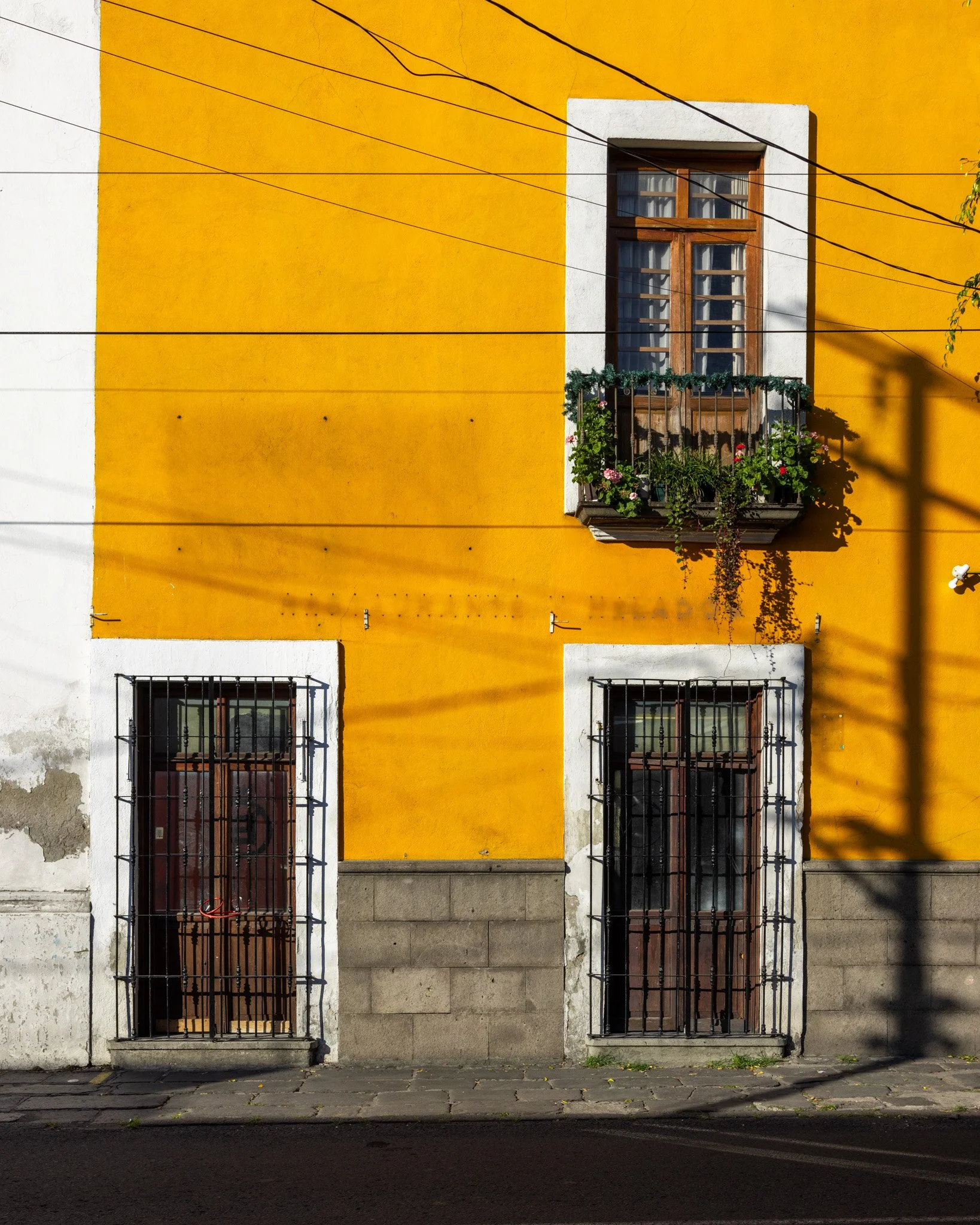
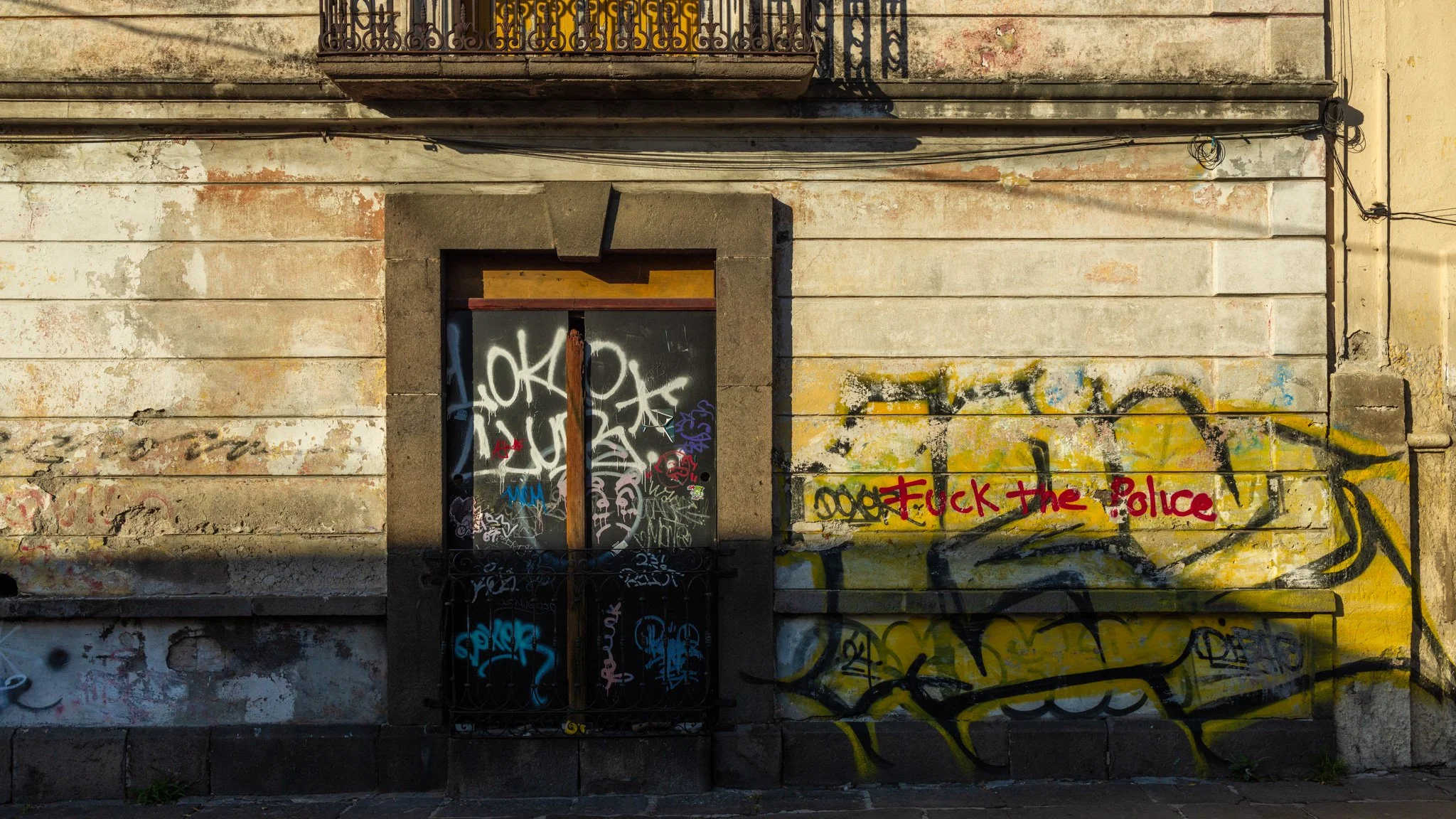
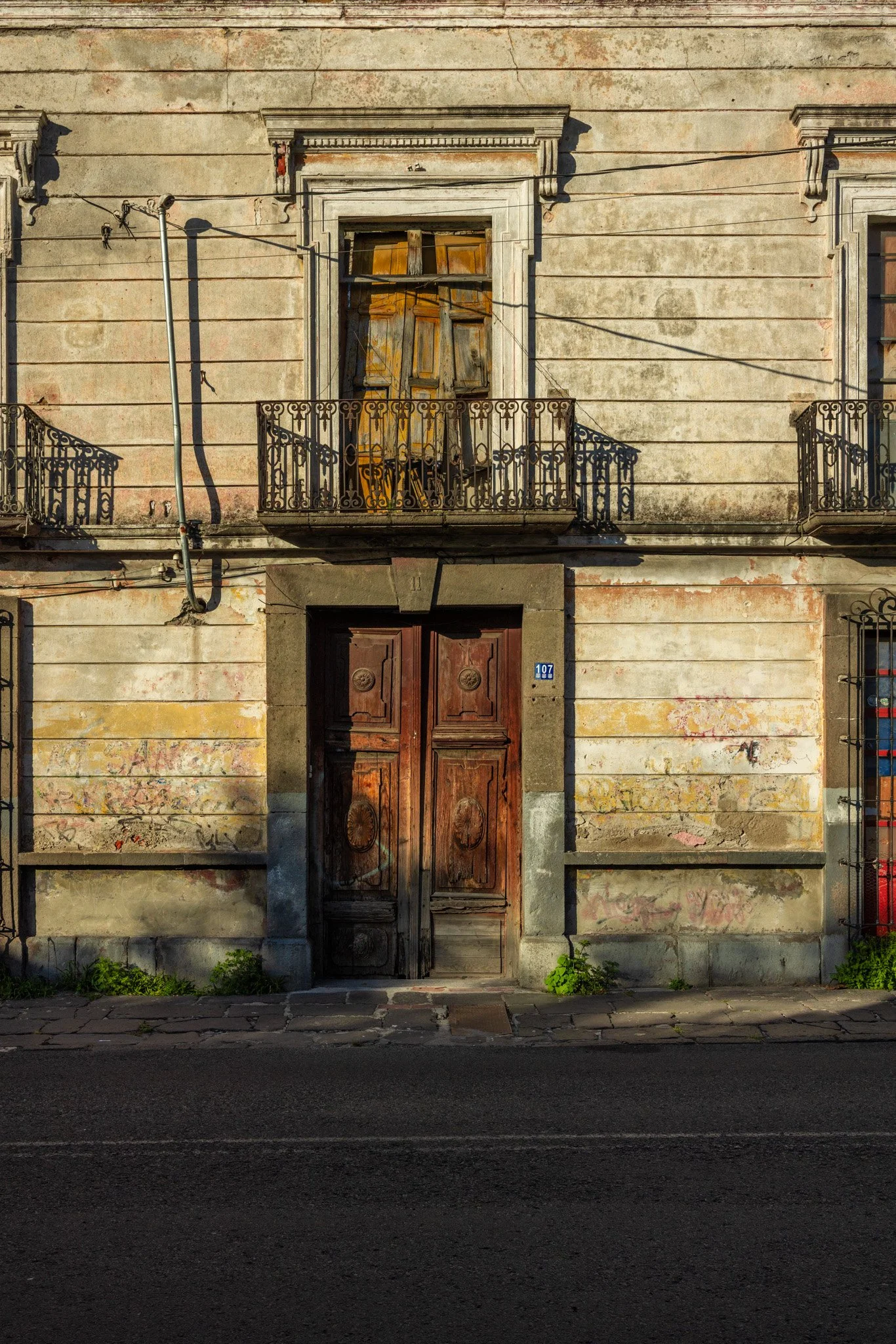
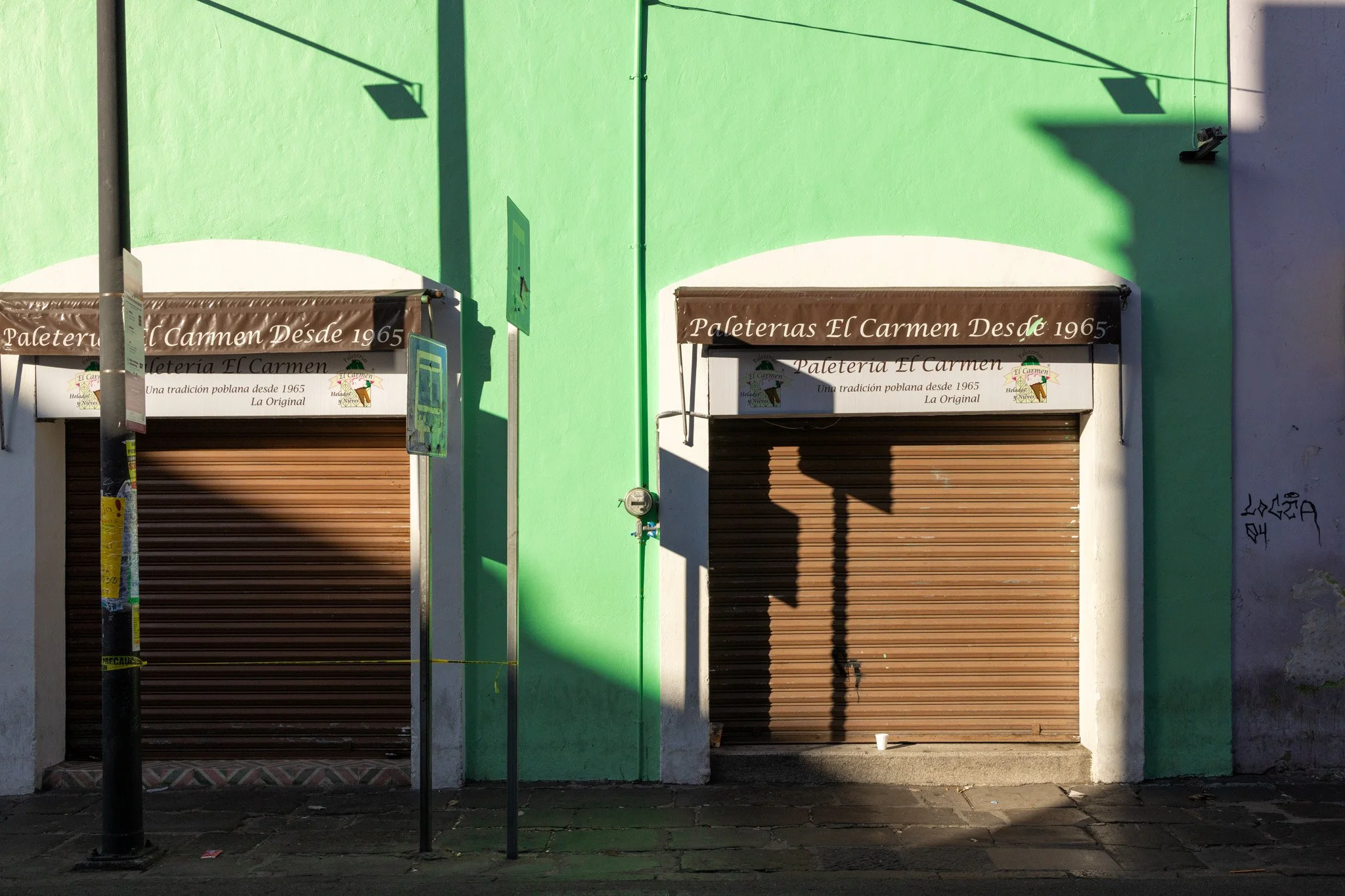
The Historic Center of the city of Puebla, Mexico was designated as a UNESCO World Heritage Site in 1987. UNESCO’s initiative to paint the buildings in its historic center in vibrant colors began in earnest around the mid-2000s. This project was part of a broader beautification effort led by both the city and the state government. The goal was to revive the colonial-era aesthetic and emphasize the traditional architectural styles that were central to Puebla’s World Heritage designation. Efforts included not only painting but also restoring façades, updating signage, and cobble-stoning street infrastructure to enhance the colonial historic atmosphere primarily for tourism and economic interests.
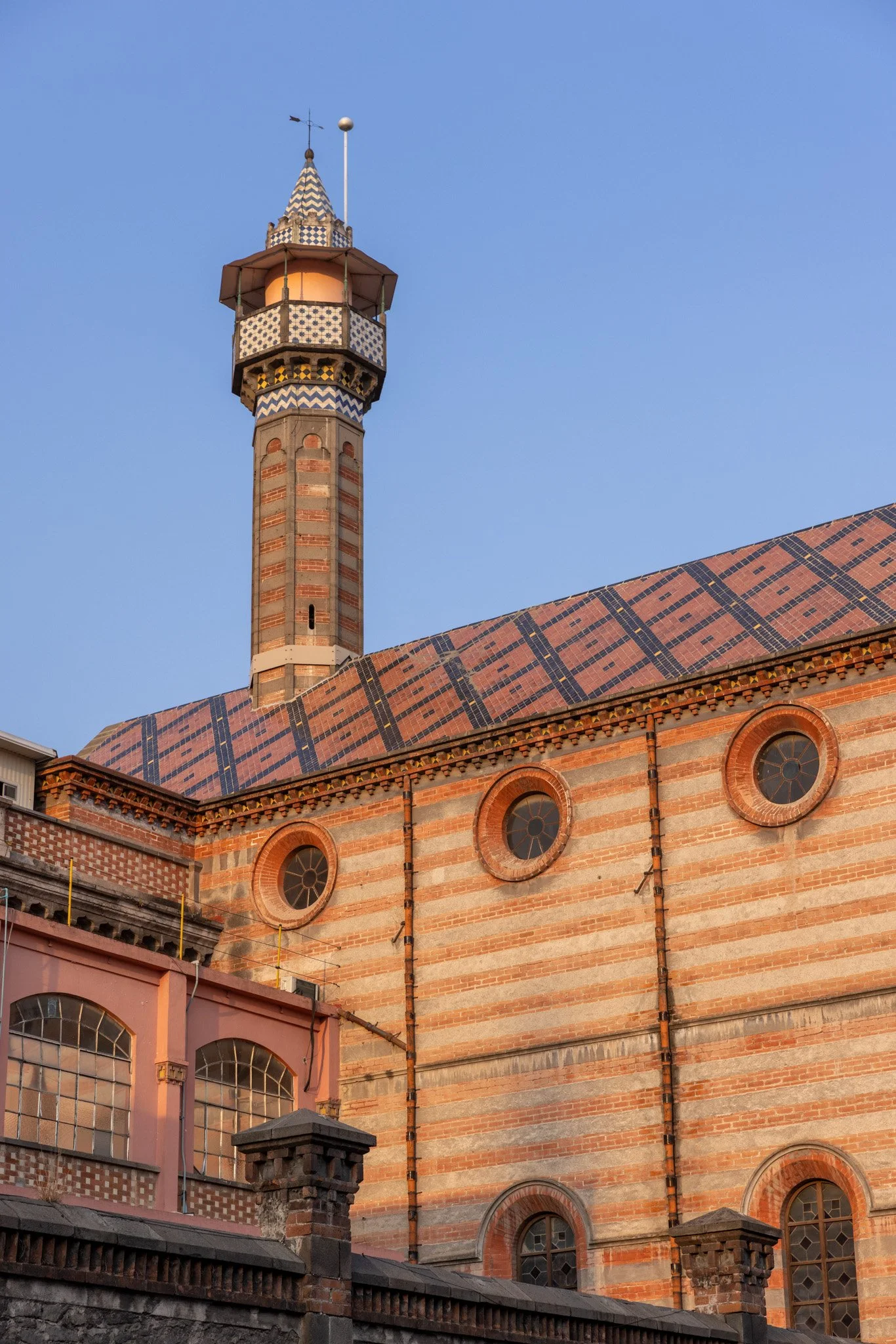
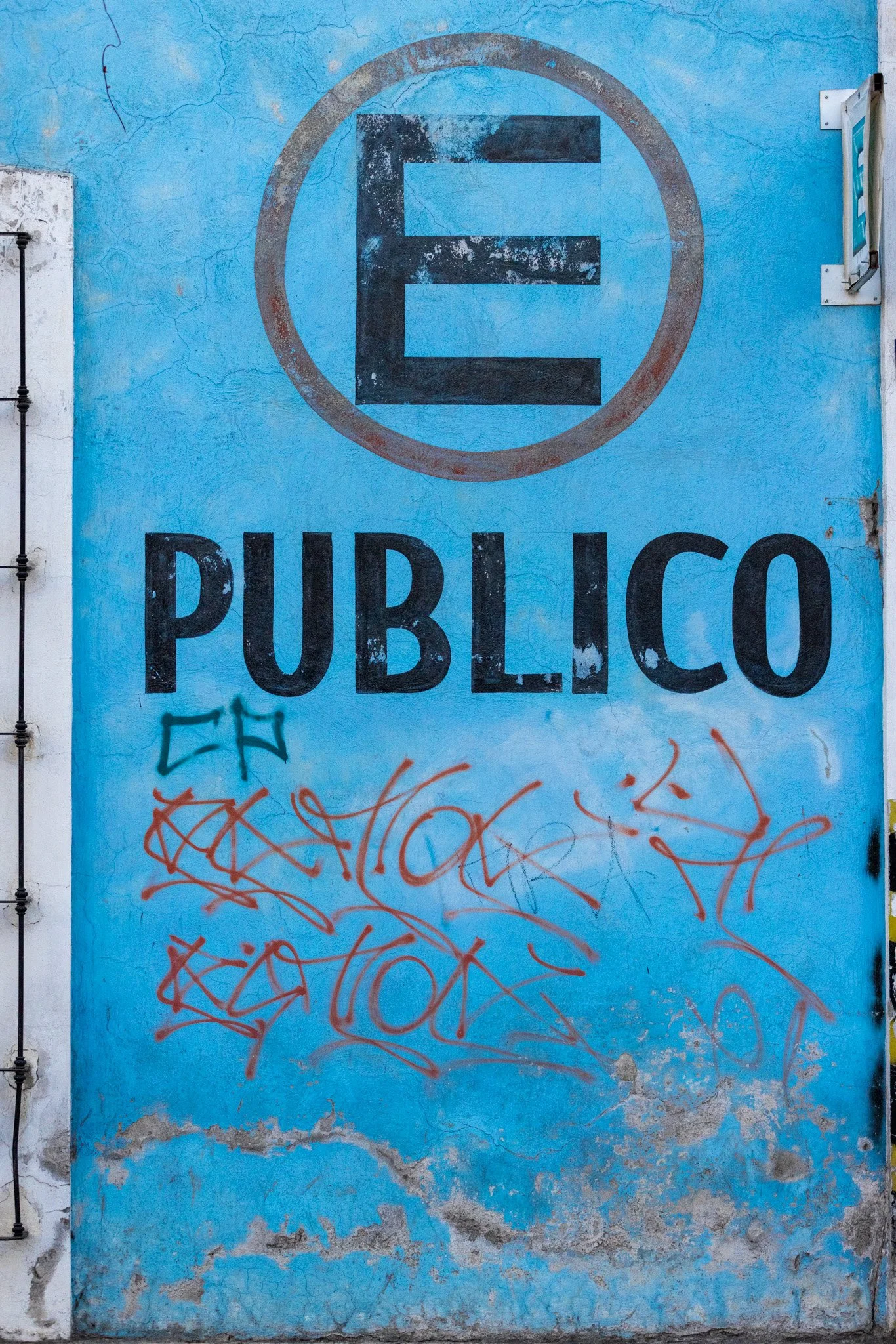
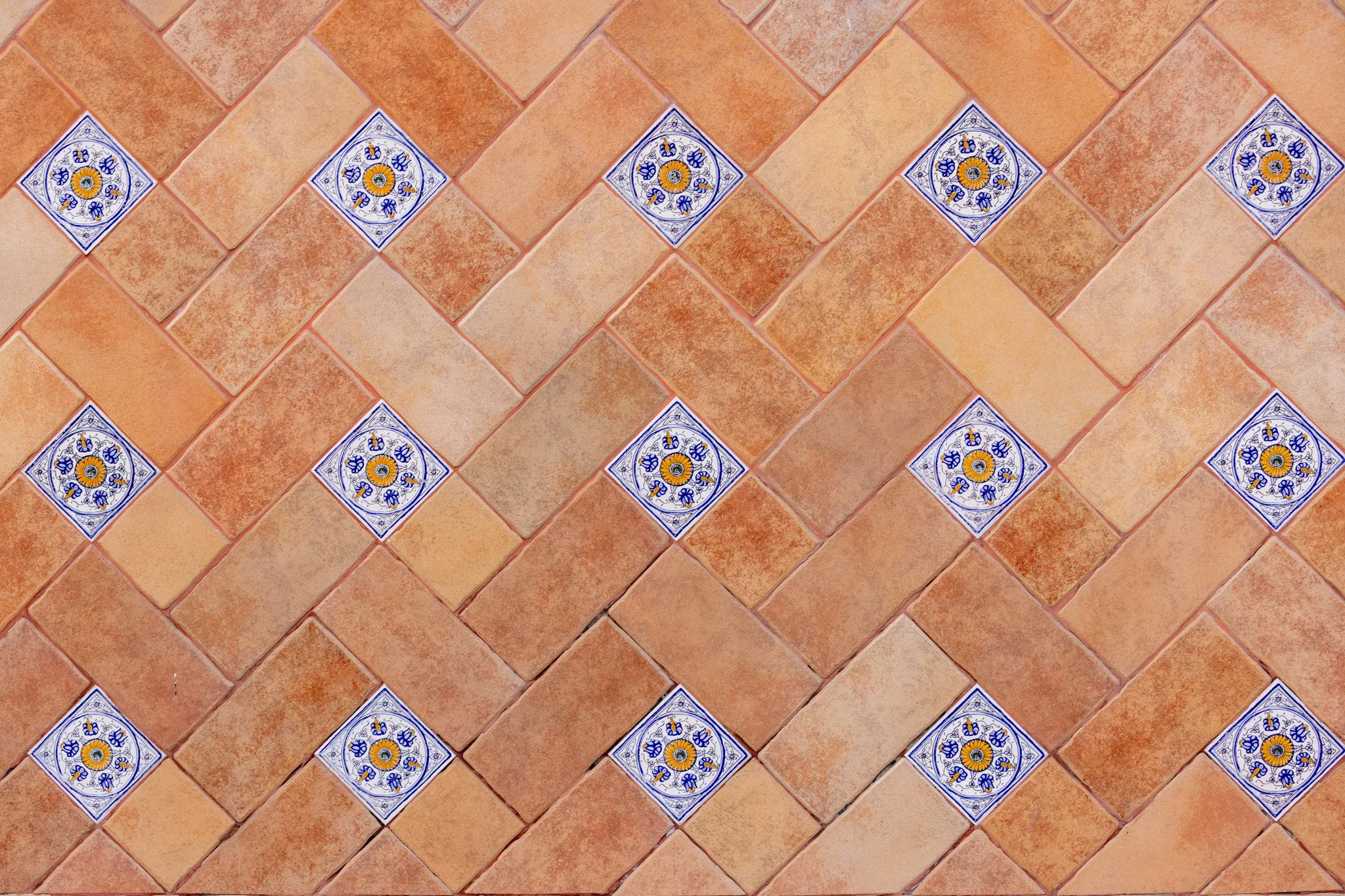
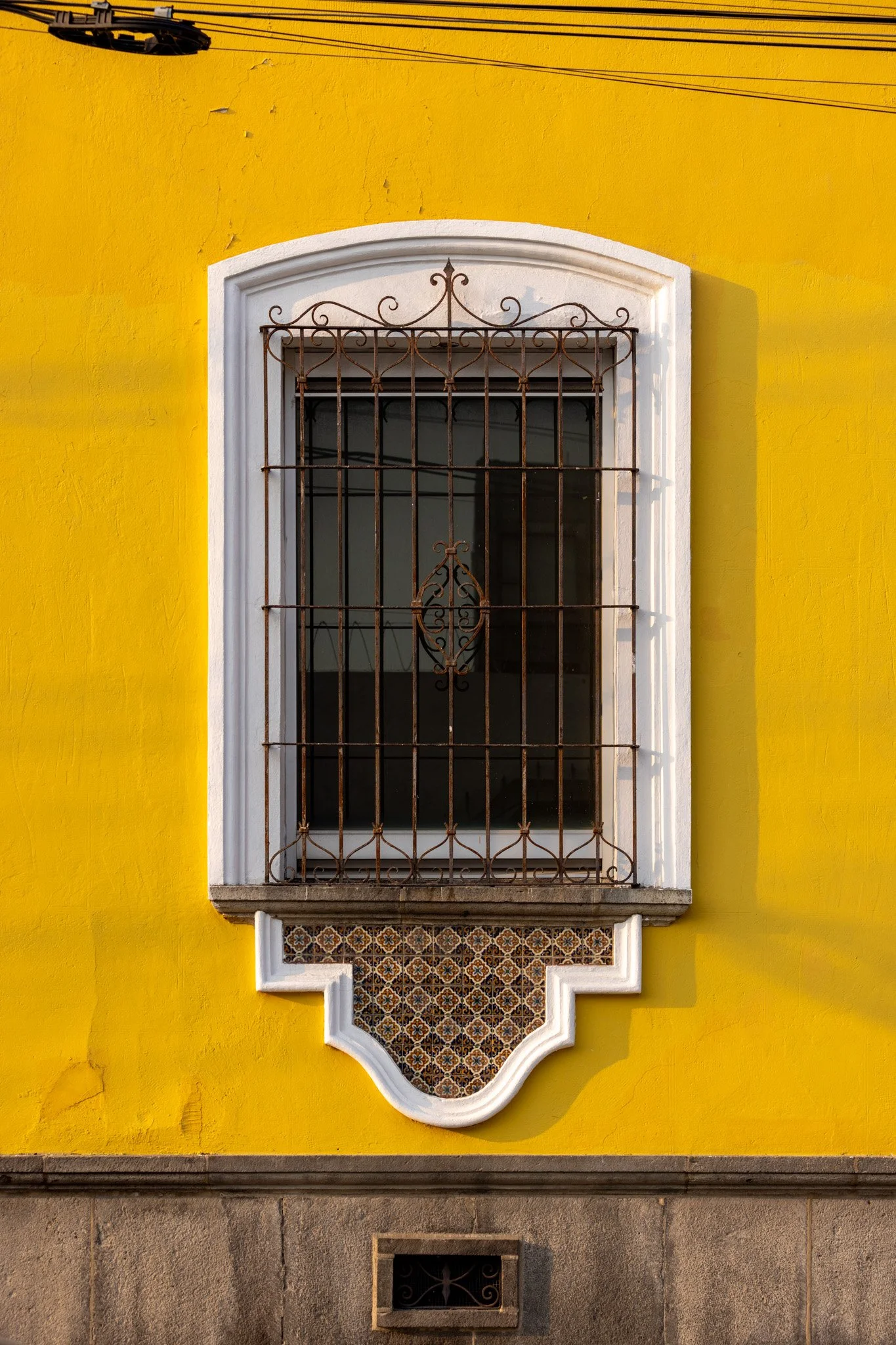
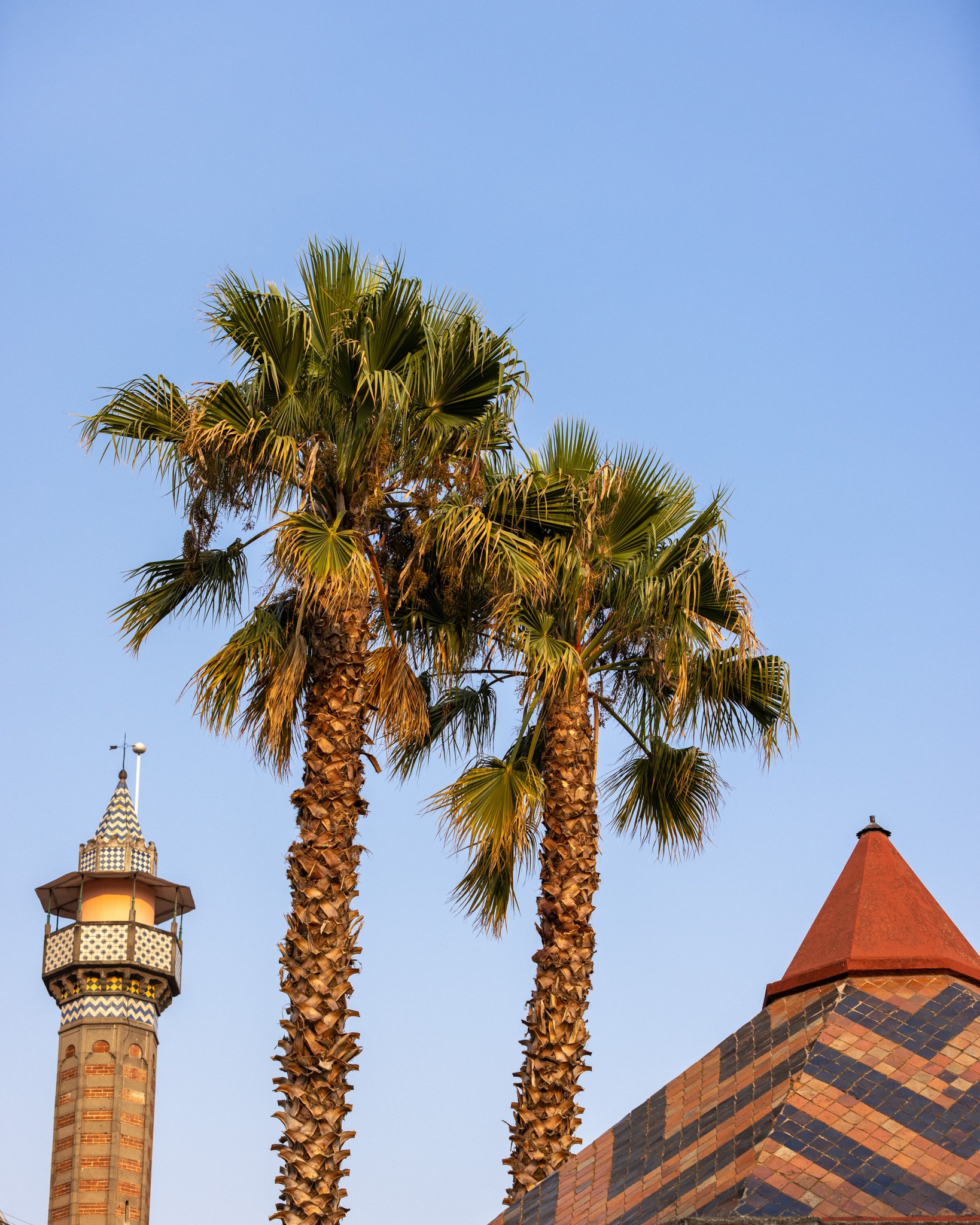
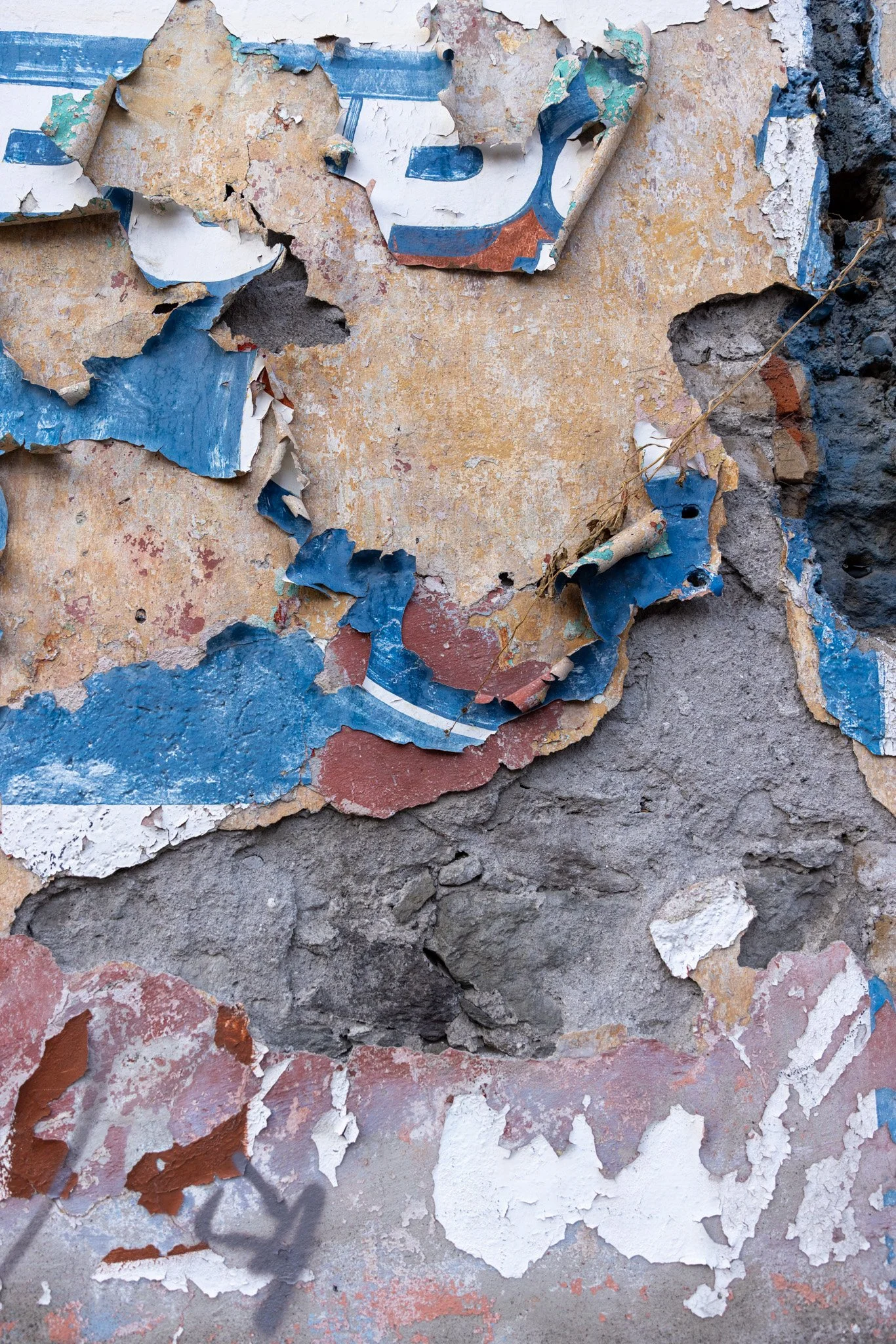
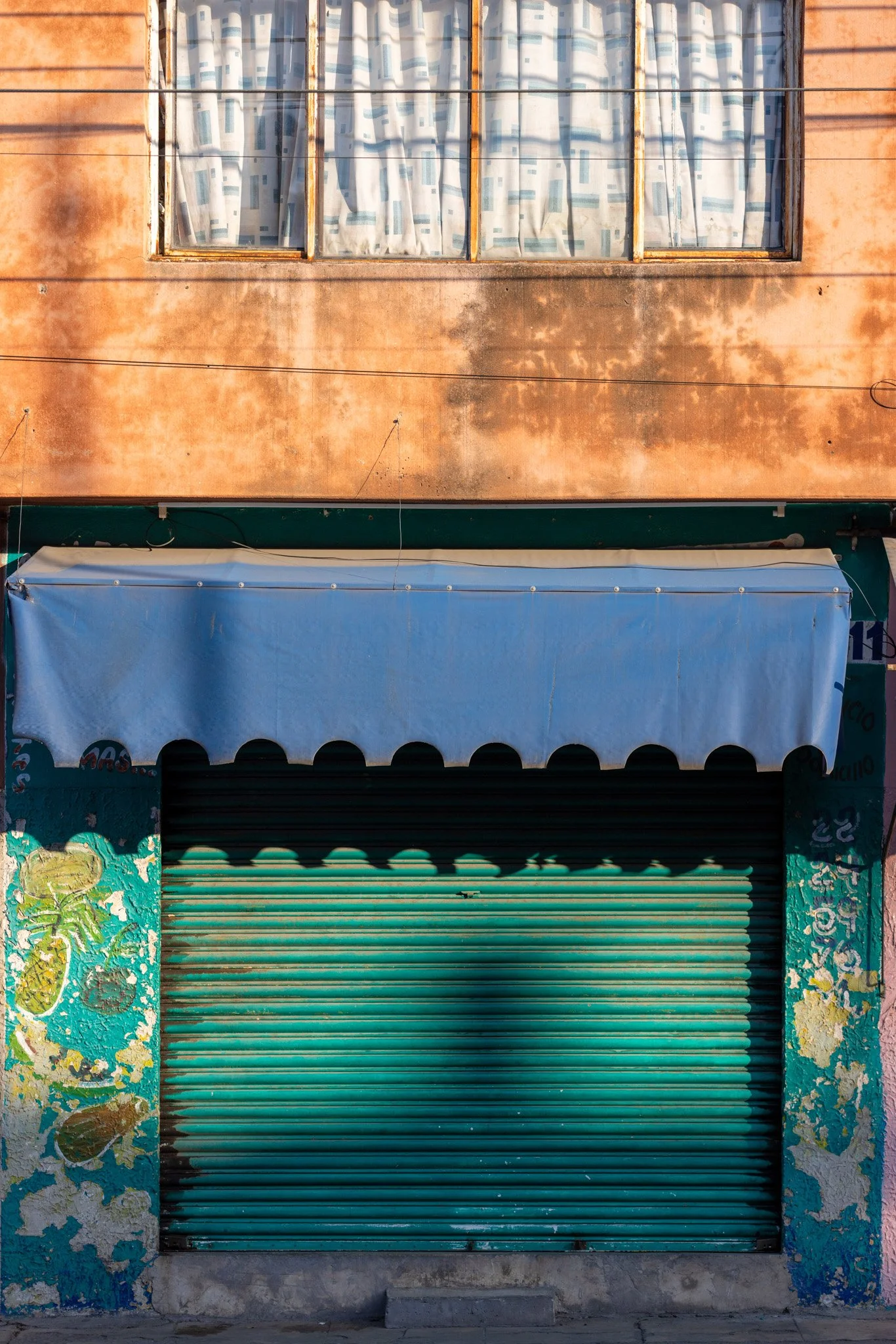
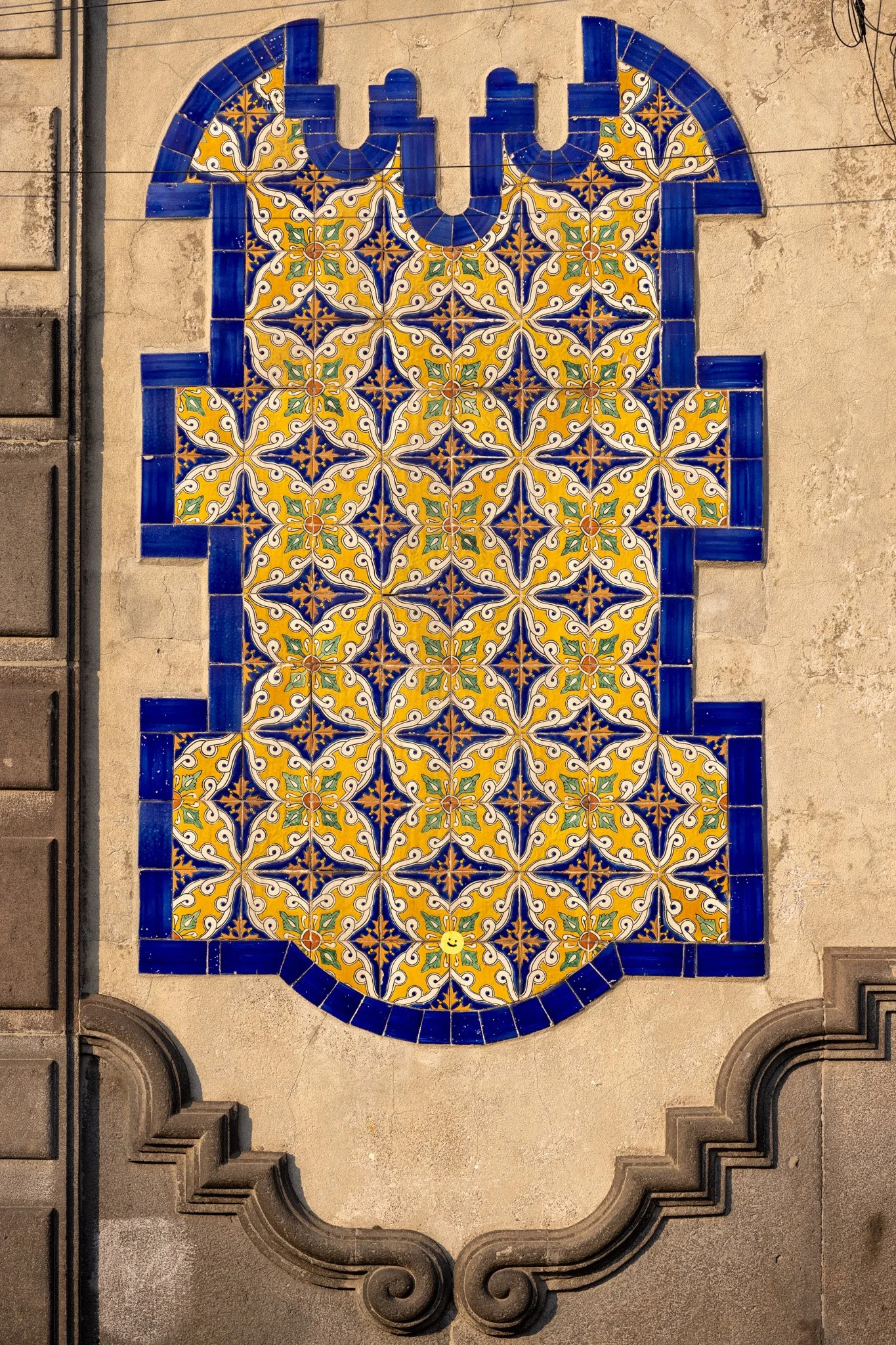
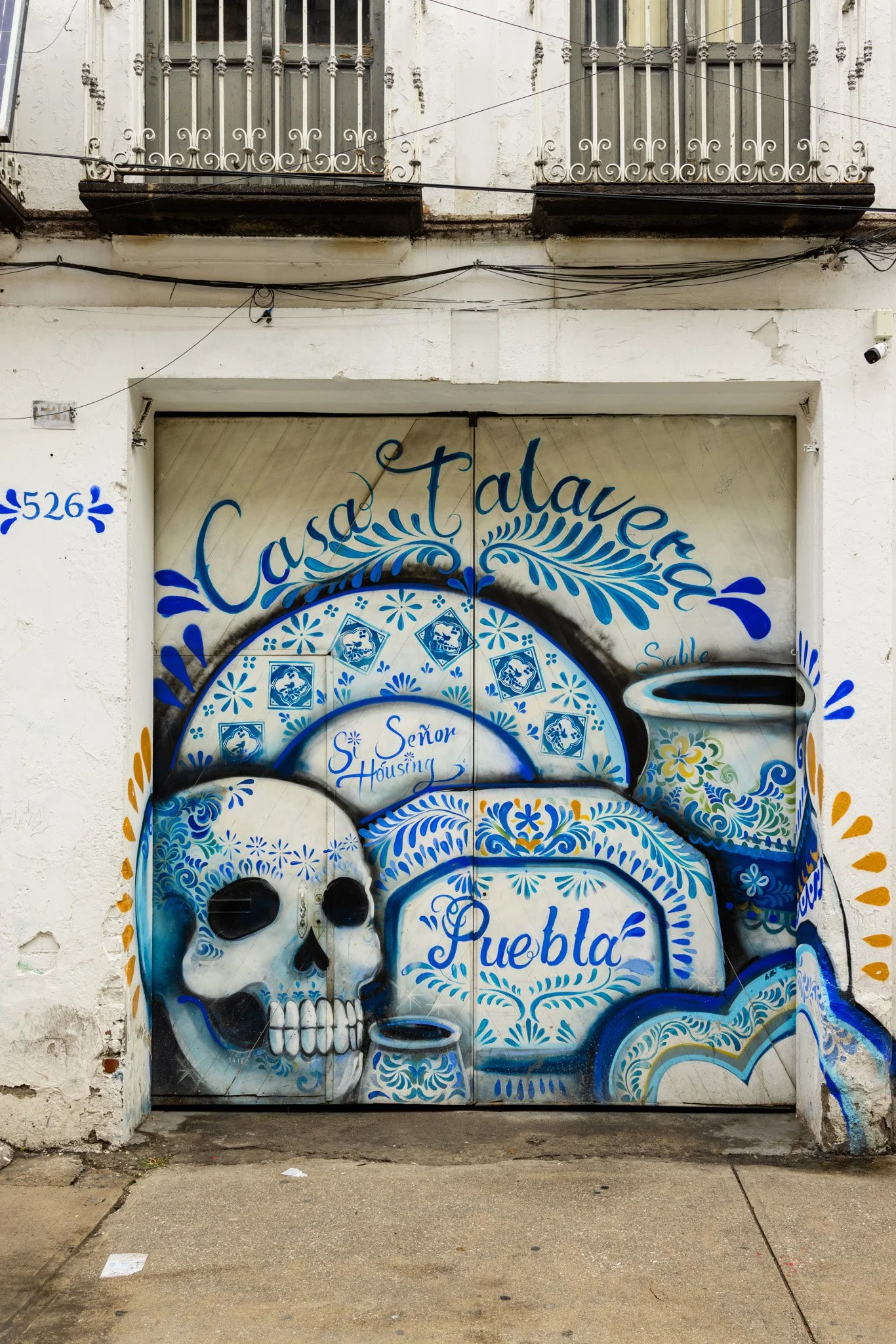
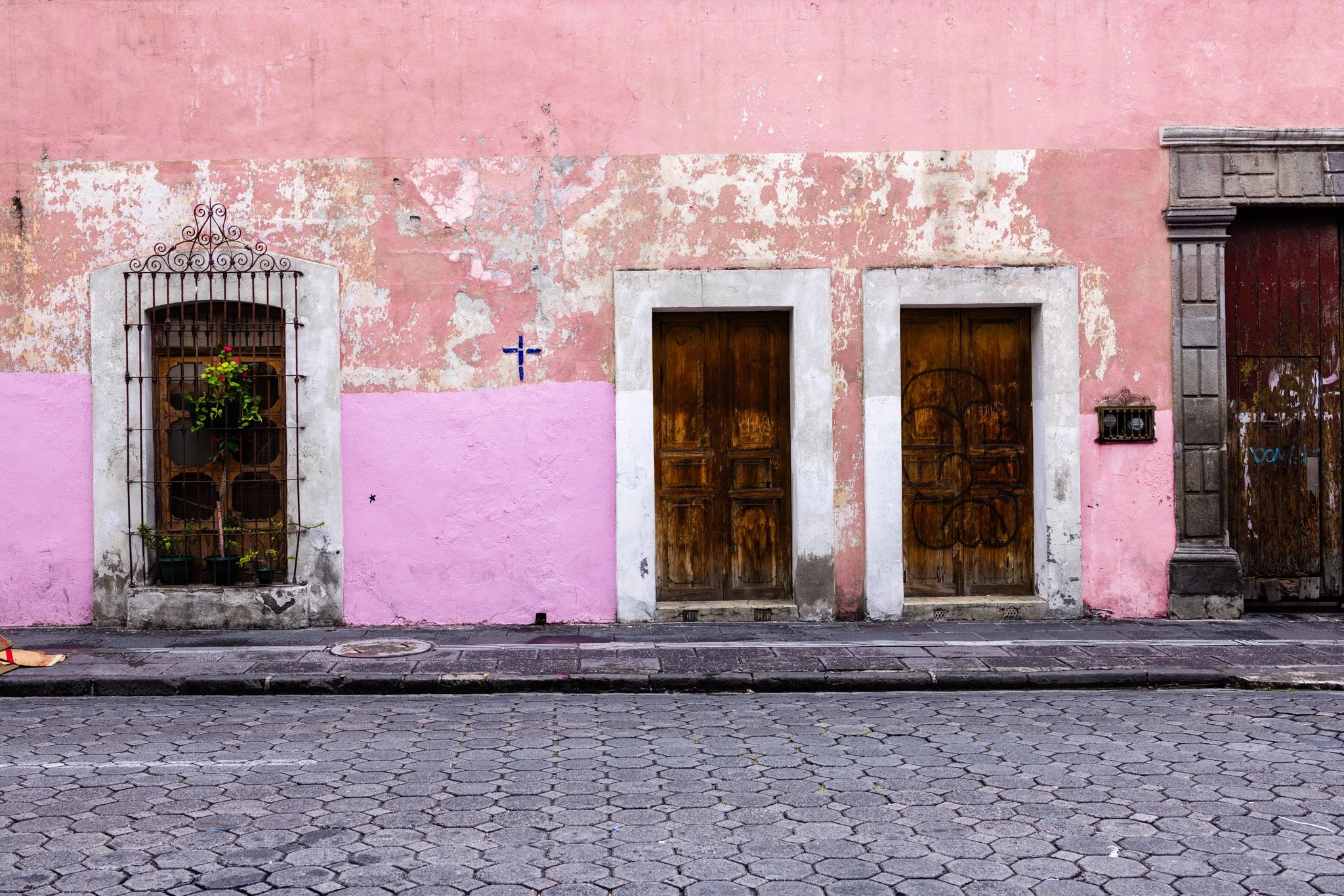
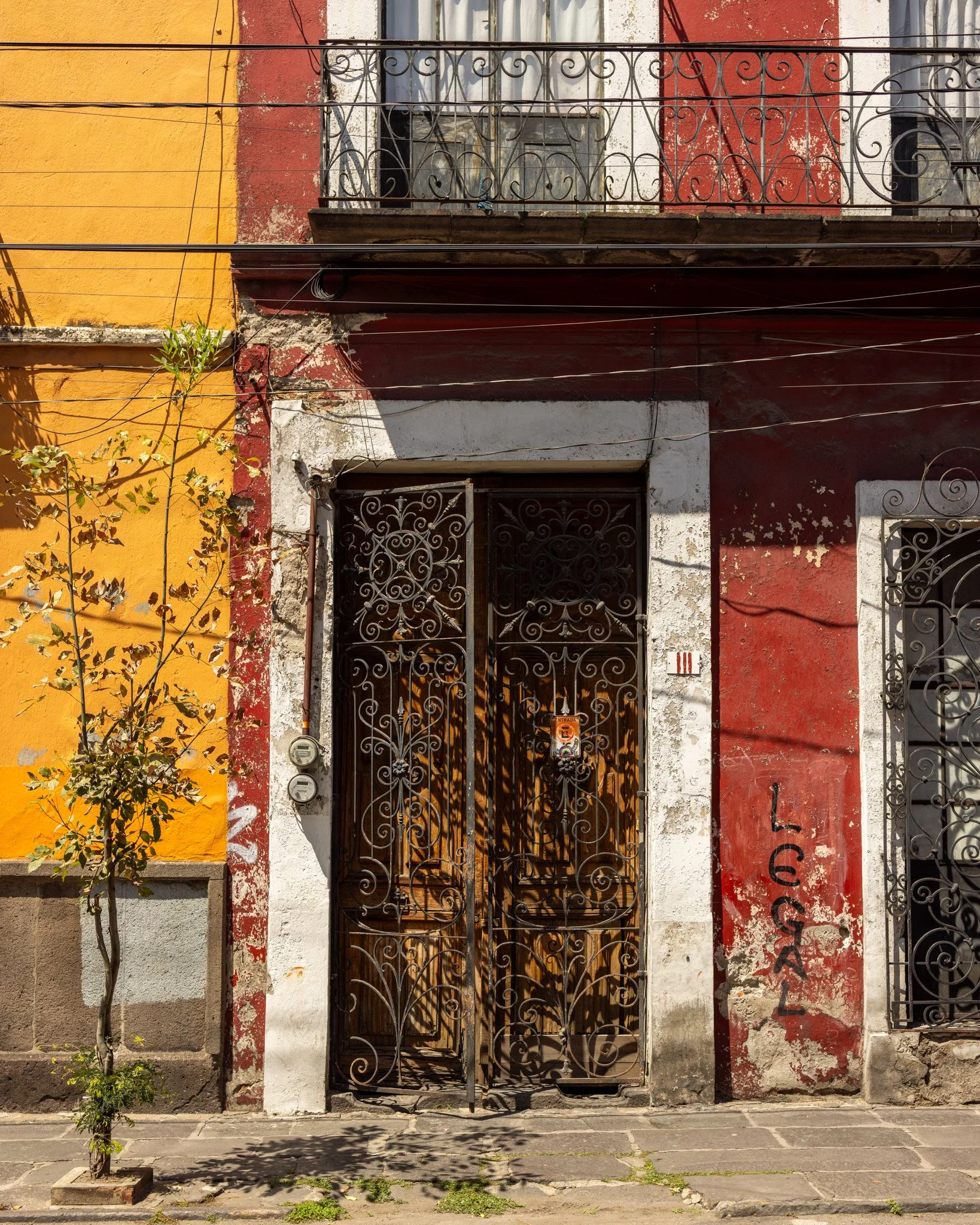
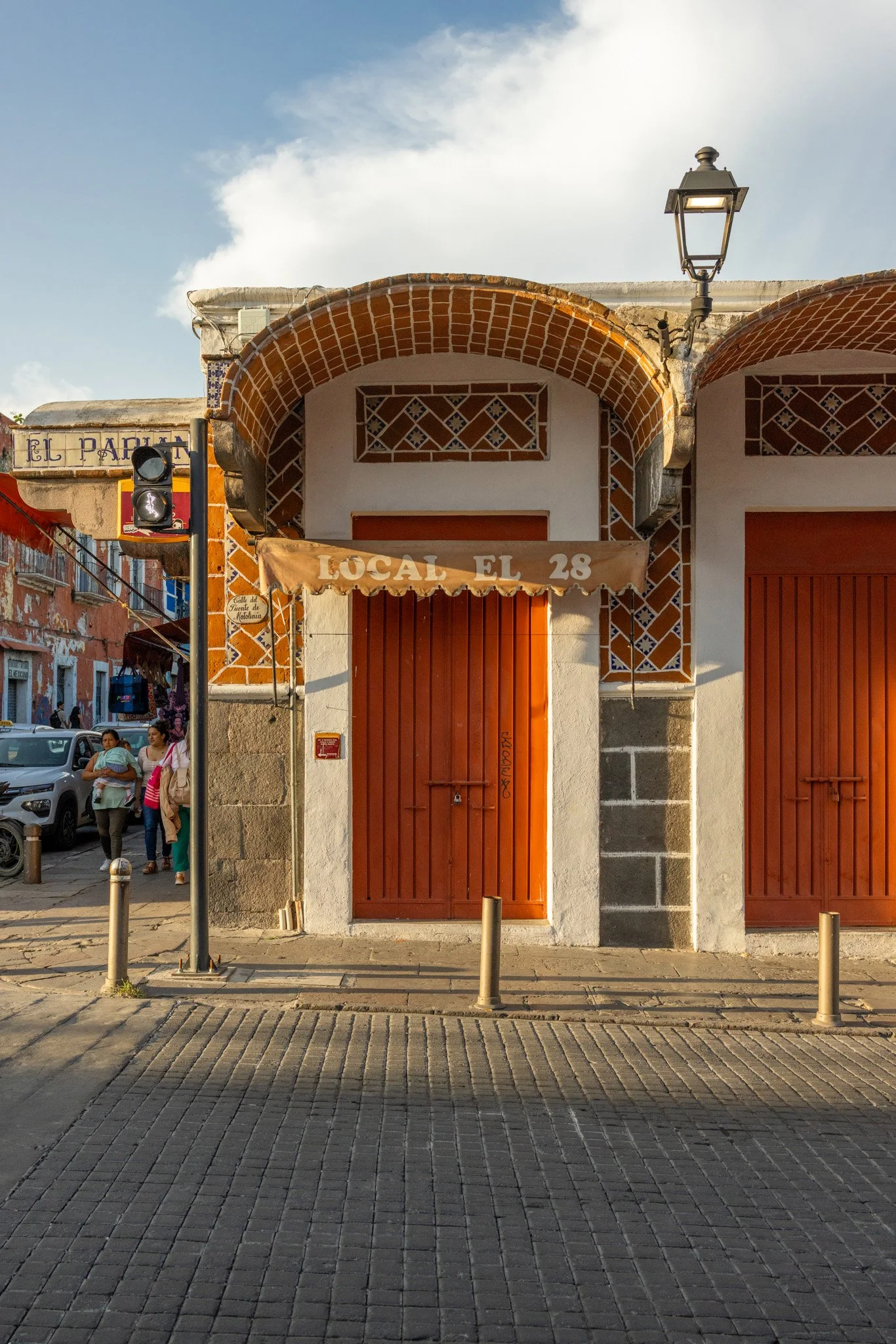
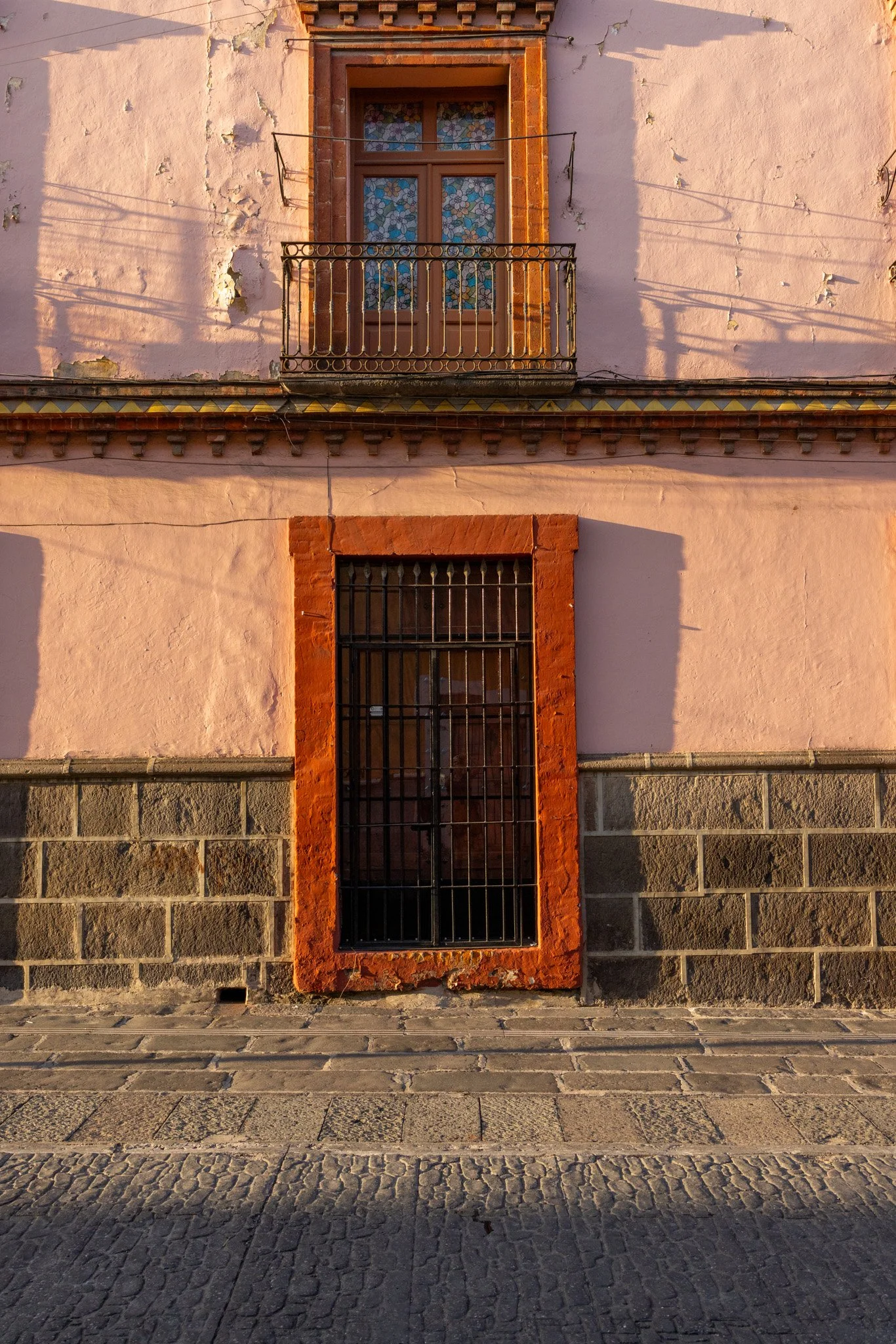
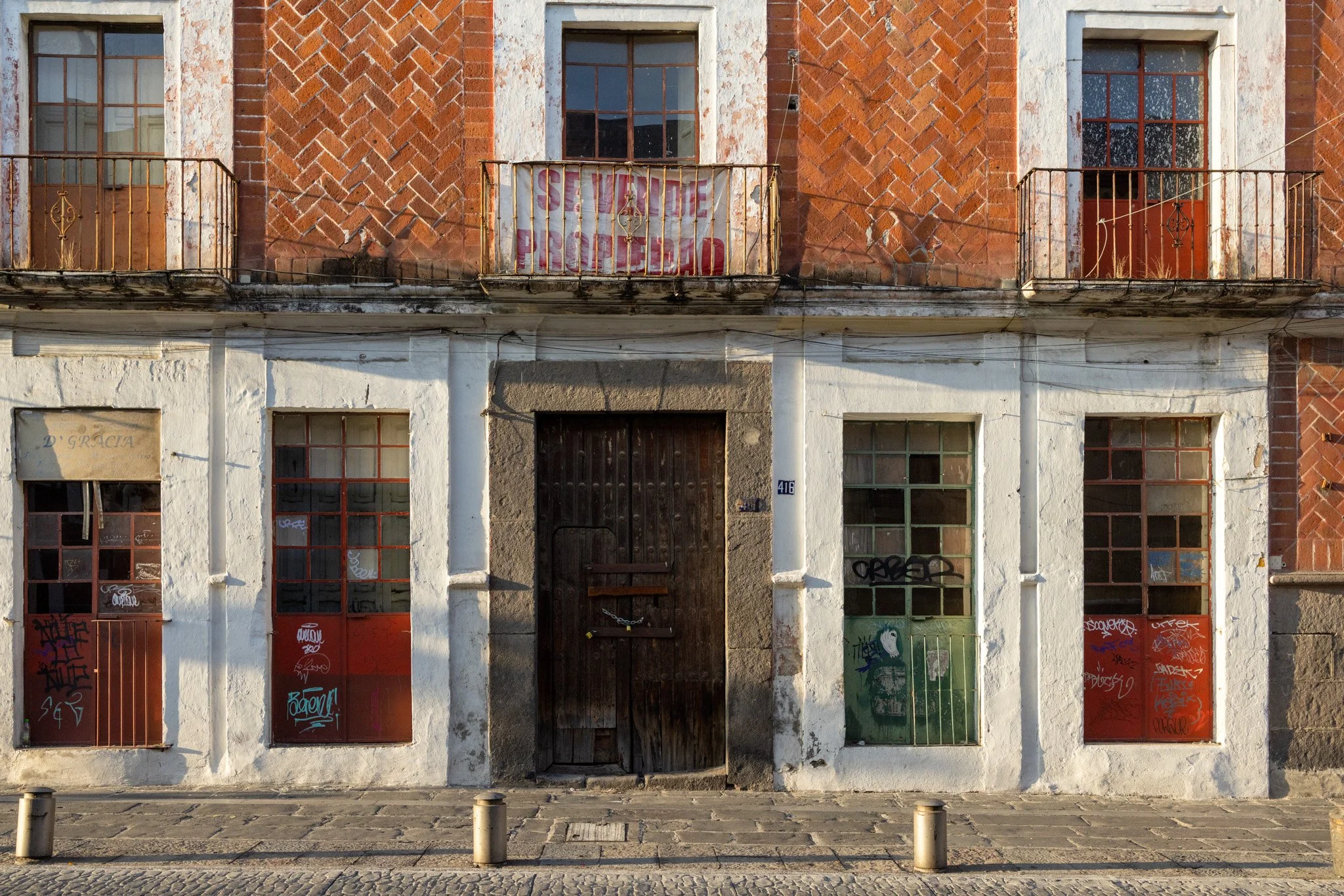
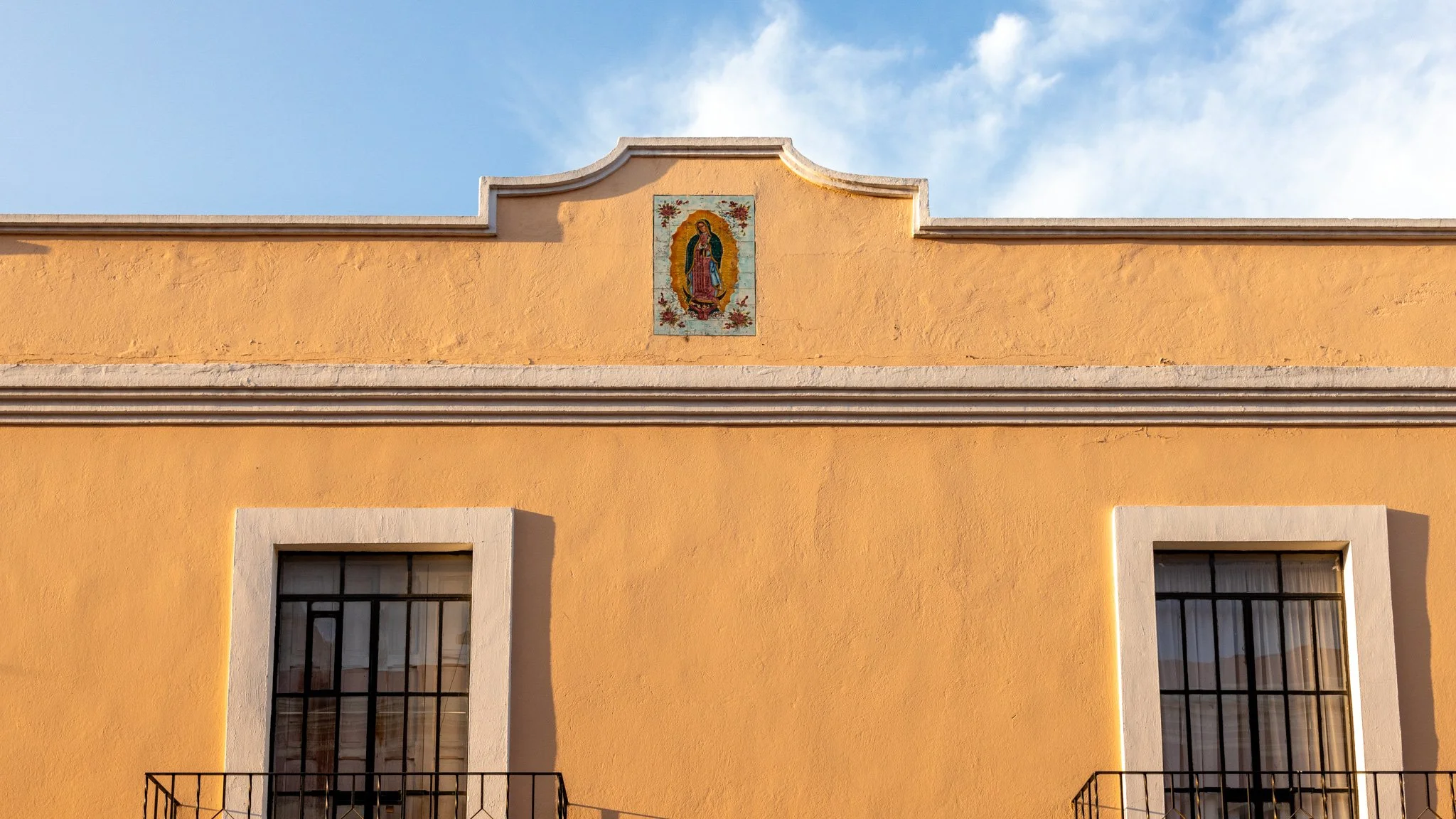
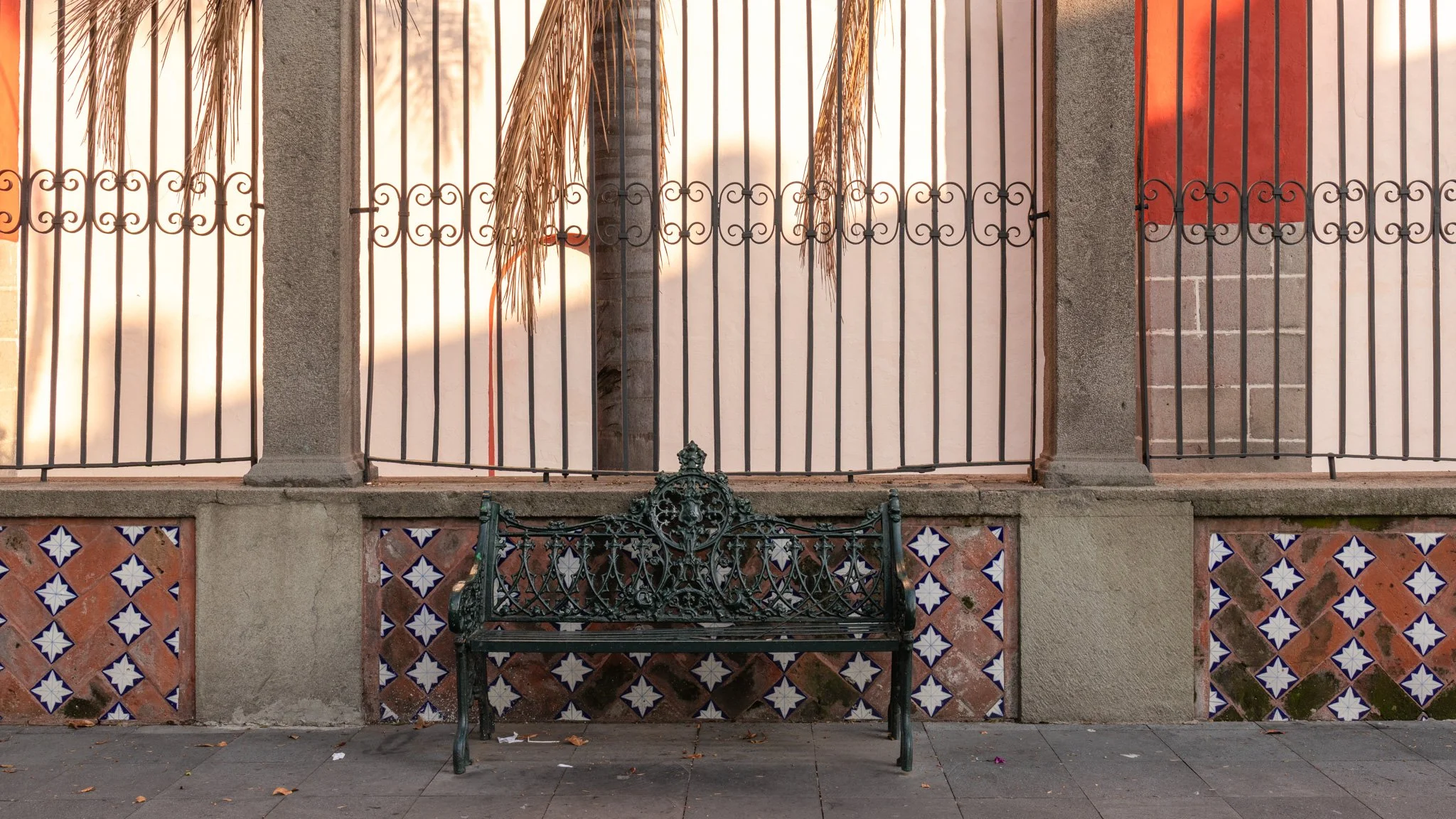
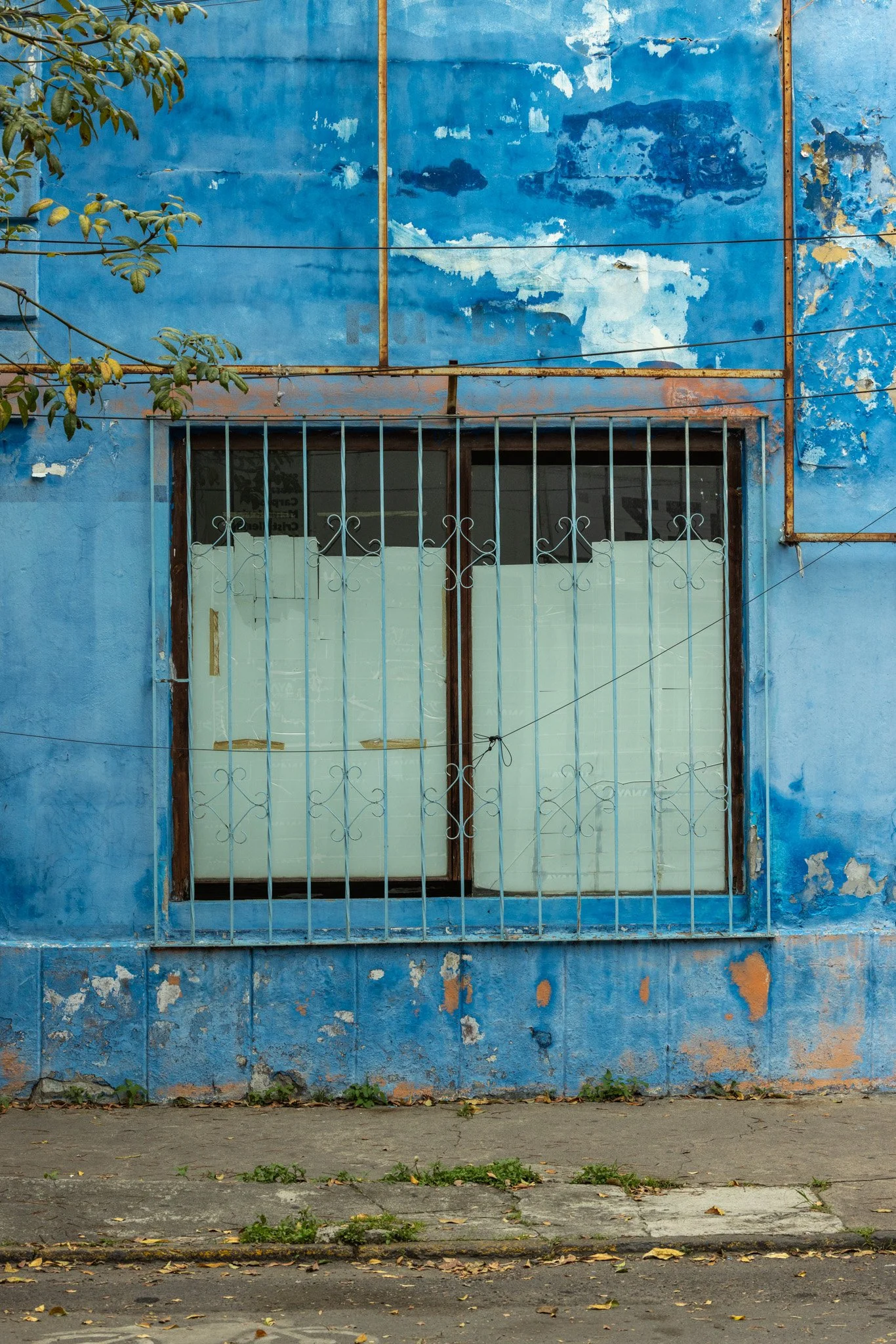
Buildings in Puebla's historic center once featured earthy tones such as warm ochres, terracottas, and deep reds. The colors were influenced by the natural pigments, giving buildings hues that harmonized with Puebla’s environment and climate. Additionally, many of the facades in Puebla were adorned with talavera tiles—distinctive blue, white, and sometimes green or yellow ceramics that added intricate patterns and colors to the exteriors. These colors and tile designs reflected a blend of Spanish colonial and indigenous artistic influences, which evolved over the centuries to include the more vibrant colors seen in recent restorations.
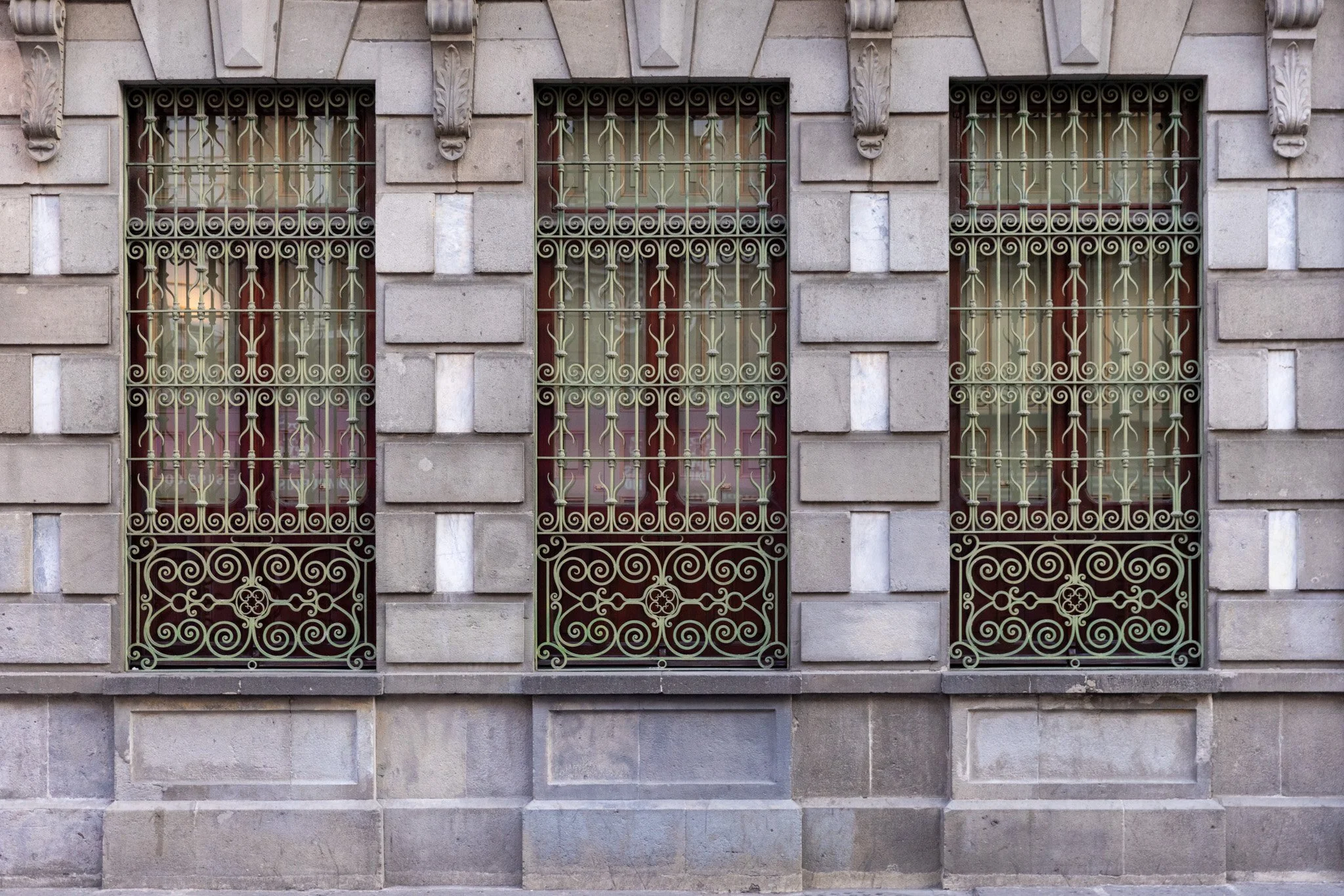
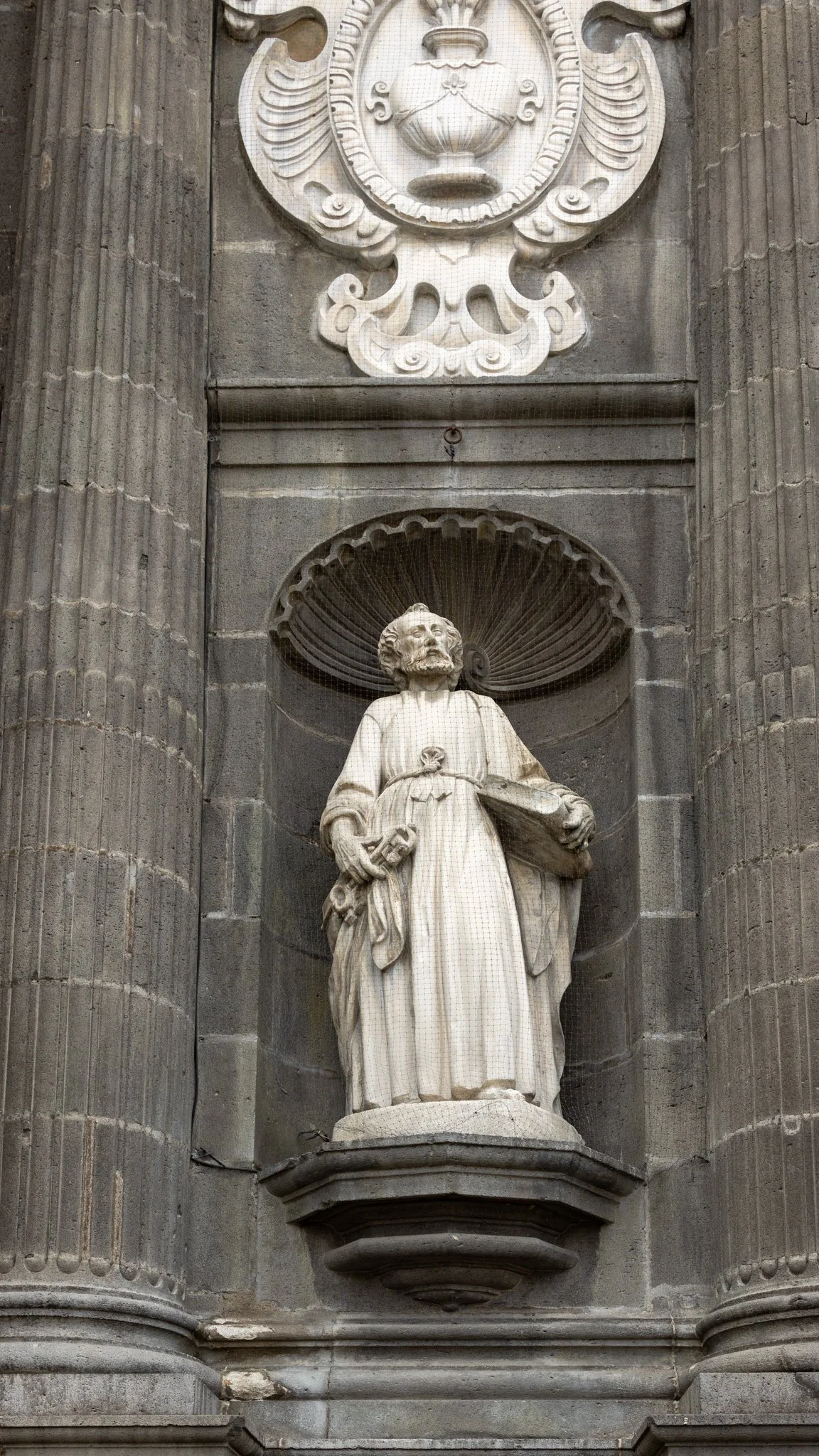
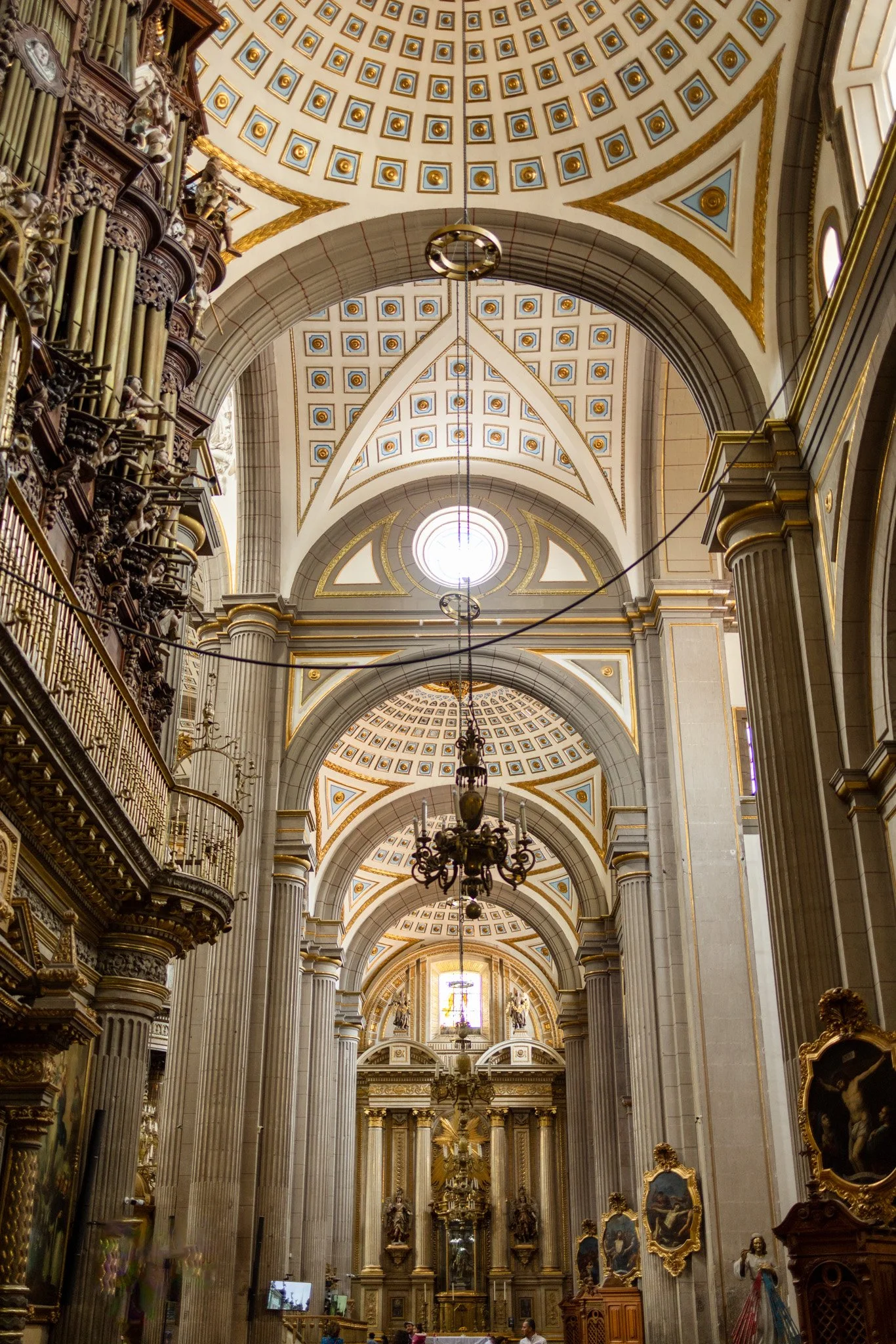
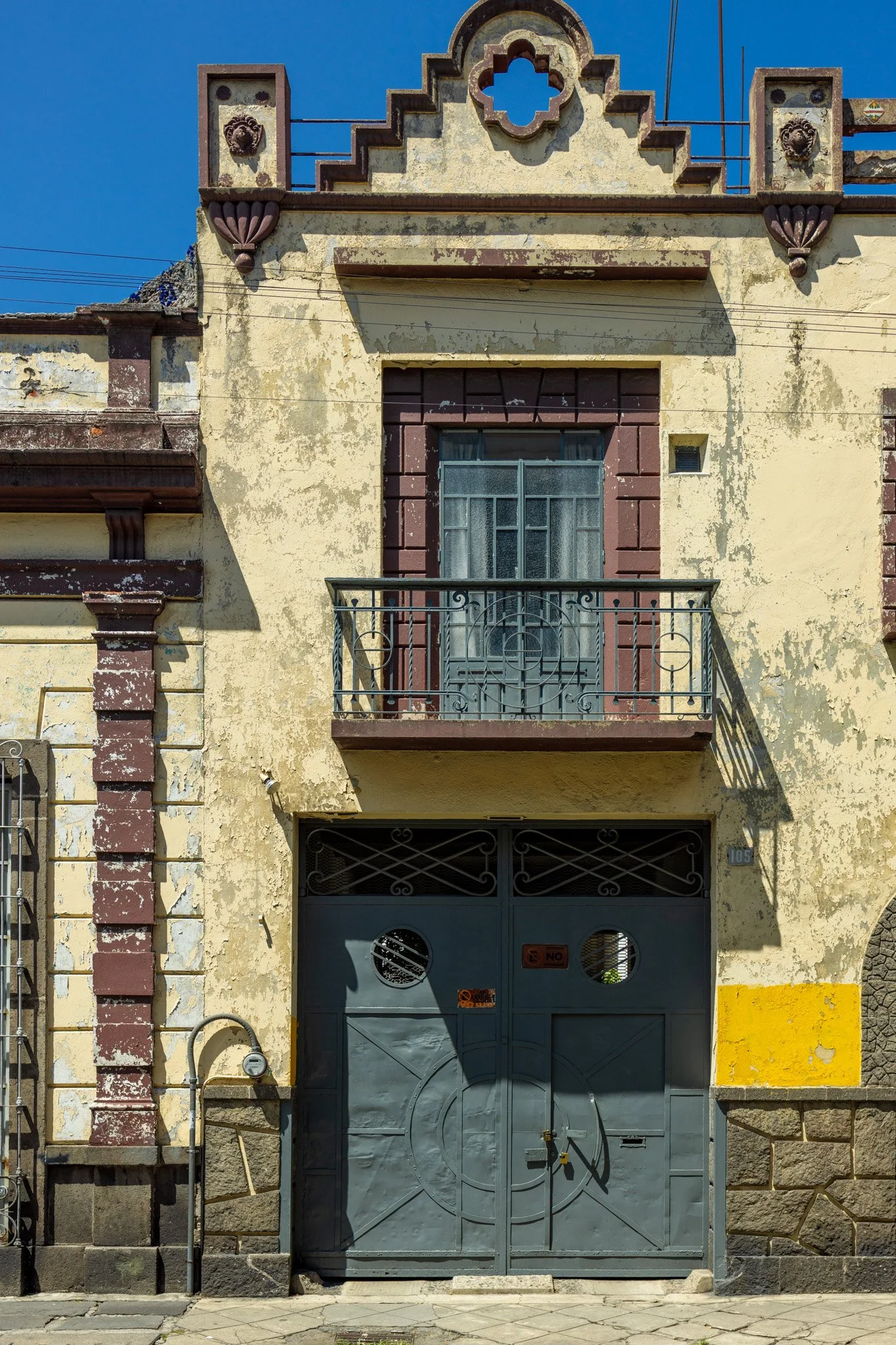
Puebla’s early colonial buildings were typically built with local materials, including adobe, volcanic stone, and brick. Facades were often adorned with talavera tiles in vibrant colors, which became a signature of Puebla’s architectural style. While some churches and convents featured white or light colors for symbolic purity, most buildings were decorated with warm, earthy tones and talavera tiles, creating a distinctively colorful aesthetic.
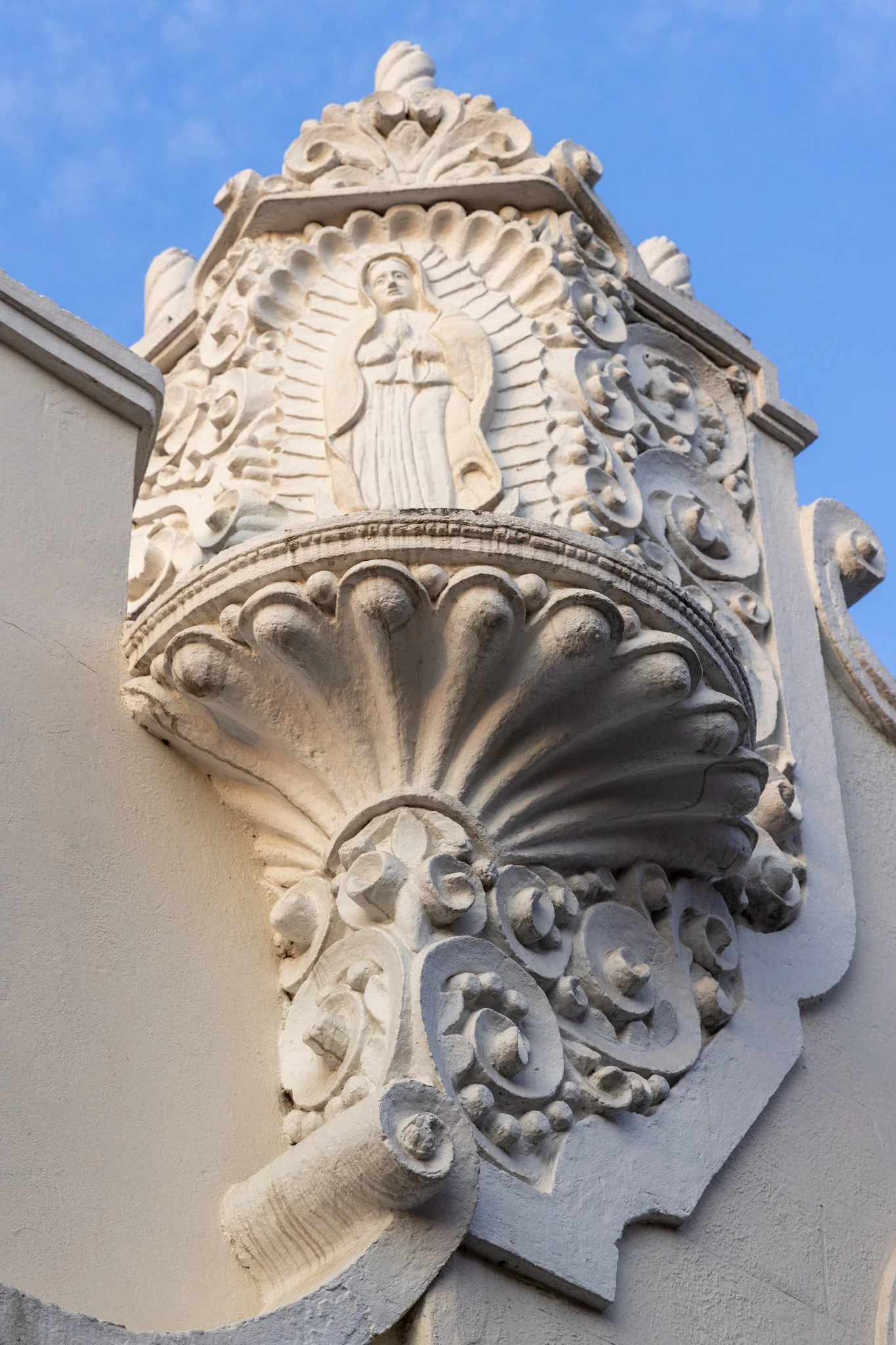
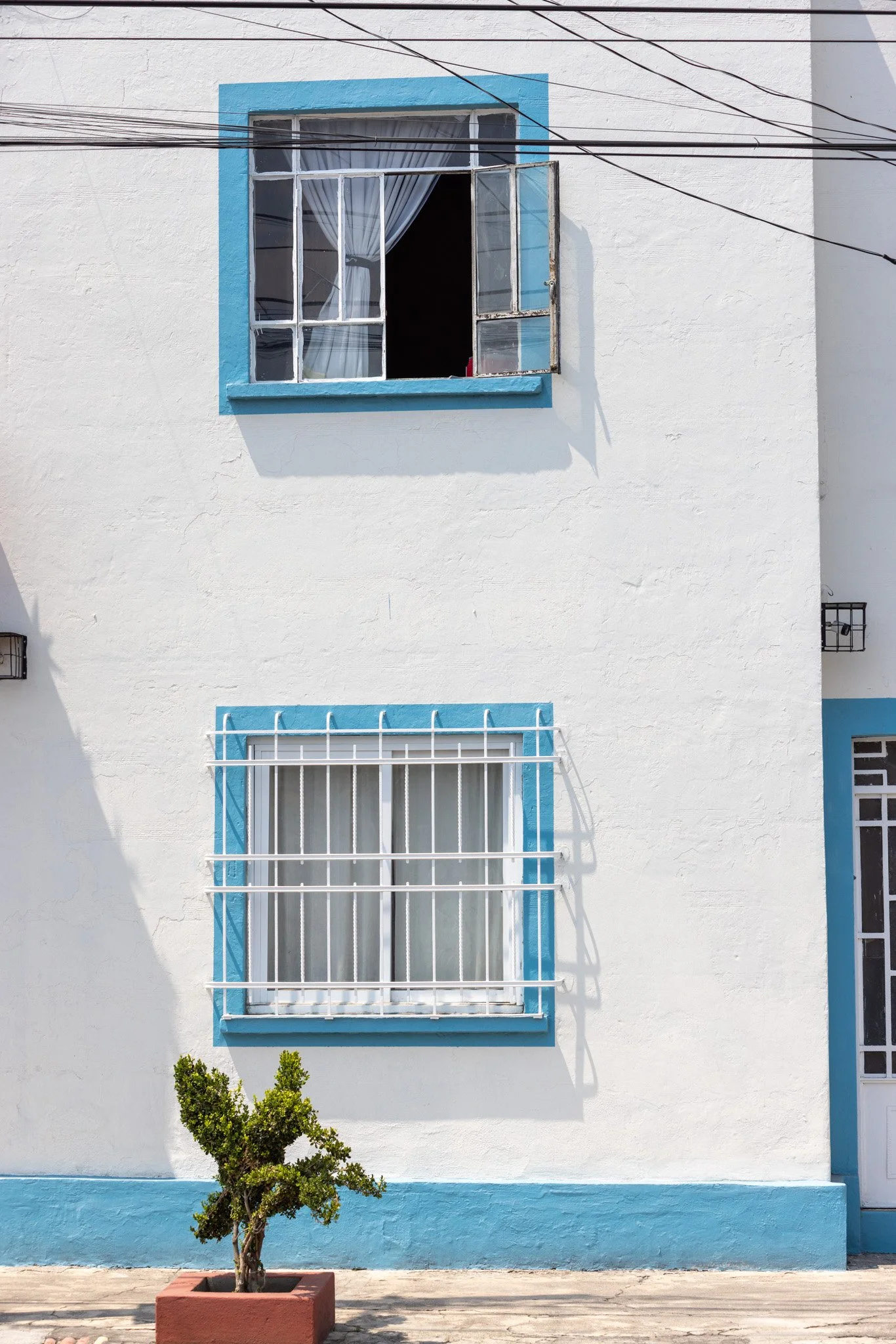
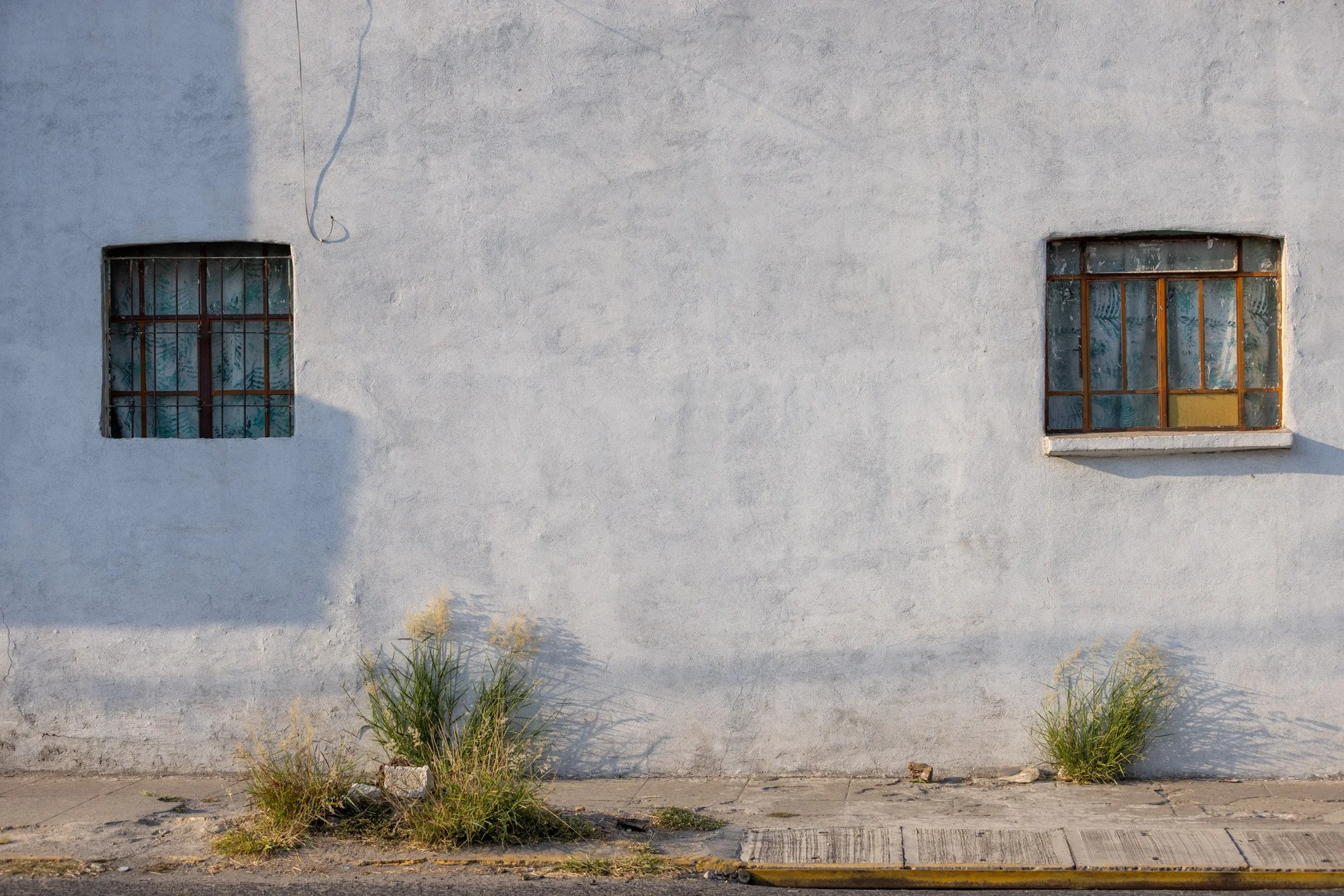
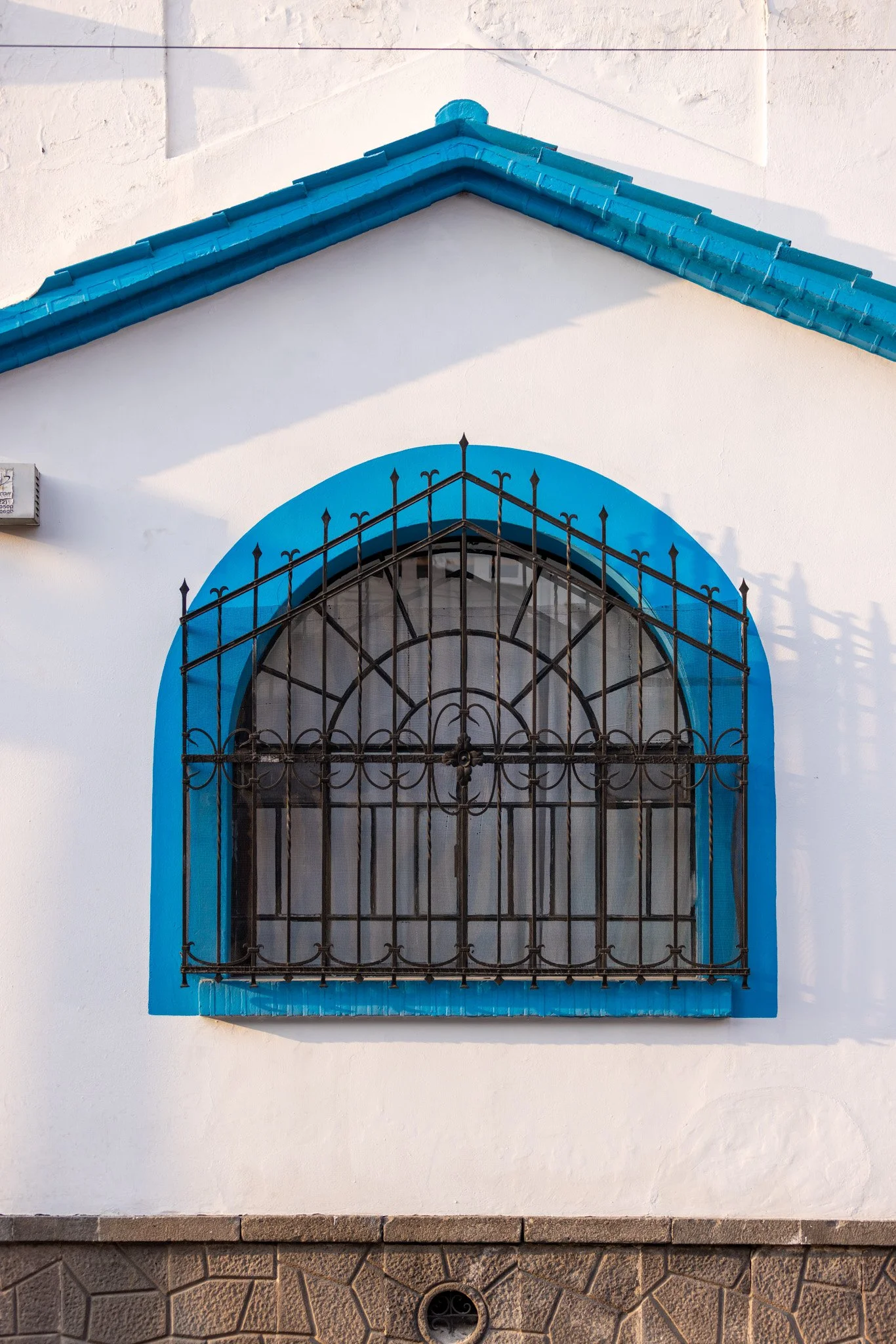
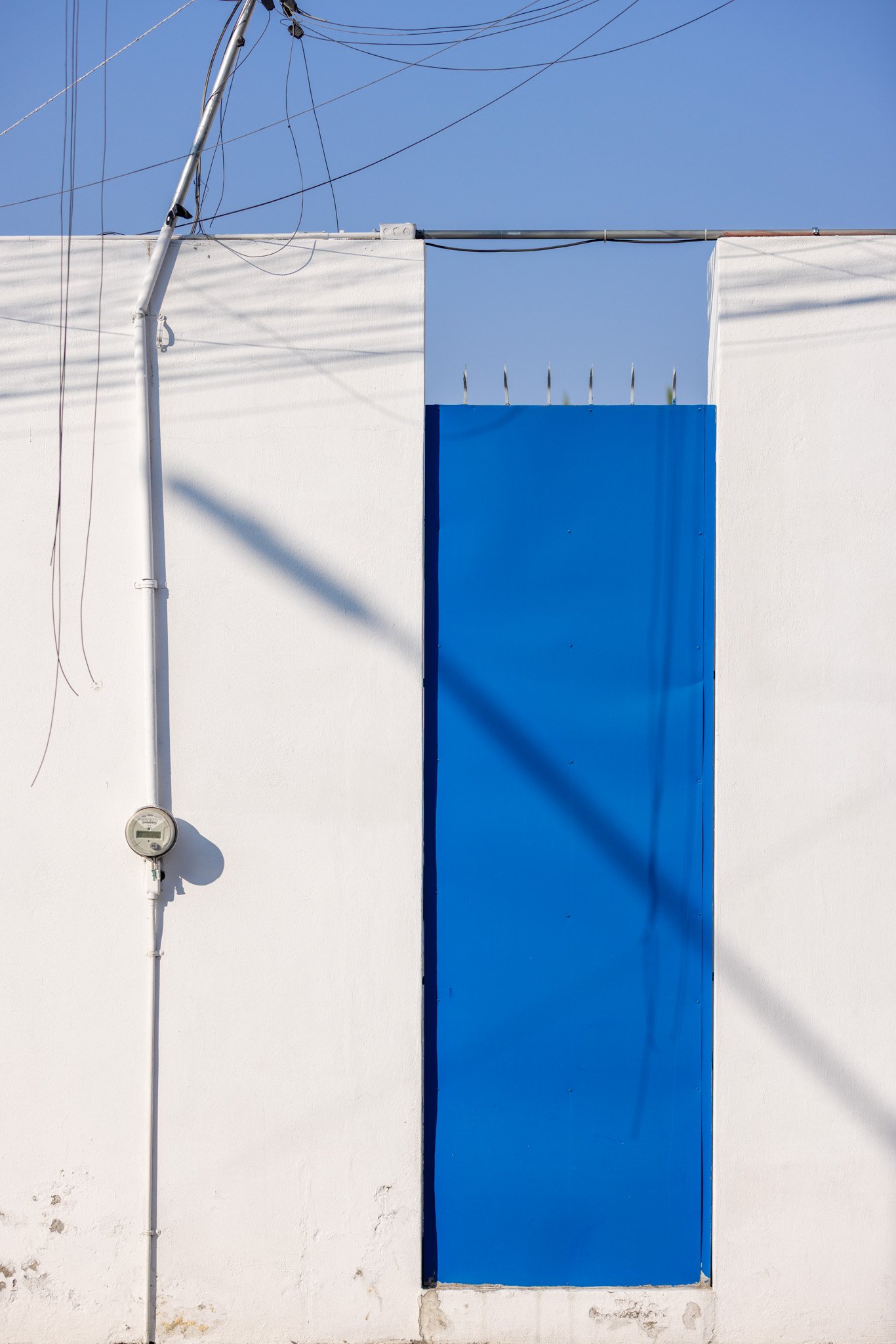
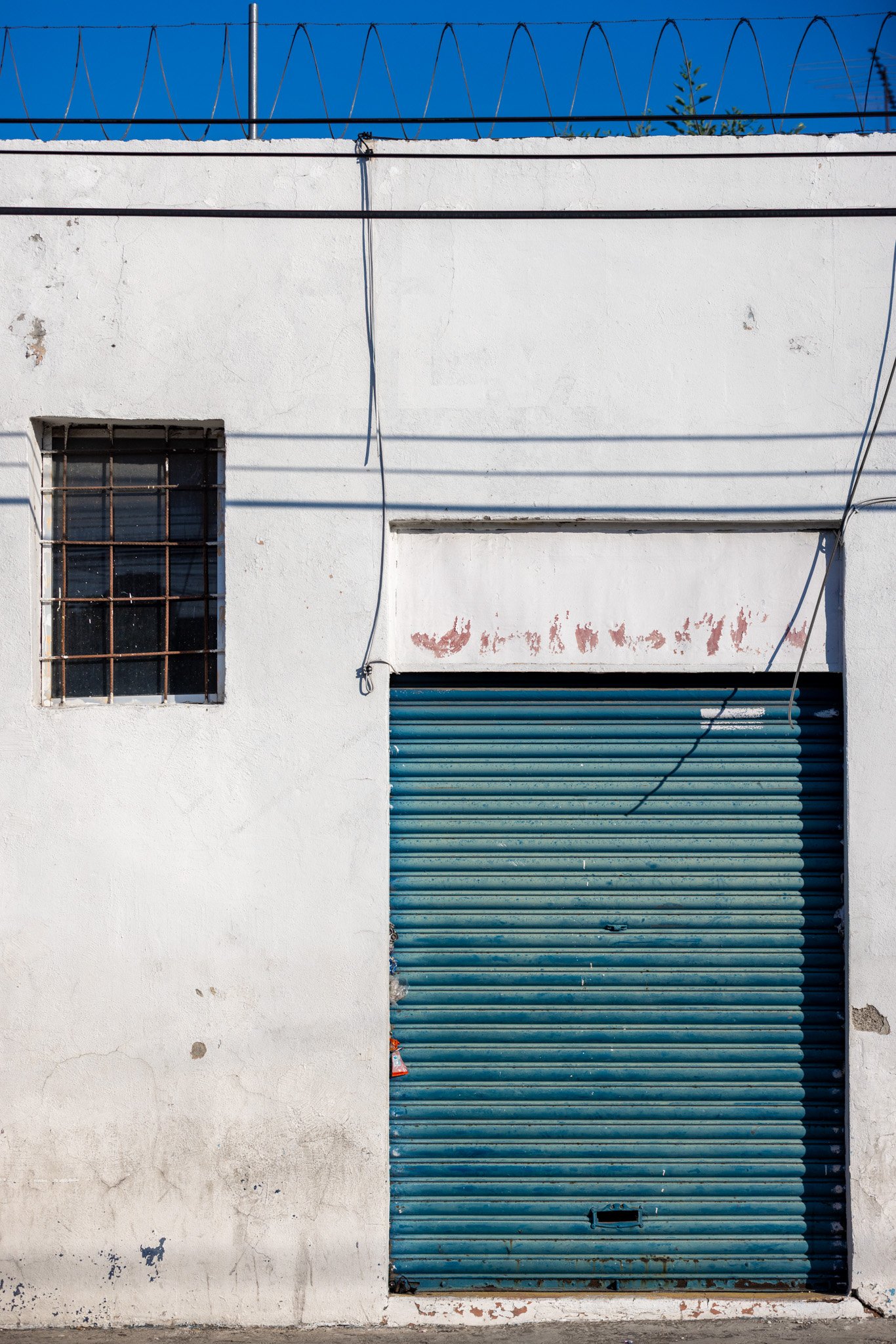
At certain points in Puebla's history, many of the buildings were painted white or light neutral colors. This often occurred during specific periods when uniformity in architecture was either mandated or culturally preferred. The whitewashing of Puebla’s architecture, especially in its historic center, reflects various shifts in cultural, political, and aesthetic priorities throughout its history.
The late 18th and early 19th centuries saw a shift to neoclassical architecture in Mexico, which emphasized uniformity. Whitewashing became common, especially on public buildings, as lighter colors were seen as refined and modern. During the French occupation of Mexico, Puebla’s architecture received a European aesthetic influence, leading to more whitewashed or muted pastel exteriors. Under President Porfirio Díaz, neoclassical and French-inspired designs remained popular. Whitewashing continued as it symbolized modernity and sophistication. Many buildings in Puebla took on a more restrained color palette during this time. After the Mexican Revolution (1910-1920), there was a resurgence of national pride and a return to traditional Mexican styles, leading to the reintroduction of traditional colors and architectural motifs.
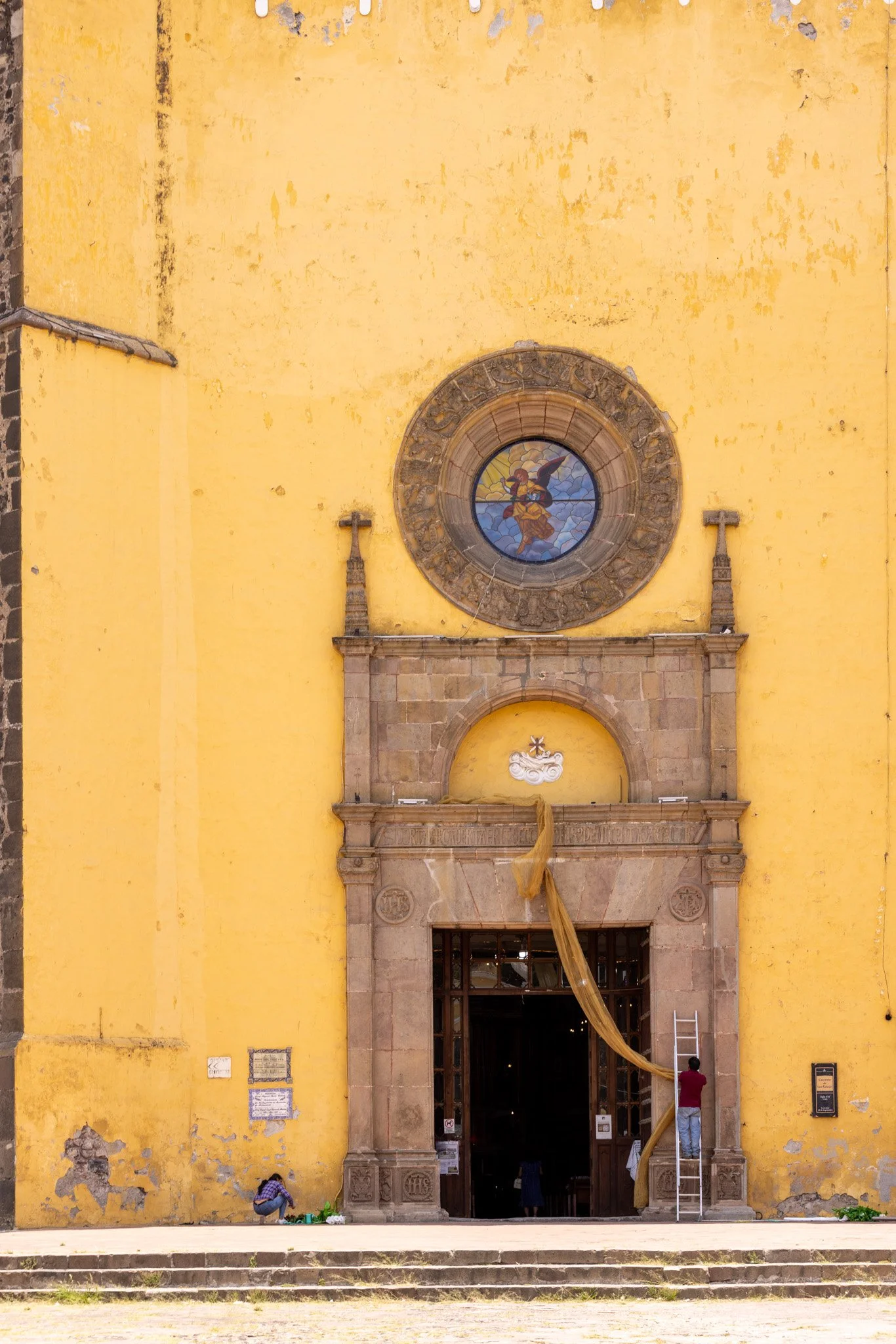
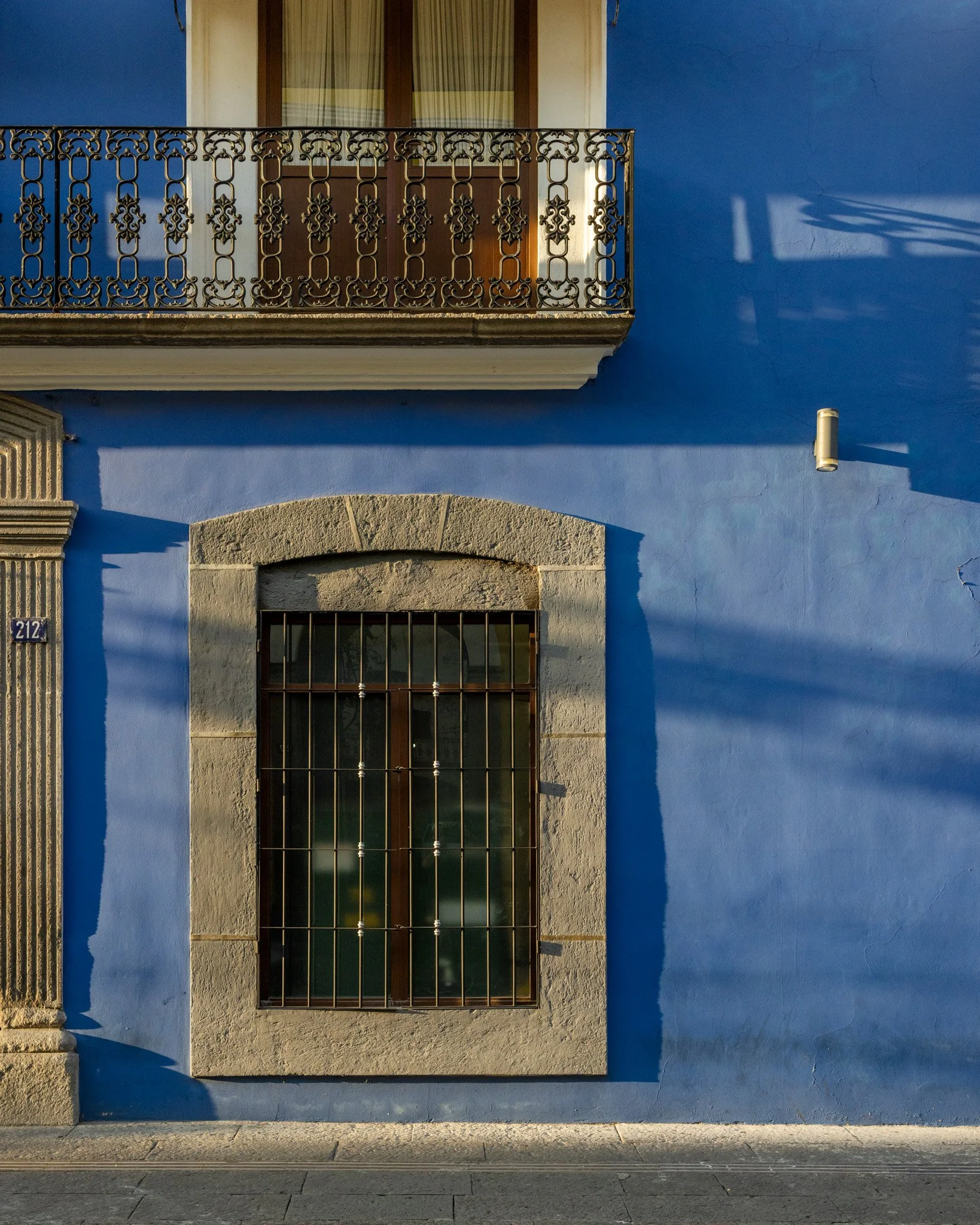
During the 1960’s - 1970’s, Mexico saw a growing preservationist movement, which encouraged the maintenance of historic architecture. In Puebla, this led to interest in restoring original colors and styles. Following Puebla’s UNESCO designation in 1987, restoration projects aimed to revive the historic center and introduced bold neocolonial-era colors. Facades are painted in curated hues, talavera tiles have become ornamentalized, and natural pigments are displaced by an imagined palette of authenticity. These visual interventions reveal how color, materiality, and surface are mobilized to reinforce neoliberal development and cultural tourism agendas.