
Documenting the Making of Place
Before a project becomes a destination, it becomes a record of decisions.
A place does not begin on opening day.
It begins earlier: in the first walk through a site, in the mood board, in the survey, in the light that falls across an unfinished room, in the material sample held against a wall, in the conversations between founders, architects, designers, builders, investors, and operators.
Before a guest checks in, before a table is set, before a brand is launched into public view, a place is already taking shape through hundreds of decisions. Some are visible. Others disappear into the structure. The question is whether those decisions are documented with enough care to become part of the story.
Private Record exists for that space between vision and arrival.
We document the making of place.
Not simply as construction progress. Not only as marketing content. Not as a file folder of before-and-after images. We approach development as a visual, cultural, and strategic process: a period when identity is being formed, values are being tested, and the future image of a project is being quietly assembled.
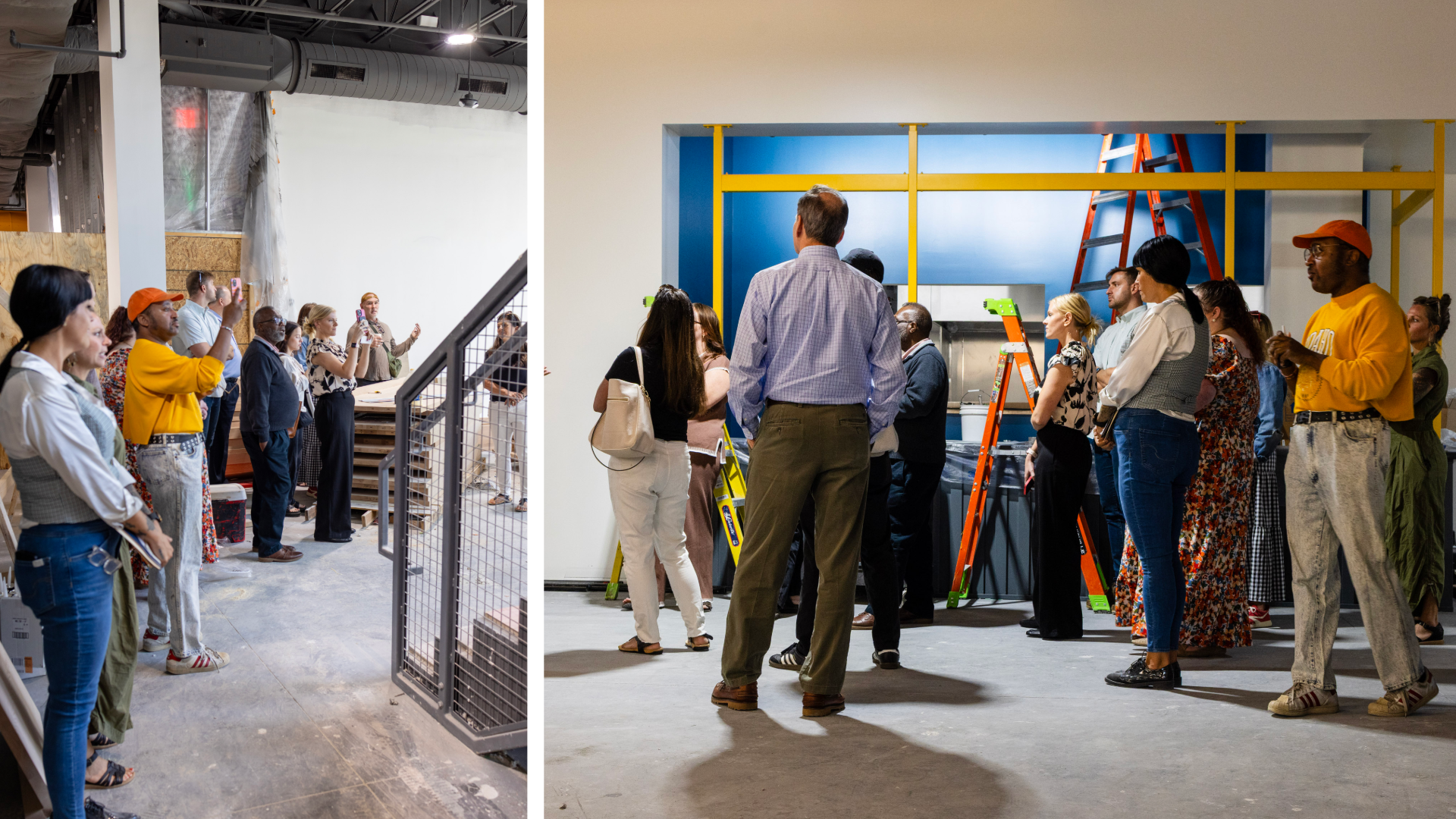
Mashup Food Hall (pre-opening) - Weyland Ventures, Development shots and investor walkthrough (2025)
Development is not just construction.
The language of development often privileges completion: opening date, final renderings, finished rooms, launch campaigns, revenue projections. These are necessary, but they are not the whole story.
A destination is not only the sum of its finished surfaces. It is also the accumulation of labor, site conditions, inherited histories, design choices, environmental constraints, operational needs, and human intention. The making of a place carries meaning long before the public sees the result.
For hospitality projects, private retreats, cultural spaces, residences, and destination properties, the development phase is often where the most important visual material is created and lost at the same time.
A wall is opened.
A view is discovered.
A pathway changes.
A landscape is cleared, restored, or reconsidered.
A room begins to reveal how people will move through it.
A material decision shifts the entire emotional tone of a space.
These moments are rarely staged. They do not always announce their significance. But they are the visual evidence of a place becoming itself.
That evidence matters.
The archive should begin before the ribbon-cutting.
Too often, professional photography enters after the fact. The space is cleaned, styled, lit, and presented as finished. This has value. Every project needs strong final imagery. But when documentation begins only at completion, the story has already been narrowed.
The development archive expands what a project can say about itself.
It gives founders, ownership groups, hospitality teams, designers, and investors access to the full arc of the work: not just what was made, but how it came into being. It allows the finished place to carry depth, continuity, and proof.
For a hospitality brand, this archive can support future campaigns, investor updates, press outreach, launch storytelling, internal presentations, design documentation, and long-term institutional memory. For a private retreat or family property, it can preserve the evolution of a place that may become meaningful across generations. For a cultural or community-centered project, it can hold a record of transformation that resists the flattening effect of purely promotional imagery.
A strong archive does not only preserve memory.
It creates usable strategic assets.
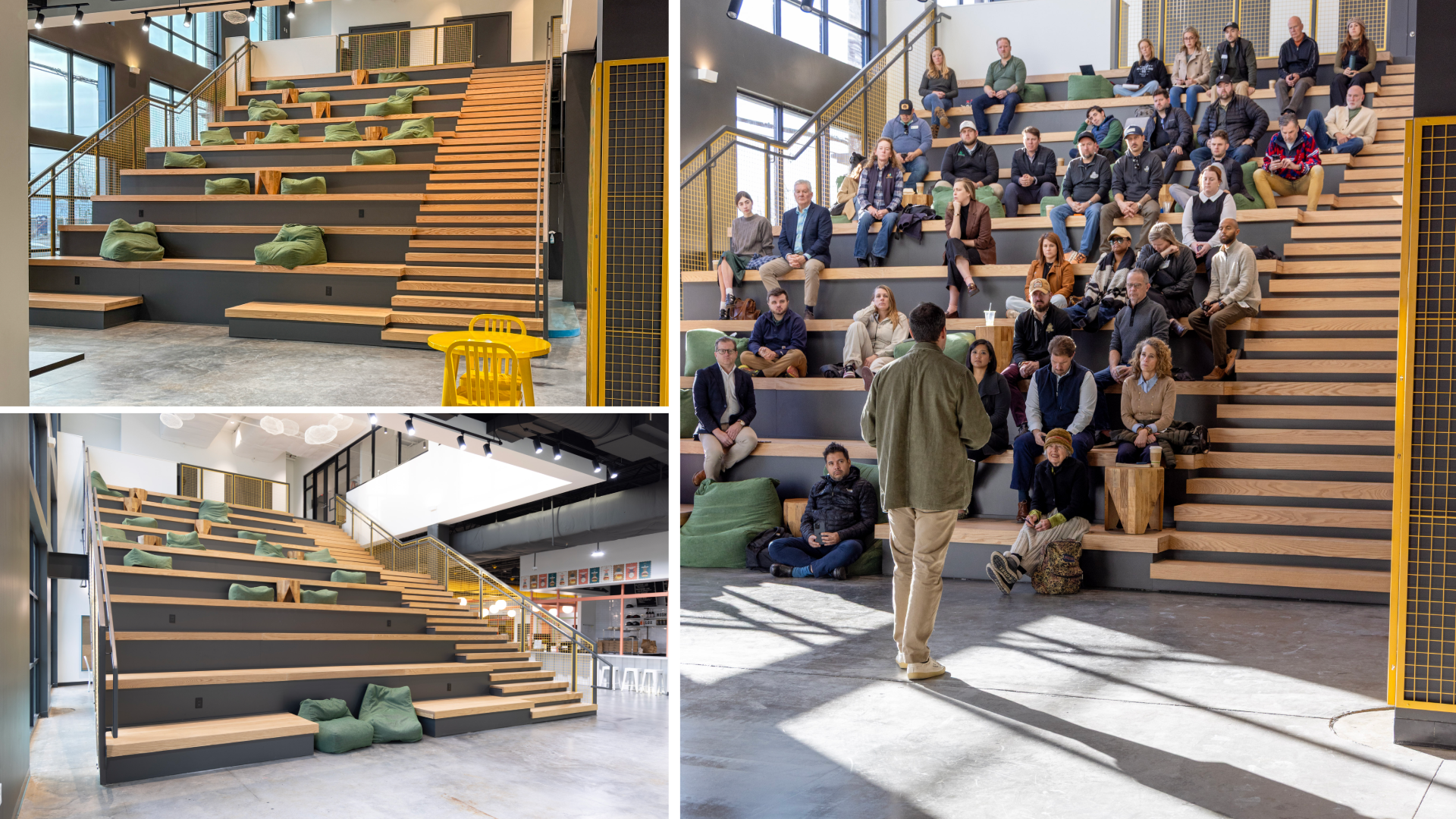
Mashup Food Hall (post-opening) - Weyland Ventures (2026)
Documentation creates alignment.
In the development process, many people are working from the same vision, but not always the same image.
Founders may speak in terms of atmosphere. Architects may work through plans and spatial logic. Designers may think through texture, color, and material presence. Investors may need confidence, clarity, and evidence of progress. Operators may be focused on guest flow, functionality, service, and readiness.
Photography can help these groups see together.
When used consistently throughout a project, visual documentation becomes a shared language. It can clarify what is changing, what is working, what needs attention, and what is beginning to emerge. It can reveal whether the physical project is still aligned with the original promise.
This is especially important for projects that are not merely building a venue, but creating a destination with emotional, cultural, and experiential value.
A place-based brand cannot be understood only through a logo, a color palette, or a tagline. It must be seen through its relationship to land, architecture, light, material, ritual, service, and memory. Documentation gives that relationship form.
What Private Record documents
Private Record works with clients who understand that a place is not just a property. It is a visual and experiential system.
Our documentation may include:
Site visits and early landscape studies.
Architectural progression and spatial transformation.
Material details, textures, thresholds, and views.
Design references and atmosphere studies.
Founder vision and stakeholder presence.
Construction and renovation milestones.
Hospitality, dining, gathering, and retreat preparation.
Quiet operational moments before public launch.
Finished spaces photographed with restraint and continuity.
The long-term life of a place after opening.
The result is not a random image library. It is a structured visual record that can be used across different stages of a project’s life.
During development, it supports communication and alignment.
Before launch, it supports brand formation and public storytelling.
After opening, it supports marketing, press, investor relations, and archival continuity.
Over time, it becomes part of the project’s legacy.
The difference between content and record
Content is often made for immediate circulation.
A record is made to endure.
Both have a place. A project may need social media assets, press images, campaign visuals, website photography, and launch materials. But without a deeper archive, the visual story can become thin: polished, attractive, and quickly exhausted.
Private Record approaches image-making with a longer horizon.
The goal is not to overproduce, overexplain, or turn every moment into a campaign. The goal is to observe carefully and build a visual body of work that can hold complexity. Some images may serve a deck. Some may support a press feature. Some may become part of a future exhibition, book, family archive, brand history, or internal record.
A useful archive is not passive storage. It is a living resource.
It allows a project to return to its own origins with clarity.
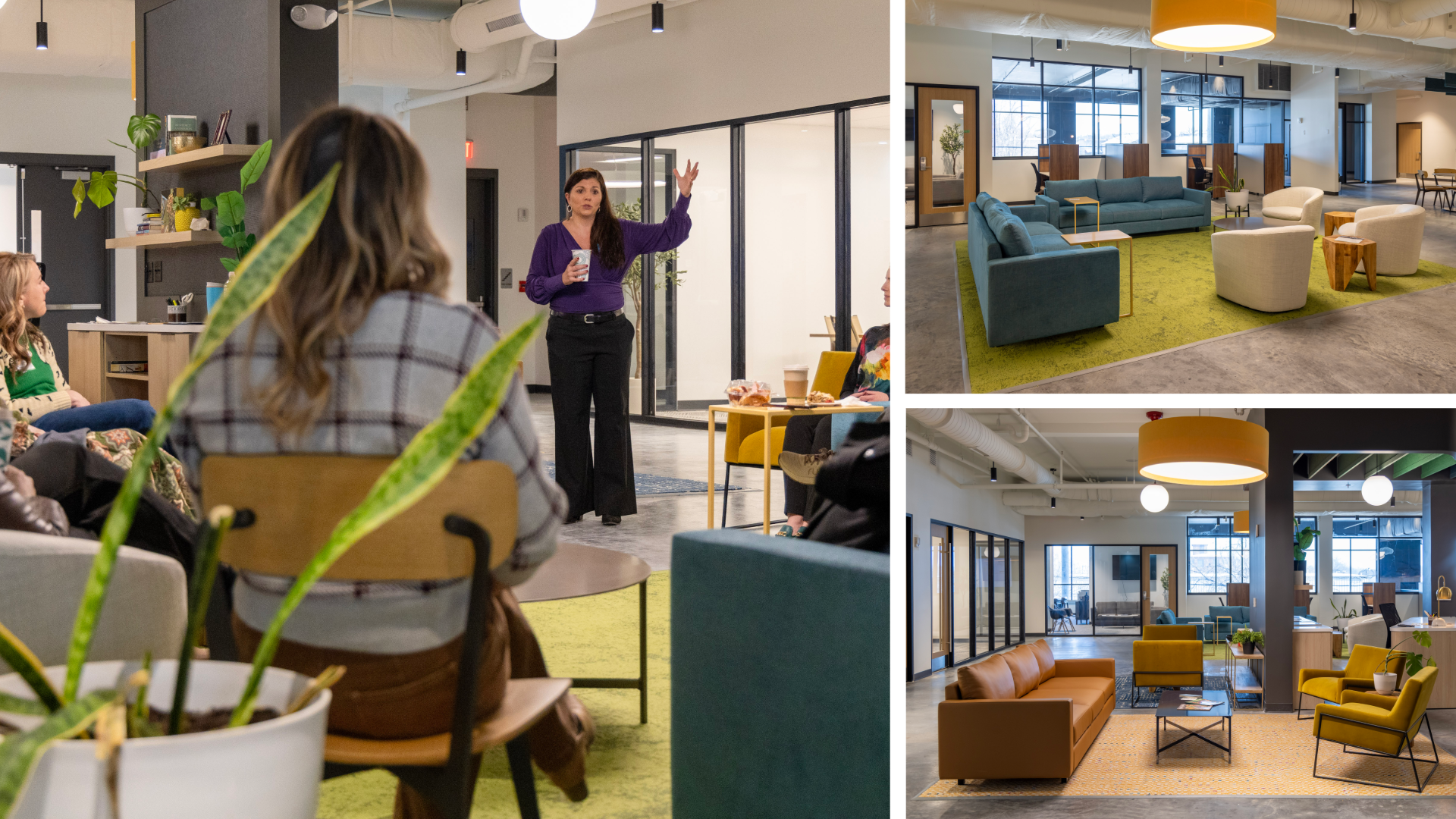
Genuine Work Co-working - Weyland Ventures (2026)
Place is made through attention.
Every project wants to be memorable. Fewer projects invest in the visual discipline required to understand how memory is formed.
Place is made through attention: to the land, to the people who shape it, to what was there before, to what is being changed, to what should not be erased, to how guests will enter, gather, rest, eat, move, and remember.
The image has power here. It can simplify, decorate, and sell. But it can also slow down the process of looking. It can reveal relationships that would otherwise go unnoticed. It can hold evidence. It can show the difference between a project that has been styled and a place that has been considered.
Private Record works in that difference.
We document development not as spectacle, but as formation. We build archives for projects that understand the value of continuity. We create images for the people who need to communicate what is being built now, and for the people who will one day ask how it began.
Because before a place becomes a destination, it becomes a record.
And that record is worth making well.
