The Romans, led by Emperor Claudius, began their conquest of Britain in 43 CE. This campaign aimed to expand the empire's territory, exploit natural resources, and integrate the island into the Roman economic and administrative system. By the 50s CE, the Romans had moved into the southwest of Britain, encountering the Dobunni, who inhabited the Bath area. The Dobunni were a Celtic tribe that inhabited southwestern Britain, primarily in the region corresponding to modern-day Gloucestershire, Somerset, and parts of Worcestershire. Their territory included what would later become the city of Bath (Aquae Sulis). The Dobunni were part of the broader Celtic culture that spread across Europe during the Iron Age (approximately 800 BCE–100 CE). They likely settled in Britain as part of successive waves of migration beginning in the 1st millennium BCE. Their name, Dobunni, is believed to derive from a Celtic root meaning "the people of the deep" or "the people of the sacred waters," possibly referencing their connection to the River Severn or the hot springs at Bath. The Dobunni lived in tribal chiefdoms, with power centered on local elites.
Archaeological findings suggest that the Bath region was inhabited as early as the Mesolithic period (circa 8,000 BCE). Flint tools and other artifacts found in the area indicate seasonal settlements near the River Avon. By the Neolithic (circa 4,000–2,500 BCE) and Bronze Age (circa 2,500–800 BCE), the area saw more established communities. Burial mounds and stone tools have been uncovered in nearby locations, but evidence in Bath itself is sparse. The hot springs of Bath likely held sacred importance for prehistoric peoples. The warm, mineral-rich waters would have been a rare and mysterious natural feature, inspiring awe and reverence. Though no written records exist from this time, parallels can be drawn to other ancient cultures that revered natural springs as sacred sites.
The Dobunni likely revered natural features like rivers and springs. The thermal springs at Bath would have been particularly significant, viewed as sacred sources of healing and power. As a Celtic tribe, they worshiped a pantheon of gods and goddesses tied to nature, fertility, and warfare. Specific deities associated with water and healing may have been central to their beliefs. Archaeological evidence indicates that the Dobunni left offerings at sacred sites, such as weapons, jewelry, and animal bones, to appease or honor their deities. Religious and social ceremonies likely took place within their hill-forts, which acted as both practical and spiritual centers. The Dobunni appear to have been a confederation of smaller clans or sub-tribes, each led by a chieftain. Despite this fragmented structure, they were united by shared cultural and economic interests. They bordered more militaristic tribes, such as the Catuvellauni to the east and the Silures to the west. To the south, the Durotriges were both trading partners and potential rivals, depending on circumstances.
By the time of the Roman conquest (43 CE), the Dobunni had become a "client kingdom" of sorts, maintaining relative autonomy while paying tribute to Rome. This arrangement allowed them to avoid large-scale conflict with the Romans and ensured their survival during the initial phases of occupation. The Dobunni’s peaceful integration into the Roman Empire marked them as distinct from more resistant tribes like the Iceni or Silures. Their cultural contributions, including their connection to the sacred springs at Bath, laid the foundation for the development of Aquae Sulis as a religious and spa center. Their early adoption of Roman customs and governance facilitated the long-term prosperity of the region under Roman rule.
The area now known as Bath was home to three natural hot springs, the only ones in Britain. These springs, rich in minerals like calcium and sulfur, were long revered by the local Celts, who associated them with the goddess Sulis. Recognizing the site's spiritual and therapeutic significance, the Romans developed it as a spa town and religious center, combining their engineering expertise with local traditions.
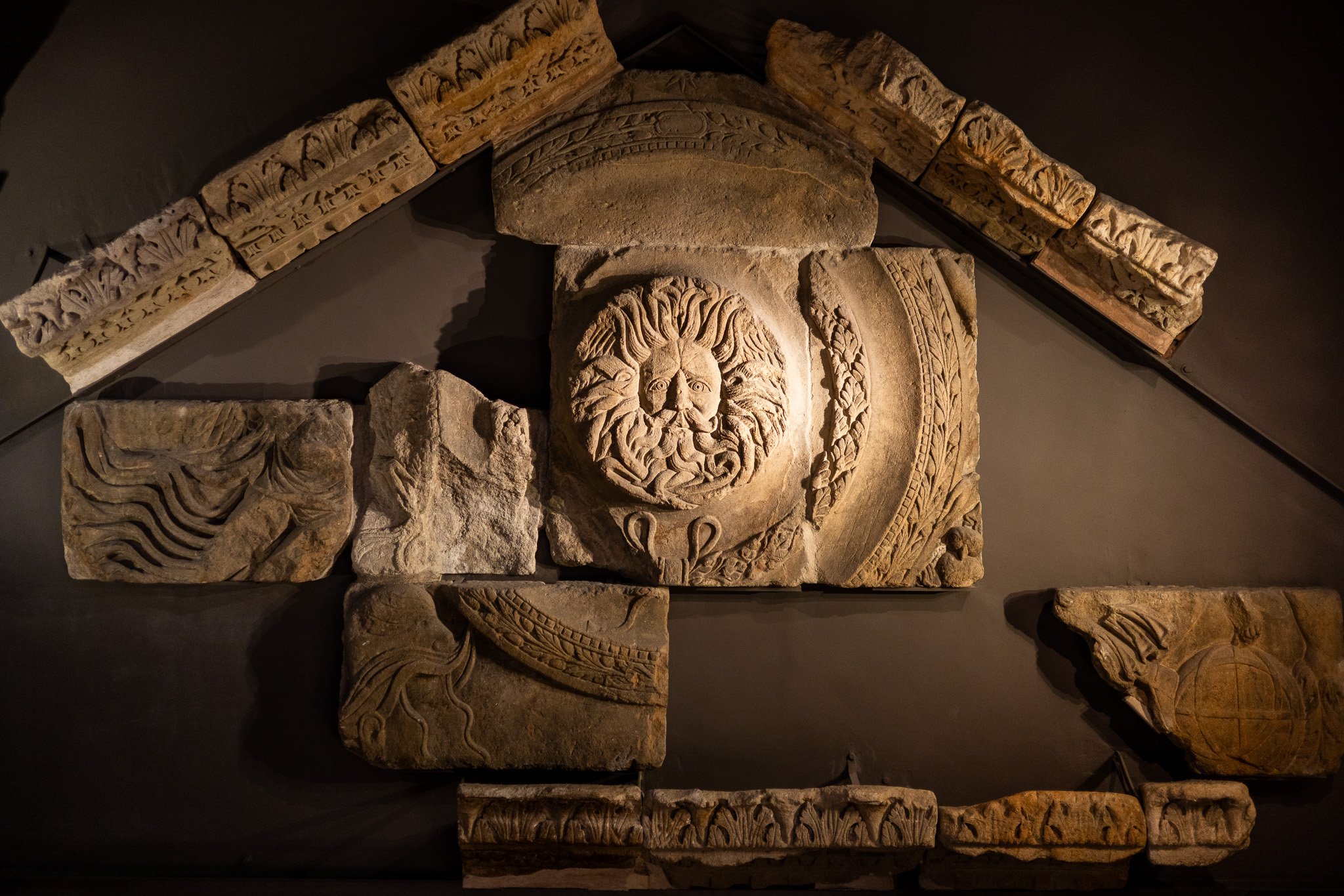
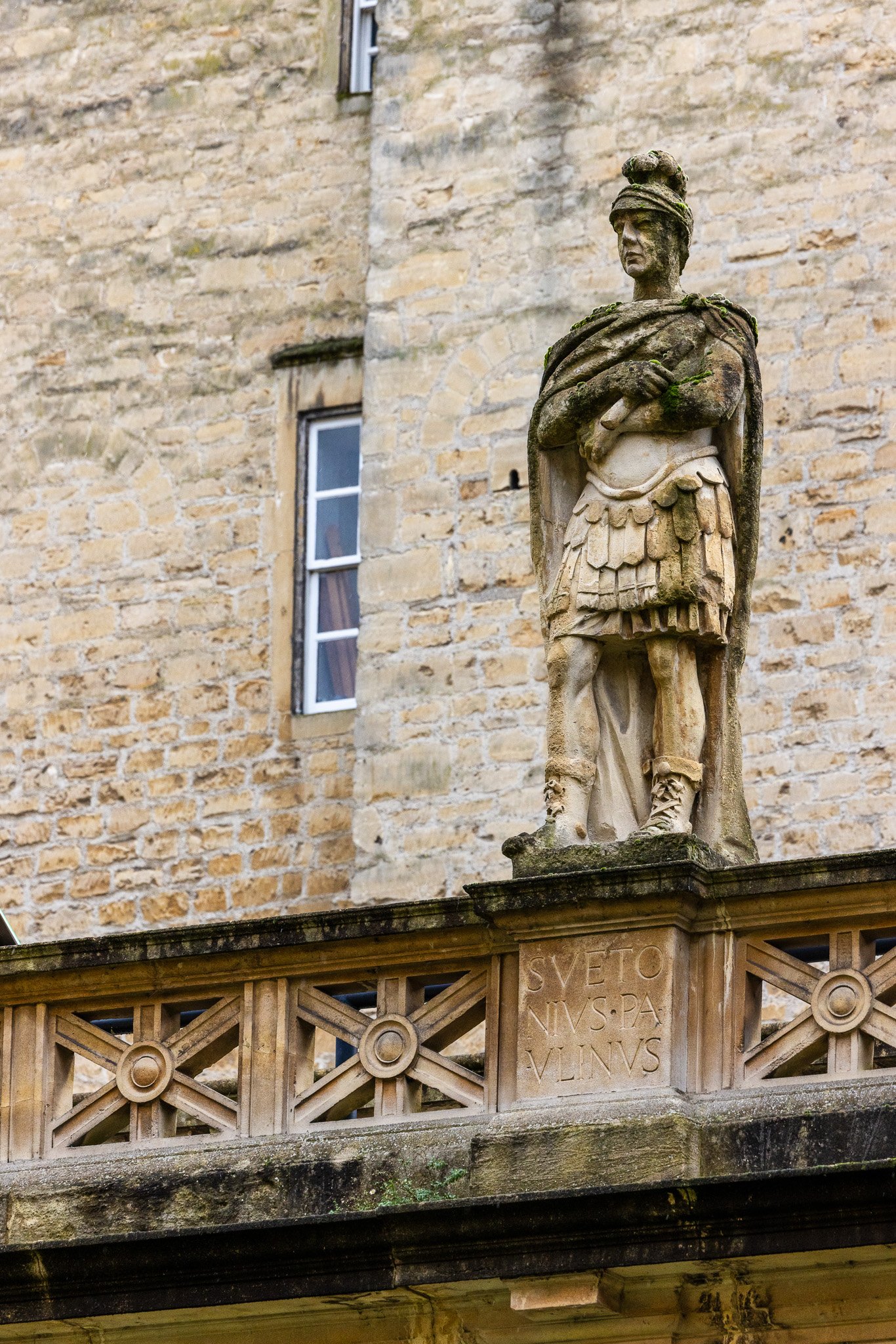
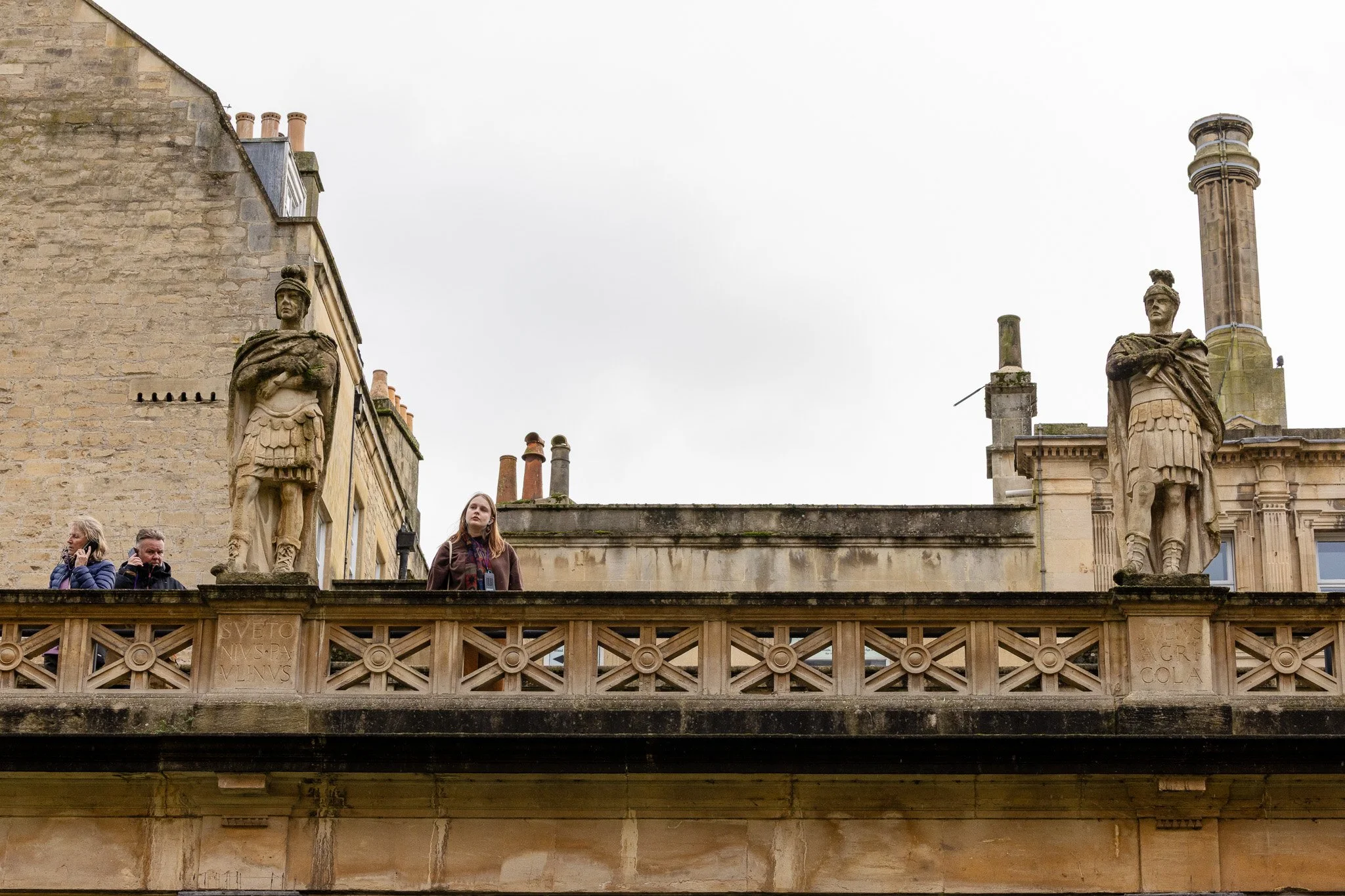
The city’s history as a spa destination began with the Romans, who constructed the famous baths around 60–70 CE. The settlement, known as Aquae Sulis ("the waters of Sulis"), centered on the natural hot springs, which were believed to have sacred and healing properties. The Romans named the settlement Aquae Sulis ("Waters of Sulis") to honor the Celtic goddess while integrating their own religious practices by associating her with Minerva, the Roman goddess of wisdom and healing. The temple to Sulis Minerva combined the native Celtic goddess Sulis with the Roman goddess Minerva, showcasing a cultural fusion, making it a focal point for worship and pilgrimage and a unique cultural and spiritual hub in the empire.
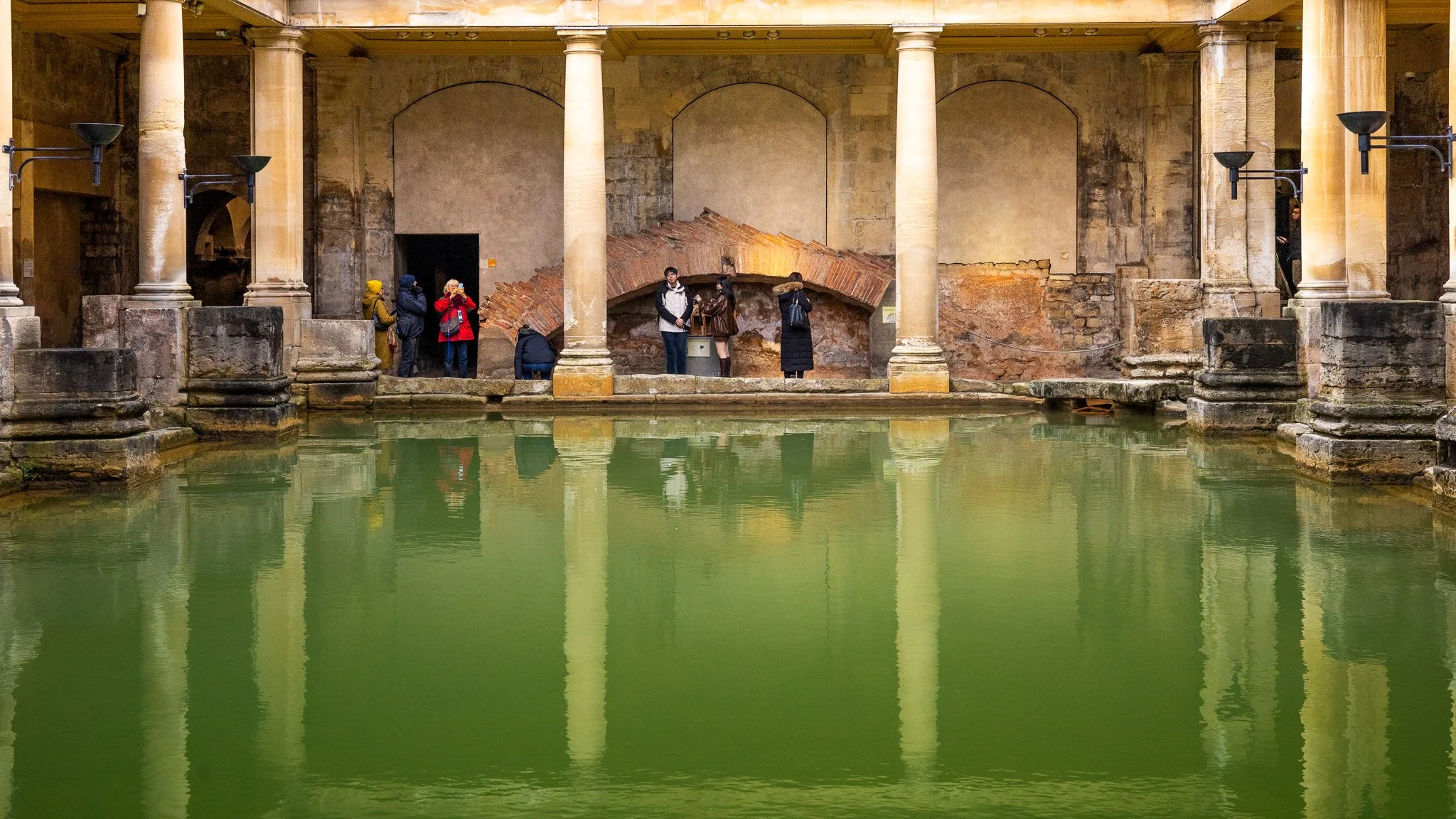
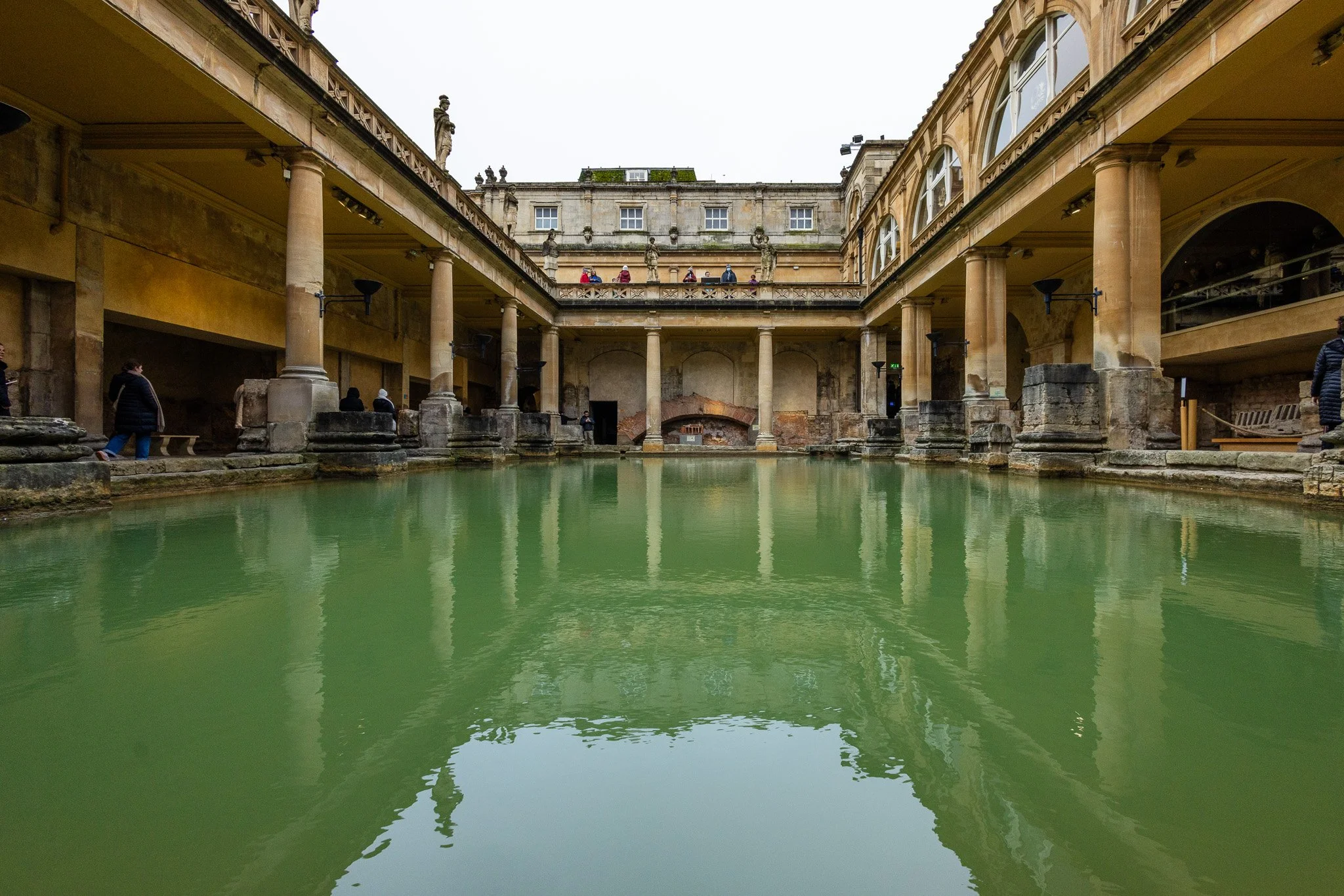
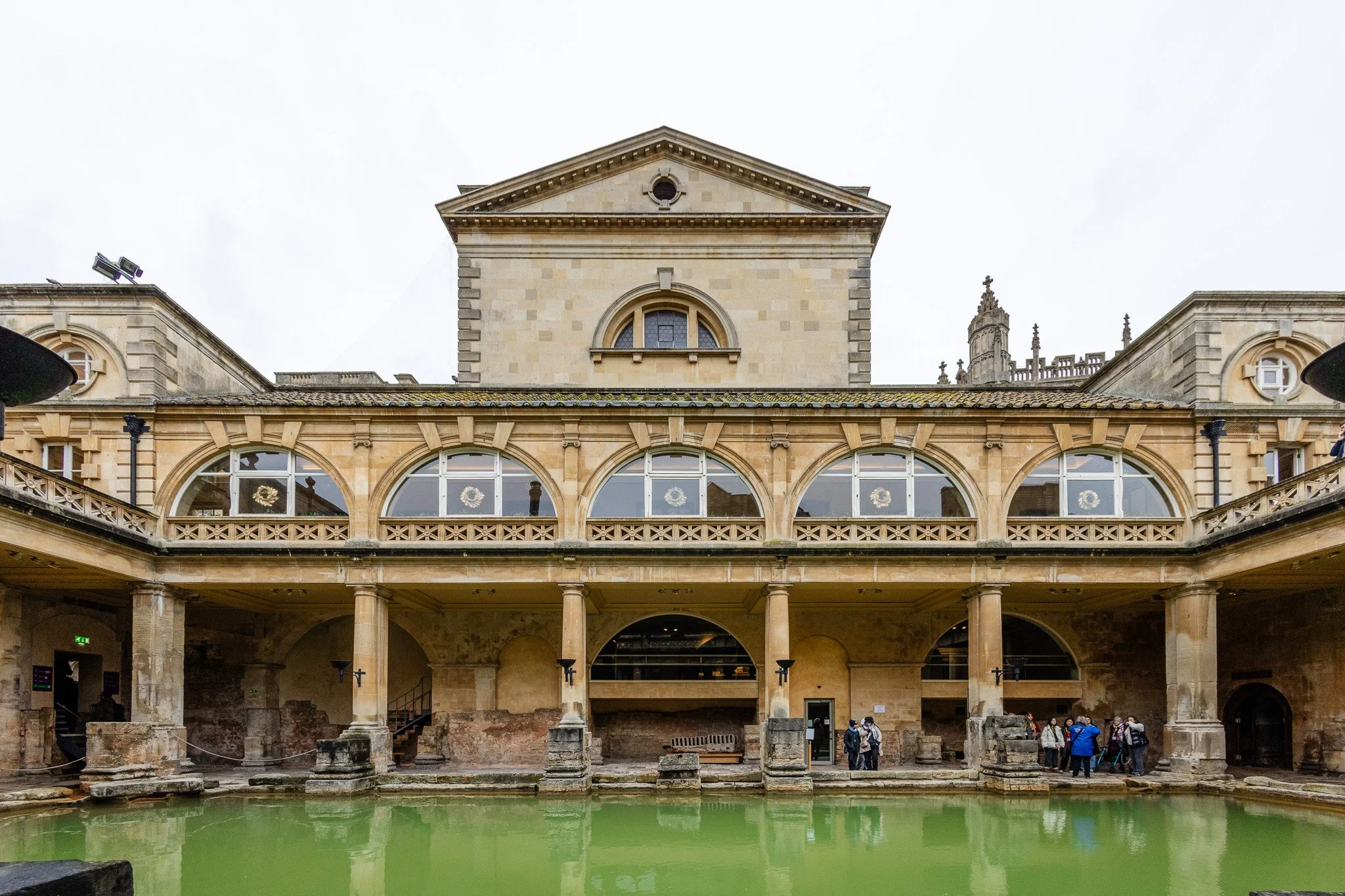
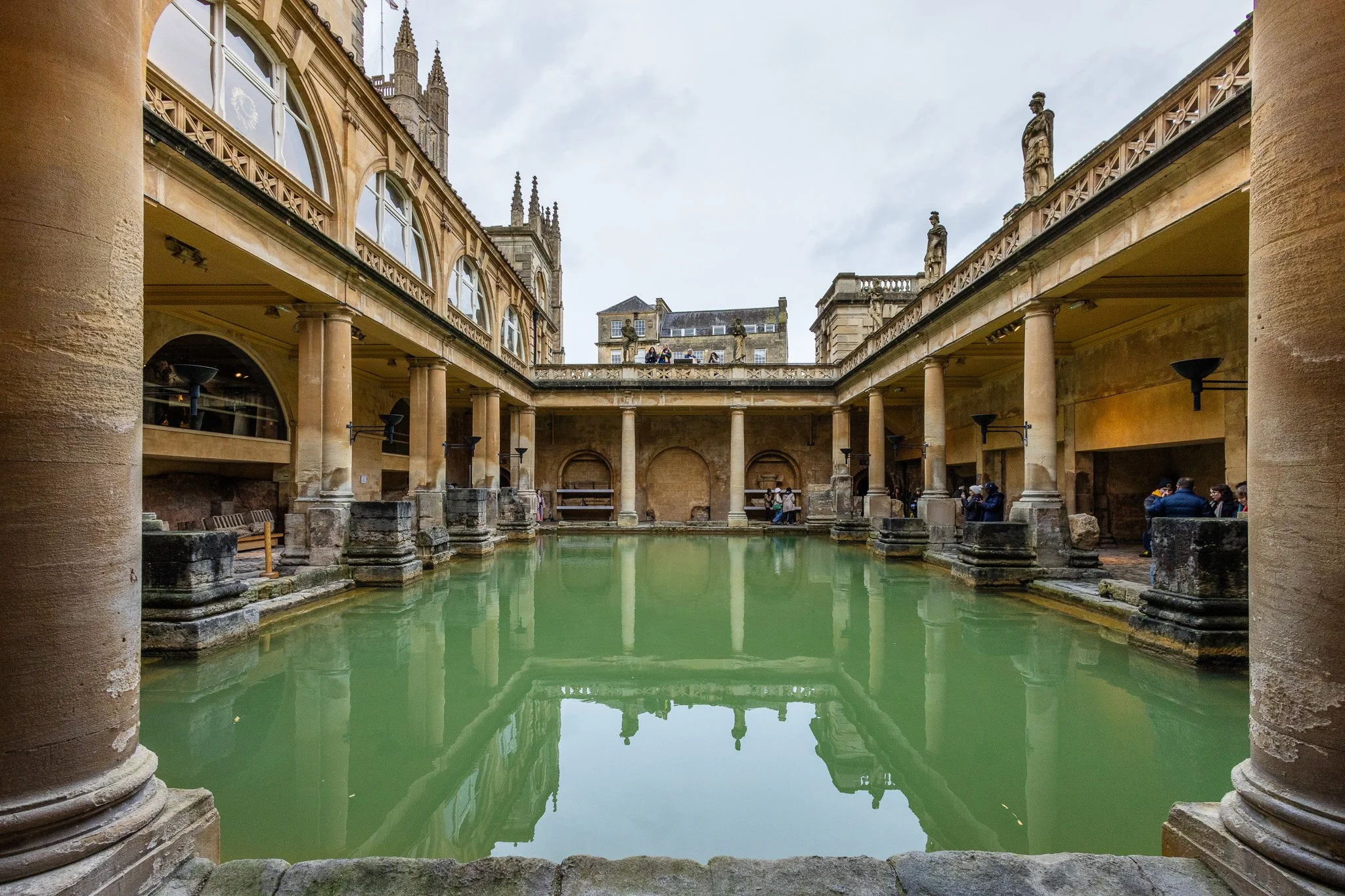
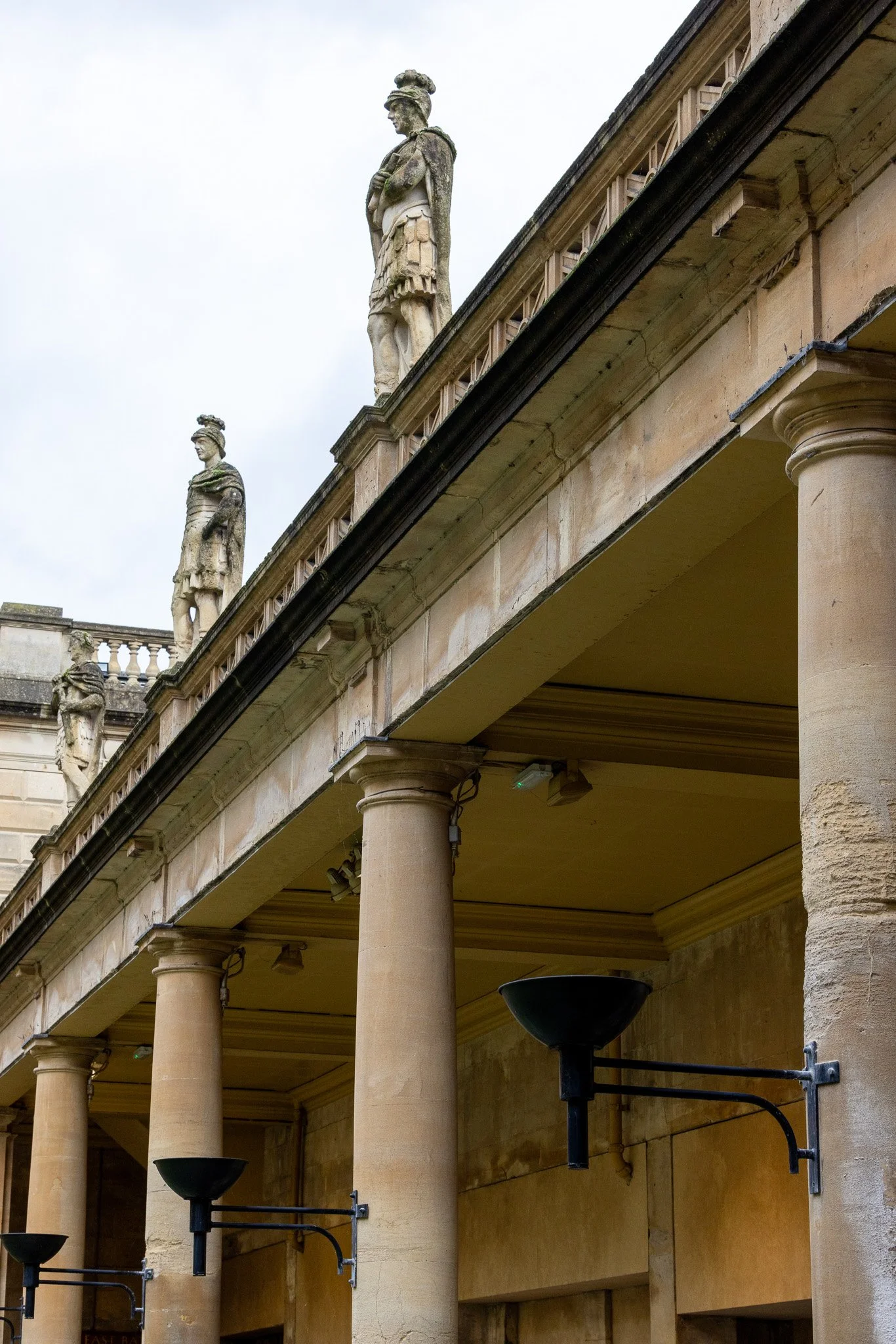
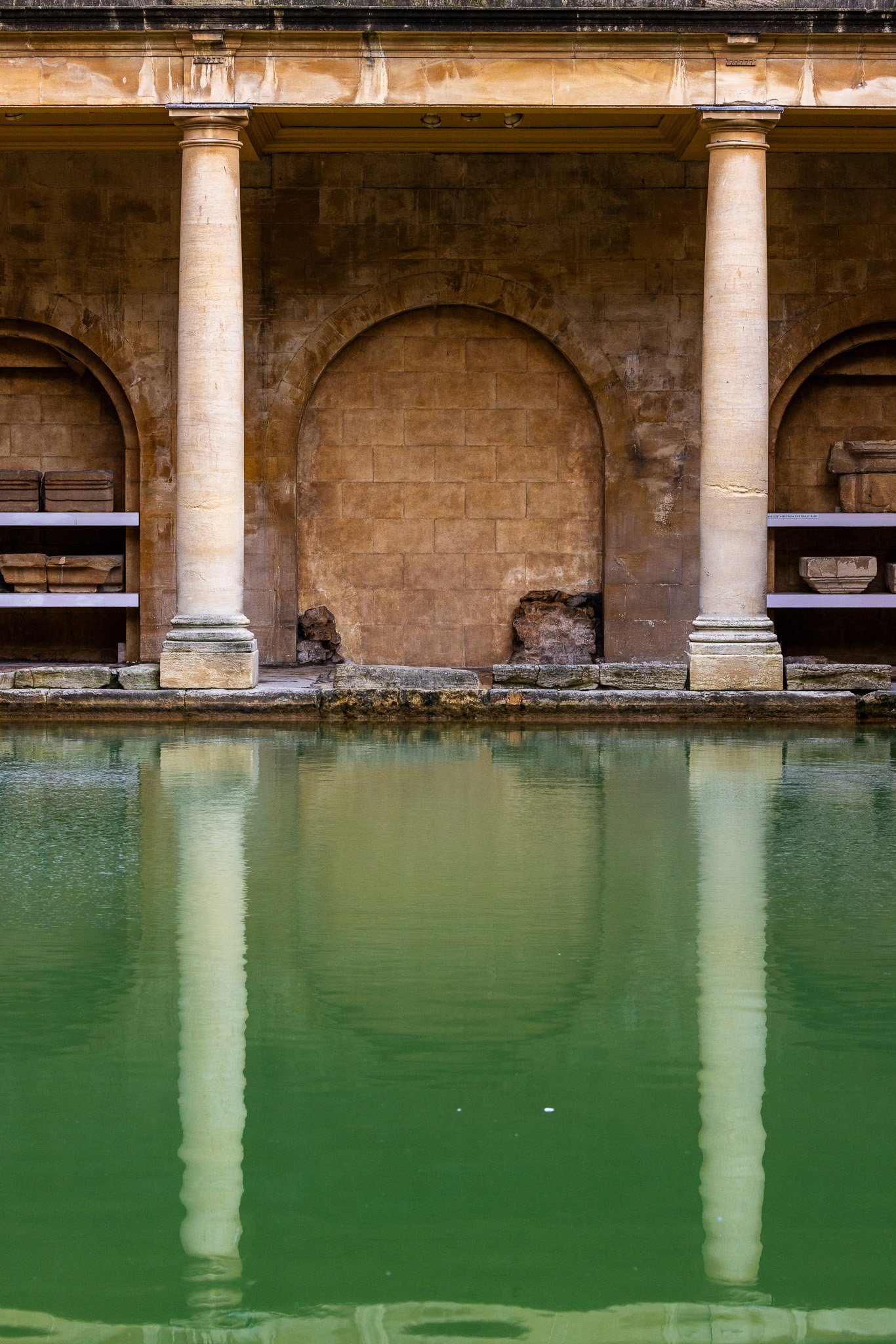
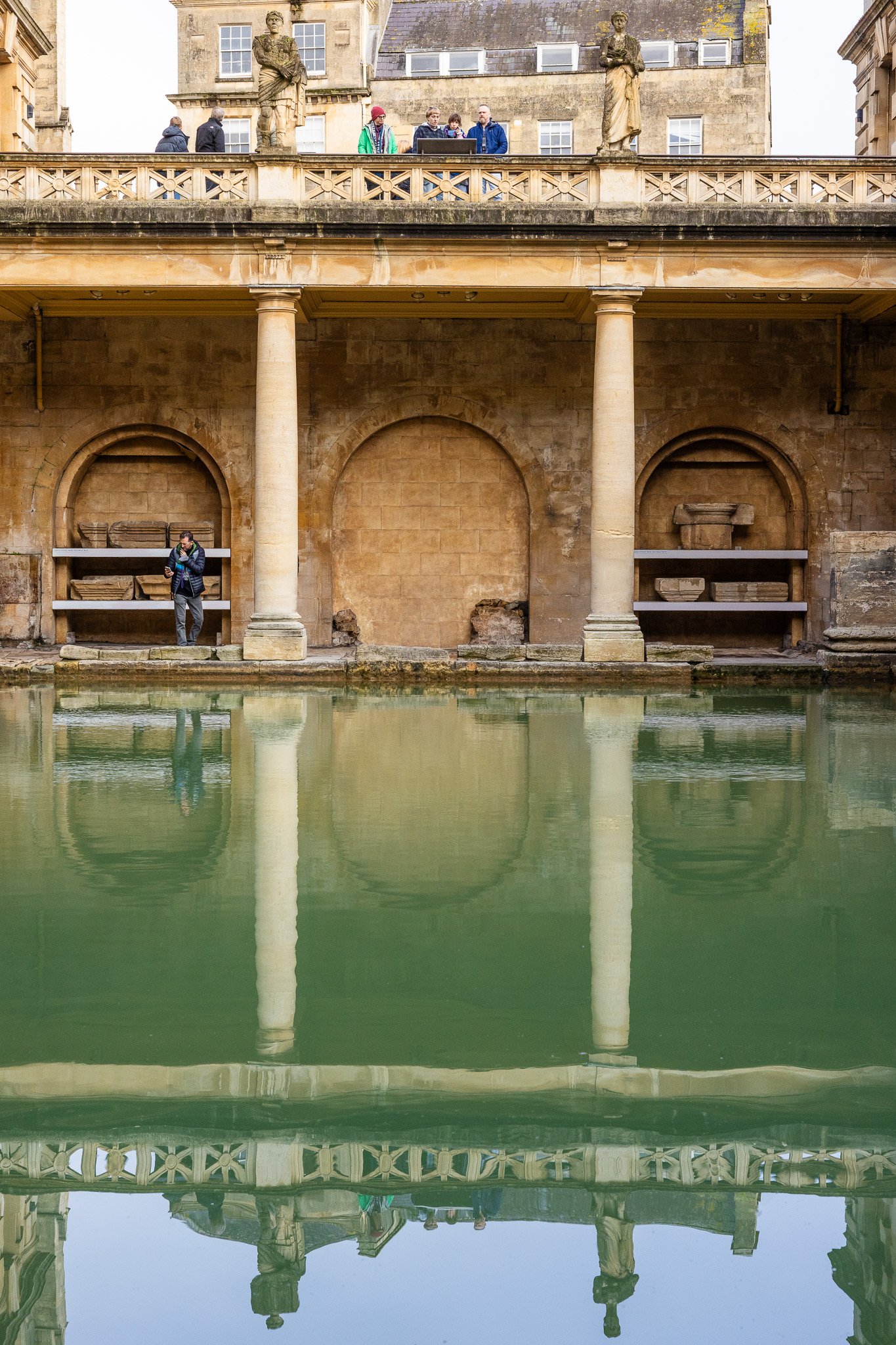
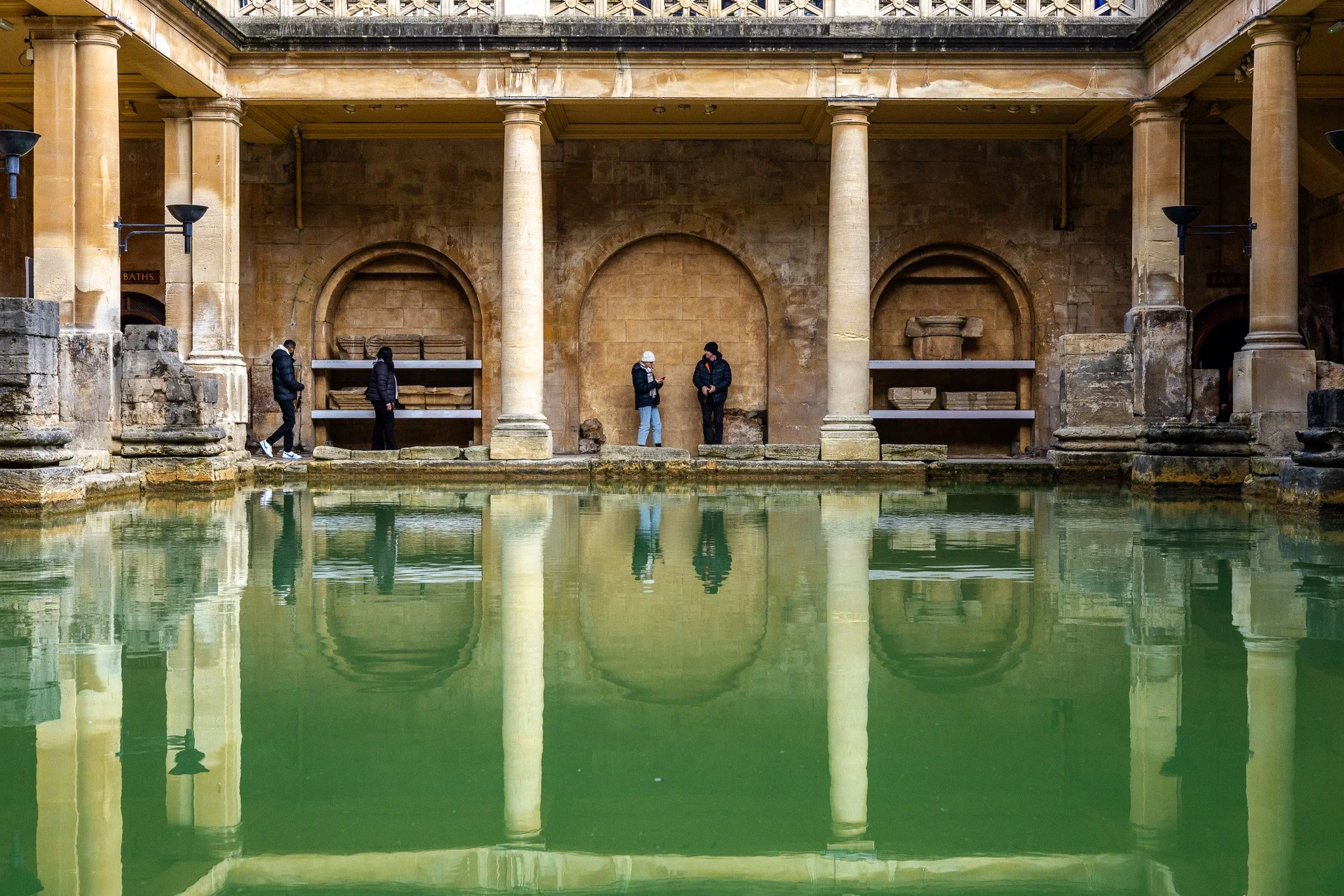
Roman engineers harnessed the thermal springs to create a sophisticated bath complex, demonstrating advanced hydrological knowledge. The spring itself was enclosed in a stone reservoir, capturing the hot water at 46°C (115°F). A large, open-air pool lined with lead and surrounded by columned porticos. A series of heated rooms and pools, including the caldarium (hot bath), tepidarium (warm bath), and frigidarium (cold bath), were built using a hypocaust (underfloor heating) system. The baths were used not only for relaxation and socializing but also for therapeutic purposes, attracting visitors seeking cures for ailments.
Aquae Sulis followed a Roman grid pattern, with a forum (marketplace) and basilica (administrative building) at its center. Houses ranged from modest dwellings to more luxurious villas for the wealthy. The Fosse Way, a major Roman road connecting Exeter to Lincoln, passed near Aquae Sulis, ensuring access for trade and travelers. By the 3rd century, the town was fortified with walls and gates to protect against raids. The sacred springs and baths drew pilgrims and visitors from across Roman Britain and beyond, creating a bustling economy. Local artisans and merchants supplied goods to visitors, and the town became a regional trading hub. The influx of visitors and the integration of Roman and Celtic traditions made Aquae Sulis an innovative, vibrant, multicultural settlement.
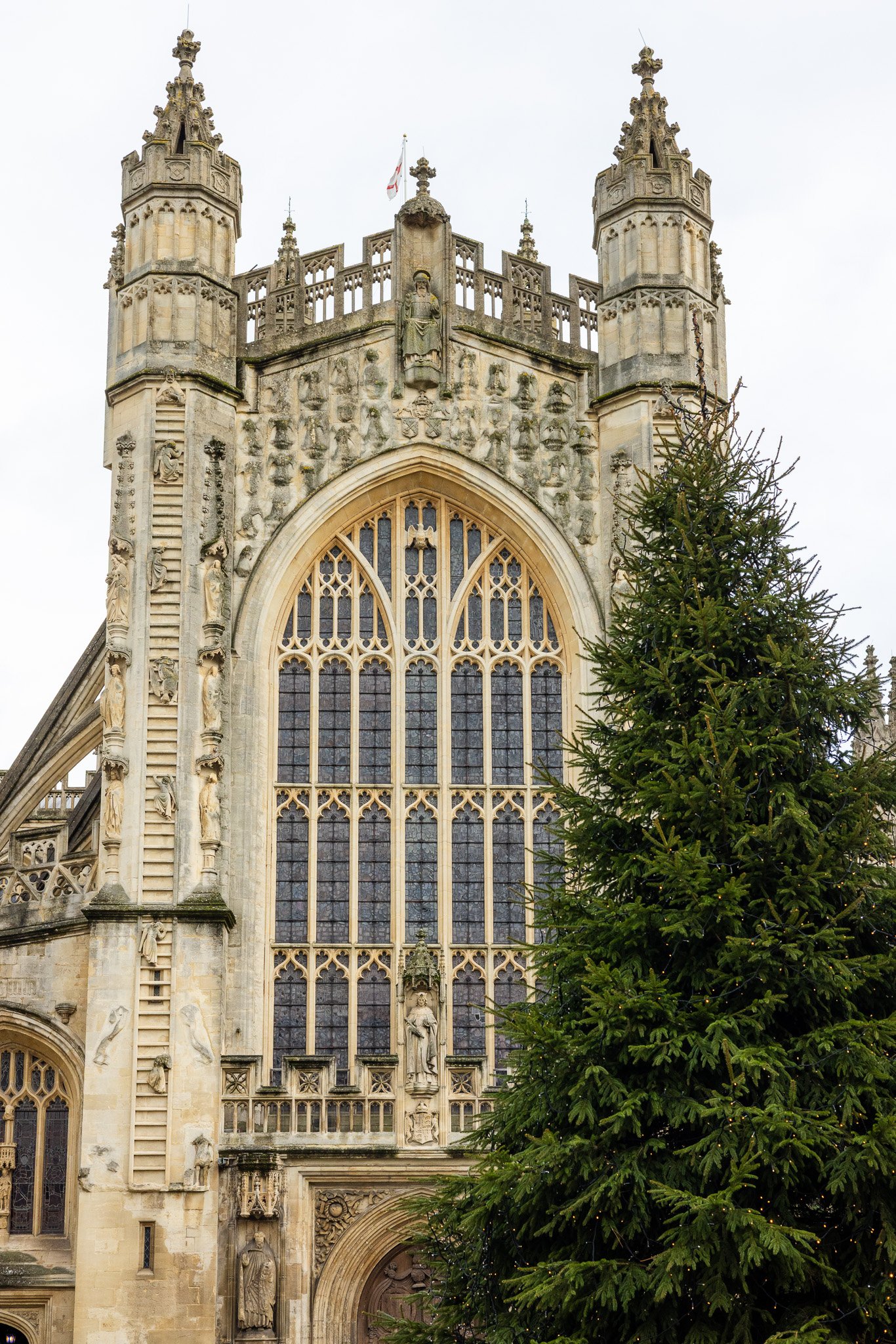
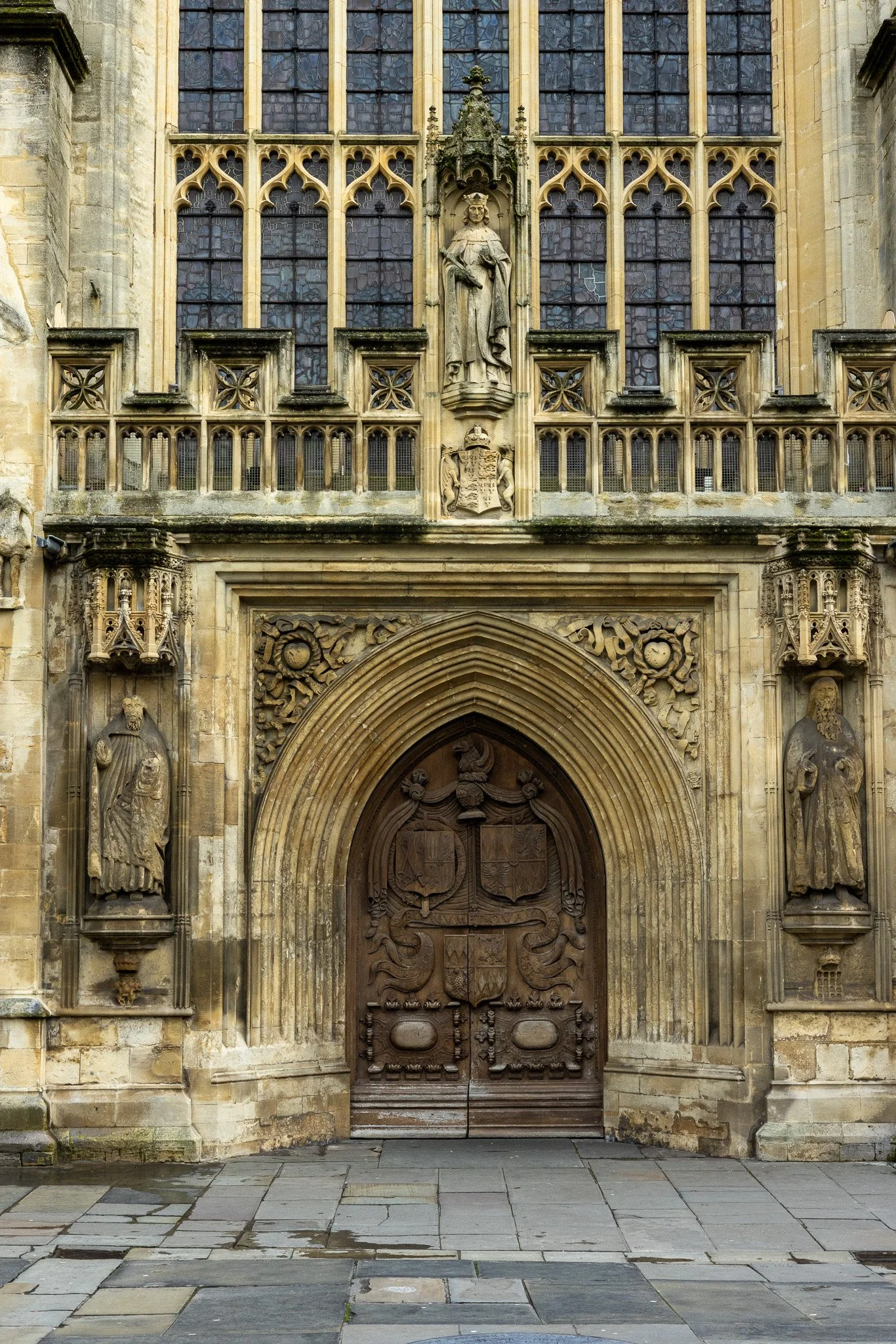
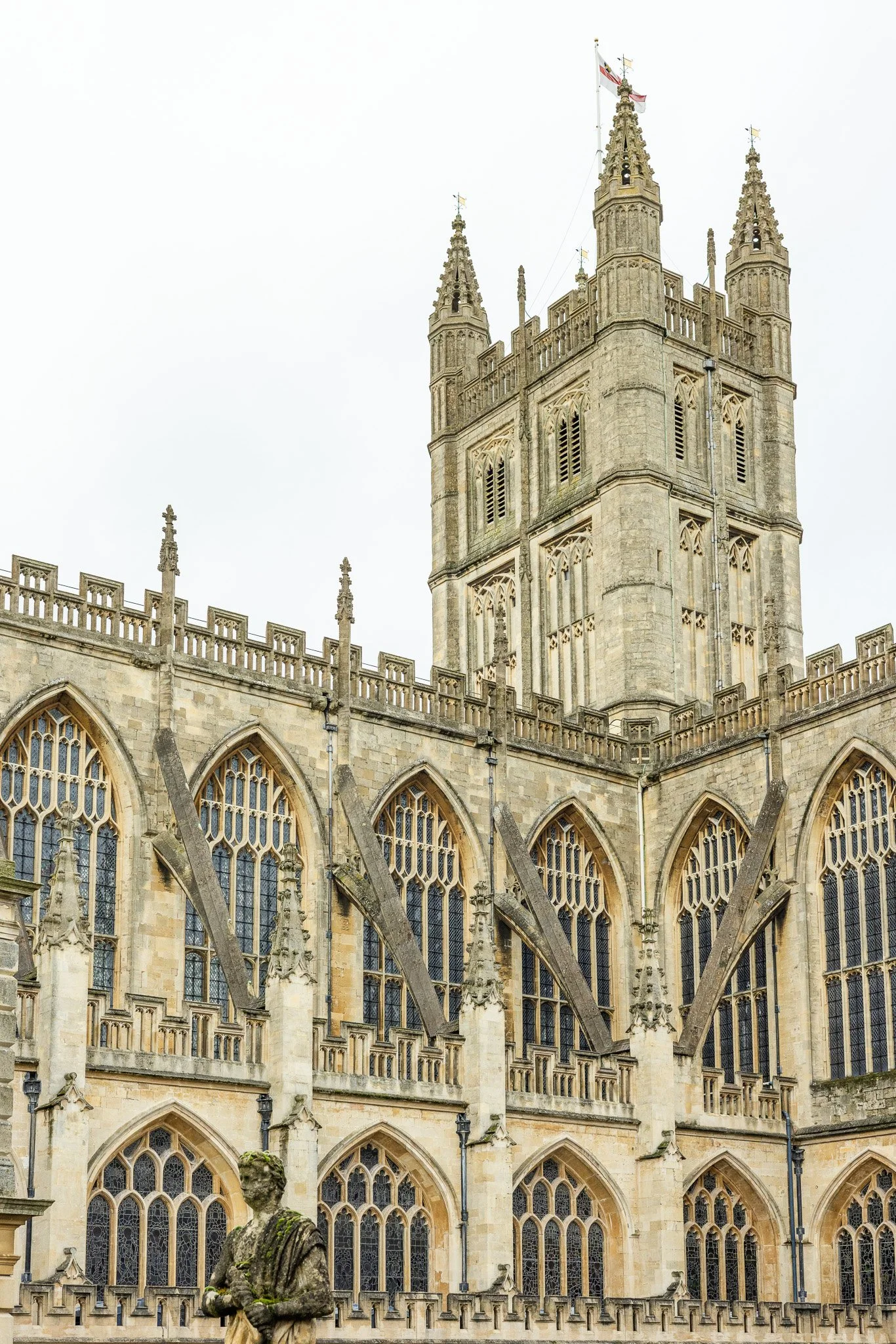
By the early 5th century, Roman administration and military presence in Britain ceased as the empire faced increasing pressures elsewhere. Without Roman maintenance, Aquae Sulis gradually fell into ruin. The baths silted up, and the temple and other structures were dismantled or repurposed by subsequent settlers. After the Romans left Britain in the 5th century, Bath fell into decline until it was revitalized by the Anglo-Saxons. In 675 CE, the Abbey of Saint Peter was founded, marking the city's importance as a religious center. The construction of Bath Abbey as it exists today began in the late 11th century, initiated by John of Tours. Bath also gained prominence as a center for wool trade during the Middle Ages. Bath flourished as a fashionable spa town during the Georgian period, particularly under architects like John Wood the Elder and John Wood the Younger. They designed the iconic Palladian-style buildings, including:
The Circus (1754–1768)
Royal Crescent (1767–1775)
Pulteney Bridge (1769–1774)
These developments were inspired by classical architecture and established Bath as a hub for social and cultural life among the British elite. The Roman Baths remain a centerpiece of the city and are a testament to the Romans' engineering skill and cultural adaptability. Bath was inscribed as a UNESCO World Heritage Site in 1987, recognized for its exceptional architectural and historical significance. In 2021, it became part of the Great Spa Towns of Europe, a transnational UNESCO listing.
Bath meets the following UNESCO criteria:
Cultural Significance: Its Roman and Georgian architecture exemplify the blending of classical ideals with natural resources, namely the hot springs.
Urban Design: The city's Georgian town planning is a masterpiece of 18th-century urban development, harmonizing architecture with the surrounding landscape.
Therapeutic Tradition: The city’s longstanding use of thermal waters for health and wellness connects it to ancient and enduring European spa traditions.
Key Features Highlighted by UNESCO
Roman Baths and Temple of Sulis Minerva: These ancient structures illustrate the cultural and engineering achievements of Roman Britain.
Georgian Architecture: Iconic buildings like the Royal Crescent and The Circus showcase elegant design and craftsmanship.
Bath Abbey: The centerpiece of the city, representing the evolution of Gothic architecture in England.
Thermal Springs: The only natural hot springs in the UK, still feeding the baths and the modern Thermae Bath Spa.